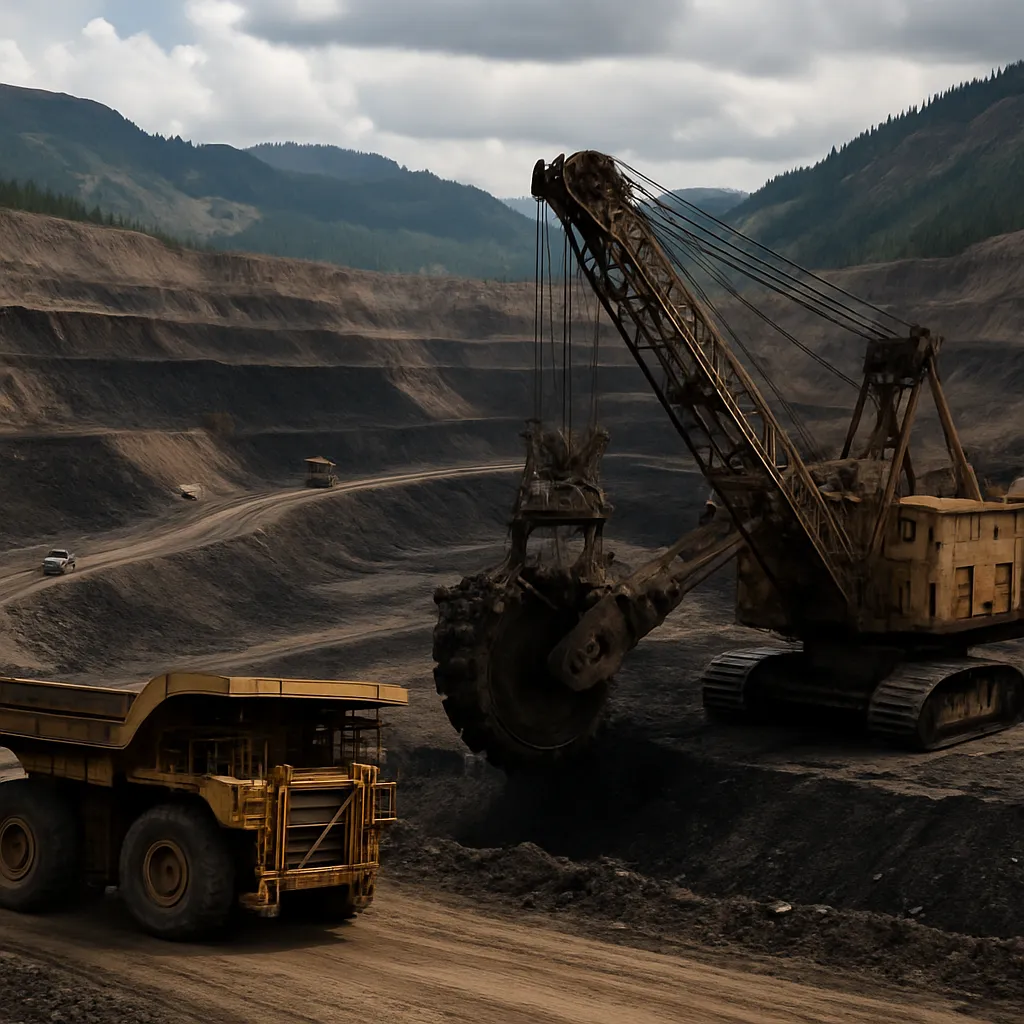
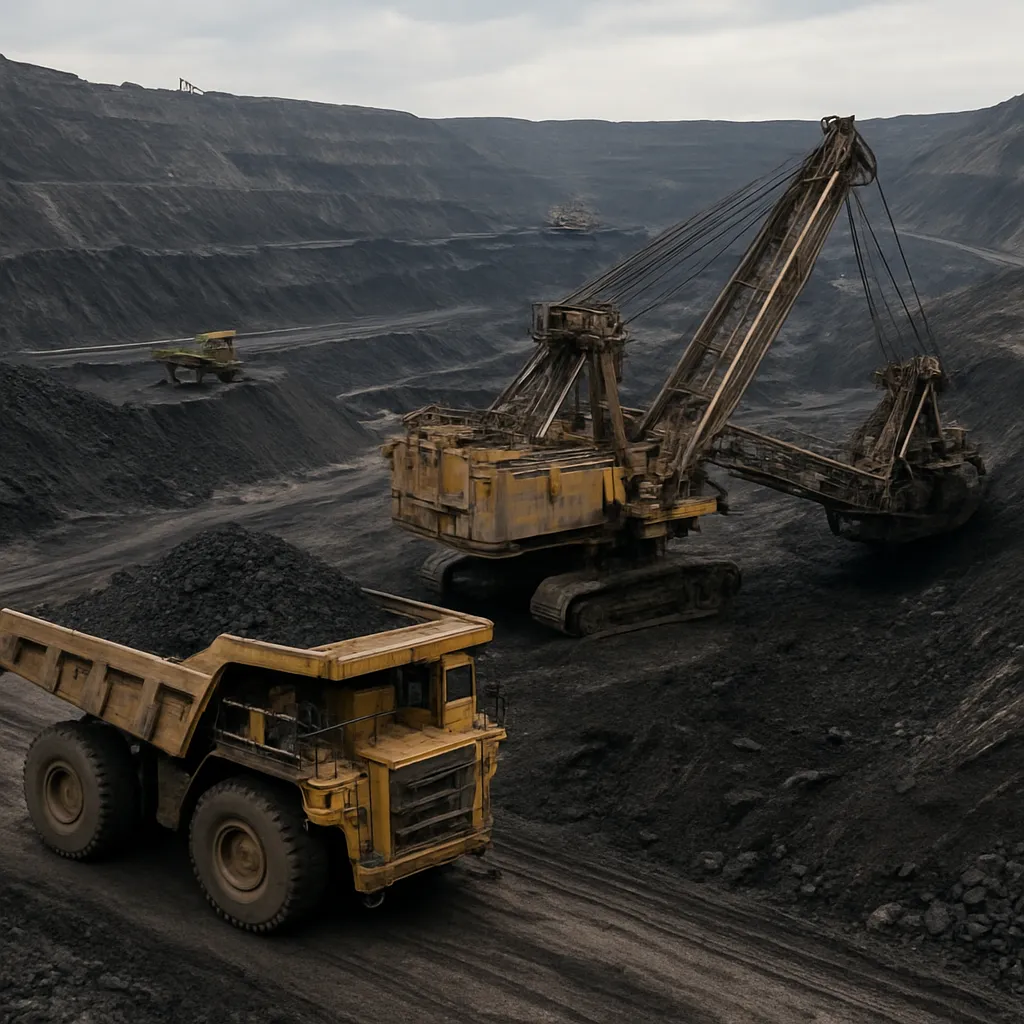
This article examines the Severnaya Mine, a coal mining site in Russia, covering its location, geology, production characteristics, economic role, and broader significance for industry and communities. The text presents technical, economic and environmental perspectives and includes estimates and contextual statistics where public data are scarce. The aim is to provide a comprehensive, readable overview for policymakers, students, and stakeholders interested in the contemporary role of coal mining sites in Russia.
Location, Ownership and Historical Context
The Severnaya Mine is located in the northern coal-bearing regions of Russia, within a basin historically developed for large-scale extraction. While several mines share the name “Severnaya” (meaning “Northern”), the most commonly referenced Severnaya operations are situated in major coal provinces such as the Kuzbass (Kemerovo Region) and other Arctic or sub-Arctic districts where coal seams outcrop or are accessible by underground and open-pit methods. The mine’s ownership, like many Russian mines, may be held by a combination of large vertically integrated mining companies, regional enterprises, or state-influenced entities; historically, ownership has moved from Soviet-era state control to a mix of private and state-associated firms.
Historical development
Coal mining in the northern and Siberian provinces intensified during the 20th century, driven by industrialization, rail expansion and wartime needs. The Severnaya operation typically evolved from small surface workings or early adits into more advanced underground or open cast mines as demand grew. Infrastructure — rail links, processing plants and worker settlements — often developed in tandem. Many sites bearing the Severnaya name were modernized in the late 20th and early 21st centuries, with investments in mechanization, ventilation and handling systems to increase production and safety.
Geology and Coal Types
The geological setting of the Severnaya Mine is characterized by layered sedimentary basins containing Carboniferous to Permian coal seams. These basins typically include multiple seams of varying thickness, depth and inclination, which influence the choice of mining method and the quality of the extracted coal.
Coal quality and classification
Coal from Severnaya-type mines is commonly described as follows:
- Bituminous coal: The predominant category in many northern Russian basins; suitable for both thermal power generation and some coking applications after beneficiation.
- Thermal coal: Used mainly for electricity generation and district heating; its calorific value and ash content determine marketability.
- Coking or metallurgical coal: In some seam sections, higher-rank coal suitable for coke production is present, supplying steelmaking feedstocks when available and economically recoverable.
Quality parameters that affect commercial classification include calorific value (gross calorific value expressed in kcal/kg or MJ/kg), volatile matter, fixed carbon, ash content, sulfur content and presence of deleterious elements. Russian coal often varies considerably across short distances; therefore, seam-level testing and washability studies are essential for planning.
Reserves and seam characteristics
Severnaya-type deposits typically feature multiple seams with cumulative thicknesses that can range from a few meters to tens of meters. Reserves are categorized by standard geological reporting: proven, probable and possible. While precise reserve figures for a specific Severnaya Mine depend on public company reporting and state geological surveys, typical reserves for an active industrial mine in the region may be tens to hundreds of millions of tonnes of recoverable coal, depending on seam extent, depth and economic cut-off.
Mining Methods, Processing and Infrastructure
The choice of mining method at Severnaya operations depends on seam depth, thickness, dip and geological conditions. Modern operations employ a combination of underground longwall/slice mining and open-pit (open-cast) methods where appropriate.
Underground mining
Underground longwall mining has been widely adopted in areas with thick, relatively continuous seams. This method uses a mechanized shearer or plow operating on a longwall face, supported by hydraulic roof supports and conveyor systems that rapidly move coal to the surface. Advantages include higher recovery rates and lower surface disturbance compared to open pits. However, underground methods require significant investment in ventilation, methane control and ground control systems.
Open-pit and mixed operations
Where seams are shallow or near-surface, open-pit extraction is often favored for its lower operating costs and high productivity. Many Severnaya sites combine open-pit and underground workings, transitioning to underground as the pit deepens or environmental constraints increase. Processing plants (coal preparation plants or washplants) are commonly integrated to improve product quality by removing ash and other impurities, enhancing calorific value and market acceptance.
Logistics and connectivity
Efficient rail and road connections are critical. Severnaya-type mines rely on railways for outbound coal transport to power plants, ports and industrial consumers. Ports on the Arctic and Pacific coasts serve export markets in Europe and Asia, while domestic pipelines of electrified rail and heavy-haul services ensure delivery to thermal power stations. On-site infrastructure typically includes workshops, fuel storage, tailings and handling areas, worker housing and medical facilities.
Economic and Statistical Overview
The economic footprint of a Severnaya Mine extends beyond raw tonnage: it includes local employment, tax revenues, regional transport utilisation and multiplier effects in services and manufacturing. Exact statistics for a named Severnaya Mine can be uneven in public sources; however, a typical medium-to-large coal mine in Russia contributes substantially to both regional GDP and national energy security.
Production estimates
Annual production at Severnaya-like operations varies widely:
- Small mines or niche underground operations: 0.5–1 million tonnes per year.
- Medium-sized operations with mechanized longwalls or large open pits: 2–6 million tonnes per year.
- Large integrated mining complexes: potentially >10 million tonnes annually when part of a broader coalfield development.
These ranges are indicative; individual mine output depends on capital investment, geological conditions, market demand and transport capacity.
Employment and regional impact
A mine’s workforce can range from several hundred to several thousand employees. Beyond direct employment, a mine supports contractors, transport providers, maintenance services and local commerce. Fiscal impacts include royalties, corporate taxes and social infrastructure contributions. In many northern communities, a major mine may be the principal employer and driver of economic activity.
Market and trade
Coal from Severnaya operations may be marketed domestically for power generation and industry, or exported to international markets. The competitiveness of the product depends on calorific value, ash and sulfur content, logistic costs and global coal prices. Russian coal competes in European, Middle Eastern and Asian markets, benefiting from established rail-to-port corridors and, in the Arctic north, seasonal shipping options.
Industrial Significance and Role in Energy Systems
The Severnaya Mine’s role in industry reflects broader patterns: coal remains a cornerstone of electricity generation, district heating and metallurgical feedstock in Russia and many neighboring countries. While global energy markets are evolving, coal still provides baseload power and supports heavy industry where alternatives are costly or unavailable at scale.
Power generation and steelmaking
Severnaya-type coal, depending on grade, can feed:
- Thermal power plants and combined heat and power (CHP) stations — providing dispatchable electricity and heat to cities and industry.
- Blast furnaces via coking coal and coke produced in specialized plants — critical for steel production, although the highest-quality coking coals are geographically concentrated.
Coal’s role in national energy mixes is influenced by policy decisions on emissions, renewables deployment and fuel switching. In regions with limited gas or hydro resources, coal can remain economically vital.
Environmental, Health and Safety Considerations
Mining operations bring environmental challenges and occupational hazards that companies and regulators must manage actively. Key concerns include greenhouse gas emissions, dust and particulate matter, water use and contamination, landscape disturbance and the risk of mine accidents.
Emissions and air quality
Coal extraction and combustion contribute to CO2, methane (from underground seams) and local air pollutants (SO2, NOx, PM). Methane drainage and utilization systems (for instance, capture and combustion for energy) can mitigate greenhouse gas release from underground operations. Particulate control measures — water sprays, sealed conveyors and dust collectors — reduce local air quality impacts.
Water and waste management
Runoff, sediment control and tailings management are essential to prevent contamination of rivers and groundwater. Modern Severnaya operations incorporate lined impoundments, treatment plants and progressive reclamation plans, although legacy sites may still present environmental liabilities requiring remediation.
Worker safety and community health
Safety programs focus on roof control, methane monitoring, ventilation, mechanization to reduce manual exposure and emergency response readiness. Occupational health includes managing dust exposure to limit pneumoconiosis (coal workers’ pneumoconiosis) and hearing loss. Community health initiatives often prioritize medical services, clean water and air quality monitoring.
Regulation, Compliance and Social Responsibility
Severnaya-type mines operate under national mining codes, environmental laws and labor regulations that set standards for resource reporting, environmental protection and worker safety. Compliance is enforced through inspections and permitting processes. Increasingly, public and investor expectations drive adoption of international best practices in environmental, social and governance (ESG) performance.
Community relations and benefits
Mining companies typically engage in social investment programs: funding schools, clinics and local infrastructure, supporting retraining and creating small business opportunities. Effective community engagement includes transparent reporting, grievance mechanisms and participatory planning for mine closure and land reclamation.
Technological Trends and Modernization
Technological modernization at Severnaya-type mines focuses on increasing productivity, reducing environmental footprints and improving safety. Key trends include:
- Mechanization and automation of face equipment, conveyors and material handling.
- Remote monitoring and control systems to optimize operations and reduce personnel exposure to hazardous areas.
- Enhanced coal washing and preparation to meet tight quality specifications for export and domestic markets.
- Implementation of methane capture and utilization to reduce greenhouse emissions and recover value.
- Digitalization: predictive maintenance, fleet management and integrated mine planning using big data.
These investments can extend the economic life of deposits and improve competitiveness in global markets.
Strategic Importance and Future Outlook
The strategic value of Severnaya and similar mines rests on energy security, export earnings and local economic stability. In the medium term, coal will remain part of the energy mix where alternatives are limited or cost-prohibitive. Long-term scenarios depend heavily on climate policy, carbon pricing, technological advances in carbon capture and storage (CCS), and shifts toward renewable energy and electrification.
Potential pathways
Possible future pathways for Severnaya-type operations include:
- Continued operation with incremental upgrades to efficiency and environmental controls.
- Diversification into value-added products (coal chemicals, briquettes) or partial transition to other mineral extraction where geology allows.
- Adoption of CCS technologies at associated power plants to retain coal use while limiting CO2 emissions — contingent on economic feasibility and policy support.
- Planned closure and reclamation with economic transition packages for affected communities, emphasizing retraining and new industries.
The chosen path will reflect national energy strategies, market conditions and societal priorities.
Representative Statistics and Benchmarks
While detailed, up-to-date statistics for a specific Severnaya Mine depend on corporate reporting, the following representative benchmarks help contextualize its scale and impact:
- Typical annual mine output (indicative): 1–6 million tonnes, depending on mine size and method.
- Workforce: a few hundred to several thousand employees, including contractors.
- Recovery rates: modern longwall operations may achieve recoveries in excess of 70–80% on faceable seam thickness, while open pits recover a high proportion of exposed reserves.
- Quality ranges: calorific value can vary from sub-bituminous (lower heating values ~14–18 MJ/kg) to high-volatile bituminous or higher (18–30+ MJ/kg) depending on seam and beneficiation.
These figures are approximate and intended to be illustrative rather than definitive.
Interesting Facts and Lesser-Known Aspects
Several interesting features often associated with Severnaya-type mines:
- Arctic and sub-Arctic logistics: In northern sites, seasonal ice roads and specialized port windows can shape operations and costs.
- Heritage mining towns: Many mining settlements near Severnaya sites have unique cultural identities and histories of labor movements and technological innovation.
- Coexistence with other resources: Coal basins are sometimes adjacent to deposits of industrial minerals, methane, and even rare earth-bearing strata, presenting diversification opportunities.
- Local climate adaptation: Operations in cold climates require specialized equipment, winter-ready infrastructure and employee welfare measures against extreme conditions.
Conclusion: Balancing Resource Value and Transition Challenges
Severnaya Mine, representative of many northern Russian coal operations, embodies the tensions between economic value, energy needs and environmental imperatives. It supplies critical energy and industrial feedstock, supports regional employment and contributes to national revenues. At the same time, it faces pressures from decarbonization policies, the need for environmental remediation and the social responsibility to support affected communities during transitions. The future of Severnaya-type mines will be shaped by technological adoption, policy frameworks, market demand and the pace of broader energy transitions.
Key themes that emerge are the necessity of modernization, robust environmental management, and integrated planning that align local development with national and global sustainability goals. For stakeholders — companies, governments and communities — the challenge is to harness the economic benefits of coal resources while preparing for an energy system that increasingly demands lower-carbon solutions.