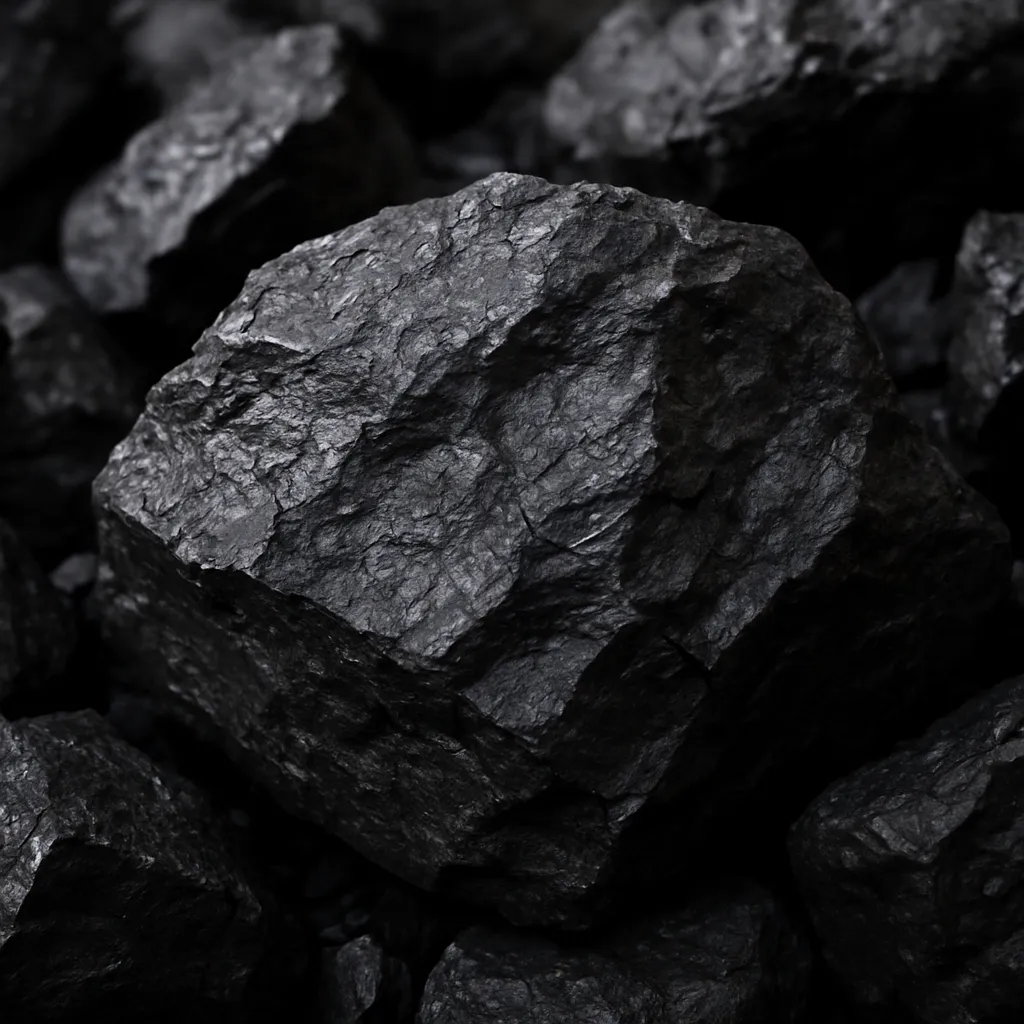
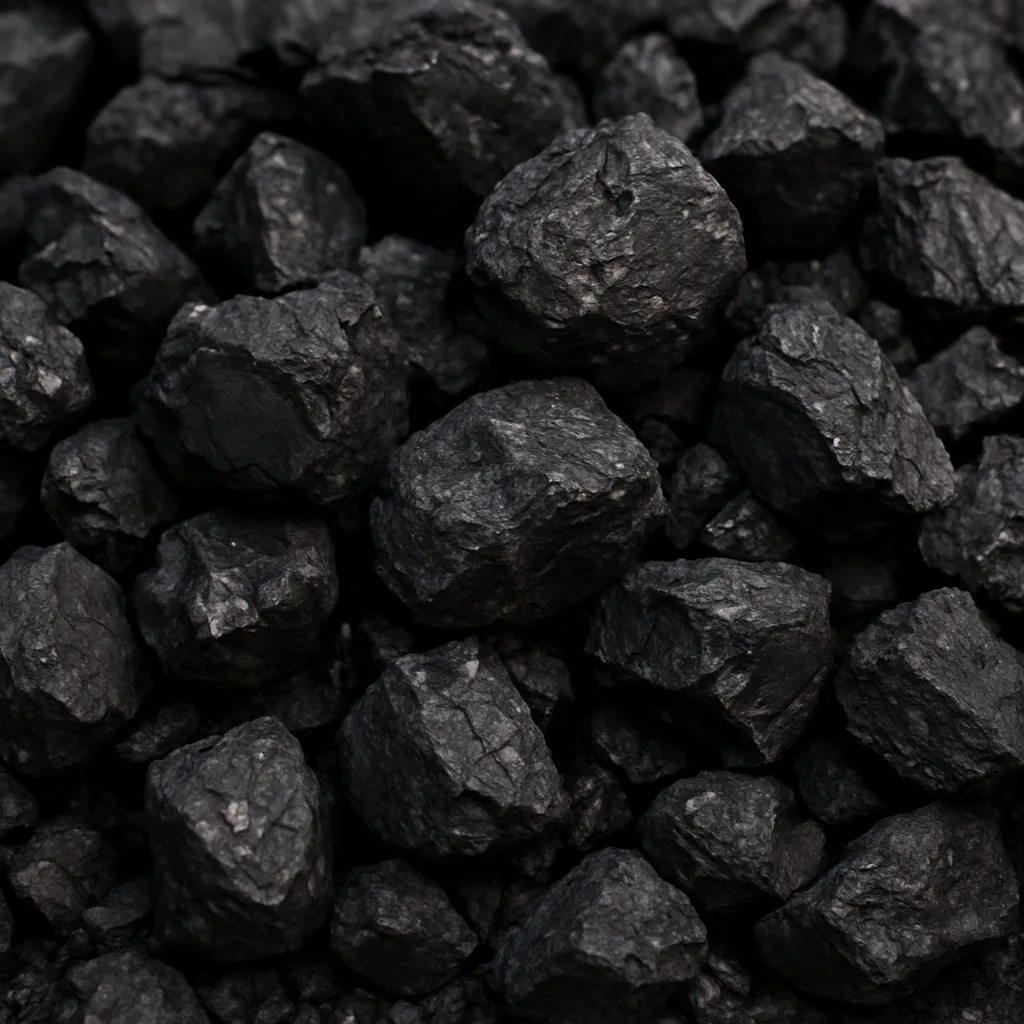
Semi-soft coking coal occupies an important middle ground in the world of metallurgical coals. It is neither the highest-grade hard coking coal used to produce premium blast-furnace coke nor the lower-grade thermal coal used primarily for power generation. Instead, semi-soft coking coal is valued for its role in blending, coke replacement technologies, and as a feedstock for pulverized coal injection (PCI). This article explores its geological characteristics, global distribution and mining regions, economic and statistical context, industrial significance, and the environmental and market trends shaping its future.
Properties, Classification and Technical Characteristics
Semi-soft coking coal is classified within the broader group of metallurgical coals. Its defining technical features are intermediate levels of plasticity, moderate caking tendency and a volatile matter content that is higher than hard coking coals but lower than typical thermal coals. These properties influence how the coal behaves during carbonization and how it contributes to coke strength, reactivity and overall blast furnace performance.
- Rank and Petrography: Semi-soft coals are often high-volatile bituminous to medium-volatile bituminous in rank. Petrographic composition typically shows a mixture of vitrinite macerals with inertinite and liptinite present in varying proportions. Vitrinite reflectance (Ro) values commonly fall in a range lower than those of hard coking coals.
- Plasticity and Swelling: During carbonization, semi-soft coals exhibit reduced plasticity and lower swelling power compared with hard coking coals. This means they do not form a strong, coherent coke structure on their own and are therefore usually blended with higher-quality coking coals.
- Ash and Sulfur: Ash content for semi-soft coals varies widely depending on the deposit, from relatively low (<8%) to moderate (>15%). Sulfur levels can also range from low to moderately high; these parameters affect both coke quality and environmental emissions from steelmaking.
- Coke Quality Metrics: When used in coke making, semi-soft coals contribute to properties such as coke strength after reaction (CSR) and coke reactivity index (CRI). Typically, coke produced from blends containing a significant proportion of semi-soft coal has lower CSR and higher CRI compared to coke from 100% hard coking coal blends.
Typical Analytical Parameters
Although composition varies by source, a representative semi-soft coking coal might display: calorific value of 24–30 MJ/kg (ar on dry basis), volatile matter 20–35%, total moisture 2–8%, ash 6–20%, and sulfur 0.5–2.0% (all values indicative and deposit-dependent). These ranges explain why semi-soft coal is often optimized in blends to meet strict coke and blast furnace specifications.
Geological Occurrence and Major Producing Regions
Semi-soft coking coals occur in many of the world’s coal basins and are mined on every inhabited continent. Their geological settings are often similar to those of other bituminous coals: sedimentary basins where peat formed and was buried, subjected to heat and pressure over geological time. Deposits that yield semi-soft coking coals are frequently associated with complex basin histories resulting in variable coal seams within the same region.
- Australia: Australia is a leading source of seaborne metallurgical coals, with semi-soft varieties mined primarily in the Bowen Basin and Surat Basin of Queensland and some deposits in New South Wales. Many Australian export shipments to Asia include semi-soft coal either as a blend component or targeted product for PCI and coke feedstock.
- Russia: Large coking coal basins such as Kuzbass (Kemerovo) and the Far Eastern basins include semi-soft coal seams. Russian coals range widely in quality, and semi-soft types are used domestically and in export blends.
- Canada: British Columbia and Alberta produce a range of metallurgical coals, including semi-soft types used for blending and PCI. Canada is a notable exporter to Asian markets.
- United States: Semi-soft coking coal can be found in the Appalachian Basin and the Illinois Basin. The U.S. supply is used both domestically by steelmakers and for limited export markets.
- Colombia and South Africa: Both countries host occurrences of lower- to mid-grade metallurgical coals that include semi-soft varieties; these coals play roles in regional markets and export blends.
- China: Domestic metallurgical coal production in China includes semi-soft coals that are crucial to the country’s vast steel industry.
The precise distribution of semi-soft coal within a basin can be highly variable; individual mines must characterize seams closely to determine their optimal market and processing route.
Mining, Processing and Value Chain
Extraction and preparation of semi-soft coking coal follow general coal mining practices, but the downstream processing is often tailored to maximize its value in metallurgical applications. The coal typically passes through washing, density separation and, if necessary, pulverizing to meet buyer specifications for ash, sulfur and size distribution.
- Mining Methods: Both opencut (surface) and underground methods are used depending on deposit geometry. Large-scale open-cut mines in Australia are notable producers for the export market, while underground workings are common in older basins such as Kuzbass and parts of Appalachia.
- Preparation Plants: Coal washing reduces ash and sulfur, improving the calorific value and metallurgical performance. Semi-soft coals are often blended and washed to a product specification that optimizes their use either in coke ovens or for injection into blast furnaces.
- Blending Strategies: Because semi-soft coals typically do not meet the strength requirements as a sole feed for coke production, they are blended with hard coking coals. Blending ratios are engineered to achieve target CSR/CRI values, ash limits, and sulfur thresholds.
- Pulverized Coal Injection (PCI): Semi-soft coals are frequently used for PCI, where pulverized coal is injected into the blast furnace as a partial substitute for coke. High volatile and somewhat more reactive semi-soft coals are suitable for PCI, reducing coke demand and overall cost in integrated steelworks.
Logistics and Trade
The commercial value of semi-soft coking coal depends not only on its intrinsic properties but also on logistics: proximity to ports, rail capacity, and access to buyers. Seaborne markets in Asia (China, Japan, South Korea, India) are major destinations; therefore export infrastructure and shipping costs heavily influence the final market price.
Economic and Statistical Overview
Quantifying the global market for semi-soft coking coal specifically is challenging because most trade and production statistics aggregate metallurgical coals or separate them into broad quality classes. Nevertheless, semi-soft coals represent an important slice of the metallurgical coal market, used both directly and as blending components.
- Global Metallurgical Coal Context: In the early 2020s the global metallurgical coal market (covering hard coking coal, semi-soft coking coal and PCI coals) experienced price volatility driven by rapid changes in steel demand, logistical disruptions and geopolitical developments. Industry estimates placed annual metallurgical coal production in the order of several hundred million tonnes to around a billion tonnes, with seaborne trade being a fraction of that total and dominated by a few exporters.
- Major Exporters: Australia has been the largest seaborne exporter of metallurgical coal, typically accounting for roughly one-third of seaborne metallurgical coal exports. Other significant exporters include Russia (prior to export disruptions and sanctions in some markets), Canada, the United States, and Colombia. Semi-soft types are included in many of these shipments as dedicated products or blend components.
- Price Dynamics: Prices for semi-soft coals track those of broader coking coal benchmarks but often trade at a discount to premium hard coking coal while commanding a premium over thermal coal. During market tightness (for example, supply shocks or surging steel production), semi-soft coal prices have risen sharply as steelmakers scrambled for suitable blending components and PCI feedstock.
- Steelmaking Correlation: Demand for semi-soft coking coal is closely linked to global steel production. With world crude steel production exceeding 1.7–1.9 billion tonnes in recent years, even small percentage shifts in coke substitution via PCI or the conversion of steelmaking routes (e.g., to electric arc furnaces) can materially affect coking coal demand.
Given the variability in reporting and the blending nature of semi-soft coals, a practical approach for buyers and analysts is to follow broader metallurgical coal indices and regional export statistics, then apply quality-specific premiums or discounts based on technical parameters.
Role in the Steel Industry and Other Uses
The primary industrial use of semi-soft coking coal is in steelmaking—either as part of the coke blend for blast furnaces or as PCI feed that substitutes for a fraction of coke. Its economic role hinges on cost optimization: lower-quality coals can reduce the overall cost of a coke blend when used in combination with high-quality hard coking coals, provided the final coke meets the blast furnace’s mechanical and reactivity specifications.
- Coke Making: In integrated steel mills, semi-soft coals are blended to balance the plasticity and swelling behavior necessary to produce coke of required strength. Blends are designed to maximize coke yield and ensure mechanical robustness under the extreme conditions of blast furnace operation.
- Pulverized Coal Injection: PCI is a widely adopted technology that uses pulverized coal as a partial replacement for coke. Semi-soft coals with suitable grindability and volatile profiles can be effective PCI coals. PCI reduces the coke rate and overall carbon footprint per tonne of steel to some extent, while offering cost savings when appropriate coal is available at competitive prices.
- Specialty Applications: In some cases, semi-soft coals find niche uses in metallurgical processes where moderate coking properties are sufficient. They may also be used in small industrial furnaces or for briquetting and carbon products depending on local demand.
Environmental Considerations and Market Outlook
Semi-soft coking coal sits at the intersection of traditional steelmaking technology and a decarbonizing global economy. While still essential in many integrated steelworks, its future is shaped by technological, regulatory and market forces that promote lower-carbon steel production.
- Carbon Emissions: Use of any coal in steelmaking contributes to CO2 emissions. The steel sector is under pressure to reduce direct emissions from blast furnaces, encouraging measures such as increased use of scrap in electric arc furnaces (EAF), hydrogen-based direct reduction, and energy efficiency improvements. These shifts could reduce long-term demand for coking coal, including semi-soft types.
- Intermediate Role: In the medium term, semi-soft coal may retain an important role because many mills continue to rely on blast furnace-basic oxygen furnace (BF-BOF) routes. Technologies like PCI and improved coke oven efficiency can reduce the coke requirement per tonne of steel, sustaining demand for appropriately specified semi-soft coals.
- Supply Chain Risks: Geopolitical events, trade restrictions and logistics bottlenecks have shown how sensitive coal markets are. Producers of semi-soft coal that can reliably meet delivery schedules and quality specifications are likely to retain strategic customers.
Future Trends
Key trends shaping the semi-soft coking coal market include:
- Ongoing optimization of coke blends and increased use of PCI to lower coke rates and costs.
- Regional shifts in steel production that change seaborne demand patterns—e.g., increased domestic sourcing in major steelmaking countries vs. reliance on imports.
- Technological developments in low-carbon steelmaking that may progressively reduce coking coal demand, but over a multi-decade time horizon rather than overnight.
- Enhanced coal preparation techniques that allow lower-quality seams to be upgraded economically, expanding the supply base for semi-soft coals.
Interesting Facts and Practical Considerations
Beyond technical and economic details, several practical and interesting points about semi-soft coking coal are worth noting:
- Blending flexibility: One reason semi-soft coals are commercially valuable is their flexibility in blends. A skilled blending strategy can turn variable-quality coals into a high-value product for specific blast furnaces.
- Regional specialization: Some steelmakers develop long-term contracts with mines producing specific semi-soft coal types because furnace stability often depends on consistent coke properties more than on a single “premium” coal.
- Quality grading: Because of their intermediate nature, semi-soft coals are sometimes regraded and sold under different specifications (e.g., PCI coal vs. semi-soft coking coal) depending on market demand and preparation outcomes.
- Price sensitivity: Small changes in freight rates or local supply can cause outsized swings in delivered prices for semi-soft coals due to their role as blend components and PCI feed.
- Research and innovation: Metallurgical research continues to explore how to maximize the utility of semi-soft coals—through additives, precise blending algorithms, and advanced coal washing—to meet stricter coke and emissions targets.
Summary
Semi-soft coking coal is a strategically important commodity within the metallurgical coal family. Its intermediate technical characteristics make it a key ingredient for blending, an effective feedstock for pulverized coal injection, and a cost-efficient component in coke making when managed properly. Major producing regions such as Australia, Russia, Canada and the United States supply much of the global market, while demand is closely tied to world steel production and regional trade flows. Although the long-term outlook for coking coals faces pressures from decarbonization efforts, semi-soft coals are likely to remain relevant during the transition, particularly where blast furnaces persist and cost-effective PCI or blending options are required.