The San Roque Coal Mine occupies a notable place within Colombia’s broad and historically important mining landscape. This article reviews the mine’s geological setting, the types of resources recovered, its economic and social footprint, operational details, and broader significance for both regional development and national energy markets. It also considers environmental challenges, regulatory context, and potential future trajectories for the mine and the Colombian coal sector. Throughout the text, key concepts are emphasized to guide readers through the most relevant points about this mining operation and its context.
Location and geological setting
The San Roque mine is situated within Colombia’s coal-bearing regions, part of a national network of deposits that extend along the country’s northern and central basins. Colombia’s coal deposits are concentrated principally in two basins: the Cerrejón basin in La Guajira and the Cesar-Ranchería basin, with additional but smaller occurrences across the Middle Magdalena Valley and other Andean foothill belts. San Roque lies in a coal-producing area that is geologically characterized by sedimentary sequences of paleozoic to cenozoic age, with coal seams formed from ancient peat swamps that were buried and transformed under pressure and heat.
The local geology around the mine typically includes alternating layers of sandstones, shales, and coal seams. Structural features such as gentle folds and faults influence seam thickness, dip, and mineability. Mining prospects in the region are evaluated with an emphasis on seam continuity, depth below surface, and the physical properties of the coal. These geological conditions determine whether extraction is feasible as an open-pit operation or requires underground methods.
What is extracted and coal characteristics
The primary product at the San Roque operation is coal, predominantly used for energy generation and industrial processes. Colombia’s coal is generally valued for its relatively low sulfur and ash content and favorable calorific value relative to some other export coals. At San Roque, the mined coal typically falls into the category of thermal coal (steam coal) used mainly by power plants and for heat generation in industry, though variations in rank and quality may occur across different seams.
Coal quality and classification
- Calorific value: Coal from Colombian basins is often medium- to high-calorific-value coal, making it competitive on international markets. Specific values at San Roque vary by seam and block.
- Sulfur and ash: The coal typically has low sulfur content, which is advantageous for meeting environmental regulations on sulfur dioxide emissions. Ash content is moderate and depends on the proportion of rock material interbedded with the seams.
- Usage: The main end-use is electricity generation; some coal may be used in cement manufacture, other industrial boilers, or blended for specific market requirements.
In some sections of Colombian coal mining, there are also layers suitable for metallurgical (coking) uses, but these are less common. San Roque’s commercial focus remains on steam coal, though geological variations could produce pockets of higher-rank coal.
Mining methods, infrastructure, and logistics
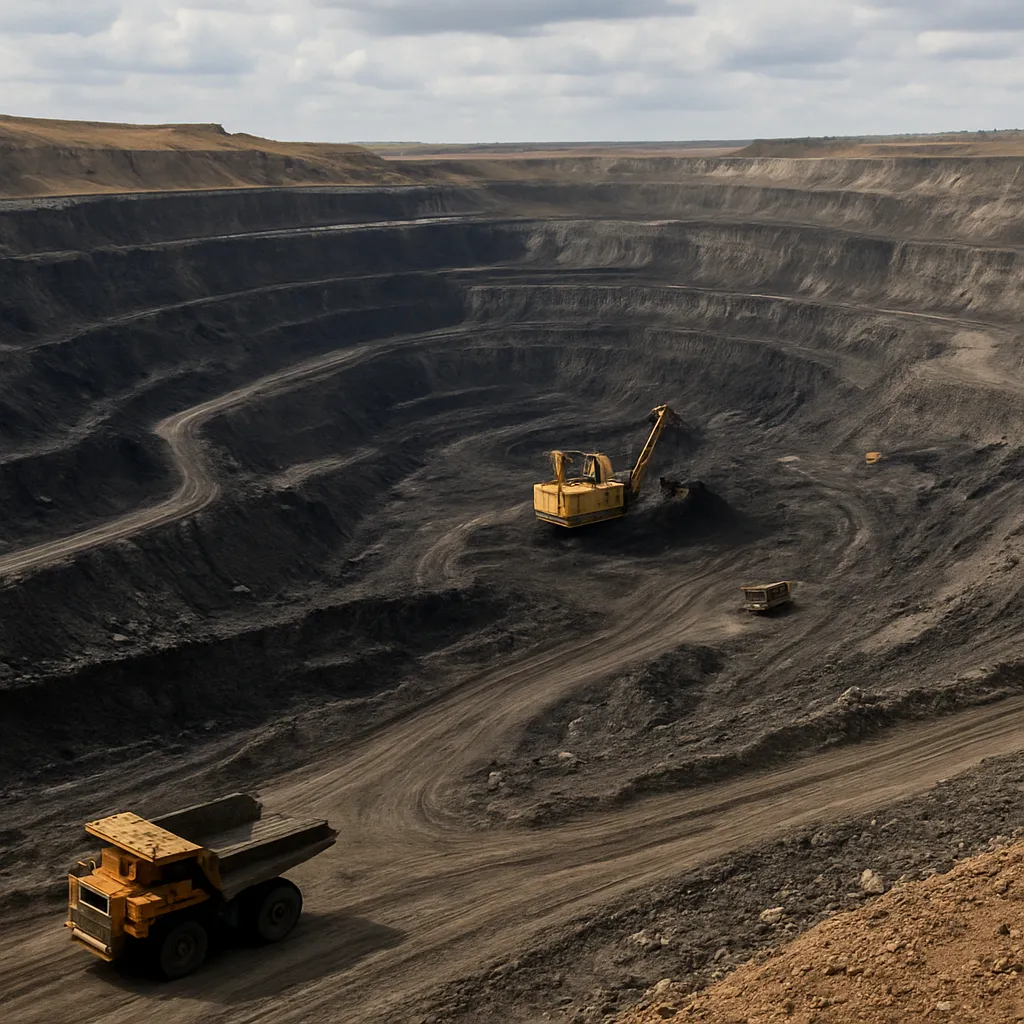
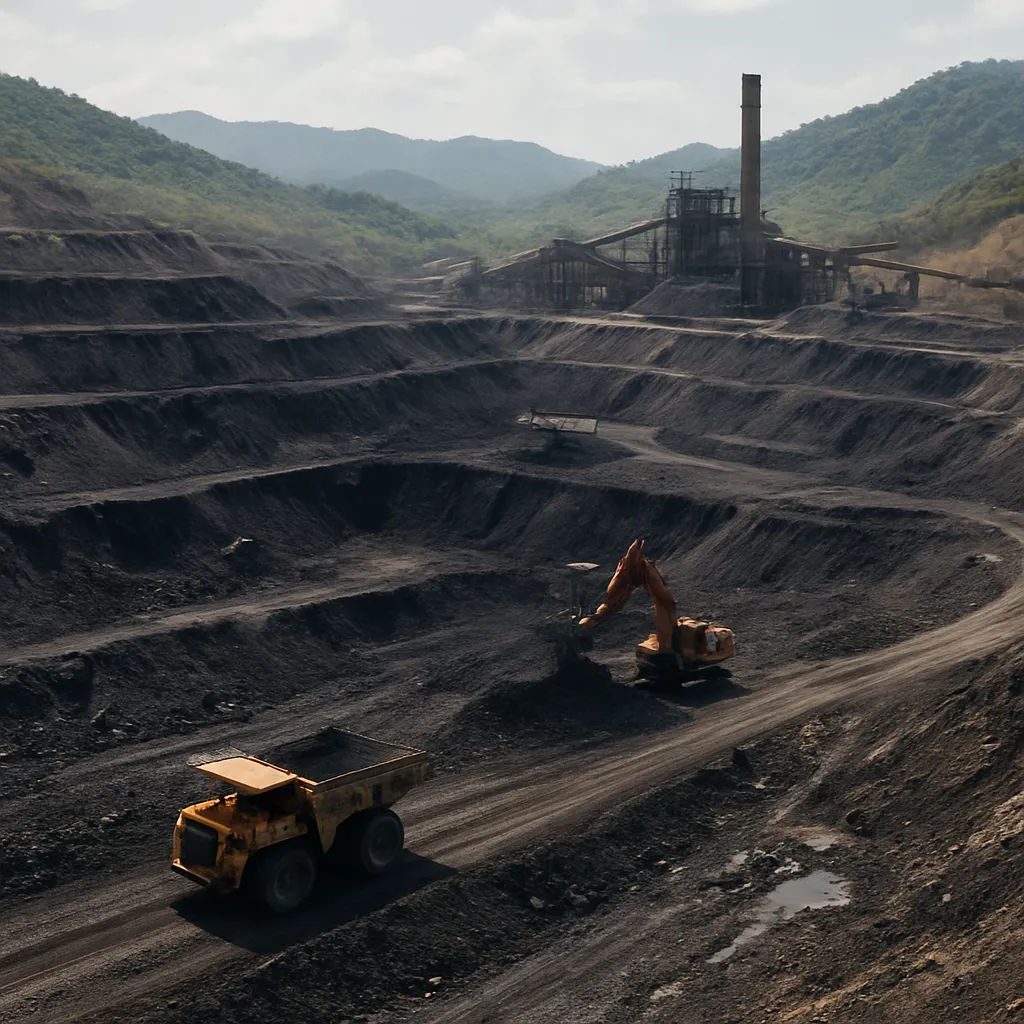
Mining at San Roque typically follows methods adapted to seam depth and geometry. Where seams outcrop or lie at shallow depth, open-pit techniques are commonly used because of their cost-effectiveness and higher production rates. If seams are deeper or seam geometry is complex, underground methods are employed with appropriate ventilation and ground control systems.
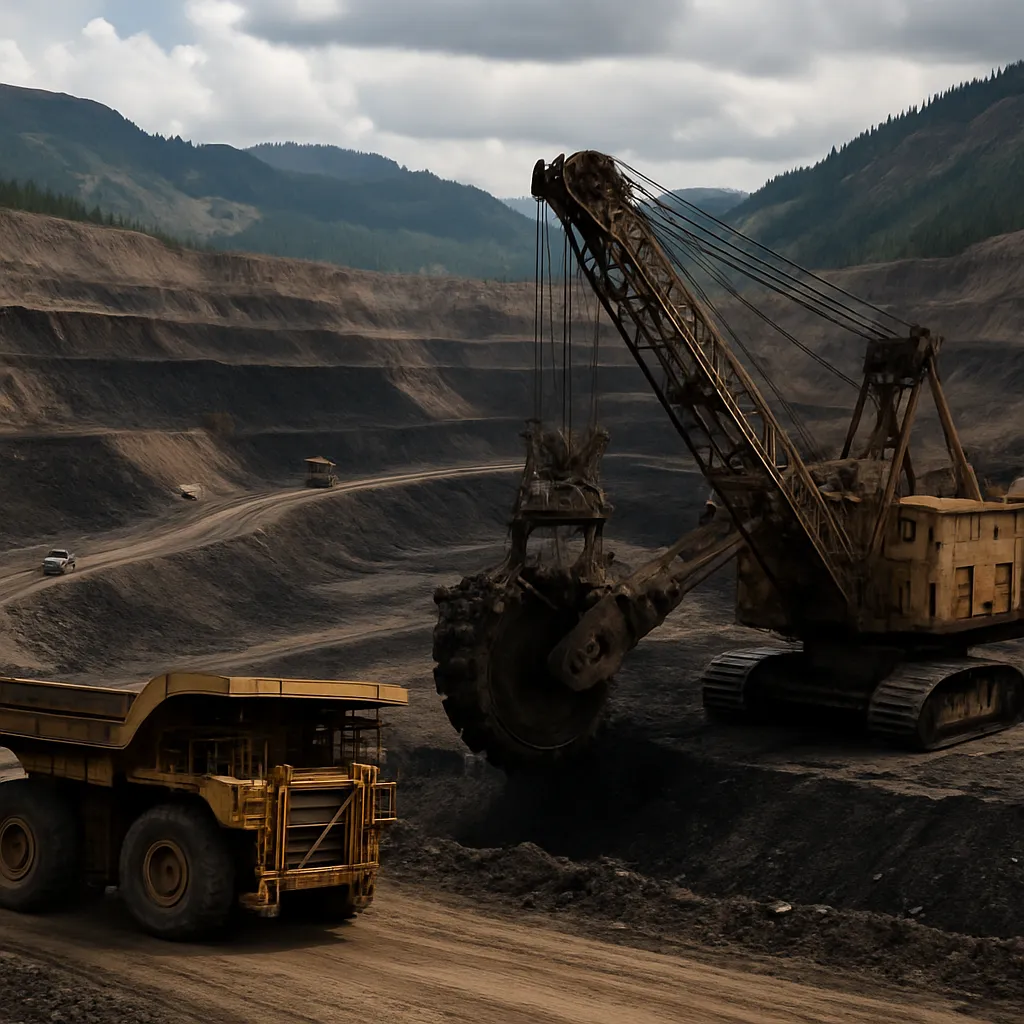
- Equipment and technology: Modern mining operations employ hydraulic shovels, haul trucks, draglines (where applicable), and satellite mapping for pit planning. Underground areas rely on continuous miners or longwall systems depending on seam thickness and continuity.
- Processing: Run-of-mine coal is sized, screened, and sometimes beneficiated (washed) to reduce impurities and upgrade calorific value before sale.
- Transport and export infrastructure: Coal from the region is transported by road or rail to ports on the Caribbean coast. Proximity to rail links and export terminals is a key economic factor. Logistics hubs, conveyors, and port terminals support large-scale shipments to export markets.
For San Roque, access to adequate infrastructure—roads, rail, and port facilities—determines competitiveness. Investments in logistics, including private haul roads and loading facilities, are often required to connect mines to export supply chains efficiently.
Economic and social importance
The San Roque mine contributes to the local and national economy through direct production, tax revenues, royalties, and employment. In coal-producing regions, mines can be major employers, stimulate local service sectors, and attract ancillary industries.
Employment and local economies
Mining operations create direct employment in extraction, processing, maintenance, and administrative roles. Additionally, indirect jobs arise in transport, equipment supply, catering, and local commerce. The spending power of mine employees and company investments in community projects often drive local economic activity, improving services such as education, healthcare, and small business development.
Fiscal contributions and royalties
Coal companies pay a combination of royalties, corporate taxes, and municipal fees that contribute to public budgets. These revenues can be allocated to infrastructure projects, social programs, and regional development initiatives. The allocation and effective use of such funds significantly affect the degree to which mining promotes long-term local development.
Statistics and production context
Precise production figures for individual mines may vary year to year, and detailed public statistics for particular smaller mines are not always consistently published. However, the national context helps to frame San Roque’s role:
- Colombia is one of the world’s significant coal exporters and a leading producer in Latin America. The country’s coal sector has historically contributed a substantial share of export earnings and energy supplies.
- Major mines such as Cerrejón have historically produced tens of millions of tonnes annually, while numerous smaller and medium-sized mines, including operations like San Roque, typically produce from several hundred thousand to a few million tonnes per year depending on reserve size and investment.
- Export markets for Colombian coal include countries in Europe, Asia, and the Americas, with flows governed by freight costs, coal quality, and contractual relationships between producers and utilities.
For readers seeking exact annual production, employment counts, or reserve estimates for San Roque, company reports, local government registries, or national mining authorities are the most reliable sources. In many cases, mining companies publish annual sustainability and production reports disclosing these figures.
Environmental considerations and regulation
Coal mining, including operations like San Roque, presents important environmental challenges that must be managed under Colombian law and international best practice. Key areas of concern include water management, dust and air emissions, land disturbance, and biodiversity impacts.
- Water and tailings: Proper management of runoff, sediment control, and any washwater is essential to prevent contamination of local waterways. Tailings and rejects must be stored and handled to avoid leaching and erosion.
- Air quality: Dust control measures, including water sprays and covered conveyor systems, reduce airborne particulate emissions affecting nearby communities and ecosystems.
- Land reclamation: Progressive rehabilitation of mined areas—reshaping, topsoil replacement, and re-vegetation—is required to restore ecological functions and enable post-mining land uses such as agriculture, forestry, or recreation.
- Monitoring and compliance: Colombian environmental authorities regulate permit issuance, environmental impact assessments (EIAs), and ongoing monitoring. Companies must comply with these requirements and community agreements linked to social license to operate.
Modern mines increasingly invest in measures that increase sustainability, such as renewable energy for site power, methane capture where applicable, water recycling systems, and biodiversity offset programs. Achieving a balance between economic benefits and environmental protection remains a central task for operators and regulators.
Health and safety
Worker safety is central to mine operations. San Roque’s management of occupational health and safety includes training programs, personal protective equipment, emergency response systems, and ongoing risk assessments. In underground settings, ventilation, gas monitoring, and roof control are critical; in open-pit operations, slope stability and safe haulage practices reduce accidents.
Strong safety cultures and compliance with national regulations reduce the incidence of workplace injuries and fatalities. Companies often adopt international standards and certifications to benchmark safety performance.
Community relations and social programs
Mining companies frequently engage with neighboring communities to address concerns and share benefits. Social investments can include building schools and clinics, supporting local agriculture, funding vocational training, and developing community infrastructure. Transparent consultation processes and benefit-sharing agreements are essential to maintaining a positive relationship and avoiding conflicts.
Regional and national significance
While large mines dominate headline production numbers, operations such as San Roque play a complementary role by supplying coal to domestic markets, supporting local economies, and diversifying production capacity. The mine contributes to national energy security by supplying fuel to power plants and industrial users, and it participates in export chains that bring foreign exchange into the country.
Colombia’s place in global coal markets depends on a combination of resource quality, reliable production, efficient logistics, and competitive costs. Mines across the country, including San Roque, are part of that broader competitive fabric.
Challenges and future outlook
The future of San Roque and similar coal operations is shaped by multiple trends:
- Global energy transition: Increasing commitments to decarbonization and the switch to renewable energy sources place long-term pressure on coal demand. However, thermal coal remains a significant energy source in many regions for the near to medium term.
- Market dynamics: Demand from importers, freight rates, and the relative quality of coal affect profitability. Prices can be volatile, and mines often respond through cost control and operational efficiency measures.
- Regulatory and social license: Strengthened environmental regulations, community expectations, and financiers’ environmental policies influence investment and operational decisions.
- Technological adaptation: Automation, remote operations, and improved processing can lower costs and reduce environmental footprints. Adoption of these technologies can determine competitiveness.
In many cases, mines that invest in efficiency, environmental management, and community development are better positioned to operate sustainably over a longer period even as markets evolve.
Interesting facts and lesser-known aspects
- Coal deposits in Colombia formed in diverse paleoenvironments, and some seams can be quite thick and continuous—attributes that favor economical extraction.
- Because of Colombia’s geology and proximity to ports, many mines are well-placed to serve overseas markets; freight competitiveness is often a decisive factor for export success.
- Small and medium mines provide flexible supply options for domestic power plants and industrial consumers, complementing the volumes produced by very large operations.
- Reclamation projects at some Colombian mines have converted former pits into productive pastureland, reservoirs, or conservation areas, demonstrating pathways for post-mining land uses when well-planned.
Where to find more detailed data
For precise production, employment, and reserve statistics related to the San Roque Coal Mine, consult the following types of sources:
- Company annual reports and sustainability reports for operational metrics and social investment details.
- National agencies such as the Colombian Mining and Energy Planning Unit (UPME) and the National Mining Agency (ANM) for regulatory filings and licensed reserve data.
- Industry associations and trade publications for market analyses and export statistics at national and regional levels.
- Academic studies and geological surveys for detailed stratigraphic and resource assessments of mining areas.
Conclusion
The San Roque Coal Mine is part of Colombia’s extensive coal mining sector, contributing to local development, national energy supply, and export earnings. Its economic significance is paired with environmental responsibilities and social obligations. Maintaining safe operations, investing in sustainable practices, and engaging constructively with stakeholders are essential for the mine’s continuing contribution to the region. As global energy markets evolve, the mine’s future will depend on adaptability—through operational efficiency, environmental management, and strategic positioning within national and international coal markets.