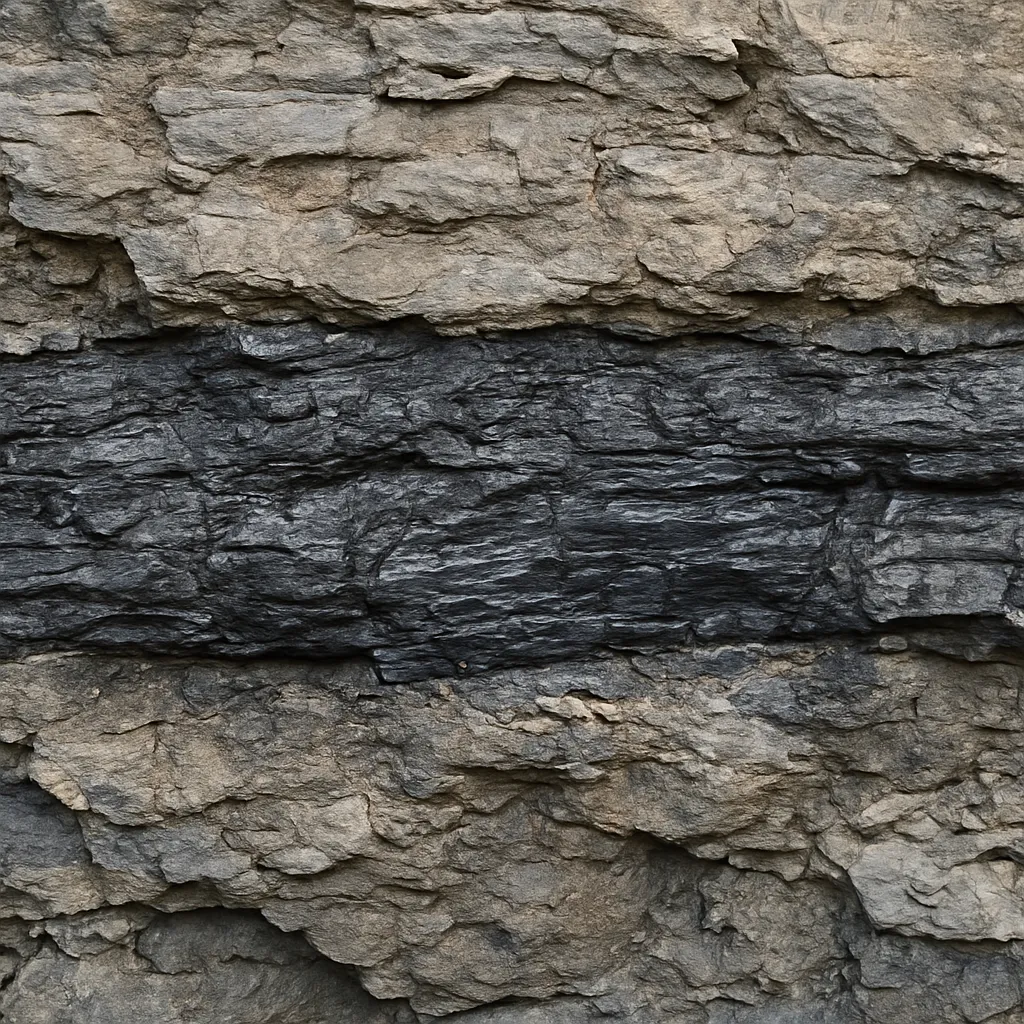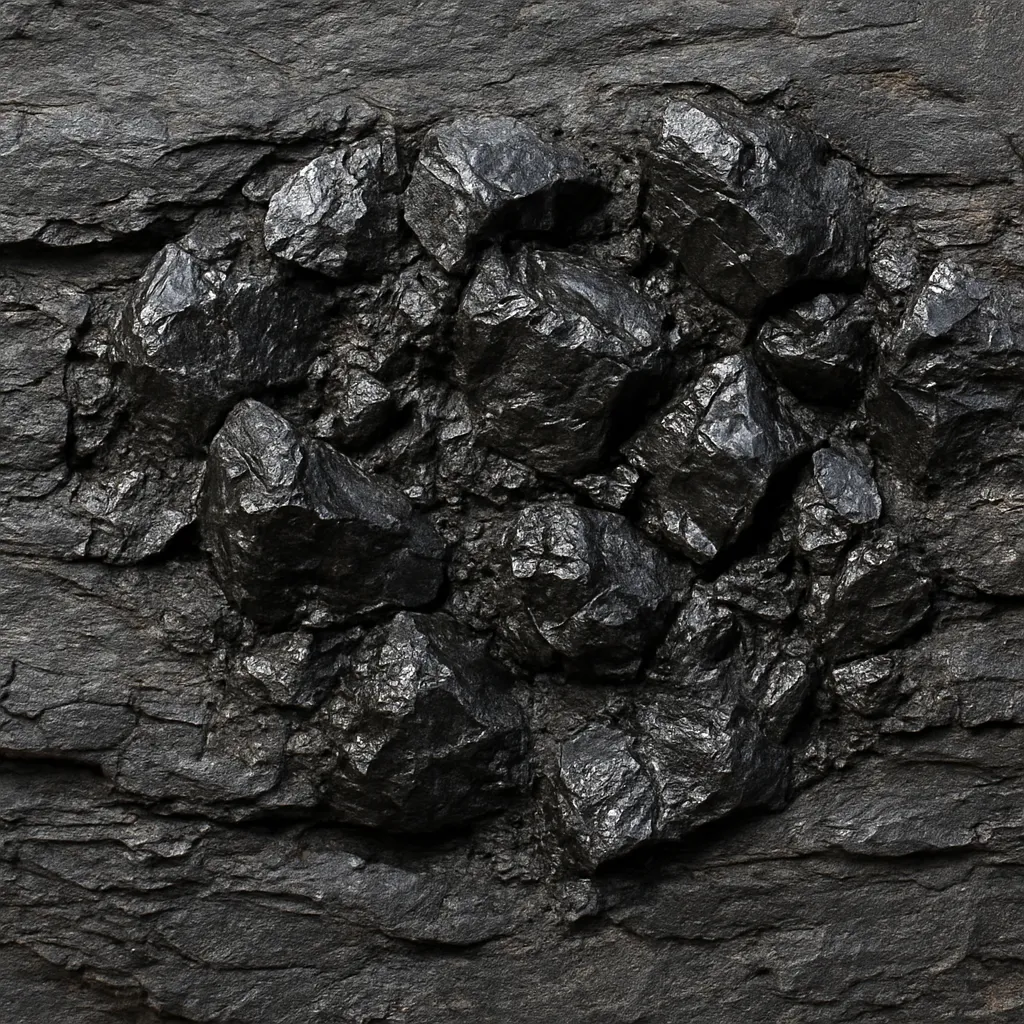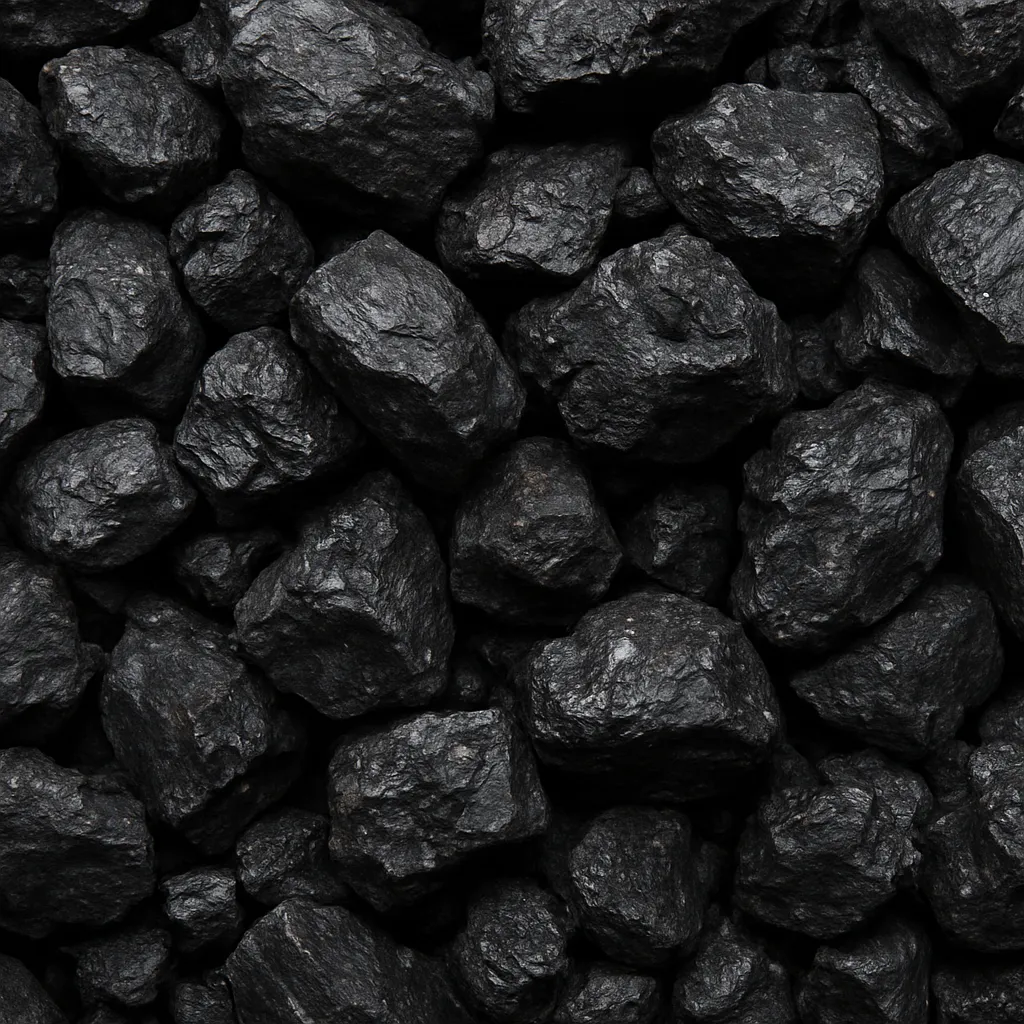
Shaly coal is a common but often misunderstood variety of coal characterized by significant admixtures of clay and silt-size minerals. It occupies an important niche in the global coal industry: plentiful in many basins, challenging to process, and versatile in its applications. This article reviews the geological nature of shaly coal, its global occurrence and major producing regions, economic and industrial roles, processing and technological solutions, environmental and health issues, and prospects for the future. Wherever appropriate, the text highlights available statistics and practical information useful for geologists, engineers, policy makers and industry observers.
Geology and physical-chemical characteristics
Shaly coal is best described as an argillaceous or clay-bearing bituminous material formed in peat-forming environments where periodic influxes of fine clastic sediment occurred. The clay and silt components commonly include minerals such as kaolinite, illite, chlorite and sometimes authigenic clays formed during early diagenesis. Chemically and physically, shaly coal differs from cleaner coals in several key ways:
- Higher ash content — the mineral matter brought in with clay and silt increases the residual ash after combustion or gasification.
- Lower calorific value per tonne compared with purer bituminous or anthracitic coals due to the inert mineral fraction and often higher inherent moisture.
- Variable sulfur and trace metal content — shaly intervals may be associated with elevated concentrations of pyritic sulfur, mercury, arsenic or other trace elements depending on source-area geology and depositional redox conditions.
- Heterogeneous texture — shaly coal seams often display banding or streaking with alternating coal-rich and mineral-rich layers, which complicates mining and beneficiation.
Petrographically, shaly coal may show maceral assemblages typical of peat swamps (vitrinite, inertinite, liptinite) but with abundant mineral inclusions. On a depositional scale, these coals reflect fluctuating water levels, periodic sediment influx from rivers or storms, or proximity to clastic-dominated environments such as delta fronts. The term shaly distinguishes these coals from cleaner “free-burning” or “coking” coals but does not define a single grade — shaly coal spans a range from lignite to higher-rank bituminous categories depending on burial and maturation.
Occurrence and major producing regions
Shaly coal occurs worldwide wherever ancient peat-forming environments were periodically invaded by fine clastic sediment. Some of the most notable basins and countries where shaly coal is commonly encountered include:
- European Carboniferous basins: the Upper Silesian Basin (Poland), Ruhr (Germany), and several UK coalfields host numerous shaly seams and interbands within Carboniferous strata.
- North American basins: Appalachian coals, the Illinois Basin and parts of the Powder River and western basins contain shaly intervals, especially in seams formed in dynamic fluvial–deltaic environments.
- Russian and Central Asian basins: Permian and Carboniferous deposits often contain argillaceous coals.
- Asian basins: many Chinese coalfields (Shanxi, Shaanxi, Inner Mongolia) include shaly seams, as do Indonesian and Australian deposits, often where fluvial input was substantial.
- Southern Hemisphere deposits: parts of South Africa’s Karoo and various basins in South America and Australia present shaly coal horizons.
Quantitatively, data specifically isolating “shaly coal” volumes are rarely reported in standard national or international statistical collections. Coal statistics are usually categorized by rank (lignite, sub-bituminous, bituminous, anthracite) and by use (thermal, coking). Nevertheless, a useful context is global coal production: in recent years (2020–2023) global primary coal production has typically ranged around 7–8 billion tonnes per year, with large regional variability. Within individual basins, shaly coal can represent anything from a few percent of total coal tonnage up to tens of percent of seam thickness in particularly argillaceous sequences. For example, in some Carboniferous seams in Europe shaly bands may account for 10–30% of seam thickness; in deltaic seams the proportion can be even greater depending on local sediment supply.
Mining, processing and beneficiation
Extracting and preparing shaly coal presents operational challenges but also opportunities for innovation. Mining methods (underground longwall, bord-and-pillar; surface open-cut) are chosen according to seam geometry and cover. The presence of shale or clay bands can increase the risk of roof instability and make fragmentation during cutting or drilling more complex. Key processing and beneficiation steps include:
- Crushing and screening to size-separate mineral-rich fines and to optimize feed for thermal or metallurgical processes.
- Coal washing / dense medium separation to remove the bulk of the mineral matter. Fine fractions that carry much of the clay are more difficult to wash and may require fine coal technologies such as hydrocyclones, spirals and flotation.
- Drying and dewatering — shaly coals often retain more water; thermal or mechanical dewatering is necessary to improve calorific value and handling.
- Briquetting or pelletizing — low-rank or high-ash shaly coal can be converted into densified products to improve transport economy and combustion characteristics.
- Blend formulation — shaly coal is frequently blended with higher-rank, lower-ash coals to achieve specifications required by power plants or industrial users.
Beneficiation economics are central: if the cost of cleaning and dewatering exceeds the market discount for shaly coal, it is commonly used near the mine for local thermal generation, sold at a low price, or processed into alternative products such as fuel for cement kilns. Advanced approaches such as chemical leaching, agglomeration and flotation with tailored reagents can improve ash removal but add cost and complexity.
Industrial uses and economic significance
Despite lower intrinsic quality relative to many non-argillaceous coals, shaly coal remains economically significant for several reasons:
- Abundance and local availability — in many regions shaly coal is the dominant coal type and supplies the domestic market for electricity generation, district heating and industrial fuel.
- Cost competitiveness — because of its higher ash and lower calorific value, shaly coal is typically priced below premium thermal or coking coals, making it attractive for fuel-intensive industries with tolerant furnace technology.
- Suitability for specific technologies — fluidized bed combustion and some gasification technologies tolerate higher ash and moisture and can use shaly coals efficiently; co-firing with biomass is another route to maintain plant viability and reduce net CO2 intensity.
- Role in non-energy industries — when ground to fine powders, shaly coal can serve as a raw material in cement kilns or for certain metallurgical fluxing roles where the ash composition is acceptable.
Metallurgical applications such as coke-making generally require low-ash, low-volatile coals; most shaly coals are not suitable for primary coking processes without extensive beneficiation. Nevertheless, small amounts of argillaceous coal can be blended into cokebanks under controlled conditions. In economic terms, shaly coal often supports local employment and energy security when higher-grade coals are scarce or costly to import.
Environmental, health and regulatory considerations
The environmental footprint of shaly coal is shaped by its mineralogy and trace element content. Important issues include:
- Combustion emissions — higher ash content increases particulate emissions unless controlled by modern electrostatic precipitators or baghouses. Ash disposal volumes are larger and require engineered landfills or use in construction materials.
- Trace elements — clay-rich coals may concentrate mercury, arsenic, and other elements that can volatilize during combustion or leach from ash, necessitating monitoring and mitigation.
- Acid mine drainage (AMD) — when pyritic sulfur is present in shaly coal or associated strata, exposure to oxygen and water during mining can generate acidic waters that mobilize metals, affecting water quality downstream.
- Occupational health — dusts from shaly coal can contain respirable crystalline silica depending on the clay mineralogy, elevating the risk of silicosis and other respiratory illnesses if not properly controlled.
- Greenhouse gas emissions — on a per-energy basis, high-ash, high-moisture coals generally yield higher CO2 emissions per tonne of product energy delivered because of lower thermal efficiency and greater handling losses.
Regulatory frameworks in many countries impose limits on emissions (SOx, NOx, particulates, mercury), ash disposal standards, and water protection measures, which affect the cost and feasibility of exploiting shaly coal deposits. Modern mines invest in tailings management, water treatment plants, and progressive land rehabilitation to meet regulatory and social license requirements.
Technological responses and innovations
Because of its challenges, shaly coal has stimulated technological innovation across several fronts:
- Improved beneficiation for fine particles — novel reagents, column flotation and enhanced gravity separation enhance ash rejection for fines that traditionally were discarded as slurry waste.
- Advanced combustion systems — circulating fluidized bed (CFB) boilers operating at lower temperatures can handle higher ash and sulfur contents while using limestone sorbents to capture SO2 in-situ.
- Coal upgrading technologies — mild thermal drying, torrefaction and hydrothermal carbonization can increase energy density and improve grindability, creating higher-value products from shaly coal.
- Gasification and combined-cycle systems — integrated gasification combined cycle (IGCC) plants can convert lower-quality coal into synthesis gas for power and chemicals with potentially better emissions control, although capital costs are high.
- Mine methane recovery — although permeability is often low in shaly seams, where coalbed methane is present, degassing and methane capture can provide an ancillary revenue stream and reduce greenhouse gas emissions from mining.
- Carbon capture and storage (CCS) and utilization — some research explores CO2 adsorption in coal seams and CO2-enhanced methane recovery, as well as use of ash in geopolymers and construction materials to reduce waste volumes.
Economic statistics and market dynamics
As noted above, detailed global statistics specifically for shaly coal are not consistently separated in public data. However, several economic and market patterns are relevant:
- Global coal production in recent years has fluctuated in response to energy demand and policy, typically around 7–8 billion tonnes/year (combined thermal and coking coal).
- Price differentials — shaly coal typically trades at a discount to cleaner thermal coals. The discount depends on proximate transport costs, ash and moisture content, and the availability of local markets that can accept higher-ash fuel.
- Regional reliance — many countries with limited access to high-grade coal rely heavily on local shaly coals for thermal power and industrial fuel, influencing national energy security and trade balances.
- Export dynamics — coarse, low-ash coals are favored in seaborne markets, while low-quality shaly coals are more likely to be used domestically or domestically upgraded before export.
To illustrate broader context, a few approximate numbers for global coal trade and production are useful (rounded, recent period averages): China produces roughly half of global coal (≈3.5–4.0 billion tonnes), India around 700–900 million tonnes, the United States around 400–600 million tonnes, and Australia around 400–500 million tonnes (noting Australia’s large share of exports). Seaborne markets are led by Australia and Indonesia as major exporters. These figures underscore that the majority of coal tonnage worldwide is consumed domestically where it is mined; this makes shaly coals especially important in local economies and energy systems even if they are not dominant in international premium markets.
Social, reclamation and post-mining uses
Mining of shaly coal carries social and land-use implications. Because it often co-occurs with complex geology, operations can produce large volumes of waste and require careful community engagement. Reclamation approaches include:
- Backfilling and regrading of spoil heaps and open pits to restore topography and reduce erosion.
- Covering and capping of tailings to limit oxygen ingress and reduce acid generation potential.
- Constructed wetlands and treatment plants to deal with residual AMD and to protect downstream water bodies.
- Utilization of coal combustion residues in cement and concrete, road base and brick manufacturing where chemical composition allows safe use — turning a disposal problem into an industrial feedstock.
- Adaptive reuse of mined landscapes for recreation, forestry, solar farms or industrial sites, providing a path to post-mining economic activity.
Community health programs and occupational safety improvements are critical in areas with significant shaly coal mining. Dust control, silica monitoring, and respiratory protection reduce long-term disease burdens among mine workers and nearby populations.
Future outlook and strategic considerations
The future role of shaly coal will be shaped by several interacting trends:
- Energy transition policies — as governments aim to reduce greenhouse gas emissions, demand for all coal types is pressured, but lower-grade domestic coals may persist in regions with constrained energy alternatives.
- Technology adoption — if cost-effective upgrading, gasification, or CCS becomes more widely deployed, shaly coal’s marketability could improve by enabling cleaner use or conversion to higher-value products.
- Local resilience — in many economies, shaly coal supports local jobs, power reliability and industrial processes; social and political considerations can slow rapid closures despite environmental goals.
- Resource optimization — improved mine planning, beneficiation and co-utilization strategies (e.g., blending, co-firing with biomass) will determine how much of existing shaly coal reserves remain economically exploitable.
Research priorities that would improve the outlook include better trace-element mapping to inform safe ash reuse, cost-effective fine-coal recovery methods, and low-carbon technologies tailored to high-ash coals. There is also scope for circular-economy solutions that valorize ash and tailings in building materials and infrastructure.
Concluding remarks
Shaly coal is neither the most glamorous nor the highest-grade member of the coal family, but it plays a vital practical role in many regional energy systems and industrial supply chains. Its key characteristics — elevated ash content, variable moisture and mineralogy — pose technical and environmental challenges that can be mitigated through targeted beneficiation, modern combustion/gasification technologies and stringent environmental management. From an economic perspective, shaly coal’s value depends heavily on proximity to markets, processing costs and regulatory frameworks. As the world navigates the energy transition, shaly coal will likely continue to be important in local contexts while engineering and policy solutions determine the extent to which it can be used safely and efficiently with lower environmental impact.