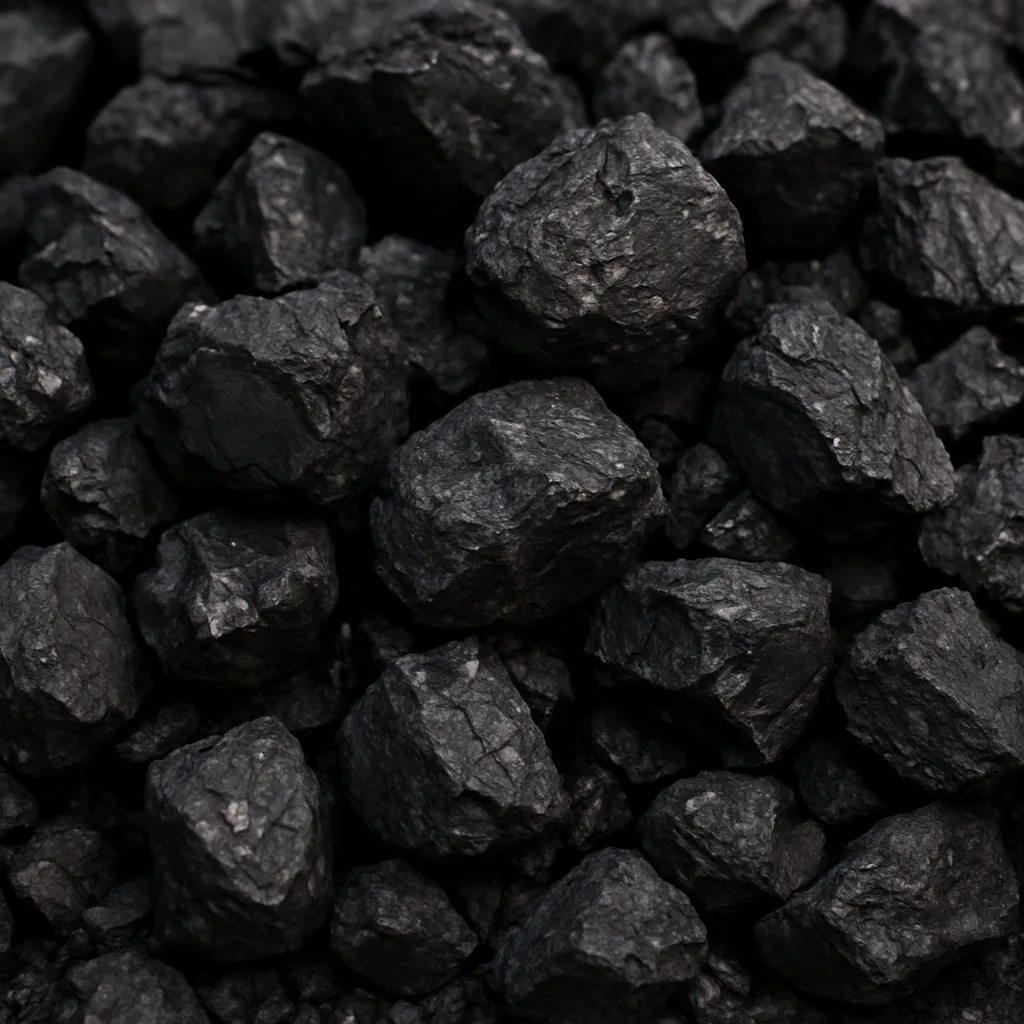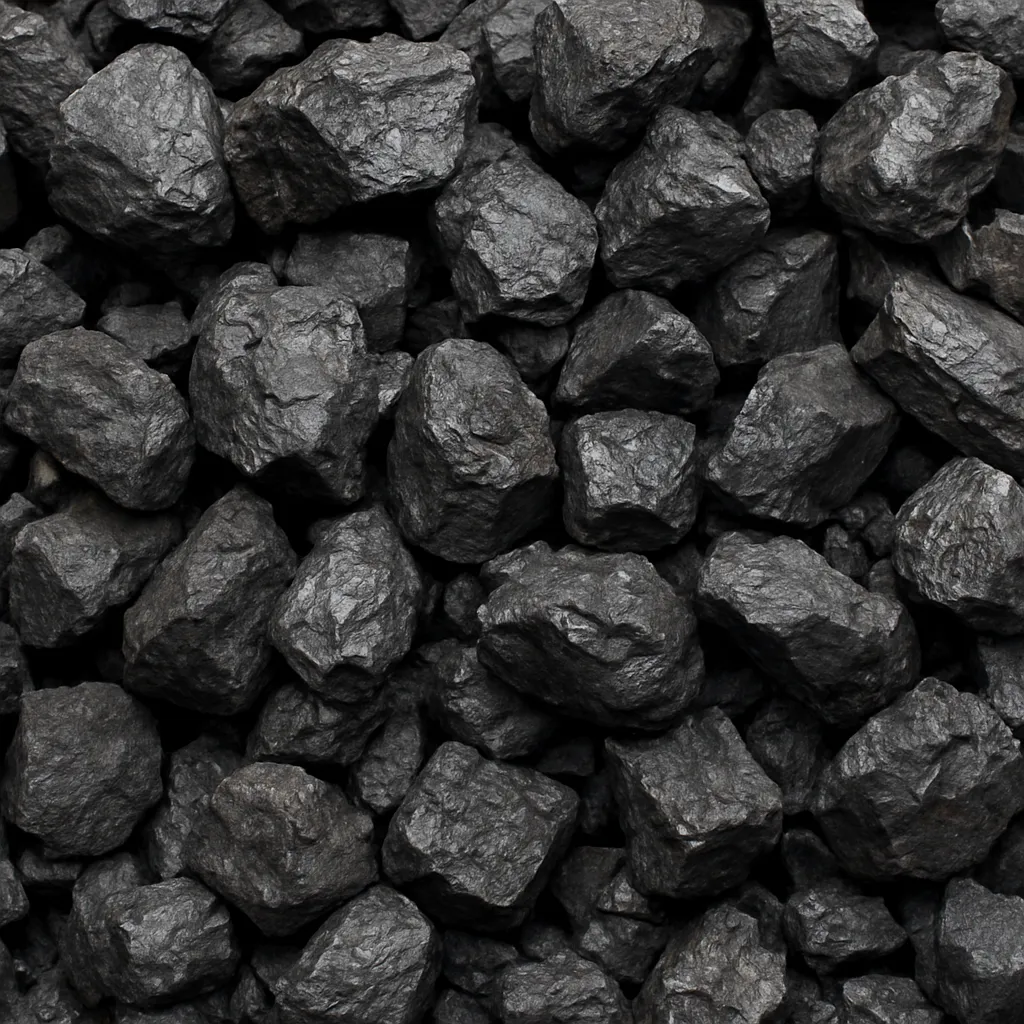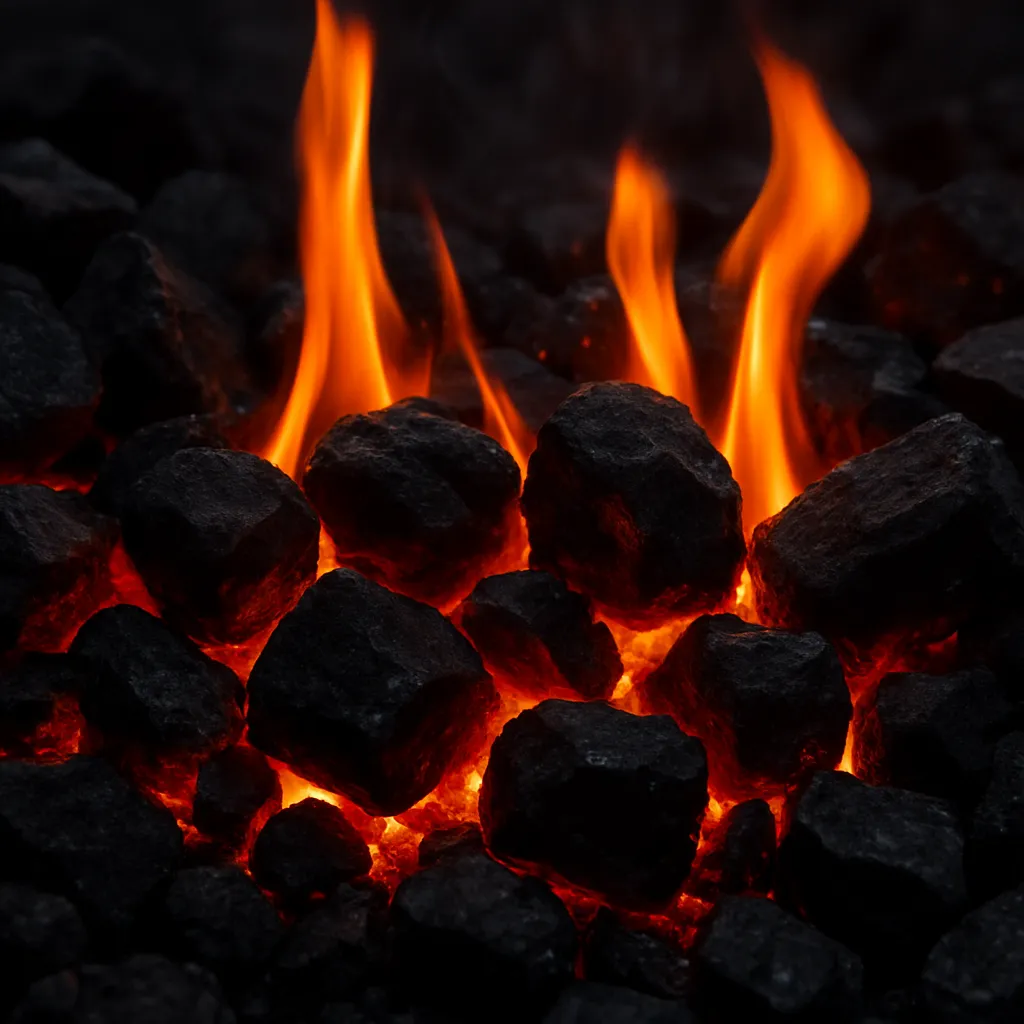
This article examines the coal commonly associated with the phrase “Reburning coal” — both as a combustible fuel and in the context of reburning technologies used in coal-fired power generation. It reviews where this coal occurs geologically, where it is mined and traded, the economic and industrial roles it plays, statistical trends and figures, and the technological and environmental challenges that shape its present and future. The aim is to provide a comprehensive overview useful for policymakers, industry professionals, students and informed readers.
Geology, Occurrence and Types of Coal
Coal is a sedimentary rock formed from the remains of ancient vegetation that accumulated in swamps and peatlands and was subsequently buried, compressed and heated over geological time. Coal types vary based on carbon content, rank and energy value: peat (the precursor), then moving through lignite (brown coal), sub-bituminous, bituminous, and finally anthracite, which has the highest fixed-carbon content and calorific value. Each rank exhibits different physical and chemical properties that determine its suitability for power generation, metallurgical processes and other industrial uses.
Geographic Distribution
- Coal deposits occur on every continent except Antarctica in significant commercial quantities, with major basins located in Asia, North America, Europe, Australia and parts of Africa and South America.
- Notable coal-bearing regions include the Powder River Basin and Appalachian Basin in the United States, the Ordos and Shanxi basins in China, the Kuznetsk Basin in Russia, the Bowen Basin in Australia, the Jharia and Raniganj fields in India, and the Witbank and Highveld areas in South Africa.
- Coals differ locally in moisture, ash, sulfur content and trace elements, which affect handling, emissions and value.
Coal Quality and Uses
Quality parameters include calorific value (kcal/kg or MJ/kg), sulfur content, ash yield, and volatile matter. High-rank coals (bituminous and anthracite) are preferred for metallurgical coke production used in steelmaking, whereas lower-rank coals (lignite, sub-bituminous) are largely used for electricity generation. Some coals are specially suited for coke-making because of their plasticity and caking properties; these coals command a premium in international markets.
Mining, Production and Global Trade
Coal extraction methods range from surface (open-pit, strip mining, mountaintop removal) to underground (room-and-pillar, longwall) operations. Surface mining dominates where thick seams occur near the surface and allows lower production costs per tonne; deep seams require underground techniques and entail higher capital and safety considerations.
Major Producers and Exporters
- China is the world’s largest coal producer and consumer, with production concentrated in large northern and north-central basins. China’s industry is a mix of state-owned giants and many smaller operations; the country relies heavily on domestic coal for electricity and industry.
- India is another major miner and consumer, with large state-run companies supplying a majority of domestic demand for power and industry.
- United States remains a major producer with substantial reserves; production has shifted geographically over time and is influenced by market demand and environmental regulation.
- Indonesia and Australia are leading exporters: Australia is a major supplier of high-quality metallurgical coal and thermal coal to Asia, while Indonesia exports large volumes of lower-cost thermal coal mainly to Southeast and East Asia.
- Russia and South Africa also figure among the top producers and exporters, with particular strengths in metallurgical coal and seaborne thermal markets respectively.
Production and Consumption Trends
Worldwide coal production and consumption have been shaped by economic cycles, energy prices, and climate policies. Over the last two decades, coal remained a central fuel for power generation in many countries, although its share has fallen in some advanced economies due to a shift to natural gas, renewables and policy-driven retirements. At the same time, rapid industrialization and urbanization in some emerging economies led to growing demand for coal-fired power and steelmaking feedstock.
- Global production and consumption figures tend to be in the order of multiple billions of tonnes annually; the bulk of this is used for power generation and industrial heat.
- Seaborne coal trade (export-import flows) is a fraction of global production but remains crucial to regional balances — exporters like Australia, Indonesia and Russia supply distant markets, while large consumers with limited domestic supply rely on imports.
Economic and Industrial Significance
Coal has been a backbone of industrialization since the 18th century. Its significance remains multifaceted:
- Electricity generation: Coal-fired plants provide baseload power and grid stability in many countries. In regions with abundant coal the fuel has historically supported affordable electricity.
- Steel and cement industries: Metallurgical coal is indispensable for blast-furnace steelmaking where it is converted into coke, a reducing agent and heat source. Coal-derived heat also underpins cement kilns and other industrial processes.
- Employment and regional economies: Coal mining sustains direct and indirect jobs in mining regions, supporting local supply chains, transport infrastructure and communities.
- Energy security: For coal-rich countries, domestic coal reduces dependence on imported fuels and supports energy autonomy.
Market Dynamics and Pricing
Coal prices are influenced by supply-demand balance, transportation costs, freight rates for seaborne coal, quality differentials (thermal vs metallurgical), and policy measures (carbon pricing, emissions regulations). Short-term volatility can be significant — for instance, price spikes occur when supply disruptions coincide with heightened demand for winter heating or industrial output.
Economic Externalities
The economic role of coal is counterbalanced by external costs: local air pollution, greenhouse gas emissions driving climate change, and health impacts from particulate matter and other pollutants. These externalities increasingly factor into policy and market valuations, often through regulation, emissions trading systems or phase-out timelines.
Statistics and Key Figures (approximate)
Statistical values vary year by year; the figures below summarize typical ranges and commonly reported magnitudes in recent years (rounded and approximate):
- Global coal production: on the order of several billion tonnes annually (commonly reported in the range of roughly 6–8 billion tonnes in recent years, depending on definitions and data sources).
- Major producing countries (by production share): China (roughly one third to one half of global production in many years), India, United States, Indonesia, Australia, Russia.
- Coal share in global electricity generation: approximately one-quarter to one-third of total electricity, with significant regional variation (higher shares in parts of Asia and lower shares in many OECD countries where gas and renewables have expanded).
- Proven reserves: coal remains one of the most abundant fossil fuels with several hundred billion tonnes of economically recoverable reserves worldwide, concentrated in a few countries (for example, the United States, Russia, Australia, China and India together hold a large portion of global reserves).
- Trade flows: a substantial fraction of global thermal coal consumption is supplied by seaborne trade; major export volumes come from Australia, Indonesia and Russia, while major importers include China, India, Japan, South Korea and some European countries.
Environmental, Health and Regulatory Context
Coal combustion emits carbon dioxide (CO2), nitrogen oxides (NOx), sulfur dioxide (SO2), particulate matter (PM), mercury and other trace pollutants. These emissions contribute to climate change, acid rain, smog and health burdens. Key policy responses include emissions standards, flue gas desulfurization, low-NOx burners, particulate control devices (electrostatic precipitators, baghouses), and economic instruments such as carbon pricing.
Climate Policies and Coal
Global climate commitments and national policies increasingly pressure coal use. Many countries have set timelines to phase down or retire coal-fired capacity, particularly in OECD regions. Nevertheless, some regions continue to build coal plants to meet growing electricity demand or because of constrained alternatives, placing coal transition at the center of energy and social policy debates.
Health Impacts
Combustion-related air pollution from coal-fired plants contributes to respiratory and cardiovascular diseases and imposes measurable public health costs. Upgrades to pollution controls can reduce these harms but do not eliminate CO2 emissions without additional measures such as carbon capture.
Reburning Technology and Emission Controls
“Reburning” is a combustion modification technique used in coal-fired boilers to reduce nitrogen oxide (NOx) emissions. It involves creating a staged combustion environment where a portion of the fuel is burned in a fuel-rich zone (the reburn zone) and a secondary fuel is injected downstream to complete combustion. The chemistry in the reburn zone promotes reduction of NOx back to molecular nitrogen (N2) rather than formation of NOx.
How Reburning Works
- Primary combustion in the main burner produces NOx as usual.
- In the reburn zone, a supplemental fuel (gas, oil, or even pulverized coal or biomass) is injected and burned under fuel-rich conditions. Radical chemistry (e.g., hydrocarbon radicals) converts NOx species to N2.
- Final burnout occurs in a burnout zone with added air to ensure complete combustion of remaining fuel and to limit CO and unburned hydrocarbons.
Reburning can achieve significant NOx reductions (often in the 50–70% range under optimized conditions), but efficiency and cost depend on boiler design, choice of reburn fuel, and operational flexibility. Reburning is one option among many NOx control strategies, including low-NOx burners, selective catalytic reduction (SCR), and selective non-catalytic reduction (SNCR).
Reburning with Coal or Biomass
Reburning can use natural gas as the reburn fuel, but it can also employ coal or biomass in certain retrofit applications. Using part of the coal stream as the reburn fuel can simplify fuel logistics but may reduce overall thermal efficiency or complicate ash handling. Co-firing biomass as the reburn fuel offers potential co-benefits: reduced net CO2 emissions (depending on biomass sourcing), utilization of waste fuels, and improved emissions profiles. However, fuel availability, combustion characteristics and costs determine suitability.
Integration with Carbon Capture
When coal combustion is coupled with carbon capture and storage (CCS), reburning may still be applied for local NOx control, but CCS adds capital and operational costs and interacts with plant thermodynamics. Policy support, learning-by-doing, and economies of scale are important for lowering CCS costs in coal applications.
Economic and Policy Considerations for Reburning and Coal Use
Decisions about deploying reburning, retrofitting plants with emissions control, or retiring coal capacity hinge on multiple factors:
- Regulatory limits on NOx, SO2 and particulate emissions — stricter standards raise the incentive for retrofits or operational changes.
- Carbon pricing or climate commitments that increase the cost of unabated CO2 emissions and make low-carbon alternatives more competitive.
- Fuel markets and logistics: the availability and price of reburn fuels (e.g., natural gas) affect operating costs and the economic viability of conversion.
- Plant age, remaining asset life and capital availability influence whether operators invest in upgrades or choose early retirement.
- Socioeconomic considerations in coal-producing regions (employment, fiscal revenues) which may drive policy measures to support transition pathways, retraining, and diversification.
Trends, Challenges and Future Outlook
Coal’s role in the global energy mix is evolving. Some persistent trends and considerations are:
- In many advanced economies, coal-fired capacity is contracting as renewables and gas replace older coal plants; in contrast, some emerging economies maintain or even expand coal use to meet growing power demand.
- Technological advances (e.g., higher-efficiency ultra-supercritical coal plants, improved emissions controls) can reduce per-unit emissions, but they do not eliminate the climate challenge unless combined with CCS and deep decarbonization strategies.
- Reburning remains a practical emissions-control option for NOx mitigation in existing coal fleets, especially where immediate emission reductions are required and capital for catalytic controls is limited.
- Market and policy shifts, including carbon markets and clean energy targets, will increasingly determine coal’s economic competitiveness and the pace of retirement or retrofit.
Opportunities for Transition
Pathways that minimize social disruption while meeting climate goals include phased coal plant retirements, repurposing sites for flexible gas generation, energy storage or industrial heat supplied by low-carbon fuels, and support for coal-region economic diversification. Where coal remains in use, best practices combine high-efficiency generation, stringent local emissions controls (including reburning where applicable), and a trajectory toward carbon capture or fuel switching.
Interesting and Lesser-Known Facts
- Some coal seams have been turned into economically valuable by-products: gas (coalbed methane) and certain rare trace metals can be extracted as co-products in specialized operations.
- Anthracite, the rarest high-rank coal, has been used historically for domestic heating in some countries because it burns cleanly and with high heat.
- Reburning chemistry leverages transient radical species present in fuel-rich flames — it is an elegant example of using combustion staging to address pollutant formation rather than relying solely on end-of-pipe removal.
- Coal quality can vary significantly even within a single basin; blending of coals is a common practice to meet plant-specific combustion and emissions requirements.
Conclusion
Coal remains a globally significant energy and industrial commodity, deeply entwined with electricity grids, heavy industry and regional economies. Techniques such as reburning offer operational routes to reduce specific pollutants like NOx in existing coal-fired units, while broader strategies such as higher-efficiency plants, emissions controls, co-firing and carbon capture address wider environmental concerns. The trajectory of coal in the coming decades will be determined by a complex mix of resource endowment, economic cost, technological innovation and policy choices driven by climate and public health goals. For countries and companies navigating this transition, balancing energy security, affordability and sustainability will be the dominant challenge.