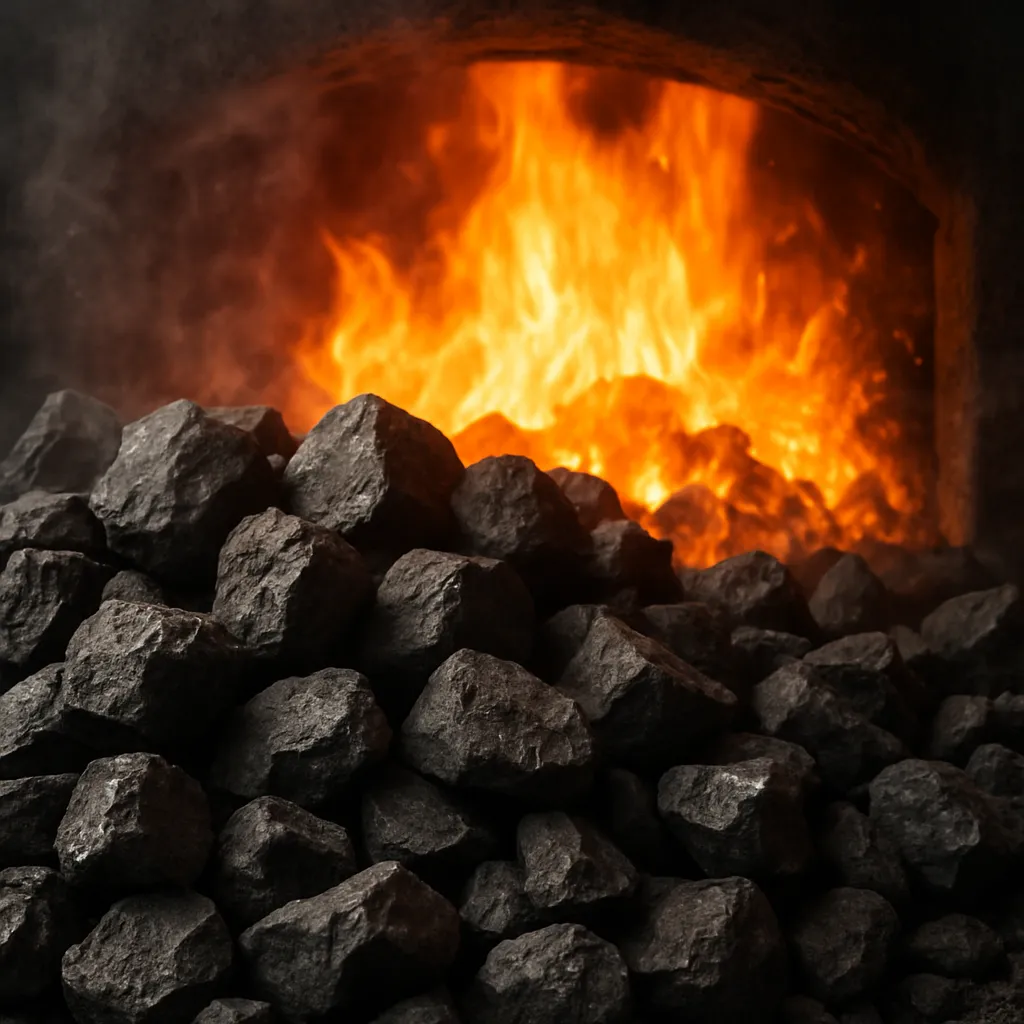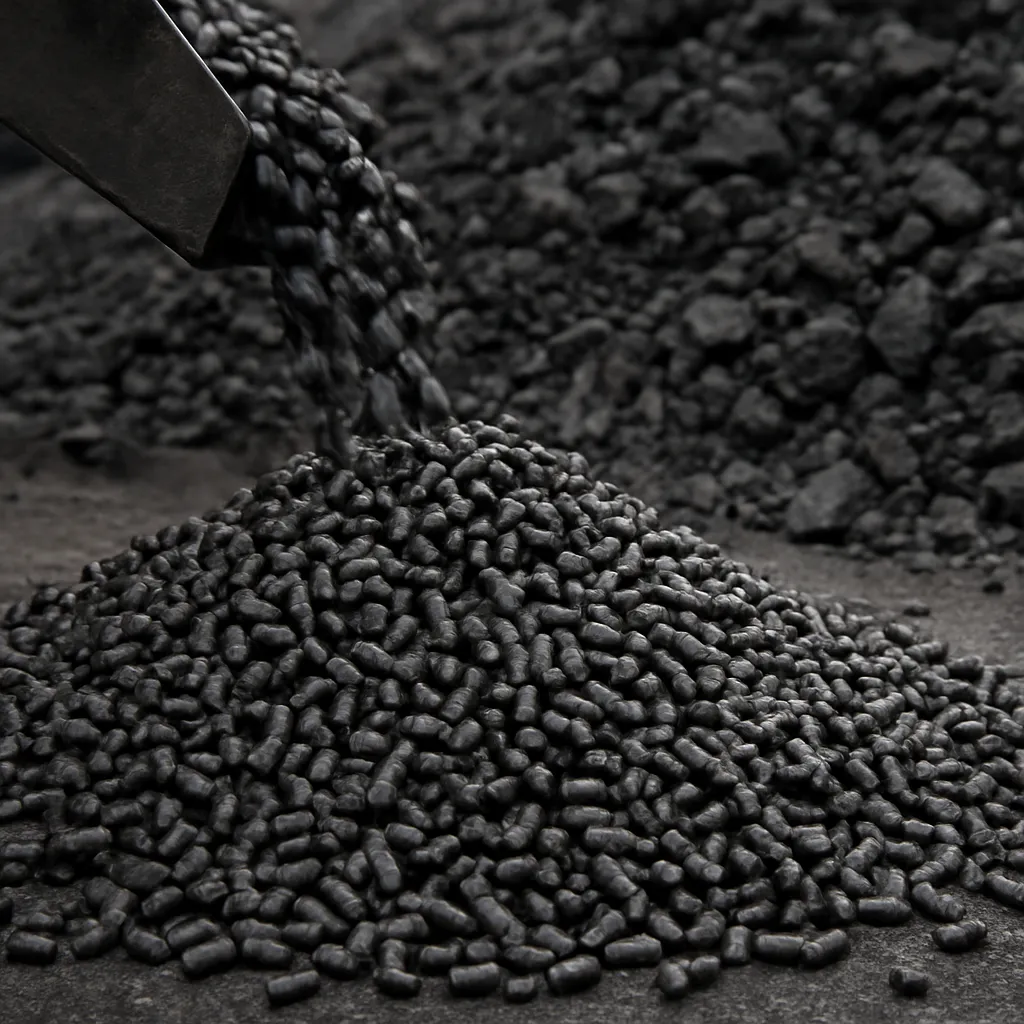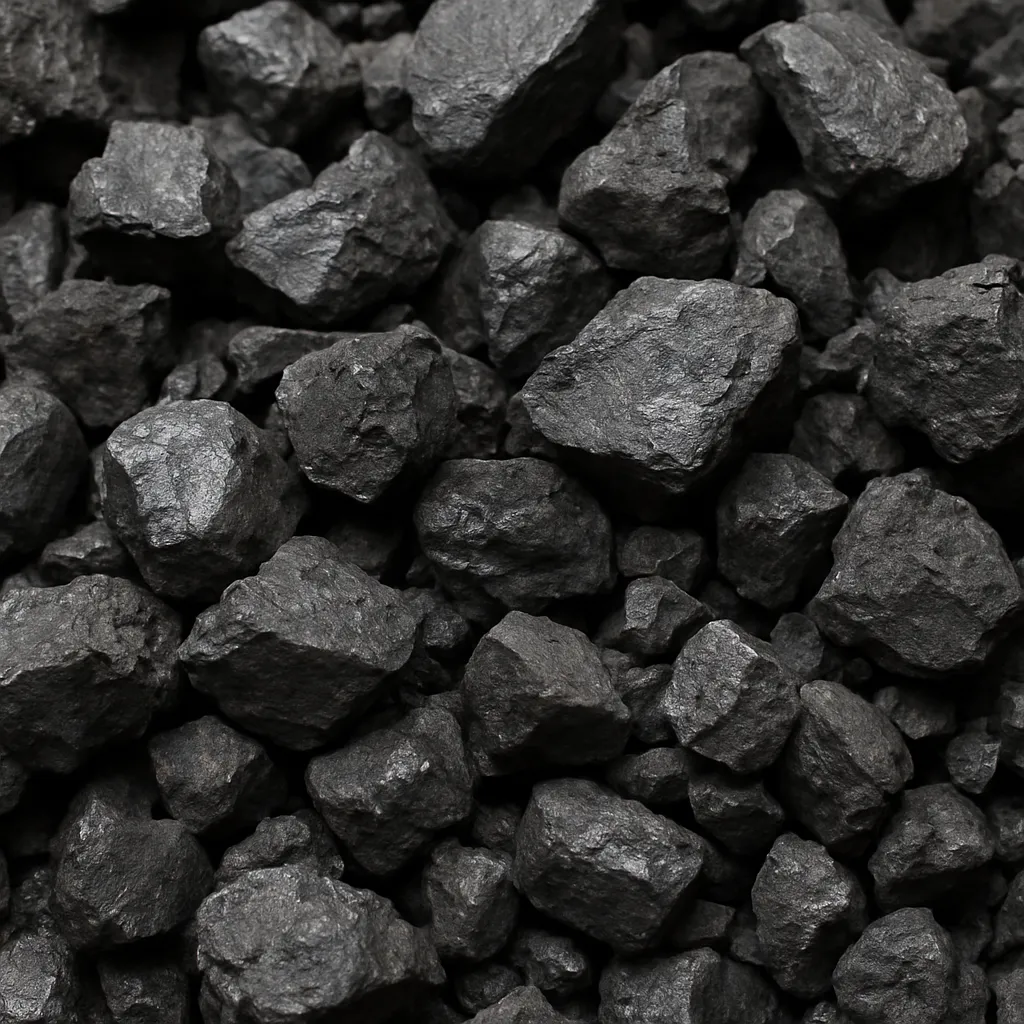
Kiln-fired coal occupies a distinct place within the broad family of solid fossil fuels and processed carbon products. Although the term can refer to several different processes and products, it commonly denotes coal or carbon-bearing feedstocks that have been heated in a kiln or oven to remove moisture, volatiles, or to partially transform the material into higher-value products such as coke, calcined coal, or low-moisture thermal fuels. This article explores what kiln-fired coal means in practice, where these materials and processes are found, their economic and industrial significance, statistical snapshots of production and trade, environmental and social implications, and recent technological and market trends shaping their future.
Understanding kiln-fired coal: definitions and processing methods
The phrase kiln-fired coal can cover several related but distinct processes:
- Coking: High-temperature treatment of specific coals in coke ovens (historically sometimes called beehive ovens or coke kilns) to produce coke, the high-carbon, low-volatile fuel and reducing agent used in iron and steelmaking.
- Calcining: Heating coal or petroleum coke in a kiln to drive off volatile components and moisture, producing a harder, denser product used in industrial applications such as aluminium smelting (anodes) or as a precursor for specialty carbons.
- Drying and stabilizing: Treatment of high-moisture coals (e.g., lignite) in drying kilns or rotary dryers to reduce water content, improving heating value and transportability. Dried coal briquettes are sometimes produced in conjunction with kiln processes.
- Partial pyrolysis for briquette or fuel manufacture: Kilns are used in some small-scale or traditional industries to convert coal fines, biomass blends, or low-grade coal into pressed, kiln-cured solid fuels for household or industrial use.
Technically, the equipment can range from simple shaft kilns and rotary dryers to sophisticated by-product coke ovens and rotary calcining kilns. The process conditions — temperature, residence time, and atmosphere (oxidizing vs inert) — determine whether the output is primarily a low-moisture thermal coal product, a reactive metallurgical coke, or a calcined carbon suitable for specialty uses.
Where kiln-fired coal and related products are produced and mined
Primary coal mining and the secondary processing of coal into kiln-fired products are geographically widespread, but certain regions dominate due to geology, industrial demand, and infrastructure.
Major coal-producing regions
- China: By far the largest coal producer and consumer globally. China extracts vast volumes of coal from large inland basins and continues to host extensive coking and calcining facilities tied to its steel and aluminium industries.
- India: A major producer focused on both thermal and metallurgical coal; local coking coal supply is constrained, giving rise to imports and domestic conversion processes.
- United States and Russia: Both have large coal reserves and significant production of thermal and metallurgical coals; the U.S. market includes regions with coking coal for steelmaking.
- Australia and Indonesia: Key exporters of thermal and metallurgical coals. Australia is an important source of high-quality coking coal for global steelmakers; Indonesia is a dominant exporter of lower-rank thermal coal used in power generation and industry.
- South Africa: Large coal production, with a significant metallurgical coal component and a long history of coal-to-liquids and coal processing industries.
Where kiln processing tends to cluster
- Steelmaking regions: Kilns and coke ovens are concentrated near major integrated steel complexes, where coking coal is converted on-site or nearby to produce coke for blast furnaces.
- Aluminium and electrode manufacturing hubs: Facilities that require calcined petroleum or coal-based coke for anode and electrode production have associated calcining kilns.
- Areas with abundant low-rank coal (lignite): Drying and briquetting kiln operations are common where high-moisture coal would otherwise be uneconomic to transport or inefficient to burn.
- Export terminals and coal blending centers: Thermal coal drying and blending facilities are often located near ports to prepare coal for shipping and to meet customer specifications.
Economic, trade, and statistical overview
Coal remains a major global commodity with significant volumes, entrenched markets, and important implications for energy security and industrial supply chains.
Global production and consumption trends
- Global coal production has historically been measured in the order of several billion tonnes per year. In the early 2020s, annual world coal production was roughly in the range of about 7–8+ billion tonnes, with fluctuations driven by demand for power, industrial activity, and regional policy changes.
- China accounts for a very large share of both production and consumption — often near or above half of global consumption in certain years — reflecting its heavy reliance on coal for power generation and industry.
- Key consuming sectors include electricity generation (where coal often supplies a large fraction of baseload power in many countries) and the steel industry (which depends on metallurgical coal/coke).
International trade and major exporters
- Australia and Indonesia are consistently among the world’s largest coal exporters, shipping hundreds of millions of tonnes annually to markets in Asia and beyond. Australia is notable for high-quality coking coal exports; Indonesia is a major supplier of thermal coal.
- Export volumes and prices are sensitive to global economic cycles, shipping costs, regional weather (e.g., droughts or floods affecting operations), and political developments (trade restrictions, tariffs, or sanctions).
- Price signals for both thermal coal and metallurgical coal can be volatile, with spot markets reacting strongly to supply disruptions, stock levels, and shifts in demand from large consumers such as China, India, Japan, and South Korea.
Employment and regional economic dependence
The coal sector provides direct employment — miners, plant operators, logistics staff, and processing workers — and substantial indirect employment in supplying industries and local services. In many countries and regions, coal mining remains a major economic driver, supporting towns and regions where alternative livelihoods are limited. Estimates of employment vary widely by country and by the extent of mechanization; collectively, coal-related sectors employ millions of people worldwide when direct, indirect, and induced jobs are combined.
Industrial significance and applications
Certain industrial processes rely on specific qualities of kiln-fired and otherwise processed coal products. The following roles illustrate the material importance:
- Steel production: Coke produced via high-temperature carbonization of coking coals is indispensable for traditional blast-furnace steelmaking. Coke supplies both heat and a reducing chemical environment necessary to convert iron ore to iron.
- Aluminium and electrode industries: Calcined petroleum coke (CPC) and calcined coal products are used to manufacture anodes for aluminium smelting and for graphite electrodes in electric arc furnaces. Kilns are used to achieve the required physical and chemical properties.
- Power generation: Dried and processed coals with lower moisture and controlled particle size are preferred for efficient and cleaner combustion in thermal power plants.
- Cement and ceramics: Coal and coke are used as fuels in cement kilns and as reductants in certain ceramic and chemical processes.
- Domestic and small industrial fuels: In regions where raw coal quality is poor or moisture content is high, kiln-processing to produce briquettes or dried coal provides a more convenient, energy-dense domestic fuel.
Environmental, health, and social impacts
The processing of coal in kilns and subsequent use of the products carries a set of environmental and social consequences that are increasingly central to public policy and corporate strategy.
Air pollution and health
- Combustion of kiln-fired coal products releases particulate matter, sulfur oxides (SOx), nitrogen oxides (NOx), and mercury unless controlled by emission-reduction technologies. Poorly controlled coking ovens and small-scale kilns historically have emitted significant pollutants and carcinogens.
- Outdoor and indoor air quality concerns arise where low-quality coal or kiln-processed fuels are used in small stoves, posing respiratory and cardiovascular risks to local populations.
Climate impacts
Coal is the most carbon-intensive major fossil fuel. Depending on rank and composition, burning one tonne of coal can emit roughly between about 2.2 and 3.8 tonnes of CO2-equivalent; kiln processing itself consumes energy and emits greenhouse gases. Consequently, the carbon footprint of kiln-fired coal products includes both the emissions from processing and the downstream combustion emissions.
Land, water, and waste
- Mining for coal can cause land disturbance, subsidence, and impacts on water quality and local ecosystems. Processing residues, such as coke oven by-products, require careful management.
- Traditional coke and coal-processing sites may contain hazardous wastes (e.g., tar, ammonia liquor, PAHs) requiring remediation.
Regulation, mitigation, and cleaner technologies
Regulatory frameworks and technological responses aim to reduce the environmental footprint of kiln-fired coal and related processes:
- Modern coke plants employ by-product recovery systems that capture and treat gases, producing chemicals and reducing emissions relative to older beehive ovens.
- Flue-gas desulfurization, selective catalytic reduction for NOx, and particulate capture (electrostatic precipitators, fabric filters) reduce stack emissions from coal-fired facilities.
- Coal drying and upgrading technologies reduce on-site emissions and improve boiler efficiency, lowering specific emissions per unit of useful energy delivered.
- Carbon capture, utilization, and storage (CCUS) remains an area of active development for coal-fired power and industrial plants, with pilot projects and some commercial-scale deployments aimed at capturing CO2 from flue gases or industrial processes.
Trends, innovations, and the future outlook
The future for kiln-fired coal and coal processing is shaped by a confluence of market forces, policy signals, and technological change.
- Decarbonization policies and the expansion of renewable energy are reducing coal use in some markets, especially for power generation in regions with strong climate commitments. This trend reduces demand for thermal coal but does not eliminate the need for metallurgical coal for certain steelmaking routes.
- Steel industry transitions: There is growing interest in alternative steel production pathways — for example, electric arc furnaces (EAFs) using recycled scrap, hydrogen-based direct reduced iron (DRI), and other low-emission technologies. These could reduce reliance on coke in the long term, although global steel production growth in developing economies complicates the picture.
- Upgrading and value addition: Kiln-based processing that turns low-value, high-moisture coals into higher-energy, transportable briquettes or into calcined carbons can retain market relevance by improving fuel efficiency and meeting stricter emissions specifications.
- Circular economy and by-product utilization: Modernization of coking and calcining plants includes recovery and valorization of by-products (tars, ammoniacal liquor, light hydrocarbons), improving economic returns and reducing waste streams.
Statistical snapshots and illustrative numbers
Below are approximate figures to provide context. These are presented as rounded and indicative values rather than precise, year-specific statistics.
- Global coal production: on the order of about 7–9 billion tonnes per year in the early 2020s, with year-to-year variability due to economic cycles and policy-driven demand shifts.
- Major producing countries: China often produces several billion tonnes per year; India and the United States each produce hundreds of millions to more than a billion tonnes in aggregate by recent counts; Australia, Indonesia, Russia, and South Africa are also significant producers.
- Share of electricity generation: Coal historically supplied roughly one-third to two-fifths of global electricity generation in the early 2020s, though this share is declining in some regions.
- Proven reserves: Global proved coal reserves have been commonly reported in the order of hundreds of billions to over a trillion tonnes, implying many decades of supply at current consumption levels, though distribution is highly uneven by country.
- Coal exports: Top exporters move hundreds of millions of tonnes annually, with Australia and Indonesia consistently near the top of export rankings.
Interesting historical and technical notes
Some noteworthy facts about kiln-related coal processing and its history:
- Beehive coke ovens—simple dome-shaped kilns—were common in the 19th and early 20th centuries to produce coke for ironworks. These produced little by-product recovery and were phased out in favor of by-product coke ovens that capture valuable chemicals.
- Coke quality (porosity, strength, reactivity) is controlled by the coal blend and carbonization regime; metallurgical-grade cokes are carefully engineered to meet blast-furnace requirements.
- Calcined petroleum coke, derived from petroleum coke rather than mineral coal, plays a critical role in aluminium smelting and in producing conductive carbons used in advanced batteries and specialty applications.
Conclusions and practical considerations
Kiln-fired coal and kiln-processed coal products remain important in specific industrial niches — especially steelmaking and certain specialty carbon industries — and in regions where coal is abundant and infrastructure favors its use. The sector faces persistent environmental and social challenges, and its evolution will hinge on policy choices, technology adoption (including emissions controls and CCUS), and shifts in industrial processes such as steel production. For regions dependent on coal-related employment and revenues, modernization of processing facilities, by-product recovery, and retraining programs for workers are critical elements of a socially sustainable transition. Meanwhile, the technical versatility of kiln-based processing (from drying to calcining to coking) means that coal-derived products will likely continue to play a role in industry for years to come, albeit under increasing pressure to lower emissions and improve resource efficiency.