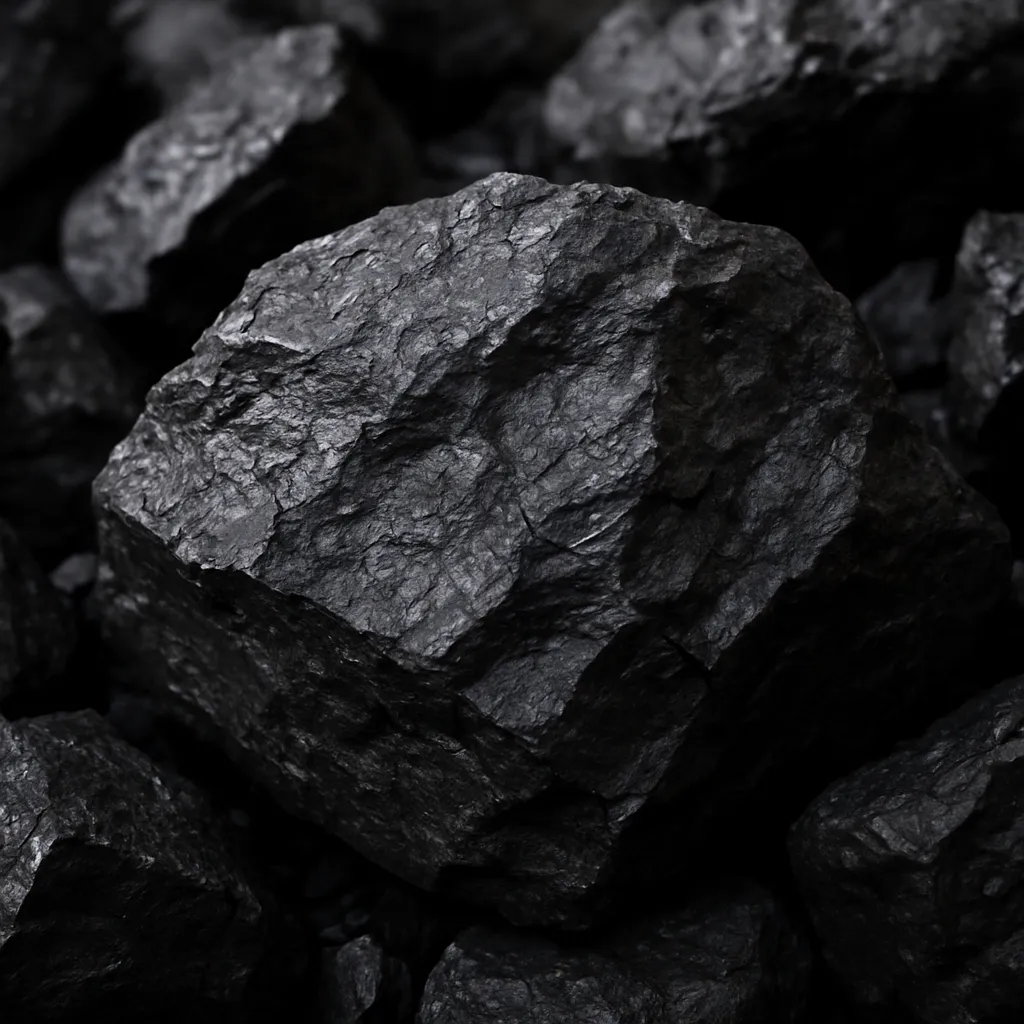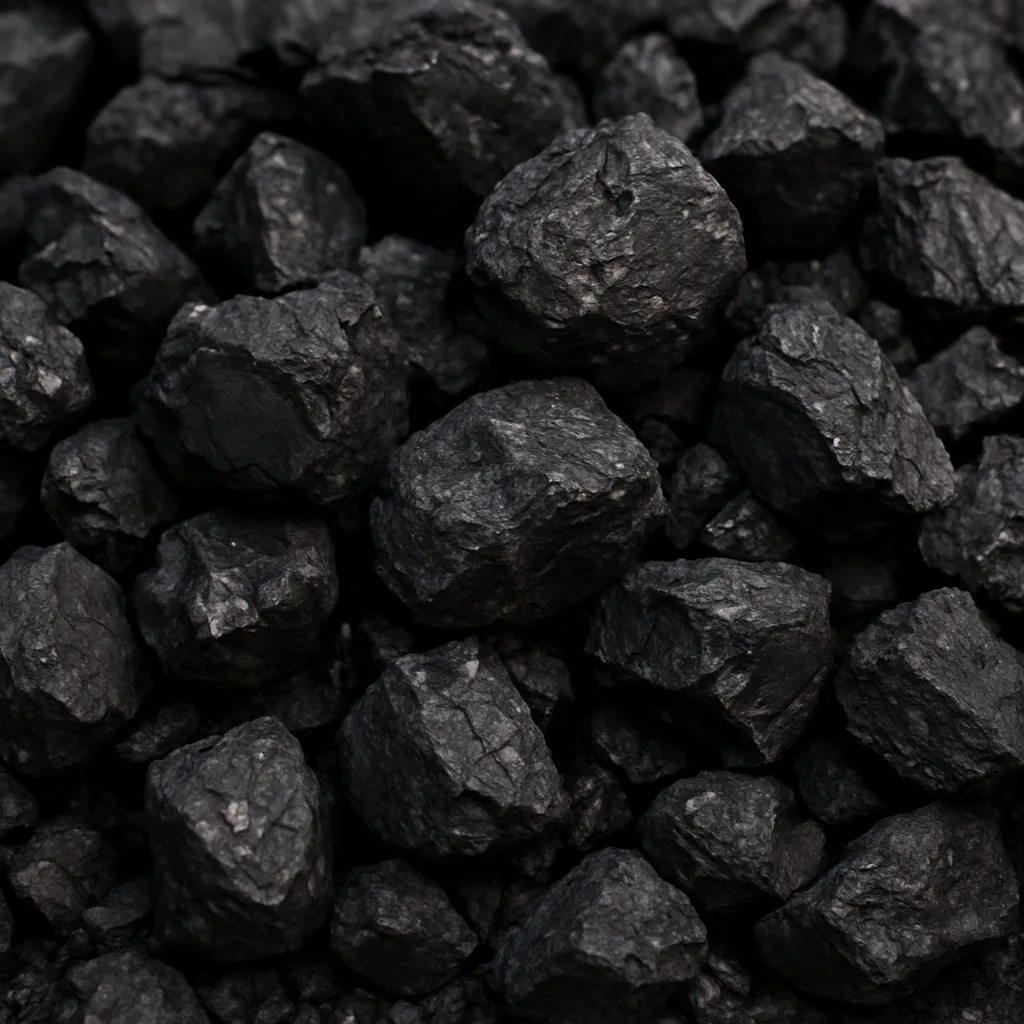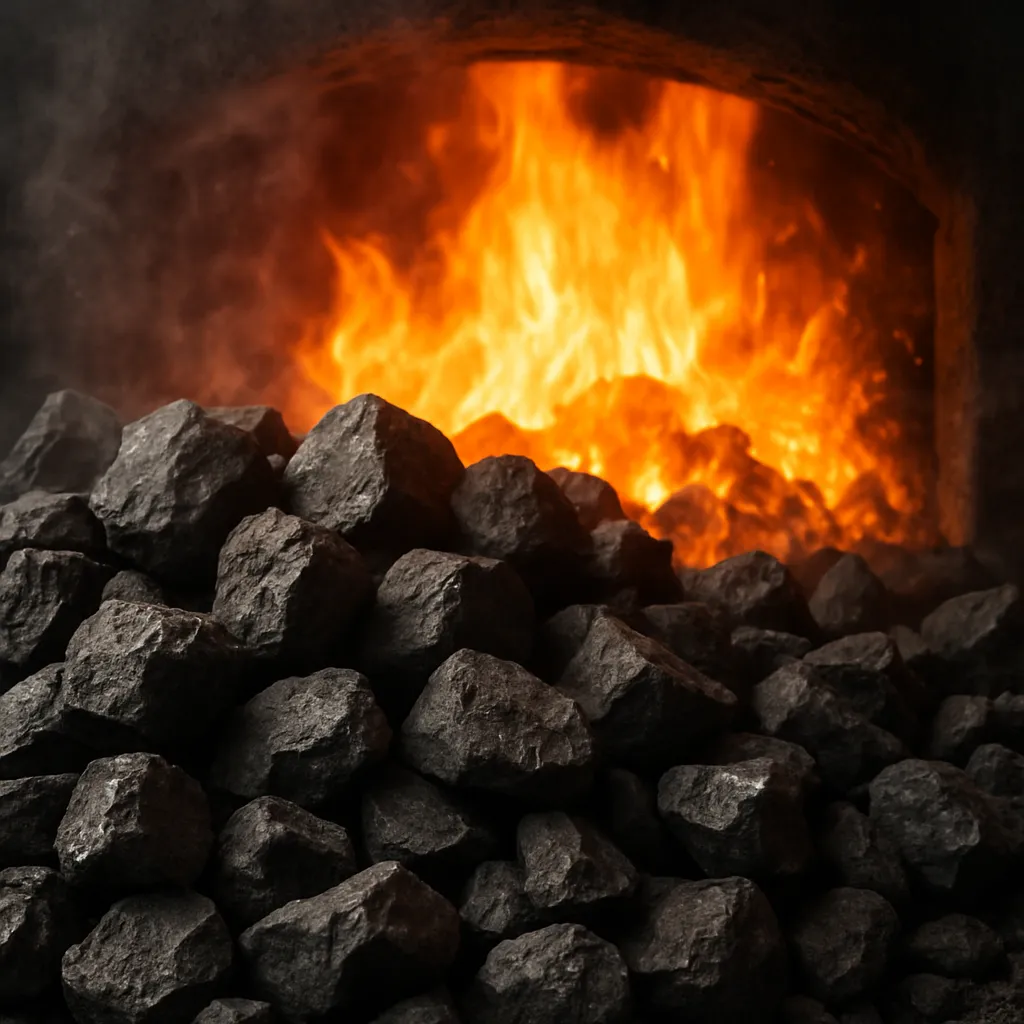
This article examines the coal type commonly used for smelting — often referred to as coking coal or metallurgical coal — its geological occurrence, where it is mined, its economic and statistical significance, and the role it plays in modern industry. The discussion also covers mining and processing methods, international trade flows, environmental and technological trends that influence demand, and projections for the future of coal in metal production. Throughout the text, key terms and concepts are emphasized to help orient readers to the most important aspects of this commodity.
Geology, Types and Where It Occurs
Coal forms from the accumulation and burial of plant material in ancient peatlands, followed by compaction and thermal maturation over millions of years. Not all coal is suitable for smelting. The coal used to produce coke for blast furnaces must have specific physical and chemical properties: lower impurities (especially sulfur and phosphorus), adequate volatile matter, and a capacity to soften, swell and then resolidify to form a porous, strong carbon material known as coke. These properties are typically found in medium- to high-rank bituminous coals, sometimes classified as coking, semi-soft coking, or prime coking coal.
Coking coal deposits are widespread but concentrated in certain geological basins. Major deposit regions include:
- Australia — Bowen Basin, Surat Basin and other Queensland and New South Wales coalfields;
- Russia — Kuznetsk Basin (Kuzbass) and Far Eastern coalfields;
- United States — Appalachian Basin and Illinois Basin for metallurgical grades;
- China — numerous basins (Shanxi, Inner Mongolia, Shaanxi) that supply the domestic steel industry;
- Canada — British Columbia (e.g., Elk Valley) and Alberta;
- Mongolia and Kazakhstan — emerging suppliers to Asian markets;
- South Africa — limited coking coal resources often blended to meet coke requirements.
These basins reflect favorable ancient depositional environments and subsequent burial and thermal history that produced the necessary coal rank and properties.
Mining, Processing and Properties Relevant to Smelting
Mining methods vary by deposit depth and size. Open-pit (surface) mining is common where seams are near the surface, particularly in Australia and parts of the United States, while underground longwall and room-and-pillar methods dominate deeper coalfields such as those in China, Russia and parts of Europe and the U.S.
From coal to coke
Converting coal into coke is a multi-step industrial process. Key stages include:
- Mining and primary crushing to size coal for coking blends;
- Washing and beneficiation to reduce ash, sulfur and other impurities, improving the coal’s coking performance;
- Blending coals with complementary properties to optimize coke strength and reactivity;
- Coking in by-product ovens or non-recovery ovens at high temperatures (around 1,000–1,100°C) to drive off volatiles and form a porous carbon structure.
The resulting coke must meet strict specifications for use in a blast furnace, including mechanical strength, porosity, and low reactivity with gases at furnace conditions.
Important measurable properties include calorific value (heating value), volatile matter, fixed carbon content, ash yield and composition, sulfur content, and caking or plastic properties. These determine a coal’s classification as prime coking, semi-soft coking, PCI (pulverized coal injection) coal, or unsuitable for metallurgical use.
Global Production and Trade: Economic and Statistical Overview
Metallurgical coal represents a relatively small share of total global coal production by tonnage but a disproportionately large economic value because of its use in steelmaking. While total world coal production and consumption are measured in billions of tonnes, metallurgical coal (including prime coking and semi-soft grades used directly or in blends) typically accounts for a few hundred million tonnes per year in seaborne trade and several hundred more in domestic markets.
Key statistical and economic points:
- Australia is the world’s leading exporter of metallurgical coal, often accounting for roughly 40–50% of seaborne coking coal exports. Large mines and well-developed port infrastructure support this dominant position.
- China is the largest producer and consumer of coal overall. For metallurgical coal, China both produces significant volumes and imports high-quality coking coals to meet its steel industry’s requirements; its consumption controls much of the regional market dynamics.
- Russia is a major exporter and producer of coking coal, with substantial reserves in Siberia and the Far East; its exports serve markets in Europe and Asia.
- The United States and Canada supply metallurgical coal to global markets, with premium hard coking coals originating from certain Appalachian and Canadian deposits.
- Seaborne trade is critically important because many coal-producing regions (Australia, Russia, Canada, the U.S.) export to high-consuming markets (China, Japan, South Korea, India, EU countries). Transport logistics and port capacity thus shape economic value.
Exact annual figures vary with market cycles. For example, in times of strong steel demand or supply disruptions, seaborne coking coal trade volumes and prices can spike sharply. Conversely, during steel downturns or when alternative feedstocks are used, demand and prices may soften.
Role in Industry: Steelmaking and Other Uses
The principal industrial role of coking coal is in the production of coke as a reducing agent and energy source in conventional blast furnace-basic oxygen furnace (BF-BOF) steelmaking. Coke performs three essential functions in the furnace:
- It provides the carbon necessary to chemically reduce iron oxides to metallic iron.
- It supplies thermal energy and creates a high-temperature environment.
- It forms a permeable, supporting matrix that allows gases to pass through the burden inside the furnace.
Beyond blast furnaces, metallurgical coals are used in the production of ferroalloys and in certain foundry processes. Some lower-grade metallurgical coals are used for pulverized coal injection (PCI), a technique that partially replaces coke and reduces steelmaking costs.
Because steel production is tightly linked to construction, infrastructure and manufacturing cycles, metallurgical coal demand is a leading indicator of broader industrial activity and investment trends in many economies.
Trade Dynamics, Pricing and Market Drivers
The metallurgical coal market is influenced by:
- Steel demand worldwide — construction, automotive, machinery and shipbuilding sectors.
- Substitution dynamics — scrap steel availability and electric arc furnace (EAF) adoption can reduce metallurgical coal demand.
- Supply-side disruptions — weather events, mine closures, export restrictions, and logistics constraints can cause rapid price movements.
- Currency movements and global freight rates — as coal is typically sold in US dollars for seaborne trade, FX rates affect producer and buyer economics.
Price benchmarks for coking coal have included regional indices and spot prices quoted on exchanges and by industry price-reporting agencies. Prices can be volatile: during periods of strong demand or supply tightness, coking coal prices have risen sharply; conversely, during economic slowdowns or when steelmakers increase scrap use, prices have fallen.
Environmental, Regulatory and Technological Trends
Environmental concerns are central to the future of metallurgical coal. Steelmaking via BF-BOF with metallurgical coke produces significant CO2 emissions: both from the coke combustion and from chemical reduction of iron oxide. Policy, corporate sustainability commitments, and carbon pricing influence investment and operational decisions. Key trends include:
- Decarbonization efforts in the steel industry: trials and pilot projects for hydrogen-based direct reduced iron (DRI), electrification, carbon capture and storage (CCS), and increased use of electric arc furnaces fueled by scrap metal reduce reliance on coke.
- Coke oven and mine emission regulations: stricter controls on volatile organic compounds, dust, wastewater, and methane emissions drive technology investments.
- Research into alternative binders, bio-coke precursors, and co-processing biomass or waste to lower the carbon footprint of carbon inputs to the furnace.
Nevertheless, given the existing global steelmaking asset base and emerging-market steel demand, metallurgical coal and coke are expected to remain relevant for years to come, though their share in total steelmaking may decline over multi-decade horizons.
Regional Highlights and Strategic Considerations
Australia’s dominance in seaborne met coal exports is supported by large-scale open-cut mines, efficient logistics chains, and long-term contracts with steelmakers in Asia. The country’s export capacity makes it a price setter on the seaborne market.
China’s approach combines large domestic production with imports of premium coals to improve coke quality and steel output efficiency. Domestic policies to control pollution and to ensure supply security have intermittently tightened coal output, influencing import needs.
Russia’s proximity to both European and Asian markets gives it strategic leverage, and infrastructure expansions aim at increasing exports, particularly to China and other Asian buyers.
Countries such as India and Japan are major importers of metallurgical coal, with India’s steel expansion plans creating large incremental demand for coking coal for the foreseeable future unless alternative routes are rapidly adopted.
Statistics Snapshot and Recent Trends
While precise annual figures change, general statistical observations as of the early 2020s include:
- Global coal production (all grades) remains in the multiple billions of tonnes per year; however, metallurgical coal represents a much smaller fraction by weight but a higher value per tonne.
- Seaborne coking coal trade typically moves several hundred million tonnes annually, with Australia supplying a large share.
- Price cycles have shown significant volatility across 2016–2023: periods of tight supply and rising steel production pushed prices up, while slower demand and higher scrap availability pushed prices down.
- Investment trends in mining projects for high-quality coking coal continue, though capital availability is increasingly weighed against ESG considerations and long-term demand uncertainty.
Exact numbers for production and trade should be checked against the latest industry statistical releases, national mining agencies and international energy/commodities reports for the specific year of interest.
Challenges and Opportunities
Challenges:
- Environmental pressures on coal use and emissions create regulatory and reputational risks for producers and consumers.
- Technological disruption in steelmaking (hydrogen DRI, EAF expansion) threatens demand for coke over the medium to long term.
- Geopolitical and supply chain risks — sanctions, export restrictions, and logistic bottlenecks — can disrupt flows and increase market uncertainty.
Opportunities:
- Producers that can deliver consistently low-impurity, high-strength coals with stable logistics will remain competitive.
- Investments in lower-emission coking processes, CCS integration, and circular steelmaking (increasing scrap use and secondary steel) offer pathways to retain market relevance.
- Blending strategies and improved beneficiation can convert marginal coals into valuable metallurgical feedstocks, expanding resource utilization.
Outlook and Conclusions
Metallurgical coal — the specialized coals used for smelting and coke production — sits at the intersection of geology, heavy industry and global trade. While it is a relatively small portion of global coal tonnage, its role in producing iron and steel gives it outsized economic importance. In the near term, demand for high-quality coking coal will remain tied to global steel output and infrastructure investment. Over the medium and long term, the pace of steel sector decarbonization, technological adoption (hydrogen DRI, EAF) and policy measures to reduce greenhouse gas emissions will determine how quickly metallurgical coal’s share declines.
For policymakers, miners, steelmakers and investors, understanding the specific properties that make certain coals suitable for coke, the logistics of seaborne trade, and the evolving technological landscape is essential for making informed decisions. The commodity’s strategic importance, combined with environmental pressures and shifting demand patterns, ensures that coking coal will continue to be a focus of industrial strategy and energy transition debates for years to come.