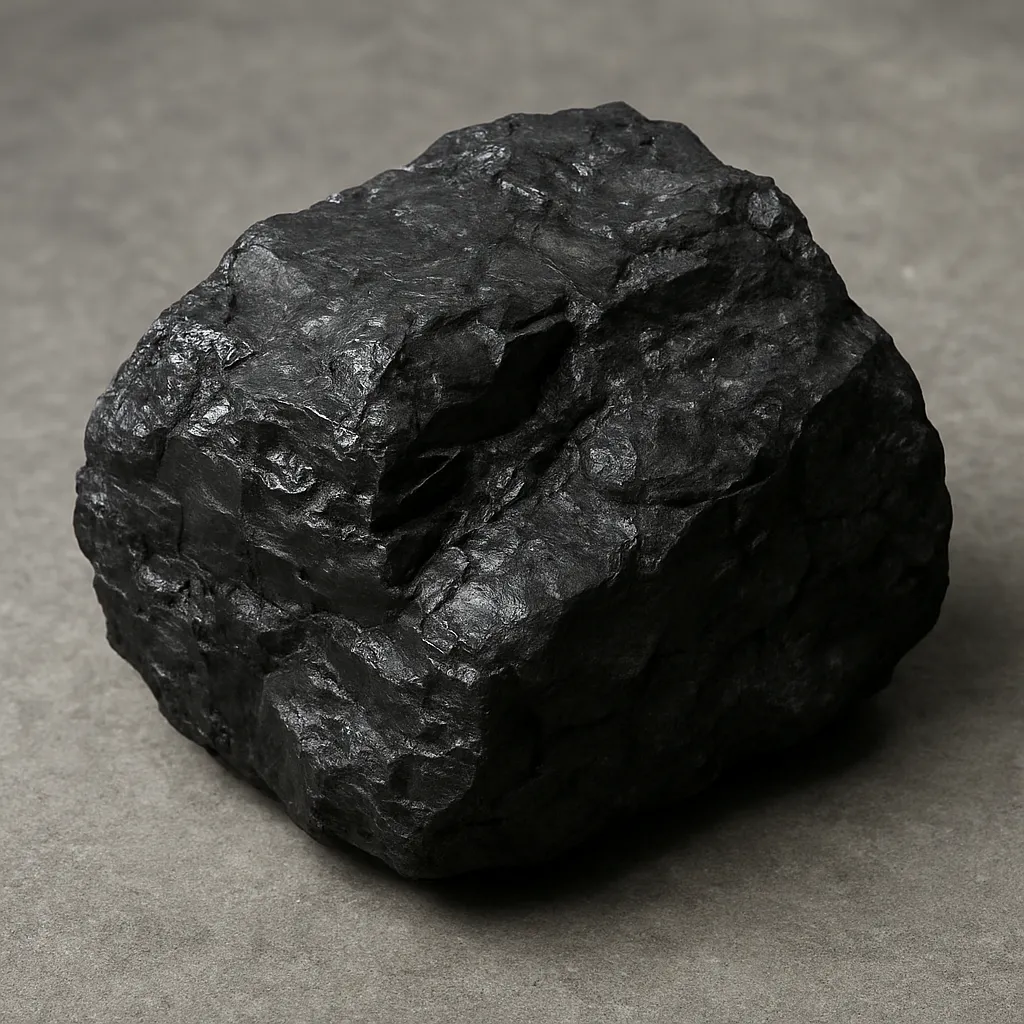
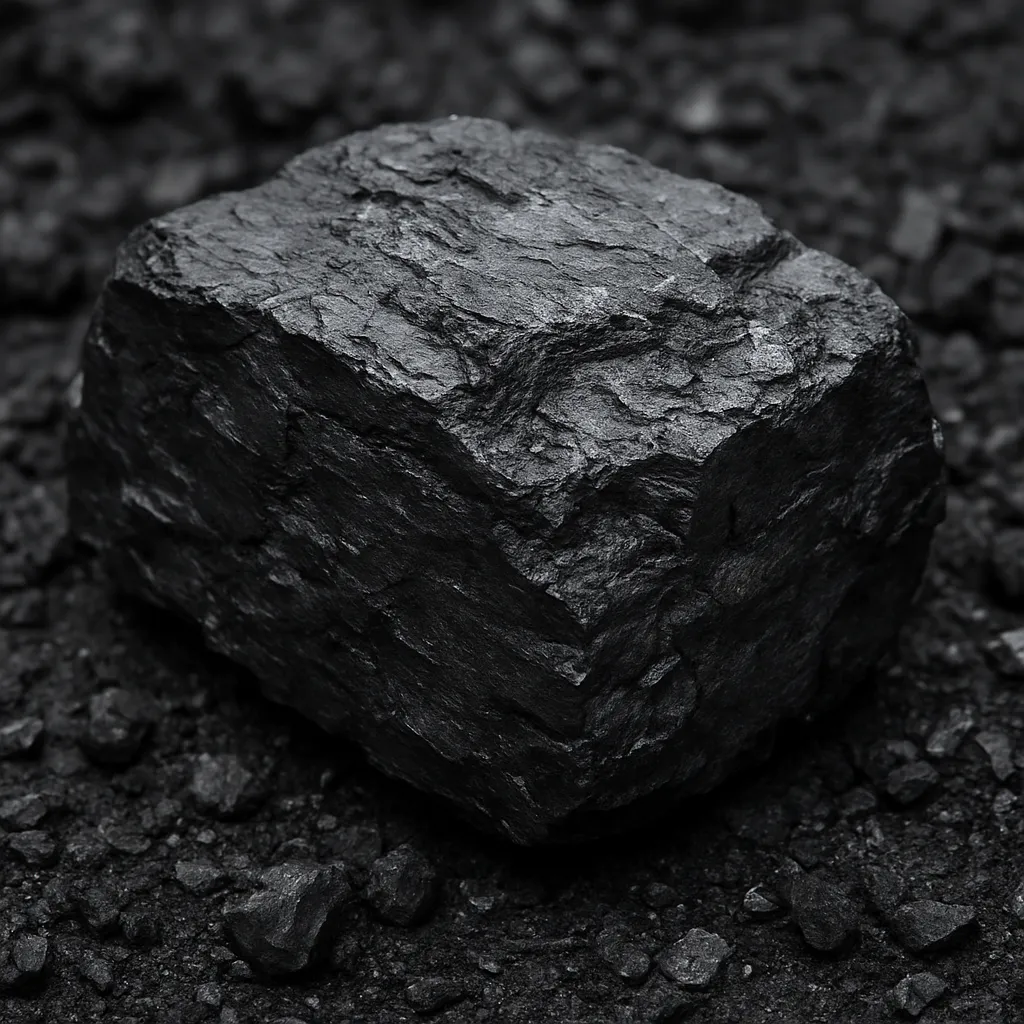
This article examines the coal used in large-scale electricity generation — commonly called power-station or thermal coal — its geological occurrence, mining and processing, economic and trade dynamics, role in industry, environmental implications and likely future pathways. The aim is to provide an integrated, data-informed view useful for energy professionals, policymakers and interested readers. Throughout the text you will find practical details about production, trade flows, technical characteristics and the challenges facing coal in a decarbonizing world.
Distribution and geological characteristics
Coal is a sedimentary rock formed from accumulated plant material that was buried and transformed by heat and pressure over geological time. Different ranks of coal — **lignite**, sub-bituminous, bituminous and anthracite — reflect increasing degrees of carbon content and energy density. In the context of power generation, the term thermal coal is used to describe coals optimized for combustion to produce heat and electricity. Thermal coal is typically lower in fixed carbon and higher in moisture than metallurgical (coking) coal, which is used in steelmaking.
Geologically, major coal basins are found on every continent except Antarctica. Large, commercially important coal deposits occur in:
- East Asia: extensive basins across northern and northwestern China (e.g., Shanxi, Inner Mongolia)
- South Asia: India’s large Gondwana and tertiary basins (e.g., Jharkhand, Odisha)
- Australia: Bowen, Surat and Hunter basins
- North America: Appalachian, Illinois Basin and Powder River Basin (PRB) in the United States
- Eurasia: Kazakhstan and Russia (e.g., Kuznetsk Basin)
- Africa: South Africa’s Highveld coalfields
- South America: Colombia’s Cerrejón and other deposits
In terms of production and consumption, coal is concentrated in a few large countries. Roughly speaking (using the most recent multi-year averages up to mid-2020s):
- China accounts for about half of global coal production and consumption, reflecting both vast domestic resources and heavy reliance on coal-fired power.
- India is the second-largest consumer and a major producer, supplying most domestic thermal coal demand.
- The United States and Australia are major producers; the U.S. primarily serves domestic markets while Australia is a leading exporter.
- Indonesia is a top global exporter of thermal coal, supplying many Asian utilities.
Globally, total primary coal production in recent years has been on the order of several billion tonnes per year (including both hard coal and lignite). Annual figures fluctuate with demand, policy and market disruptions: for example, demand and production rose in the early 2020s during the post-pandemic energy rebound and supply disruptions, before shifting again under climate policy pressures and volatility in global markets.
Mining, processing and technical properties
Coal for power stations is extracted either by surface (open-pit) mining or underground mining. Surface mining dominates in regions with shallow deposits (e.g., PRB in the U.S., many Australian basins and Indonesian operations), while underground mining is common where seams are deeper or land constraints exist.
After extraction, coal often undergoes processing (coal washing) to remove impurities such as rock and high-ash material. Washed coal has improved heating value and lower ash and sulfur content, which benefits plant efficiency and reduces emissions. Processed coal is graded by calorific value, moisture, ash, volatile matter and sulfur content — properties that affect plant design, combustion behavior and emissions control.
Key technical properties:
- Calorific value: Measured in MJ/kg or kcal/kg, it indicates the energy content. Typical ranges: lignite (~8–17 MJ/kg), sub-bituminous (~17–23 MJ/kg), bituminous (~24–35 MJ/kg). Thermal coal used in many power stations commonly falls in the ~18–29 MJ/kg range, depending on the coal source and washing.
- Ash content: Higher ash reduces the effective heating value and increases handling and disposal costs for fly ash and bottom ash.
- Sulfur and trace elements: Influence flue gas desulphurization needs and mercury control.
- Moisture and volatility: Affect grinding, combustion stability and heat rate.
Modern power plants are designed around the characteristics of the coal they will burn. Technologies commonly used include:
- Pulverized coal combustion (PC) — the most common approach worldwide.
- Fluidized bed combustion (FBC) — tolerant of lower-grade, higher-ash coals and useful for lower emissions of NOx and SOx when combined with in-bed sorbents.
- Supercritical and ultra-supercritical boilers — operate at higher steam temperatures and pressures, achieving higher thermal efficiency (hence lower CO2 per kWh).
Thermal efficiency varies markedly:
- Old subcritical coal plants: ~30–36% thermal efficiency.
- Supercritical plants: ~38–42%.
- Ultra-supercritical plants: ~42–46% or slightly higher in best practice units.
Efficiency matters because for the same electricity output, higher-efficiency plants emit less CO2. Typical operational emissions from coal plants range widely depending on fuel and efficiency: modern high-efficiency plants burning bituminous coal may be in the order of ~700–900 gCO2/kWh, while older plants and lignite-fired units can exceed ~1000–1300 gCO2/kWh.
Economic and trade aspects
Coal remains a globally traded commodity with distinct regional markets. Thermal coal is traded both on long-term contracts and on spot markets. Key economic features include:
Major exporters and importers
- Indonesia and Australia are the dominant suppliers of seaborne thermal coal, serving power plants across Asia.
- Russia is a significant exporter to both European and Asian markets (subject to geopolitical variability).
- Major importers include China, India (though India relies heavily on domestic coal and imports mainly to relieve local shortfalls), Japan, South Korea and several Southeast Asian countries.
Seaborne market dynamics are separate from large domestic markets such as China and India, which consume the bulk of their coal domestically and thus are less sensitive to seaborne prices for base demand. Prices for thermal coal showed wide swings in the early 2020s: tight supply, logistical issues and surging demand pushed prices higher in some periods, while policy changes and demand destruction can lead to sharp declines.
Economic importance
Coal sectors contribute to national and regional economies by providing:
- Employment in mining, logistics, port operations and power generation.
- Government revenues through royalties, taxes and export revenues — particularly important in mining regions and export-oriented countries.
- Energy security benefits where domestic coal reduces dependence on imported fuels.
However, there are economic headwinds. In advanced economies, the falling costs of renewables and natural gas, tightening emissions regulations, and financial restrictions on coal financing have constrained new coal investment. This creates the prospect of stranded assets — mines and plants that may be devalued before the end of their technical life.
Role in power generation and industry
Coal-fired power plants have historically provided reliable baseload generation and grid stability services (inertia, voltage support). Even as variable renewables expand, thermal coal plants still play roles in:
- Firming supply in grids with limited storage.
- Meeting peak or seasonal demand, especially in regions with limited gas infrastructure.
- Supplying process heat in industrial facilities, including combined heat and power (CHP) applications in some economies.
Across the globe, coal’s share of electricity generation has been gradually declining in many markets as renewables, gas and nuclear grow. Nevertheless, coal remained a major source of electricity in the early 2020s — contributing roughly a third to over a third of global electricity generation in some years. Its continued prominence is most visible in East and South Asia, where rapid demand growth and heavy industrialization have kept coal consumption elevated.
Several technical and policy options exist to reduce coal’s environmental footprint while maintaining its role in energy systems:
- Retrofitting existing plants with higher-efficiency components and better emissions controls.
- Co-firing biomass to reduce net CO2 emissions per kWh.
- Deployment of carbon capture, utilization and storage (CCUS) on large units to capture a portion of CO2 emissions.
- Fuel switching to natural gas where infrastructure and economics permit.
Environmental, health and social impacts and future outlook
Coal combustion produces a range of pollutants: CO2 (the principal greenhouse gas), particulate matter (PM), sulfur dioxide (SO2), nitrogen oxides (NOx) and trace metals including mercury. These pollutants have significant impacts on local air quality, human health and regional ecosystems. In many countries, stringent emissions controls (e.g., flue gas desulfurization, selective catalytic reduction and fabric filters) have reduced local air pollution from new and retrofitted plants, but global CO2 emissions from coal combustion remain a major contribution to climate change.
On climate, coal-fired power plants are among the most carbon-intensive sources of electricity. Policy responses vary:
- Many advanced economies have implemented coal phase-out timelines or have heavily curtailed new coal investments.
- Some emerging economies maintain or expand coal capacity to meet development goals and ensure energy security, while investing in efficiencies and emissions reduction technologies.
- Carbon pricing and emissions trading schemes are increasingly influencing coal economics by internalizing the cost of CO2 emissions.
The future of power-station coal is likely to be regionally heterogeneous. In wealthier markets with strong climate commitments, coal use is declining rapidly and coal-fired plants are being retired. In contrast, in many developing countries, coal remains integral to meeting rising electricity demand, though the pace of new coal build is affected by the falling cost of renewables, financing constraints, and international pressure.
Transition challenges and mitigation technologies
Key approaches to managing the transition include:
- Investing in high-efficiency, low-emissions plants for existing reliance on coal.
- Developing CCUS at scale — currently limited by cost and infrastructure but seen as essential by some scenarios to decarbonize existing coal fleets.
- Scaling up grid flexibility (storage, demand response, interconnection) to accommodate renewables, enabling earlier coal retirements without reliability loss.
- Socioeconomic policies for affected workers and communities (retraining, economic diversification, just transition planning).
Selected statistics and recent trends
While values shift year to year, several robust trends can be highlighted:
- Global coal production and consumption historically ranged in the multi-billion tonnes per year regime; production is concentrated in a few large producing/consuming countries. China typically produces and consumes roughly half of global coal, followed by India and the United States among the largest national totals.
- Seaborne thermal coal exports are dominated by Indonesia and Australia, with exports measured in the hundreds of millions of tonnes per year (for example, Indonesia’s seaborne exports are commonly quoted in the order of several hundred million tonnes annually, making it the largest seaborne supplier in many recent years; Australia also exports several hundred million tonnes each year, including both thermal and coking coals).
- Efficiency improvements and plant retirements drive downward pressure on coal-related CO2 intensity in some countries, whereas in others, coal use rises with electricity demand and industrial growth.
- Price volatility: Thermal coal prices experienced large swings during the 2019–2023 period due to pandemic recovery, supply chain disruptions, seasonal demand changes and geopolitical events. These swings highlighted the sensitivity of utilities and policy makers to fuel cost uncertainty.
Note: numbers cited above are approximate ranges reflecting recent trends; specific annual values vary by source and by year. Major authoritative sources for exact yearly statistics include the International Energy Agency (IEA), the World Coal Association, national geological surveys and industry reporting agencies.
Interesting facts and technological developments
– Coal-fired generation technology continues to evolve: ultra-supercritical units, improved materials for higher temperature/pressure operation, and integrated plant designs (e.g., CHP) all improve the carbon and cost performance of coal where it is still used.
– Coal chemistry and quality can vary dramatically over short geographic distances, so power stations are often optimized for a narrow range of coal properties. That is why many utilities prefer long-term coal supply contracts rather than spot purchases to ensure consistent plant performance.
– In some countries, innovative uses of coal byproducts (e.g., fly ash in cement and construction materials) provide economic value while reducing waste disposal needs.
– The overlap between coal infrastructure (mines, ports, trains, plants) and local economies makes the social dimensions of coal transition complex. Regions dependent on coal often require well-designed transition policies to avoid long-term economic decline.
Concluding perspective
Thermal coal for power stations remains a major component of the global energy mix despite strong momentum towards decarbonization. Its geographic concentration, established infrastructure and role in energy security mean that coal will not disappear overnight. At the same time, economic forces — falling renewable costs, financing constraints, carbon pricing — and policy commitments to reduce greenhouse gas emissions are reshaping the market. A pragmatic, region-specific approach that combines efficiency upgrades, emissions controls, deployment of low-carbon alternatives and carefully managed social transitions will determine how quickly and smoothly reliance on power-station coal declines in the coming decades.