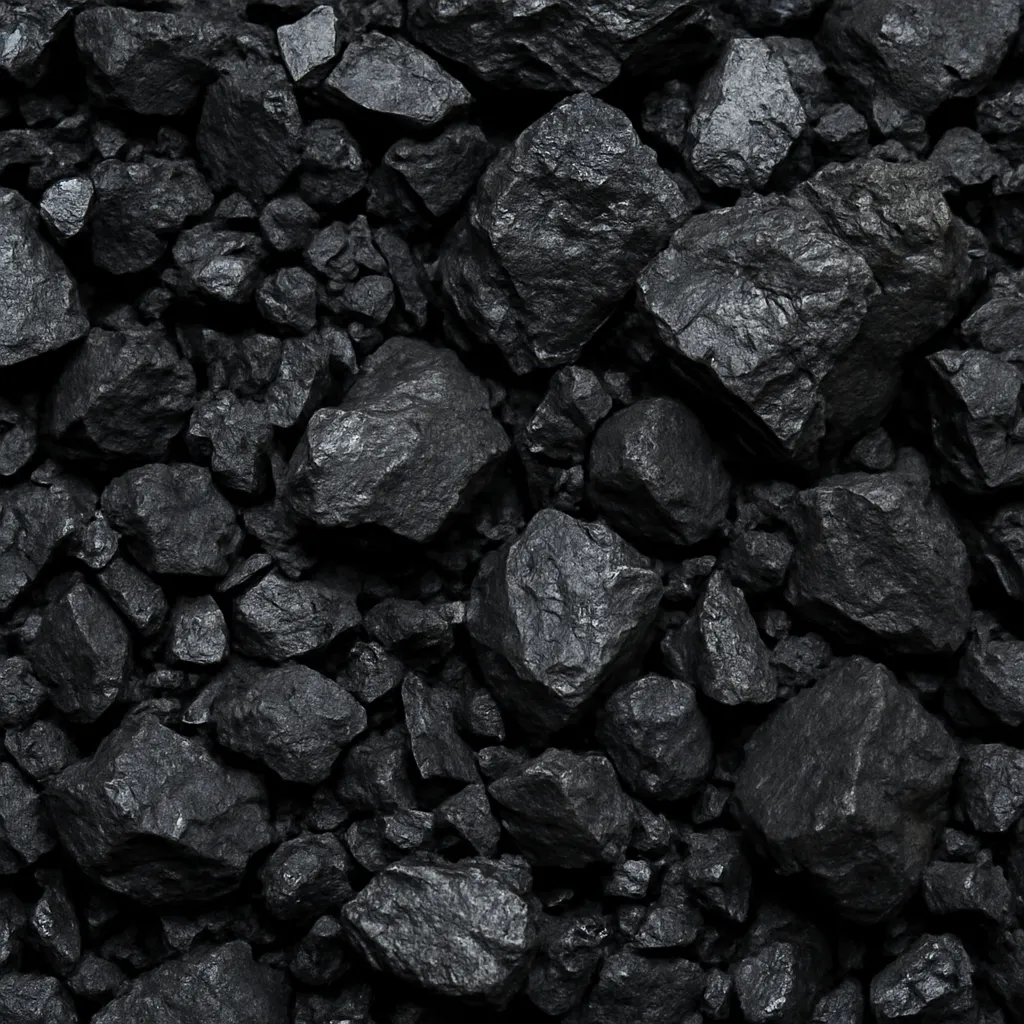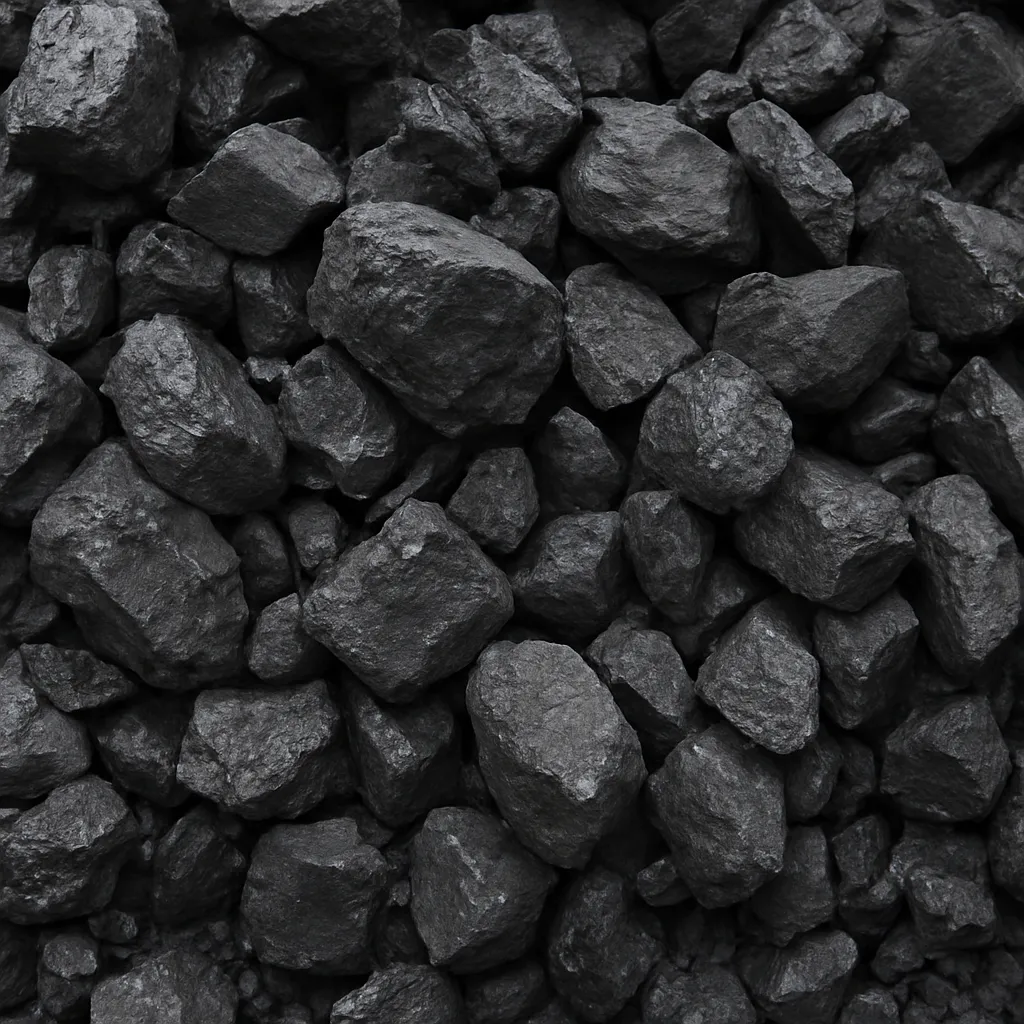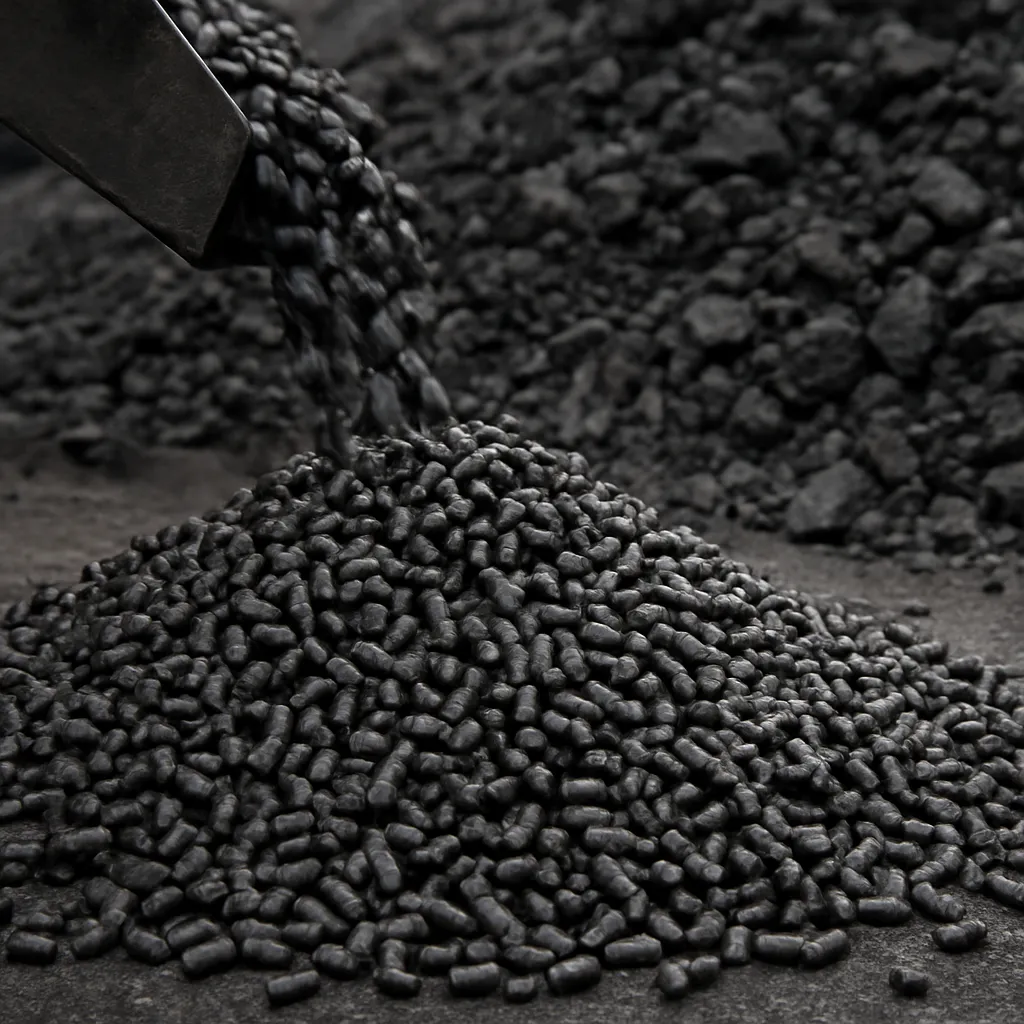
Palletizing coal – often written as pelletizing coal – is a processing step that converts fine and low-value coal residues into dense, easy-to-handle agglomerates suitable for transport, combustion or further conversion. This article examines where such coal deposits occur, where coal is currently mined and exported, technical and economic aspects of pelletizing and related processes, statistical and market data, industrial applications and broader social, environmental and future implications. The text aims to provide a comprehensive view of coal pelletization and its role in contemporary energy and metallurgical systems.
Geology, Occurrence and Major Producing Regions
Coal is a sedimentary rock formed from plant material that accumulated in ancient wetlands and peat bogs, typically during the Carboniferous, Permian and younger geologic periods. It occurs in layered sedimentary basins around the world and is often associated with shales, sandstones and other coal-bearing strata. The quality and rank of coal — from lignite (brown coal) through sub-bituminous and bituminous to anthracite — depend on the degree of coalification, which in turn relates to the depth and duration of burial and the geologic history.
Major coal-producing regions include:
- China: the largest producer and consumer of coal globally, with large basins such as the Shanxi and Inner Mongolia regions.
- United States: extensive coal resources in the Appalachian, Illinois, and Powder River basins. The Powder River Basin produces large volumes of low-sulfur sub-bituminous coal used for power generation.
- India: significant reserves in states like Jharkhand, Odisha, Chhattisgarh and West Bengal, with coal central to power and steel production.
- Australia: a major exporter, particularly of high-quality metallurgical coal from Queensland and New South Wales.
- Indonesia: large thermal coal production and exports from coalfields on Kalimantan and Sumatra.
- Russia: large reserves across Siberia and the Far East, supplying both domestic industries and international markets.
Coal occurrence is global but concentrated in countries with favorable geologic histories and extensive mining infrastructure. In many of these regions, coal is a foundation of industrial development and energy supply.
Mining Methods and Coal Processing
Coal extraction uses two primary methods: surface mining (open-pit, strip mining) where coal seams are close to the surface, and underground mining (room-and-pillar, longwall) for deeper deposits. The choice of method influences the proportion of coal fines and waste generated; surface operations and modern longwall systems can produce substantial volumes of crushed and powdered coal particles, often classified as fines. These fines are problematic for handling, transport and combustion but become feedstock for pelletizing operations.
Coal is broadly classified for use into:
- Thermal coal (steam coal) for electricity generation and heat.
- Metallurgical coal (coking coal) used to produce coke for blast furnace steelmaking.
Processing steps that precede pelletizing include crushing, screening, washing (beneficiation) to remove ash and sulfur-bearing minerals, and dewatering. Washed coal can produce a stream of fine particles that are unsuitable for direct sale or use without agglomeration.
Pelletizing Technology, Methods and Materials
Pelletizing — the formation of compacted coal agglomerates — is implemented through several technologies, each tailored to feedstock properties and end-use requirements. The principal reasons for pelletizing are to increase bulk density, reduce dust, improve flowability, enable use in existing furnaces and boilers, and create a transportable fuel or feedstock for chemical conversion.
Key pelletizing methods include:
- Disc (pan) pelletizers: rotating pans or discs roll wetted coal fines with binder into spherical pellets. This method is flexible for different particle sizes and produces relatively uniform pellets.
- Drum pelletizers: large rotating drums tumble coal fines and binder to form pellets; useful for high throughput operations.
- Extrusion and briquetting: fines are pressed through dies or in hydraulic presses to produce elongated briquettes or lumps with high mechanical strength. Briquetting often produces denser blocks than pan pelletizing.
- Chemical agglomeration: using binding agents that react or set to produce durable pellets, sometimes combined with heat curing.
- Thermal densification: partial carbonization or low-temperature heating (torrefaction-like treatments) to improve hydrophobicity and calorific density.
Common binders and additives:
- Natural starches (corn, cassava) and cellulose derivatives — biodegradable and widely used.
- Molasses and sugars — economical in some regions.
- Tar, pitch or bitumen — provide hydrophobicity and high strength but raise environmental concerns.
- Lime, cement or inorganic binders — used when ash characteristics or temperature performance matter.
- Polymeric binders (phenolic resins, polymeric emulsions) — for high strength PCI or metallurgical applications.
Typical pellet properties sought by end-users include adequate mechanical strength (to resist breakage during handling), low moisture, acceptable calorific value, low volatile matter as required, and consistent size distribution for feeding systems. Pellet diameters commonly range from a few millimeters to several centimeters depending on the technology and application.
Applications: From Power Plants to Steel Mills
Pelletized coal can be used across multiple sectors:
- Power generation: pellets are fed into coal-fired boilers where improved handling and standardized feed improve combustion control and reduce losses from dust and fines.
- Blast furnace injection: PCI (pulverized coal injection) uses fine coal or pellets as a partial substitute for coke. Pelletized metallurgical coal or agglomerated coke breeze can increase injection rates and reduce valuable coke consumption.
- Gasification and chemical conversion: pellets serve as feedstock for entrained-flow or fixed-bed gasifiers producing syngas for chemicals, hydrogen and synthetic fuels (coal-to-liquids, CTL).
- Cement kilns and industrial heating: stable pellets facilitate metering and feeding into kilns, sometimes co-fired with alternative fuels.
- Domestic and commercial heating: in some regions, briquettes and pellets are used for residential heating, though biomass pellets dominate this market.
Use in steelmaking is one of the highest value applications. Substituting part of coke with coal pellets can reduce production costs and extend coke supplies, though technical limits exist due to the requirements for carbon reactivity and mechanical properties in the cohesive zone of blast furnaces.
Economic and Statistical Overview
Global coal production and trade have fluctuated in response to economic cycles, energy policies, fuel prices and geopolitical events. Exact figures vary year-to-year; however, some general patterns remain consistent:
- World production of hard coal (including coking and thermal) has been measured in the order of several billion tonnes annually. In recent years, annual world production has ranged around approximately 6–8 billion tonnes of coal (metric), with China and India accounting for a large share of consumption and production.
- Major exporters include Australia, Indonesia, Russia and the United States, with Australia historically the single largest exporter of metallurgical coal and a top exporter of thermal coal.
- Price dynamics: thermal coal prices are sensitive to demand for electricity, natural gas prices and the availability of alternative fuels. Metallurgical coal prices are driven strongly by steel demand and coke market tightness and tend to be more volatile.
Pelletizing operations add value to otherwise low-priced coal fines and can change logistics economics. For example, fines that would have been landfilled or sold at very low prices can be transformed into pellets commanding a premium due to reduced transport costs per unit energy, reduced dust-related losses and better suitability for higher-value applications (e.g., PCI). Investment decisions for pellet plants hinge on factors such as:
- Availability and cost of coal fines and binders.
- Capital and operating costs of pelletizing equipment (disc/drum extruders, dryers, screenings).
- Transport logistics: rail and port access, storage and handling benefits.
- Quality requirements of offtakers (power plants, steelmakers, gasifiers).
- Regulatory conditions, carbon pricing and potential incentives for reduced emissions or circular economy practices.
To give a sense of scale: a medium-sized pelletizing facility processing 500,000 tonnes per year of coal fines can convert low-value waste streams into marketable products, reducing mine-site disposal costs and generating additional revenue. The capital cost for such a plant will vary with geography and technology but is typically in the tens to low hundreds of millions of USD for larger integrated operations that include drying and binder handling.
Environmental, Health and Regulatory Considerations
Coal pelletizing does not eliminate the greenhouse gas emissions associated with combustion; rather it improves the material handling and use efficiency of coal resources. Environmental factors include:
- Emissions from combustion: CO2 per unit of energy from coal remains high relative to most alternatives. Pelletizing may slightly improve combustion efficiency but does not materially reduce carbon intensity unless combined with carbon capture.
- Dust and fugitive emissions: agglomeration reduces dust generation and worker exposure to respirable coal dust and silica, improving occupational health.
- Water use and effluent: washing and dewatering coal generates process water streams that must be managed to avoid contamination; pelletizing with water-based binders increases the need for water management and drying energy.
- Binder selection: use of organic binders versus mineral binders affects emissions and ash chemistry; some binders can improve ash melting behavior and reduce slagging in furnaces.
- Lifecycle and circularity: converting waste fines into pellets aligns with circular economy principles by reducing waste and extracting further value from mined resources.
Regulatory trends toward decarbonization, emissions limits, and in some cases coal phase-out, affect the long-term economics of pelletizing facilities. However, in the near to medium term, many economies continue to rely on coal for baseload power and industrial heat, sustaining demand for improved coal products.
Technical and Operational Challenges
While pelletizing offers clear benefits, operators face several challenges:
- Achieving consistent pellet quality from heterogeneous feedstock (varying particle size, ash chemistry and moisture).
- Balancing binder costs and pellet performance — cheaper binders may reduce strength or raise ash content.
- Energy consumption for drying wet fines and for thermal treatments where used.
- Integration with downstream processes — e.g., ensuring pellets feed reliably into pulverizers for PCI or into gasifiers without creating blockages or excessive fines.
- Meeting stringent quality specifications for metallurgical applications, where reactivity, ash fusibility and sulfur/volatile content are critical.
Innovations and Value-Added Pathways
Recent technical developments aim to increase the value of pelletized coal and reduce environmental impacts:
- Cold-bonding with inorganic binders that require no drying, lowering energy intensity.
- Torrefaction-like pretreatments that produce hydrophobic coal pellets with improved grindability and higher calorific density, advantageous for co-firing with biomass and for long-distance transport.
- Hybrid pellets combining biomass and coal fines to reduce net CO2 intensity and meet co-firing fuel specifications.
- Integration of pelletizing units with carbon capture-ready gasification technologies, enabling coal-derived hydrogen or chemicals with lower lifecycle emissions.
- Advanced digital process controls for pellet uniformity, reduced binder use and optimized energy consumption.
Statistical Snapshot and Market Trends
While figures change annually, several high-level trends are notable:
- Global coal demand experienced strong growth in the 2000s driven by Asia, peaked in recent years in thermal demand but has shown regional divergence as some economies transition to gas and renewables while others expand coal-fired capacity.
- Metallurgical coal markets remain closely linked to steel production; periods of high steel demand cause sharp price upticks for high-quality coking coal and freebies for pelletized metallurgical feeds.
- Trade flows: Australia, Indonesia and Russia dominate export volumes; China remains the largest consumer and historically the largest producer, but has also imported substantial volumes to meet demand for steel and power.
- Investment in pelletizing tends to follow local drivers: mines with high fines production and limited landfill capacity, steelmakers seeking PCI feedstocks, and energy companies looking to stabilize supply chains.
Examples of historical data points (approximate and illustrative):
- Annual world hard coal production commonly cited in the range of 6–8 billion tonnes in the early 2020s.
- Coal exports by Australia have been about several hundred million tonnes per year, with thermal and metallurgical coal combined often exceeding 300–400 million tonnes yearly.
- Indonesia frequently exports more than 300 million tonnes of thermal coal annually, making it a top-2 exporter by volume.
Industrial Significance and Socioeconomic Impact
Coal remains critical for:
- Electricity generation in many countries, providing grid stability and baseload power.
- High-temperature heat and as a carbon source in steelmaking and chemical industries.
- Employment and regional economies in mining districts where mines, ports and rail networks support thousands of jobs.
Pelletizing can increase the economic value extracted from mining operations by converting fines into marketable products, reducing disposal costs and enabling new markets. In regions heavily dependent on coal, pelletizing plants can contribute to local employment, industrial diversification and exports.
Future Outlook: Balancing Demand, Climate and Innovation
The future of coal and coal pelletizing depends on a complex mix of factors:
- Energy transition policies and carbon pricing will push coal-consuming sectors to reduce emissions; however, the availability of low-cost coal and the slow pace of some transitions mean coal use will persist in many places for years or decades.
- Technological pathways that combine coal conversion (gasification) with carbon capture and storage (CCS) could preserve a role for coal-derived chemicals and fuels while lowering CO2 emissions — pelletized coal provides a feedstock option for such systems.
- Co-processing coal with biomass in pellets (co-pelletization) offers a route to reduce net carbon intensity and leverage existing coal combustion infrastructure during transitions.
- Strict environmental standards and community opposition in some regions make new coal projects less likely, but pelletizing as a waste-reduction and value-adding approach may be politically and economically more acceptable than expanding raw coal production.
Conclusion
Pelletizing coal transforms low-value coal fines into standardized, transportable and often higher-value products that can serve power plants, steelmakers and industrial consumers. The technology helps mines recover value from waste streams, improves occupational safety by reducing dust, and enhances logistic efficiency. However, pelletizing does not obviate the carbon emissions inherent in coal combustion and must be evaluated within broader policy and market contexts. Innovations such as low-energy binders, torrefaction and co-pelletization with biomass are promising directions that can reduce environmental impacts and create niche markets. Given the global scale of coal resources and the continuing industrial dependence on carbon-based feedstocks, pelletized coal is likely to remain an important, if transitional, component of some energy and industrial systems for the coming decades.
pelletizing coal fines binder PCI metallurgical thermal energy security sustainability circular economy