The Kaltan coal complex, located in the southwestern sector of the large Kuznetsk Basin region of Siberia, Russia, represents an important node in one of the country’s most productive and historically significant coal mining areas. This article examines the location and geology, the types of coal extracted, operational and technological aspects, economic and social impacts, statistical context within the Kuzbass and Russian coal industry, environmental challenges and rehabilitation efforts, and the strategic outlook for the Kaltan mines. The goal is to provide a comprehensive, balanced account of the mine’s role in local industry and broader energy and metallurgical markets.
Location and geological setting
The Kaltan mining area lies in Kemerovo Oblast within the greater Kuznetsk Basin (commonly called Kuzbass), one of the world’s major coal provinces. Kuzbass extends across southwestern Siberia and is characterized by thick, repeatedly folded Carboniferous and Permian coal-bearing strata. These layers contain multiple seams of bituminous coal formed in extensive ancient peat swamps and subsequently buried and metamorphosed under regional tectonic pressures.
Geologically, the coal seams exploited around Kaltan are typical of the western Kuznetsk Basin: multiple horizons of medium- to high-volatile bituminous coal, with some zones producing higher-grade metallurgical or semi-coking coals suitable for steelmaking. The mining horizon typically ranges from relatively shallow seams accessible by surface or near-surface methods to deeper seams requiring underground workings. The diversity of seam depth and quality in the Kaltan area has historically supported a mix of mining techniques and created a resilient local industry.
Coal types and mining methods
Coal grades and uses
The coal extracted in the Kaltan area is largely of the bituminous family. This encompasses a spectrum from thermal coals used for power generation to higher-quality coals with coking properties used in smelting and metallurgical processes. In practical terms, Kaltan’s output typically supports:
- Domestic power generation and heat supply (thermal coal)
- Metallurgical uses — blast furnace and coke production (coking and semi-coking coal)
- Industrial heating and local energy needs
Because of the Kuzbass geological setting, many deposits near Kaltan yield coal with favorable fixed carbon content and volatile matter suitable for coking after select processing and blending. This makes the area valuable for both the Russian steel industry and export markets seeking metallurgical coal.
Mining technologies and methods
Mining in Kaltan and its environs has historically utilized a mix of:
- Underground longwall and room-and-pillar workings for deeper seams (employing mechanized shearers and conveyors)
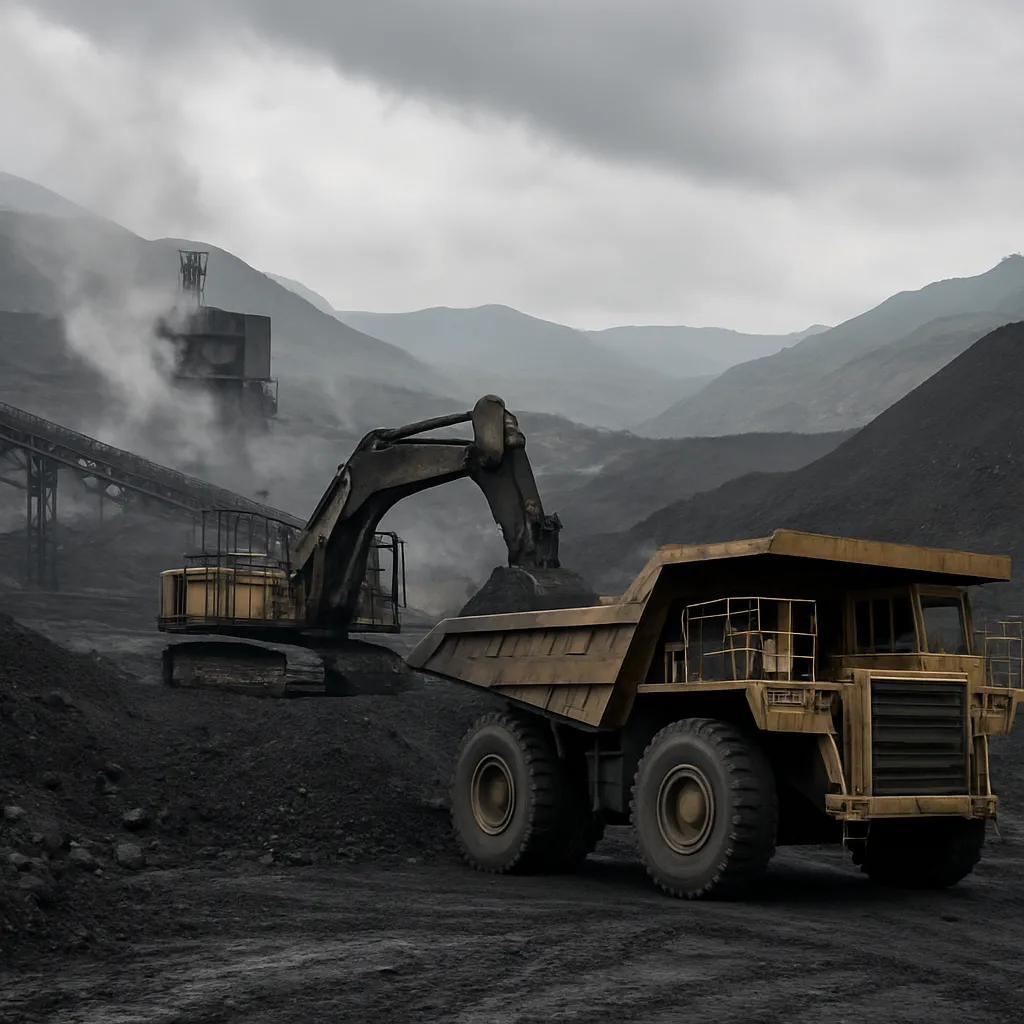
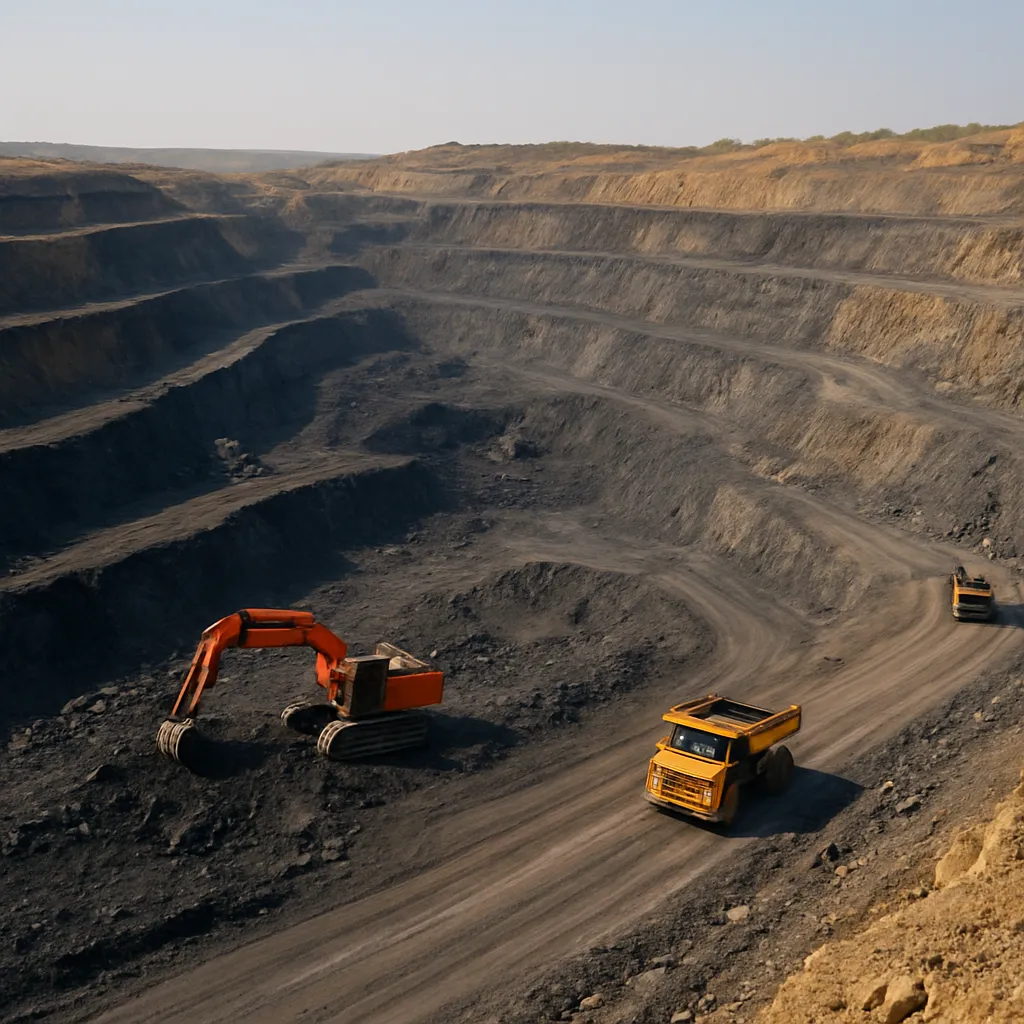
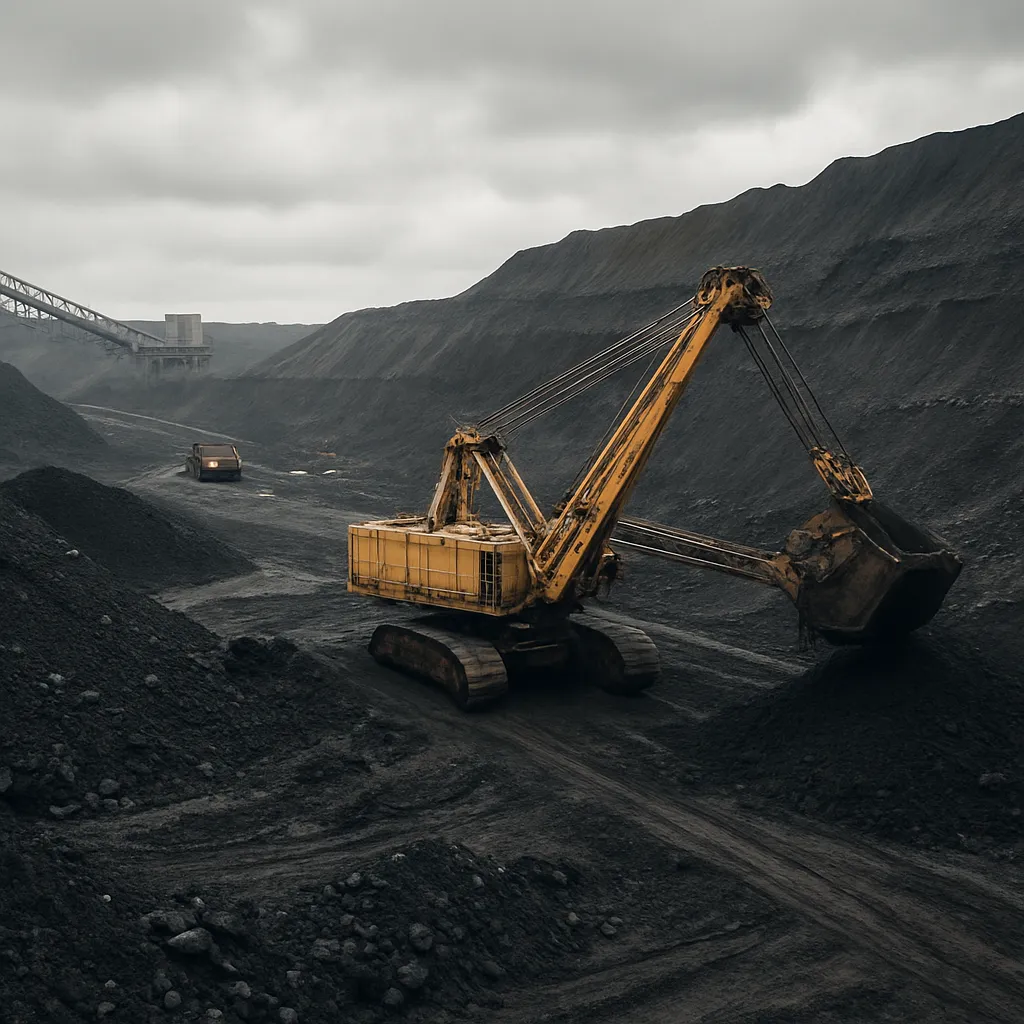
- Strip or open-pit methods where seams are near the surface (using draglines, excavators and haul trucks)
- Integrated processing facilities (crushing, washing and blending plants) to improve product quality for specific markets
Over recent decades, there has been progressive modernization, with increased mechanization, introduction of automated monitoring, and heavier reliance on continuous miners and longwall systems to improve productivity and safety. However, the pace of modernization varies by site and depends on capital investment and ownership structure.
Economic and social importance
Kaltan’s mines play a central role in the local and regional economy. Coal mining is often the primary employer and fiscal base in mining towns across Kuzbass, and Kaltan is no exception. The local economy depends on coal for employment, municipal revenues, supporting industries, and social infrastructure.
Employment and demographics
Coal operations and ancillary services provide a substantial share of direct and indirect jobs in the area — from miners, engineers, and technical staff to transport, maintenance, and service sectors. Employment in mining towns often includes multi-generational families tied to the industry, and social services (housing, clinics, schools) have traditionally been linked to mine operations. The role of mining in local employment has both economic and cultural dimensions, shaping community identity.
Regional economic contribution
Kaltan contributes to the broader economic output of Kemerovo Oblast, which is heavily dependent on extractive industries. Revenues from coal production support regional budgets, infrastructure projects, and local business networks. The presence of coking-grade coal near Kaltan links local activity to the metallurgical industry; steel mills in Russia and neighboring countries rely on coking coal supplies for iron and steel production.
Production statistics and trade context
Detailed, up-to-date mine-level production statistics for specific Kaltan operations may vary by year and operator. It is therefore useful to place Kaltan within a regional and national statistical framework to appreciate its significance.
- Russia’s annual coal production in recent years has typically ranged in the order of several hundred million tonnes per year; estimates commonly place it between roughly 400 and 450 million tonnes (varying year to year with demand and Russia’s domestic and export strategies).
- The Kuznetsk Basin supplies a substantial fraction of Russian coal output — generally representing roughly half, though estimates can range from about 40% to as much as 60% depending on the base year and classification of seasonal/operational variations. This makes Kuzbass the heart of the country’s coal industry.
- Kaltan’s contribution is at the local-mine scale within that Kuzbass total; while not among the largest single open-pit complexes in the region, its coal is valued particularly for metallurgical blends and local energy supply.
On trade, Russian coal exports are an important outlet for Kuzbass production. Historically, export destinations have included:
- Asian markets: China, South Korea, Japan, and increasingly Southeast Asian buyers
- European and Black Sea markets: Turkey and some European countries (subject to geopolitical and logistical factors)
Export logistics for Kaltan-area coal typically rely on rail connections to regional trunk lines that connect to major terminals on the Black Sea and Pacific coasts. Access to efficient rail and port infrastructure is a key determinant of the commercial value of particular coal products.
Industrial importance and downstream linkages
The most strategic value of Kaltan coal lies in its role as a supplier to the metallurgical chain. High-quality coking and semi-coking coals are essential for blast furnace operations and coke plants. A reliable local supply of such coals reduces transport costs for nearby steelmaking complexes and enhances the competitiveness of Russian metallurgy in domestic and export markets.
Downstream linkages include:
- Coke production facilities that convert coking coal into metallurgical coke
- Steelworks that use coke and coal blends for pig iron production
- Power plants and district heating networks that utilize thermal coal
- Local industrial and construction sectors dependent on steady energy supplies
These interconnections make Kaltan more than a raw-material site; it is a node in an integrated regional industrial ecosystem.
Technological trends and safety
Safety, mechanization and digitalization are prominent themes in modern Russian mining, and the Kaltan area has experienced many of these trends. Key aspects include:
- Introduction of mechanized longwall systems and remote-controlled equipment to boost output and reduce exposure of workers to hazardous conditions
- Deployment of monitoring systems for methane, seismicity and ventilation to reduce accident risks in underground mines
- Implementation of workforce training programs and updated safety protocols
Despite improvements, mining in the Kuzbass — including around Kaltan — faces ongoing safety challenges tied to methane emissions, rock bursts, roof collapses and the legacy of older infrastructure. Continuous investment is required to improve safety performance and align operations with international best practices.
Environmental impacts and reclamation
Coal mining exerts multiple environmental pressures in Kaltan and similar districts:
- Surface disturbance and landscape fragmentation from open-pit operations
- Groundwater disruption and risks of acid mine drainage in some settings
- Airborne dust and particulate emissions from mining and processing
- Greenhouse gas emissions linked to coal combustion in downstream use
Reclamation and mitigation measures implemented or planned in the region include progressive land rehabilitation, soil stabilization, reforestation of spoil heaps, water treatment systems, and dust-control measures. Contemporary practice increasingly emphasizes post-mining land use planning, including conversion of former mine lands into industrial parks, recreational areas, or carefully designed ecological refuges.
Regulatory, fiscal and market pressures
The economics of Kaltan coal production are influenced by several external factors:
- Domestic policy on energy prices, subsidies and regional development priorities
- Export duties, logistics costs and international market demand (especially from Asia and Europe)
- Commodity price cycles for thermal and metallurgical coal
- Environmental regulations and decarbonization trends affecting long-term coal demand
Local operators must navigate these pressures, balancing investment in modernization and environmental compliance against the cyclical nature of commodity markets and evolving global energy policies.
Social challenges and community resilience
Mining towns such as Kaltan face social challenges typical of mono-industrial communities: dependence on one economic sector, demographic shifts (young people migrating for diversified opportunities), and the need to adapt local skills to changing technologies. At the same time, many communities demonstrate resilience through:
- Workforce retraining and education initiatives
- Local entrepreneurship tied to service and logistics support
- Municipal investments financed by mining revenues in housing, health care and schools
Policy measures that foster economic diversification and sustainable local development are crucial to long-term stability.
Strategic importance and future outlook
Kaltan’s future will be shaped by the interplay of resource quality, investment in technology and infrastructure, market demand, and environmental governance. Important elements of the outlook include:
- Ongoing demand for metallurgical coal from steel-producing economies — as long as blast-furnace steelmaking remains dominant, coking coal will command strategic value
- Competition from alternative suppliers and coal-saving technologies (e.g., increased recycling of steel, alternative ironmaking routes) that could affect long-term demand profiles
- Potential for modernization to increase efficiency and reduce environmental footprint, enhancing competitiveness
- Geopolitical and logistics dynamics that influence export routes and market access
Given its geological endowment within Kuzbass, Kaltan is well-placed to remain a meaningful contributor to regional coal supplies for the near to medium term, particularly for metallurgical coal markets, provided investment and policy choices align with operational needs and environmental constraints.
Interesting facts and contextual notes
- Historical legacy: The Kuznetsk Basin, including the Kaltan area, was intensively developed during the Soviet industrialization drive, forming the backbone of Russia’s coal and steel industries through the 20th century.
- Strategic connectivity: Rail links from Kuzbass connect producers to multiple ports and export corridors, giving flexibility to ship both to Europe and Asia depending on market conditions.
- Product diversity: Coals from the Kaltan area can be blended to meet specific coke-making and energy specifications, increasing their commercial versatility.
- Modernization trend: Recent years have seen a push toward safer, more automated mining technologies in Kuzbass, with incremental improvements reaching many sites.
Concluding perspective
The Kaltan coal operations are a microcosm of the broader Kuzbass mining complex: geologically rich, economically significant for the region, and strategically important for Russia’s metallurgical supply chain. While the exact production figures for individual mines fluctuate, Kaltan’s contribution to local employment, energy supply and metallurgical raw material markets is clear. The future will depend on how the industry balances market opportunities with technological upgrades and environmental obligations, as global energy transitions and evolving steelmaking technologies reshape long-term demand for coal.