Ilanga Coal Mine is part of South Africa’s extensive coal mining landscape, located within one of the country’s most productive coal basins. This article provides a comprehensive overview of the mine’s geological setting, production characteristics, economic role, environmental and social impacts, technological aspects, and future outlook. Where mine-specific public data are limited, the discussion places Ilanga in the wider context of the Mpumalanga coalfields and South African coal industry trends to give a realistic and practical picture for industry observers, policymakers, researchers and the general public.
Location and geological setting
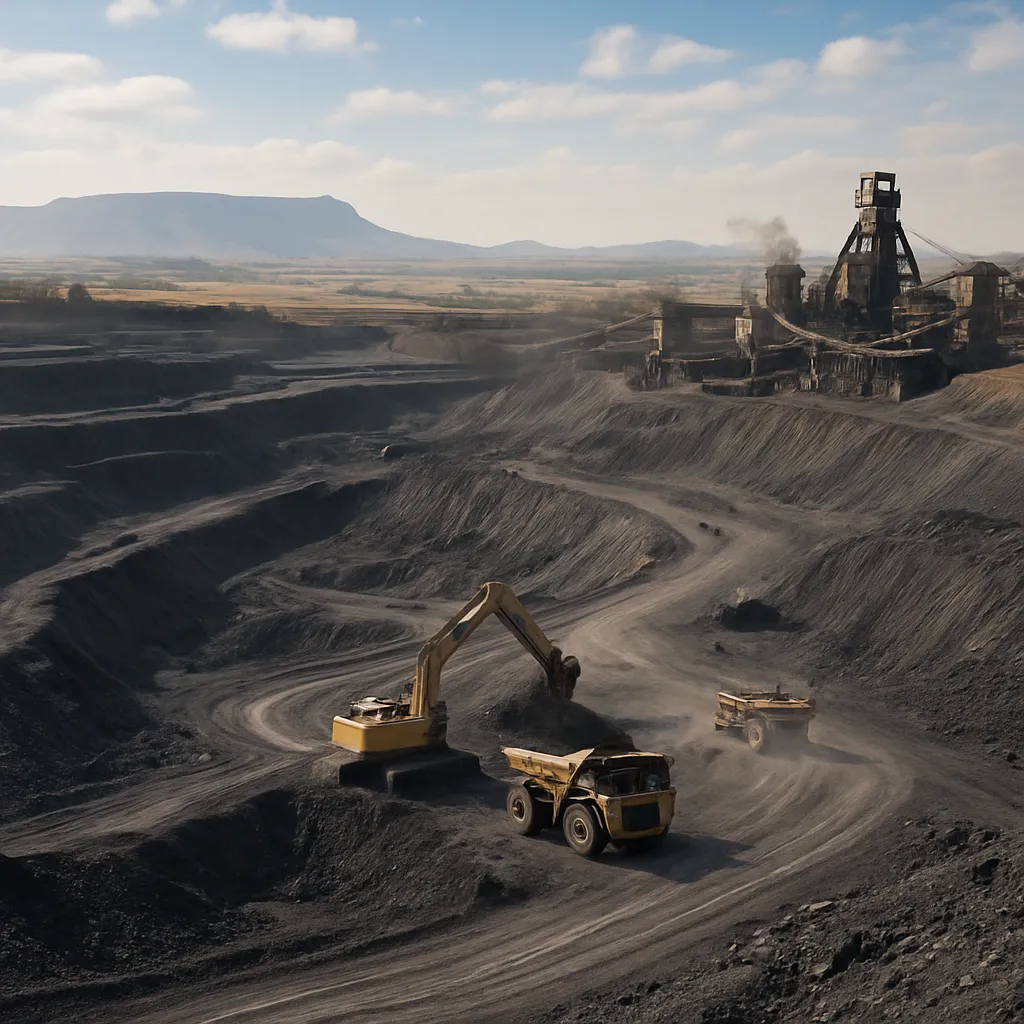
Ilanga Coal Mine is situated in the high-yielding coal belt of South Africa’s Mpumalanga province, within the Emalahleni (formerly Witbank) coalfield — one of the country’s most important coal-producing regions. The Emalahleni/Highveld basin contains multiple seams of Permian-age coal deposited in swampy peat environments that subsequently underwent coalification. These seams vary in thickness and quality across short distances, creating a patchwork of deposits suitable for both open-pit and underground mining methods.
The mine’s setting is characterized by the typical features of the Highveld: gently undulating terrain, a network of railway and road corridors serving coal transport, and proximity to major electricity generation facilities. The name Ilanga, meaning “sun” in Zulu and Xhosa, underscores the mine’s location in a part of South Africa with strong cultural and linguistic ties to Nguni languages.
Coal type and quality
Ilanga predominantly produces thermal coal used for electricity generation and some local or regional industrial users. In the broader Highveld region, coal rank is commonly classified as high-volatile bituminous to medium-volatile bituminous for many economically minable seams. The coal mined typically exhibits the following general characteristics (regional averages rather than mine-specific certainties):
- Calorific value (gross): commonly in the range of 18–25 MJ/kg for thermal grades
- Moisture content: typically 6–10% (as-mined can be higher before drying/washing)
- Ash content: often 12–20% for unwashed run-of-mine coal, depending on seam and beneficiation
- Sulfur content: commonly low-to-moderate, in the order of 0.5–1.5% (but varies by seam)
- Volatile matter and fixed carbon consistent with bituminous thermal coal used by power stations
Some mines in the region also produce small quantities of higher-grade metallurgical coal or semi-soft coking coal, but the principal market for Ilanga-type operations is thermal coal destined for utility-scale power generation — primarily supplied to Eskom and to export markets.
Production profile and statistics
Detailed, mine-level production figures for Ilanga are limited in public sources. As a representative operation in the Mpumalanga coalfields, Ilanga can be contextualized alongside typical mid-sized coal mines in the region:
- Mid-sized surface or mixed-method mines in Mpumalanga commonly produce between 1 and 5 million tonnes per annum (Mtpa).
- Larger integrated mines and complexes may exceed 6–10 Mtpa, particularly where extensive beneficiation and rail access are available.
At the national level, South Africa’s coal production has historically ranged around 230–260 million tonnes per year in recent years (figures fluctuate with market demand, operational disruptions and policy changes). A substantial portion of this output serves domestic power generation — South Africa has been heavily coal-dependent for electricity, with coal contributing the majority of the country’s power mix.
Exports are a significant component of South African coal economics: in pre-pandemic years and intermittently thereafter, exports have been on the order of 60–80 Mtpa, with primary destinations including India, Pakistan, various European countries (for certain coal qualities), and nearby African markets. Export volumes and destinations shift with international price signals, shipping logistics, and contractual obligations.
Price dynamics for thermal coal are volatile: over the last decade global and regional coal prices have ranged from under US$50/tonne to well over US$100/tonne in periods of tight supply or strong demand. Revenues for a mine therefore depend significantly on product quality, contractual structures (spot vs long-term), and logistics costs to domestic power stations or export terminals.
Economic and industrial significance
Ilanga, like other Mpumalanga mines, plays multiple economic roles:
- Energy security: supplying coal to Eskom and independent power producers contributes directly to South Africa’s electricity supply.
- Employment and local economic activity: mines are important employers and generate demand for supporting industries (transport, equipment maintenance, contracting, beneficiation).
- Fiscal revenue: coal producers contribute royalties, taxes, and local levies that support provincial and national budgets.
- Export earnings: for coal destined to overseas buyers, mines add to South Africa’s foreign exchange inflows.
Employment figures at an individual mine like Ilanga typically range from several hundred to a few thousand direct employees depending on scale, mechanization and the degree of outsourcing. Indirect jobs in the supply chain, contractors and service providers often multiply the employment impact. Beyond direct employment, mining stimulates local commerce, housing, education and healthcare spending patterns in the surrounding communities.
Social and community aspects
The relationships between Ilanga-type operations and adjacent communities are complex and multi-dimensional:
- Host communities often expect jobs, skills training and infrastructure improvements as compensation for mining activity.
- Social License to Operate: maintaining community support involves addressing local concerns about noise, dust, water access, and land-use change.
- Community development programs commonly include bursaries, local procurement policies, health campaigns, and support for small businesses.
South Africa’s mining regulatory environment emphasizes transformation and participation, with the Mining Charter and related policies encouraging black economic empowerment (BEE), local procurement and investments in community upliftment. Mines are required to consult with stakeholders and to implement social and labor plans tied to mining rights.
Environmental and regulatory challenges
Coal mining in Mpumalanga presents substantial environmental challenges that Ilanga-type operations must manage:
- Water use and contamination: coal mining consumes and affects water resources. Acid mine drainage (AMD) from legacy workings and spoils is a known risk, threatening groundwater and surface water quality.
- Air quality and dust: coal handling, blasting and transport create fugitive dust that can affect human health and visibility.
- Greenhouse gas emissions: coal mining and combustion are major sources of CO2 and methane; scope 1 and scope 3 emissions are increasing investor scrutiny.
- Land disturbance and rehabilitation: open-pit mining alters landscapes, requiring progressive rehabilitation plans to ensure post-mining land-use compatibility and biodiversity restoration.
- Waste management: tailings, discard dumps and washery slimes must be managed to avoid slope failure and contamination.
South Africa’s Department of Mineral Resources and Energy (DMRE), together with environmental agencies and provincial authorities, enforces statutory requirements for environmental impact assessments, water use licenses, air emissions standards and mine closure plans. In practice, legacy environmental liabilities from older mines complicate management and increase regulatory and financial burdens for operators.
Health and safety
Health and safety remain central concerns for coal mines. South African mining history includes significant improvements in safety performance over decades but persistent issues such as occupational lung disease (pneumoconiosis, silicosis), noise-induced hearing loss and injuries from mechanized equipment persist.
Modern mines deploy robust safety management systems including:
- Continuous monitoring of dust and particulate exposure, respiratory protection programs and medical surveillance
- Strict protocols for heavy equipment operation, blasting, and confined-space entry
- Emergency response planning, training drills and rescue capability
- Automation and remote operation for hazardous activities to reduce worker exposure
Mining methods and technology
Ilanga-type mines use a variety of methods depending on seam depth, thickness and geology:
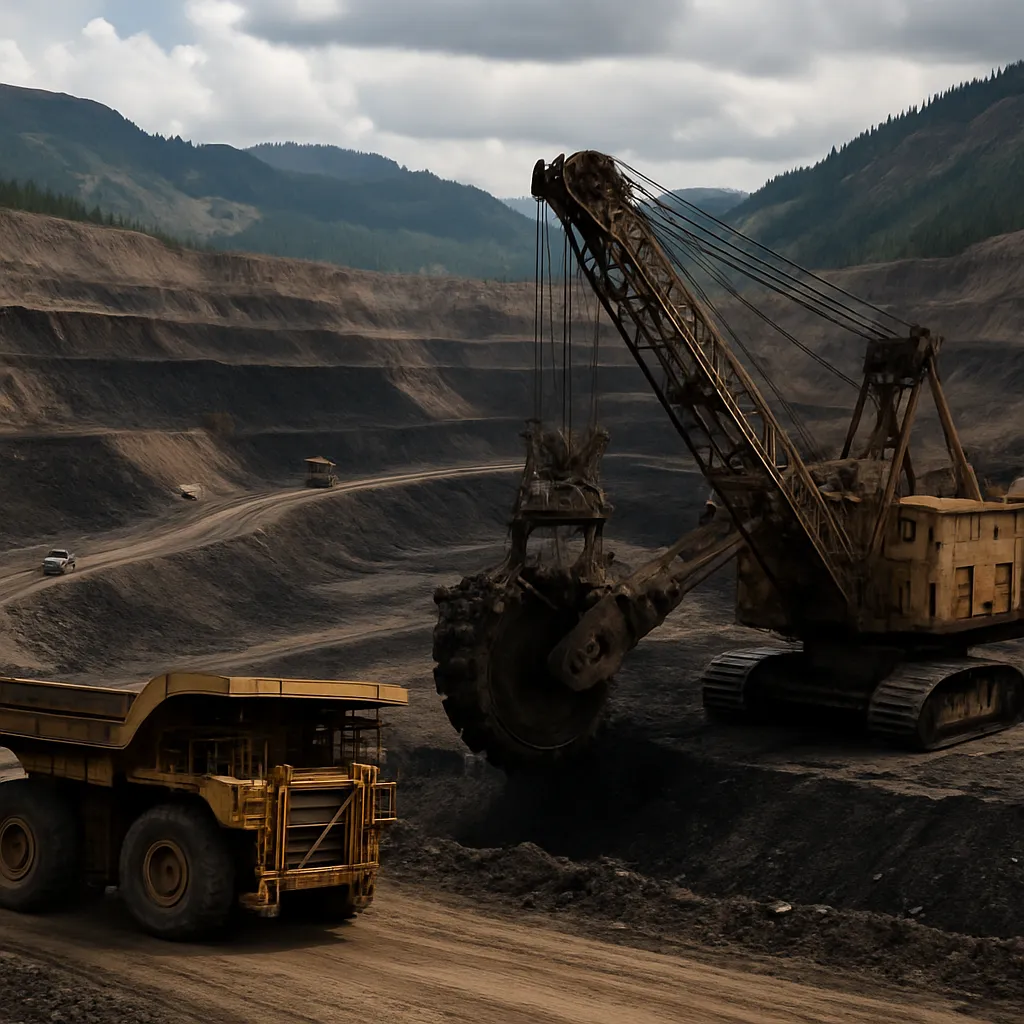
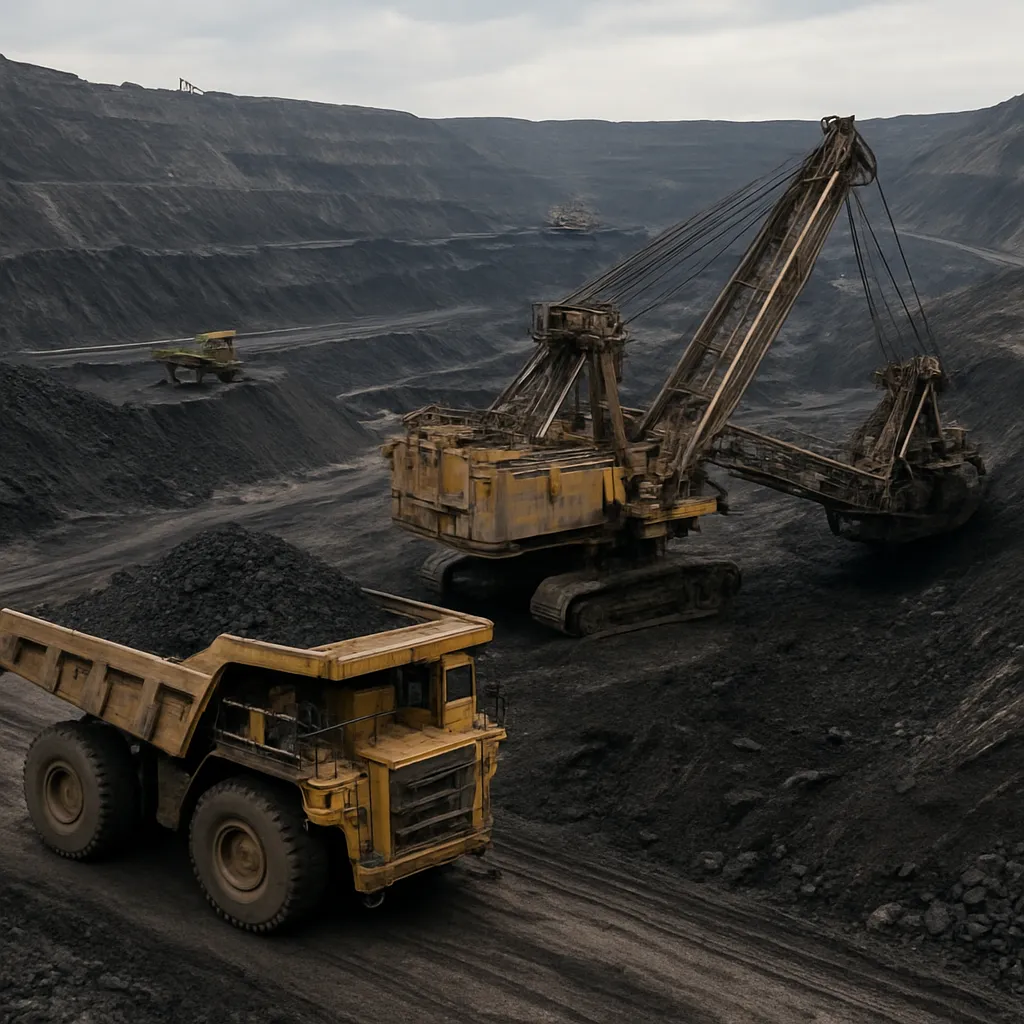
- Open-pit mining: suitable for shallow, thick seams; involves drilling, blasting and large earth-moving fleets. Draglines, shovels and haul trucks are common.
- Underground mining: room-and-pillar or bord-and-pillar methods are used where seams are shallow but continuous. Longwall mining is less common in South Africa compared with some other coal regions.
- Beneficiation and wash plants: coal is frequently cleaned to reduce ash and sulfur, improving calorific value and meeting customer specifications; washery slimes management is integral to operations.
- Conveyance and logistics: integrated conveyors, rail loading facilities and road haulage link mines to power stations and export terminals.
Technological trends influencing Ilanga-like operations include increased mechanization, use of digital monitoring and predictive maintenance, fleet telematics, and methane capture systems. These improve productivity, safety and environmental performance while requiring capital investments and skilled labor.
Market linkages and logistics
Market access for Ilanga’s coal depends on transport infrastructure and contractual relationships. Key logistical considerations include:
- Rail capacity to export terminals on the coast (e.g., Richards Bay Coal Terminal for exports) or to inland power stations via dedicated lines
- Road access for shorter-distance deliveries or feeder transport
- Port allocation and shipping schedules, particularly for export tonnages
- Quality specifications required by buyers (calorific value, ash, sulfur, moisture)
Constraints such as rail congestion, rolling stock shortages and port allocation inefficiencies can materially affect a mine’s realized price and volumes. Mines often enter long-term contracts with utilities or trading houses to manage price volatility and logistics risk.
Regulatory and fiscal framework
South African coal mines operate within a regulatory framework that touches mineral rights, environmental compliance, labor law, and fiscal obligations. Important elements include:
- Mining rights and work programs issued by the DMRE
- Royalty regimes and corporate taxation that determine the fiscal take from mining activities
- Environmental licensing (EIA, water use licenses) and closure planning
- Labour regulations, mine health and safety standards and the Mining Charter requirements for transformation and local participation
Policy shifts — such as tighter environmental standards, carbon pricing or changes in the Mining Charter — can influence project economics and investment decisions at mines like Ilanga.
Economic resilience, risk factors and market outlook
Ilanga’s economic resilience depends on multiple internal and external risk factors. Key considerations for short- to medium-term outlook include:
- Global coal demand and price cycles — demand for thermal coal remains sensitive to electricity generation transitions in major importing countries and the pace of renewables uptake.
- Domestic power sector stability — Eskom’s demand and payment reliability are crucial for mines that supply the domestic market.
- Logistics constraints — rail and port bottlenecks can limit exports despite available coal volumes.
- Policy and regulatory shifts relating to emissions, carbon pricing and mine closure obligations.
- Access to capital for sustaining operations, investing in wash plants, safety and environmental upgrades.
Opportunities exist in diversifying product mixes (e.g., producing specialized coals for industrial users), improving fuel efficiency and quality through beneficiation, and monetizing by-products such as coal-bed methane where geology permits.
Rehabilitation, closure planning and post-mining land use
Progressive rehabilitation is a legal and practical requirement for modern South African mines. Typical elements of a rehabilitation and closure plan include:
- Progressive backfilling of disturbed areas and contouring to prevent erosion
- Topsoil management and revegetation using indigenous species where possible
- Monitoring and treatment strategies for any residual water contamination (including AMD mitigation)
- Community planning for post-mining land uses such as agriculture, conservation, recreation or industrial redevelopment
Financial provision for closure is required so that liabilities do not fall to the state. For Ilanga-type operations, demonstrating credible closure funding and community transition plans is increasingly important to investors and regulators.
Case-specific notes and comparative context
While mine-specific public statistics for Ilanga are limited, a comparative perspective helps understand its probable scale and role:
- Smaller to mid-sized producers in Mpumalanga typically supply both domestic power utilities and export markets and often rely on a single predominant seam or cluster of seams.
- Integration with a washery or central beneficiation facility enhances product value by reducing ash and improving calorific value, attracting higher prices on export markets and reliability for domestic customers.
- Corporate footprints vary: some mines are owned by large diversified mining companies, while others are operated by mid-tier, private or consortium-based ownership with significant local partner involvement due to BEE requirements.
Statistical snapshot (regional and contextual figures)
- Approximate annual South African coal production: 230–260 million tonnes (recent multi-year averages)
- Approximate annual coal exports from South Africa: 60–80 million tonnes in years of higher export activity
- Typical calorific value for Highveld thermal coal: ~18–25 MJ/kg (gross as-received basis)
- Range of ash content for unwashed thermal coal: 12–20% (run-of-mine)
- Typical size of mid-tier Mpumalanga mine: 1–5 Mtpa output, employing several hundred to a few thousand direct employees
Future challenges and adaptation strategies
The future for Ilanga-type mines will be shaped by the global energy transition, domestic energy policy and the need to manage environmental liabilities. Adaptation strategies include:
- Investing in cleaner mining and processing technologies to lower emissions and water use
- Diversification into value-added coal products or other minerals where geology allows
- Capturing fugitive methane and exploring carbon offset projects to mitigate climate impacts
- Developing robust community transition plans that create alternative employment pathways and small-business development
- Maintaining a clear strategy for mine life extension, progressive rehabilitation and closure funding
Concluding perspective
Ilanga Coal Mine sits within a mature, strategically important coal-producing region of South Africa. The mine’s contribution to energy supply, employment and local economies is significant in the regional context, while it also faces the common challenges of environmental stewardship, regulatory compliance and market volatility. The broader trajectory of South African coal — balancing energy security and socio-economic needs against climate and environmental imperatives — will strongly influence the operational and strategic choices for Ilanga and similar mines. Ongoing investment in technology, community engagement and environmental management will determine how such operations navigate the coming decades.
Key terms highlighted in this article: Ilanga, Mpumalanga, coal, thermal, bituminous, exports, Eskom, employment, rehabilitation, carbon.