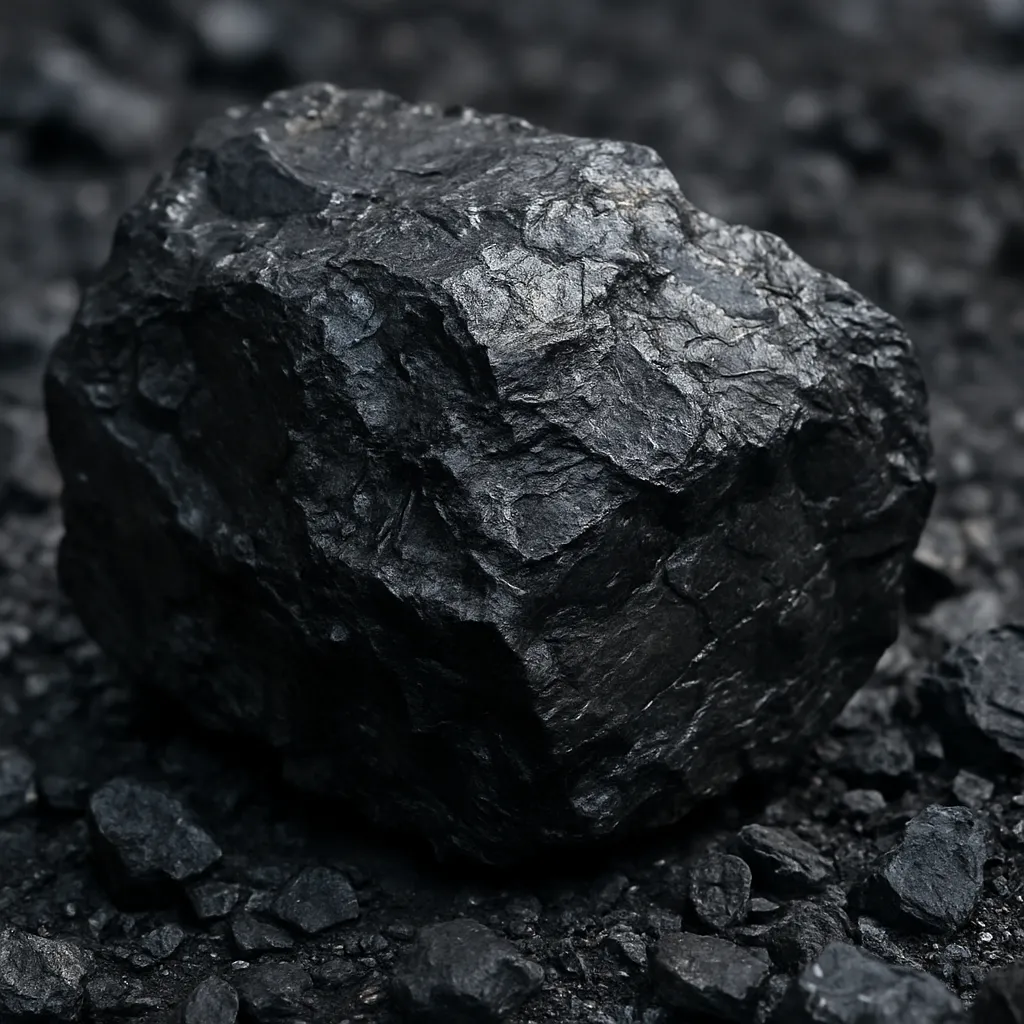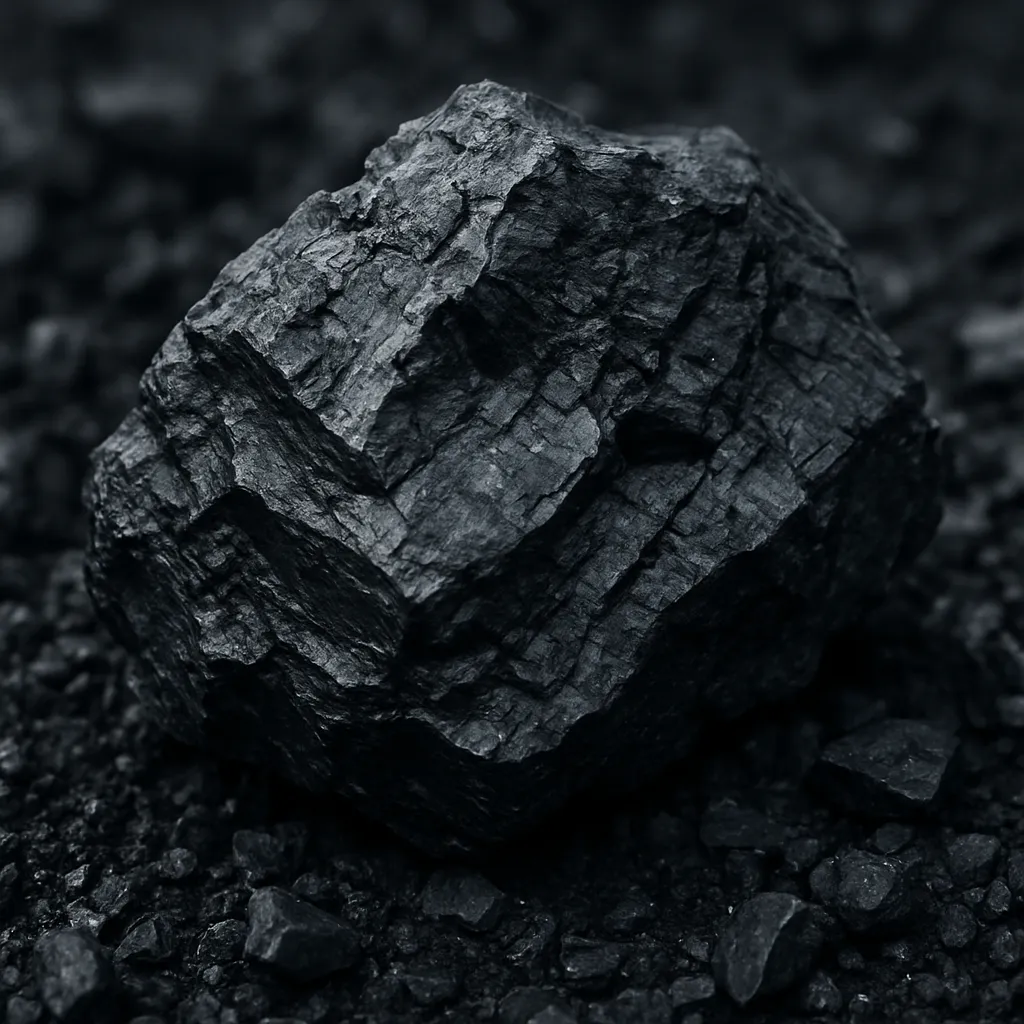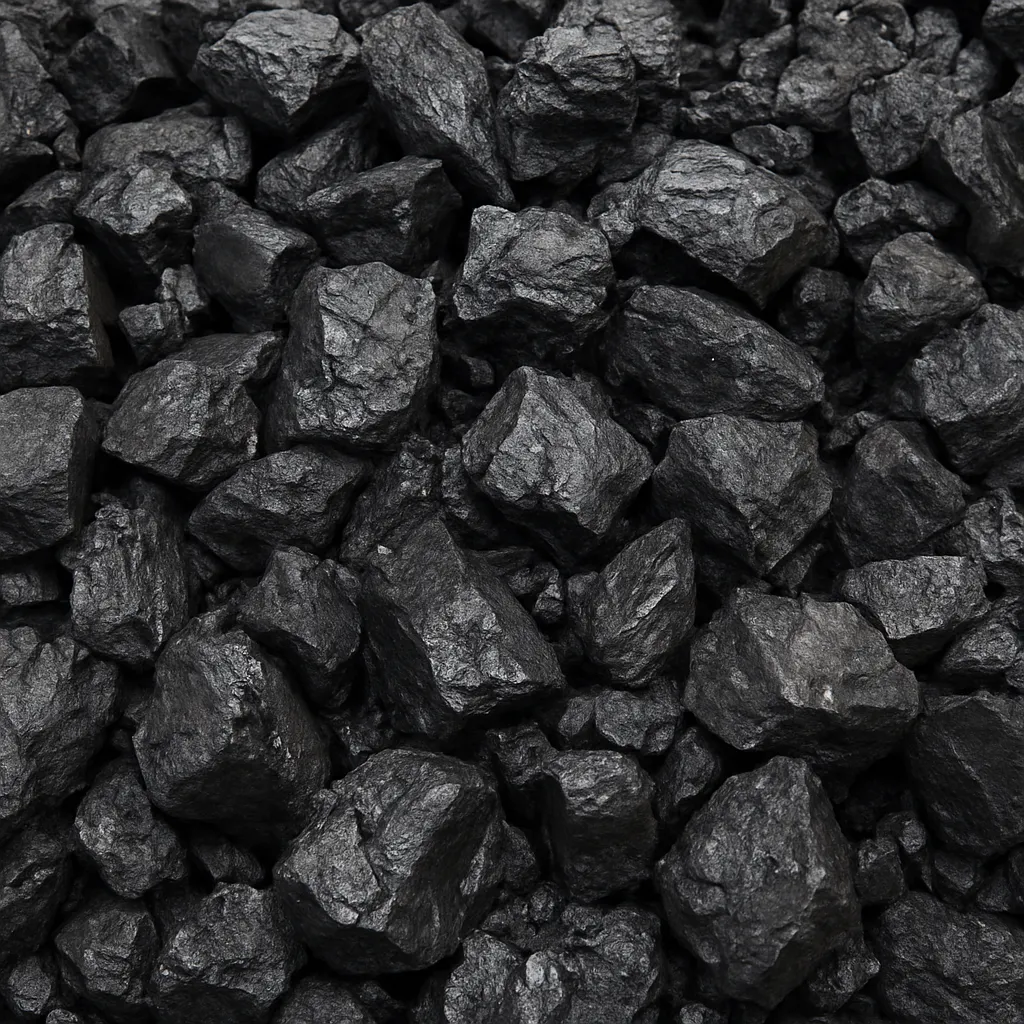
High-volatile B coal occupies an important place in the global spectrum of fossil fuels. As a specific sub-rank within the broader category of bituminous coals, it combines distinct physical and chemical characteristics that determine its market value, industrial applications and environmental impact. This article reviews the geology, distribution, mining and uses of high-volatile B coal, presents economic and statistical context where available, and discusses technological and policy trends that shape its future.
Geology and classification
Coal is classified by rank, which reflects the degree of coalification—the transformation of plant material into coal under pressure and heat over geological time. Within the bituminous rank, coal is further subdivided into high-volatile A, B and C, medium-volatile and low-volatile subcategories according to standardized schemes (for example ASTM D388). High-volatile B coal is characterized by a relatively high proportion of volatile matter compared with lower-rank bituminous coals and higher fixed carbon content than subbituminous coals.
Key parameters used in classification include gross calorific value (energy content), fixed carbon, volatile matter, moisture and ash content. High-volatile B typically sits between high-volatile C and medium-volatile bituminous coals in terms of energy density and reactivity. Its higher volatile matter means it is more reactive on ignition and produces more tars and gases during heating, which affects its behavior in industrial processes such as pulverized coal combustion, gasification and coking blends.
Where it occurs and major mining regions
High-volatile B coal is found in many of the world’s mature coal basins. Deposits occur where the geological history produced sufficient burial, heat and pressure to reach the bituminous rank but not to advance into medium- or low-volatile bituminous or anthracite. Major regions with significant occurrences include:
- Appalachian Basin (United States) — the Appalachian region (Pennsylvania, West Virginia, Kentucky) contains extensive bituminous seams with many mines producing high-volatile sub-ranks.
- Illinois Basin (United States) — produces bituminous coal used for power and industrial purposes.
- Kuznetsk Basin (Kuzbass), Russia — a large producer of bituminous coals across a range of ranks, including high-volatile varieties.
- Shanxi, Shaanxi, Inner Mongolia and other basins in China — China’s coal diversity includes many bituminous deposits used for domestic power and industry.
- New South Wales and Queensland, Australia — both states produce thermal and semi-soft coking coals; some mines produce high-volatile bituminous products.
- Upper Silesian Basin, Poland — historically important for bituminous coal production.
- Witbank/Highveld and other basins in South Africa — produce bituminous coal used domestically and for export.
- Jharia and Raniganj fields, India — among the country’s major bituminous coal reserves.
Within each basin, coal rank can vary greatly over short distances. Mining operations classify and grade coal continuously to match product specifications for buyers, so some mines may produce multiple market-grade streams derived from the same geologic horizon.
Physical and chemical properties
High-volatile B coals are defined by a balance of energy content and reactivity:
- Volatile matter: Higher than medium- and low-volatile bituminous coals, which makes combustion easier to initiate and increases gas/tar generation under pyrolysis.
- Fixed carbon: Lower than low-volatile bituminous coals, affecting calorific value and coke strength.
- Calorific value: Typically moderate-to-high for thermal applications; specific values vary by deposit and moisture/ash content.
- Ash and sulfur content: Highly variable; some seams are low-ash and low-sulfur (higher quality), while others contain significant mineral matter that affects handling and emissions.
- Petrographic features: Vitrinite, inertinite and liptinite contents influence how a coal behaves during coking, combustion and gasification.
Because of this mix of properties, high-volatile B coal can be flexible in use but must often be blended or processed to meet strict industrial requirements—for example, in steam turbines or metallurgical coke ovens.
Industrial uses and significance
High-volatile B coal is primarily valued for its role in energy production and as a feedstock in various thermal and chemical processes. The principal uses include:
- Power generation: Many thermal power plants, especially those that use pulverized coal boilers, accept high-volatile bituminous coals because of their reliable ignition and flame stability. Blending with other coals is common to control emissions and boiler performance.
- Industrial steam and heating: Factories, district heating and other industrial users rely on bituminous coal for boiler fuel.
- Gasification and chemical feedstock: High-volatile coals, due to their reactivity, are often suitable for coal gasification to produce syngas (a mixture of carbon monoxide and hydrogen) for chemicals, fuels and power.
- Coking and metallurgical use: While the best metallurgical coals tend to be medium- to low-volatile bituminous coals that produce strong coke, some high-volatile coals are used in blends for coke-making or as part of pulverized coal injection mixes in blast furnaces.
- Coal-derived products: Tar, pitch and other byproducts from coal processing have niche industrial applications.
The exact mix of applications depends on local industry structure and regulations. For example, in regions with a large steel industry, higher-grade coking coals command a premium, whereas in areas dominated by power generation the value of high-volatile B coal is driven by electricity demand and plant specifications.
Economic and trade context
Coal remains a globally traded commodity with distinct markets for thermal and metallurgical grades. Some broad economic facts and trends relevant to high-volatile B coal:
- Global coal production has been measured in the range of roughly 7–8 billion tonnes annually in recent years, with year-to-year variability driven by demand, policy and price cycles. A considerable share of this production is bituminous coal of various sub-ranks.
- Seaborne thermal coal trade typically ranges around 1 to 1.5 billion tonnes per year, while metallurgical (coking) coal seaborne trade is smaller but highly price-sensitive. High-volatile B coal largely participates in the thermal coal market but can move into coking blends, affecting its price dynamics.
- Price drivers include global electricity demand, industrial activity (notably steelmaking), shipping costs, exchange rates and energy policy (carbon pricing, retirements of coal-fired capacity, subsidies for alternatives).
- Major exporters of thermal and certain bituminous coals include Australia, Indonesia, Russia, the United States and Colombia. Domestic production and consumption are dominant in China, India and the United States.
At the mine level, the profitability of high-volatile B coal depends on seam thickness, depth, overburden, mechanization, and costs for washing and beneficiation. Many modern operations use coal preparation plants to remove ash and sulfur, upgrading raw coal into marketable products and reducing penalties from buyers.
Statistical snapshots and illustrative figures
Statistics below are indicative and vary with the year and reporting source. They aim to contextualize the scale at which bituminous sub-ranks, including high-volatile B, participate in global energy systems:
- Global coal consumption for power and heat accounted for roughly one-third to two-fifths of worldwide electricity generation in the early 2020s. Coal’s share declines slowly in many regions while remaining high in others.
- Annual global coal production: on the order of 7–8 billion tonnes (varies by year).
- Seaborne thermal coal trade: roughly 1–1.5 billion tonnes per year; metallurgical coal trade: a few hundred million tonnes.
- Coal-related employment: millions globally across mining, transport and power sectors. Employment intensity varies by country and technology (surface vs. underground mining).
Because high-volatile B is a subgrade rather than a separate commodity category in many statistical collections, its production and trade are commonly aggregated with other bituminous coals. National and company reporting often provides granular grade splits for commercial contracts, but public international datasets typically present broader rank categories (e.g., thermal vs. metallurgical, or bituminous vs. subbituminous).
Environmental impacts, regulations and mitigation
Burning coal—regardless of rank—produces greenhouse gases and other pollutants. High-volatile B coal has specific environmental considerations due to its composition:
- CO2 emissions: Coal combustion is a major source of CO2. Emissions per tonne vary with energy content; higher energy coal tends to produce more energy per mass and sometimes lower CO2 per unit energy than lower-rank coals with high moisture, but coal combustion remains carbon-intensive compared to gas or renewables.
- Air pollutants: Sulfur dioxide (SO2), nitrogen oxides (NOx) and particulate matter depend on sulfur and mineral content; flue-gas desulfurization and selective catalytic reduction are commonly applied to coal-fired plants.
- Mercury and trace elements: Coal can contain trace metals that require control technologies and proper ash management.
- Land and water impacts: Mining and preparation produce spoil, tailings and wastewater that must be managed to prevent ecosystem harm.
Policy responses include emissions regulations, coal plant retirements, carbon pricing in some jurisdictions, and incentives for renewables. At the same time, technologies such as carbon capture, utilization and storage (CCUS) and advanced gasification aim to reduce the carbon footprint of coal use, potentially extending the economic life of coals like high-volatile B in decarbonizing pathways.
Technological applications and processing
Because of its higher volatility and reactivity, high-volatile B coal lends itself to several technological processes:
- Coal washing and beneficiation: Reduces ash and sulfur, improving market grade and reducing transport/combustion penalties.
- Gasification: Higher reactivity aids in conversion to syngas for chemical synthesis, hydrogen production or power generation with integrated gasification combined cycle (IGCC).
- Pulverized coal combustion and fluidized beds: High-volatile coals perform well in units designed to handle reactive coals; circulating fluidized beds can accommodate a wider range of fuel qualities and provide in-situ sulfur capture.
- Blending for metallurgical use: Although not the strongest coking coal, high-volatile B can be part of complex blends to achieve required coke properties while managing cost.
Innovations in emission control, process efficiency and CCUS will determine how long significant volumes of bituminous coals continue to serve industrial energy and feedstock roles. Meanwhile, research into coal-to-liquids, hydrogen and chemical feedstocks explores ways to reduce lifecycle emissions when combined with carbon management.
Market dynamics and future prospects
The near- and medium-term outlook for high-volatile B coal is shaped by multiple, sometimes contradictory forces:
- Energy demand growth in developing economies can sustain demand for thermal bituminous coal for power and industry.
- Decarbonization policies and investment in renewable energy and gas tend to reduce coal’s share in OECD and many emerging markets.
- Steel production choices—such as greater recycling, hydrogen-based steelmaking and changes in blast-furnace technology—affect demand for coking coal and thus the value of coal that can enter metallurgical blends.
- Price volatility: Coal prices respond quickly to geopolitical events, shipping constraints and demand shocks, affecting the competitiveness of different coal grades.
Producers of high-volatile B coal will likely emphasize cost-efficiency, product quality (reduced ash and sulfur), and compliance with environmental standards. Regions with abundant, high-quality bituminous reserves and integrated industrial demand (power, chemicals, steel) are best positioned to maintain production economically.
Interesting technical and historical notes
A few items of broader interest:
- Rank variability within a single basin: It is common for a single coal seam to show lateral and vertical variations in rank, causing a mine to produce multiple product grades that are marketed separately.
- Historical importance: In many industrializing countries, bituminous coals like high-volatile B powered early electricity generation and steelmaking, underpinning industrial revolutions and regional economic development.
- Coal petrology’s role: The petrographic composition (vitrinite reflectance, maceral composition) is crucial in predicting behavior in coking and gasification—two factors that determine technical suitability beyond simple proximate analysis.
- Blending practice: Modern coal users commonly blend coals from multiple seams or mines to achieve stable combustion, predictable emissions, and product specifications, making high-volatile B an important component in many commercial mixes.
Concluding observations
High-volatile B coal is a versatile subcategory of bituminous coal that contributes significantly to power generation, industrial heat and certain chemical processes. Its balance of volatile matter, energy content and reactivity gives it technical utility, while its economic value fluctuates with global energy demand, trade flows and environmental policy. As the energy system evolves, the future role of high-volatile B coal will depend on technological adoption (e.g., CCUS, gasification), regulatory frameworks (emissions limits, carbon pricing), and the dynamics of regional industrial demand. For producers and consumers alike, managing quality through washing and blending, and adapting to policy and market signals, will determine how this coal rank remains integrated into 21st-century energy and industrial systems.