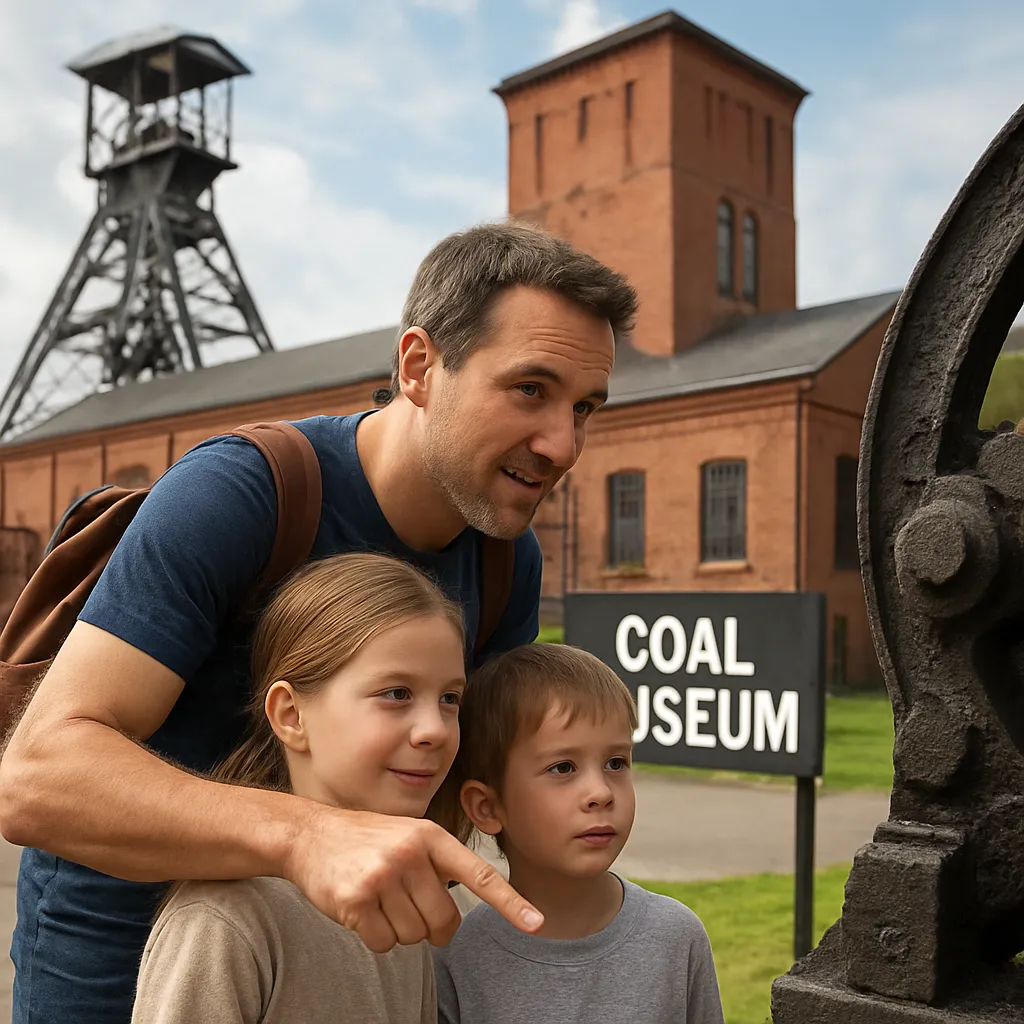
The story of Coal stretches back hundreds of millions of years, shaping landscapes and fueling civilizations. From its geological formation deep within the Earth’s crust to its pivotal role in powering the steam engines of the Industrial Revolution, coal has been both a blessing and a burden. While it laid the foundation for modern electricity generation and economic expansion, concerns over carbon emissions and environmental impact have spurred global efforts to transform energy systems. Understanding coal’s past and present dynamics offers valuable insight into how markets evolve, why nations invest in this resource, and how emerging technologies like smart grids are reshaping the future of power.
Coal: A Historical Perspective
Coal’s origins lie in prehistoric forests where vegetation, buried under layers of sediment, underwent chemical transformation. Over eons, heat and pressure converted plant matter into peat, lignite, and eventually the anthracite and bituminous coal prized for its high carbon content. The extraction of coal—from primitive surface pits to modern deep mines—mirrors humanity’s quest for reliable fossil fuels.
- Early Uses: Coal was first burned in ancient China and Greece for heating and metalworking.
- Industrial Revolution: Coal drove steam engines, ironworks, and railways, catalyzing socioeconomic change.
- Electricity Age: By the late 19th century, coal-fired power plants became the backbone of emerging electrical grids.
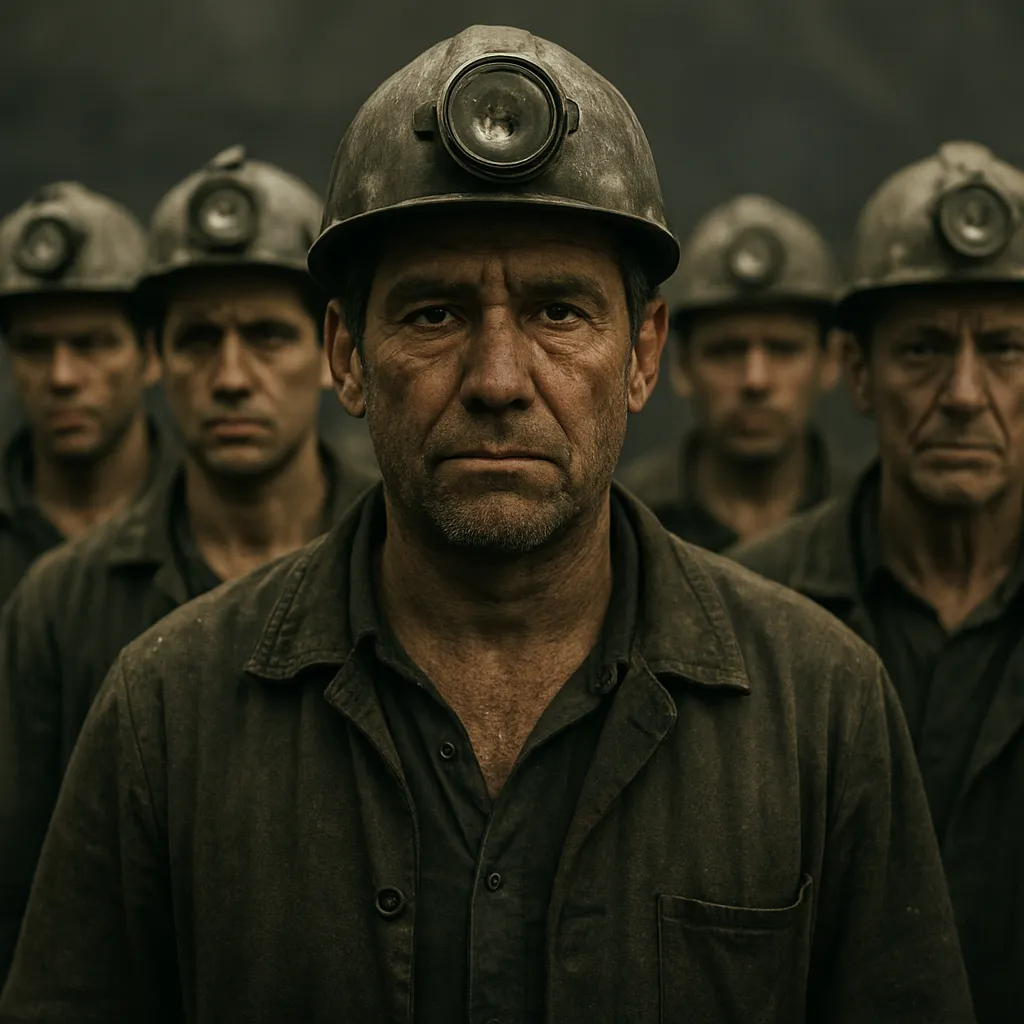
The prevalence of coal transformed regions such as Appalachia, northern England, and northeastern China into industrial hubs. Mining communities formed around collieries, often enduring harsh conditions but reaping economic opportunity. Innovations like mechanized cutting, conveyor belts, and ventilation systems improved safety and productivity. Yet, the environmental toll—acid rain, land subsidence, and heavy-air pollution—became impossible to ignore by the mid-20th century.
Market Dynamics of Coal Stock
The performance of coal in financial markets often exhibits pronounced market volatility. Prices respond to factors ranging from global economic growth to weather patterns, from geopolitical tensions to shifts in energy policy. Investors and traders monitor a complex interplay of supply, demand, transportation costs, and regulatory measures.
Supply Chain and Logistics
The journey from mine to power plant involves multiple links:
- Extraction: Surface and underground mining operations produce raw coal.
- Processing: Coal is washed and sorted by grade to meet quality standards.
- Transportation: Railways, barges, and trucks carry coal to ports and plants.
- Storage: Terminals and stockpiles manage delivery schedules and emergencies.
Logistical bottlenecks and infrastructure limitations can create price spikes, while rail strikes or port closures may trigger supply disruptions. Moreover, seasonal demand for heating can elevate spot prices in winter months, especially in colder regions.
Investment Strategies and Financial Instruments
Investors gain exposure to coal through various channels:
- Equity Shares: Publicly traded mining companies offer direct stakes in production output and reserves.
- Futures Contracts: Standardized agreements to buy or sell coal at predetermined prices.
- Exchange-Traded Funds (ETFs): Baskets of coal-related equities and derivatives.
- Bonds and Debentures: Debt instruments issued by coal producers to raise capital.
A careful portfolio might blend coal assets with other renewable energy stocks to hedge against long-term regulatory shifts. Short positions in coal futures may profit from anticipated declines in demand, while long positions on high-quality metallurgical coal can capitalize on industrial steelmaking growth.
Transition to Smart Grids and Future Outlook
The relentless pace of technological innovation is redefining power systems. Smart grids integrate digital communication, real-time monitoring, and automated controls to enhance efficiency and resilience. As renewables like wind and solar gain ground, coal-fired plants face competition based on flexibility, emissions profile, and cost effectiveness.
- Grid Modernization: Advanced sensors and analytics optimize load balancing and reduce transmission losses.
- Demand Response: Dynamic pricing and automated curtailment allow consumers to adjust usage patterns.
- Decentralized Generation: Microgrids and rooftop solar challenge centralized coal power stations.
Despite these trends, coal retains a role in many developing economies where grid stability is paramount. Investments in carbon capture, utilization, and storage (CCUS) aim to mitigate greenhouse gases, although high costs and technical hurdles persist. Meanwhile, regulatory frameworks such as emissions trading schemes, carbon taxes, and clean air standards shape corporate strategies and national energy mixes.
Emerging markets in Asia and Africa often rely on coal to meet surging electricity demand. However, international finance institutions are increasingly linking funding to environmental performance, encouraging solar and wind alternatives. Private investors also weigh the long-term viability of coal enterprises against evolving public sentiment and shareholder activism.
The future of coal stock hinges on its ability to adapt: deploying cleaner combustion technologies, aligning with carbon neutrality targets, and integrating into hybrid energy systems. While coal’s share of the global energy pie may shrink over coming decades, its legacy endures—in the steel structures we inhabit, the rails that carry freight, and the financial portfolios that reflect shifting energy landscapes.