The Caucasia area in northern Antioquia, Colombia, represents one of the lesser-known but regionally significant locations where coal extraction and related activities take place. This article examines the geological setting, mining characteristics, economic role, environmental and social impacts, and the broader significance of coal operations in and around Caucasia. It provides an integrative overview for readers interested in Colombian energy resources, regional development, and the competing pressures of economic growth and environmental protection. The following sections synthesize available information about the site type commonly described as the Caucasia coal area and place it in the national and regional context.
Location, geological setting and type of coal
The town of Caucasia sits in the Bajo Cauca subregion of the Antioquia Department, along the Cauca River corridor. The wider Bajo Cauca and neighbouring regions are more widely known for alluvial gold and other mineral resources; however, scattered coal occurrences and small- to medium-scale coal mining operations have been reported across Antioquia and adjacent basins. Coal-bearing sequences in Colombia are principally associated with Mesozoic to Cenozoic sedimentary basins; the main commercial deposits are concentrated in the Cesar-Ranchería basin and La Guajira, but coal seams also appear in other basins with variable economic potential.
Coal in the Caucasia area is typically characterized as thermal coal used for power generation and industrial processes rather than metallurgical (coking) coal used for steelmaking. The coal rank reported in similar northern-Antioquia and Magdalena basin occurrences ranges from sub-bituminous to low- and medium-grade bituminous coal, with variable moisture and ash content depending on seam thickness and local geology. Quality tends to be lower than the premium low-ash coals exported from Colombia’s major mines, so coal from Caucasia-style sites often serves domestic markets, local power generation, or small-scale industrial needs.
Mining methods, scale and operations
Typical mining techniques
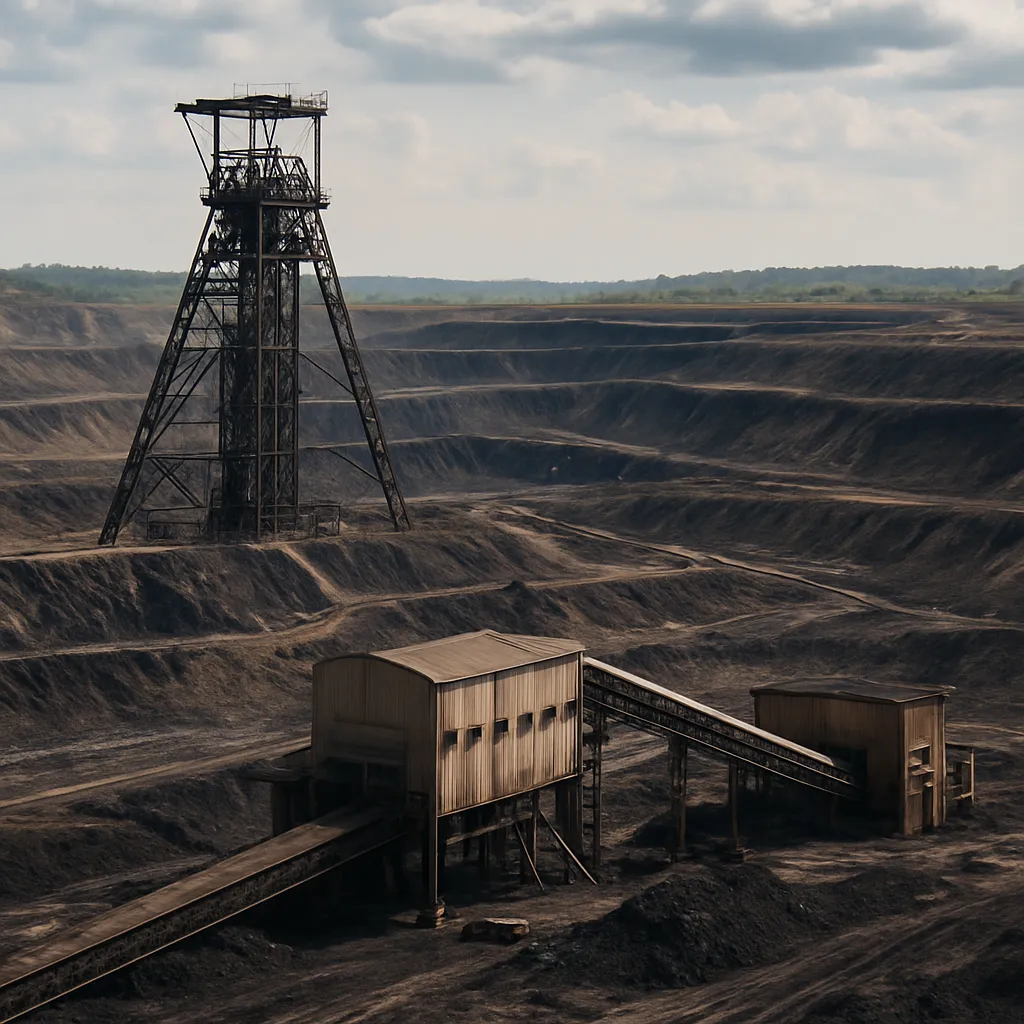
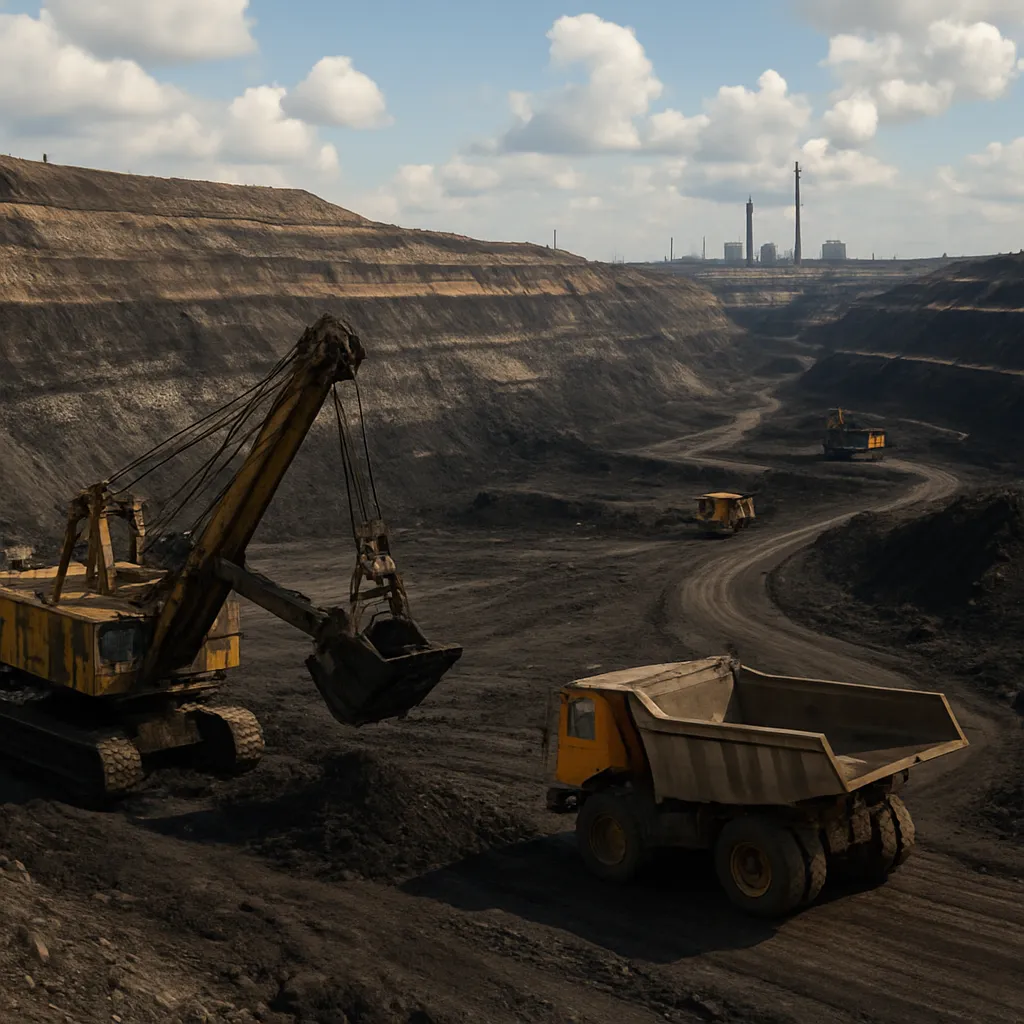
Mining in the Caucasia region generally follows small to medium-scale approaches. Common methods include:
- Surface (open-pit) mining for shallow, laterally extensive seams—effective where overburden is limited and seams are near the surface.
- Small underground operations where coal seams are deeper or where surface disturbance must be minimized.
- Alluvial/placer-like recovery when coal fragments have been transported and concentrated in riverine or alluvial deposits (less common for commercial production but historically relevant for local extraction).
Operations are often conducted by a mix of local companies, contractors and artisanal or informal miners. Compared to Colombia’s major export mines that operate at tens of millions of tonnes per year, Caucasia-area operations are more modest in scale, focused on serving regional demand and providing local employment.
Infrastructure and logistics
Infrastructure is a decisive factor for coal viability. Caucasia benefits from its riverine location on the Cauca River and road links to Medellín and other regional centers. However, limitations in rail connectivity, port access, and seasonal road conditions can constrain large-scale export operations. Coal produced in the area is frequently transported by truck to nearby industrial consumers or to downstream river transport nodes, or it is sold to regional traders who consolidate supplies for larger markets.
Economic and statistical context
Colombia is a major global coal exporter, and coal has long been a key contributor to national export earnings and regional economies. While the largest volumes come from mines in La Guajira and Cesar, smaller mining districts—including those in Antioquia—add to domestic supply chains and local livelihoods. In general terms:
- Coal contributes a meaningful share of Colombia’s export revenue, foreign exchange and fiscal receipts through taxes, royalties and fees collected at national and subnational levels.
- Smaller mines such as those around Caucasia tend to generate local employment, often in extraction, hauling and ancillary services, and contribute to municipal incomes via royalties and local taxes.
- Because of their scale, Caucasia-area coal operations have a far smaller footprint on national production statistics but can be economically significant for the Bajo Cauca communities.
Reliable, mine-level production data for many smaller Colombian mines are limited in public databases. National production historically has been dominated by a handful of large producers—these provide the majority of export tonnage—while dozens of smaller operations supply local and regional markets. In lieu of precise mine-by-mine annual tonnage figures for Caucasia, it is useful to consider qualitative impacts: coal extraction generates direct jobs in mining, trucking, and site maintenance, and indirect employment in services and supply chains.
Socio-economic importance and local impacts
For municipalities like Caucasia, extractive activities can provide several short- and medium-term socio-economic benefits:
- Employment: Mining jobs (although often cyclical and sometimes seasonal) may offer higher wages than agricultural work, attracting local labour and reducing immediate poverty pressures.
- Municipal revenues: Royalties, special industry taxes and local business activity contribute to the municipal budget and can finance public services.
- Infrastructure development: Mining projects sometimes bring improvements in roads, power and communications that also benefit non-mining communities.
However, these benefits are frequently balanced by challenges. Labour in smaller-scale mines can be informal, with limited social protection and higher safety risks. Local economies that rely heavily on extractive incomes can face instability when commodity prices or demand fall. Distribution of benefits may be uneven, which can fuel social tensions between communities, mine operators and government authorities.
Environmental and social challenges
Mining in riverine and tropical regions such as Bajo Cauca brings complex environmental risks. Key concerns associated with coal extraction in and around Caucasia include:
- Water quality and quantity: Sediment runoff, accidental spills of hydrocarbons and fine particulate matter can degrade rivers used for fishing, drinking water and agriculture.
- Ecosystem disturbance: Clearing for pits, waste dumps and access roads affects riparian zones, wetlands and local biodiversity corridors.
- Air quality and health: Dust from blasting, hauling and coal handling can increase respiratory problems among workers and nearby residents.
- Land use conflicts: Competing claims over land for agriculture, pastoralism, or conservation can intensify when mining expands.
Socially, mining operations may overlap with communities affected by historical violence and displacement in certain parts of Bajo Cauca. This context heightens the importance of robust consultation, community benefit-sharing mechanisms, and transparent governance to prevent conflict and mitigate social harm. Environmental management plans, proper waste disposal, progressive reclamation and continuous monitoring are crucial to reduce long-term ecological damage.
Regulatory framework, governance and community relations
Mining in Colombia is regulated at national and departmental levels. Key features relevant to Caucasia and similar sites include:
- Permit and licensing systems that require concessions, environmental licenses and community consultation, although compliance and enforcement can vary.
- Obligations to pay royalties and taxes, with a share of revenues flowing to departmental and municipal budgets.
- Environmental impact assessment (EIA) processes intended to identify mitigation measures, monitoring requirements and reclamation commitments.
In practice, effective governance depends on the capacity of municipal and departmental authorities to monitor compliance and on operators’ willingness to implement best practices. When companies engage constructively—investing in local development projects, formalizing employment and carrying out meaningful consultations—the potential for positive outcomes increases. Conversely, weak oversight and informal operations may exacerbate environmental degradation and social grievances.
Role in the national energy mix and export markets
Coal from Caucasia-style operations feeds into a national energy system still reliant on a mix of hydropower, thermal generation and increasingly renewable sources. Domestic thermal coal is used for backup power plants, industrial heat processes and localized energy needs, while higher-quality Colombian coals are exported to markets in Europe, Asia and the Americas.
Although production from small deposits does not move global markets, aggregated supplies from many smaller mines contribute to national resilience and supply diversity. For some local industries and utilities, regionally produced coal reduces transportation costs and supply risk compared to relying solely on large distant mines or imports.
Environmental mitigation, reclamation and best practices
Modern mining practice emphasizes minimizing environmental harm and ensuring post-mining land restoration. For the Caucasia area, recommended and sometimes implemented measures include:
- Progressive reclamation of disturbed lands—rehabilitating pits and waste dumps with native vegetation once extraction is complete.
- Water treatment systems to control run-off and prevent contamination of rivers, combined with continuous monitoring of water quality.
- Dust suppression (water sprays, covered transport) and noise mitigation to reduce impacts on communities.
- Formal health and safety programs, training and protective equipment for workers to reduce injury and disease risks.
- Economic diversification programs funded in part by mining royalties to reduce local dependence on extractive income.
Adopting these practices requires capacity, regulatory oversight and financial incentives. Where they are applied, communities experience fewer negative legacies and have greater opportunities to repurpose rehabilitated land for agriculture, forestry or ecotourism.
Trends, risks and future outlook
The future of coal activity in the Caucasia area will be shaped by several converging trends:
- Global energy transition pressures that reduce demand for thermal coal in some markets—this could dampen long-term export prospects but may not eliminate domestic use in the near term.
- National policy choices and investment in renewables and energy efficiency that influence domestic coal demand.
- Local governance improvements that could formalize small operations, improve environmental performance and enhance community benefits.
- Market volatility—coal prices and demand can shift rapidly, affecting the viability of smaller mines more than large, low-cost operations.
These dynamics suggest two plausible pathways for Caucasia-area coal: one in which smaller mines adapt by improving efficiency, formalizing operations and focusing on regional markets; and another where marginal coal operations become uneconomic and close, prompting social and economic challenges that require active planning for alternative livelihoods.
Interesting facts and context
- Strategic location: Caucasia’s position on the Cauca River corridor has historically supported transport, trade and extractive activities—the same geography that can both enable and complicate responsible mining.
- Multiplicity of minerals: The Bajo Cauca region’s mineralization is diverse; communities often contend with overlapping interests in gold, aggregates, and coal, which affects land-use decisions.
- Scale contrast: While Colombia’s headline coal producers operate enormous open-pit mines, many Caucasia-area operations are far smaller and characterized by localized supply chains and direct community interactions.
- Community activism: Civil society and local stakeholders in regions with extractive projects in Colombia have become increasingly active in demanding transparency, environmental protection and benefit sharing, a trend also visible in Bajo Cauca.
Concluding perspective
Caucasia and the surrounding Bajo Cauca area exemplify the localized, often complex reality of coal mining beyond the large export-focused operations. Coal extracted here tends to be used domestically or regionally, providing employment and municipal revenues while generating environmental and social pressures that require careful management. The longer-term trajectory for coal in the area will hinge on market forces, national energy policy, the quality of governance and the capacity of operators and communities to implement sustainable practices.
Key themes that emerge from the Caucasia coal context are the juxtaposition of opportunity and risk, the importance of robust regulation and enforcement, and the need for planning that secures community welfare and environmental integrity as extractive activities evolve.