
Run-of-mine coal (ROM coal)
Run-of-mine coal (commonly abbreviated as ROM coal) is the raw material produced directly from a mine before any processing, washing or blending. It represents the first form of coal as…
)
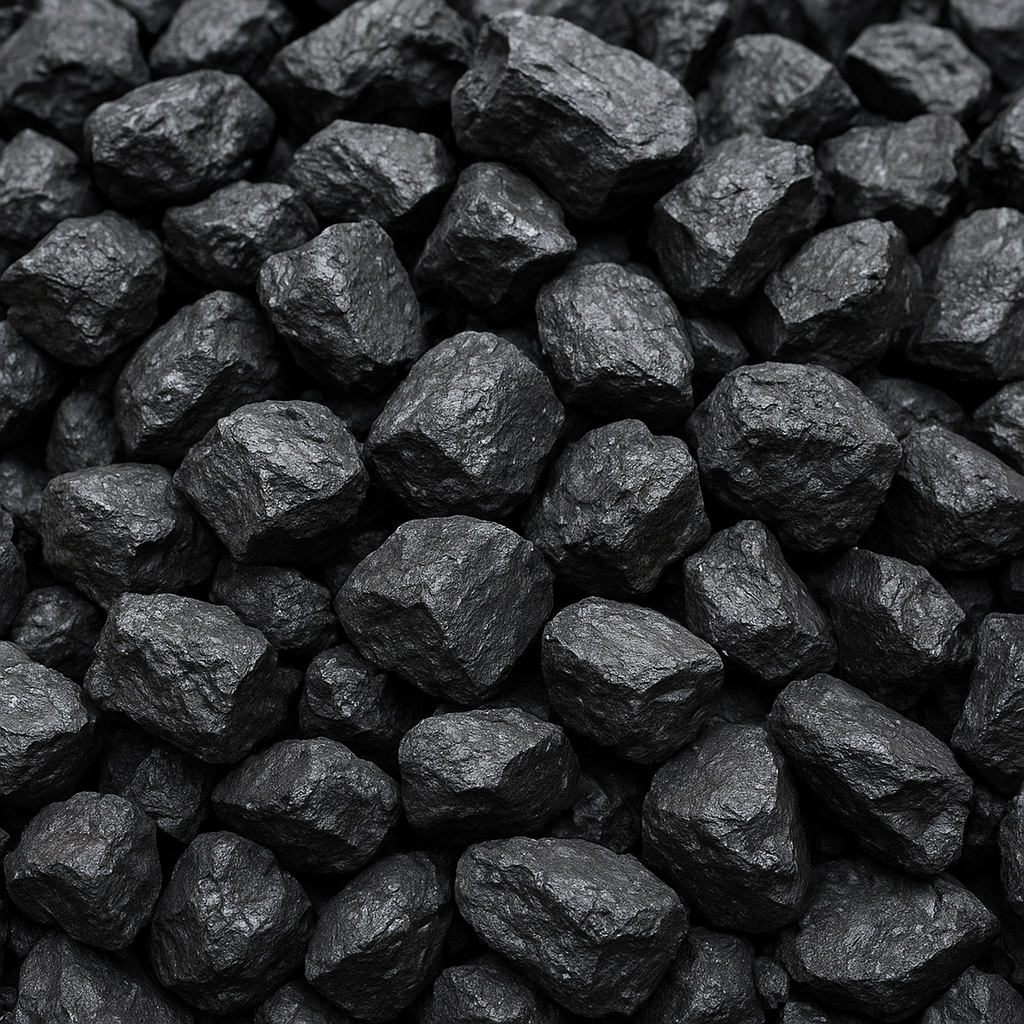
Washed thermal coal
Washed thermal coal occupies a distinct place within the global coal sector as a commercially prepared product designed to meet the quality demands of modern power plants and industrial users.…

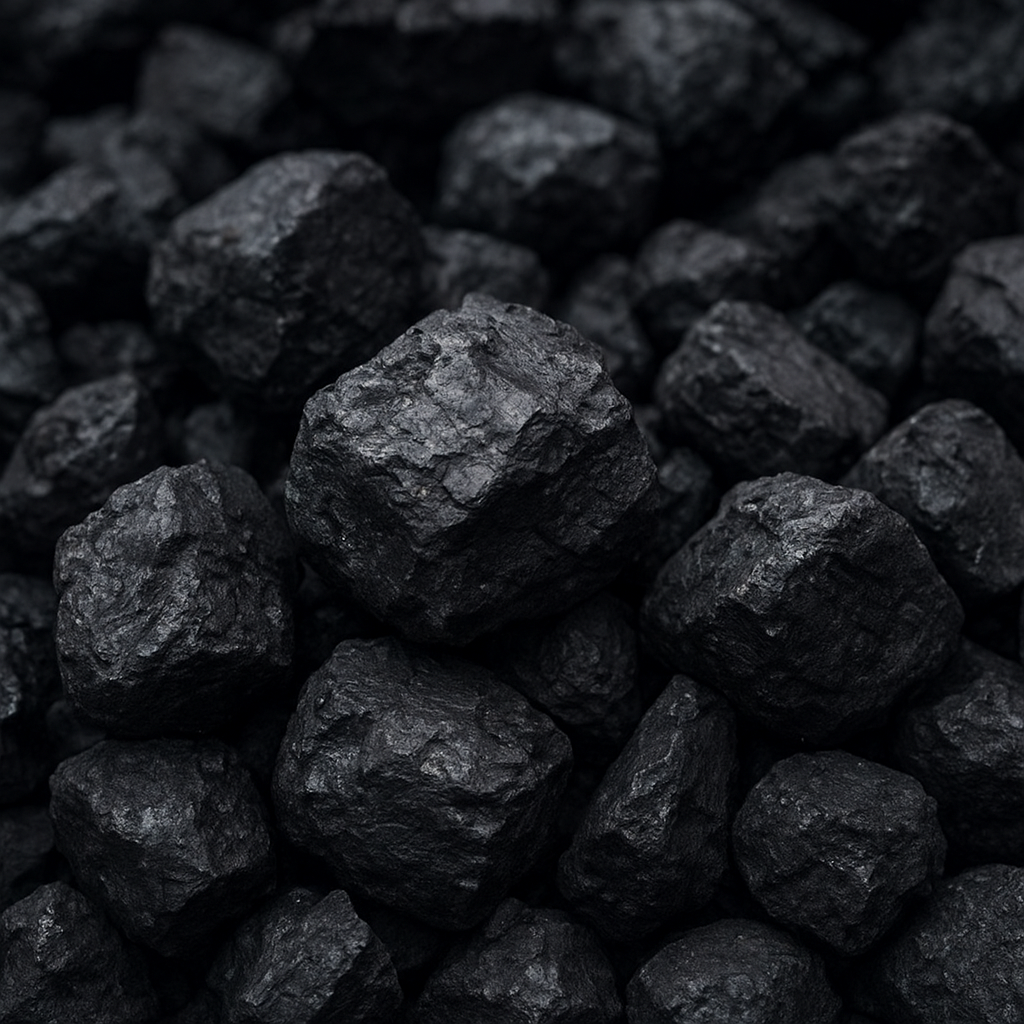
Industrial steam coal
Industrial steam coal — commonly called thermal coal — remains a cornerstone of global energy systems and heavy industries despite growing pressure from decarbonisation policies. This article examines what industrial…


Power-station coal
This article examines the coal used in large-scale electricity generation — commonly called power-station or thermal coal — its geological occurrence, mining and processing, economic and trade dynamics, role in…


Heating coal
Heating coal plays a continuing and complex role in the modern energy system. This article explores the geological occurrence, mining and processing, global production and trade, economic importance, industrial uses,…


Steam-raising coal
Steam-raising coal, often referred to as steam coal or thermal coal, is the class of coal primarily used to generate steam for electricity production and industrial heat. This article examines…


Carbon coal
The following article examines the geological nature, global distribution, economic importance, and environmental implications of coal — a sedimentary rock that has powered industry and societies for centuries. It covers…


Forge coal
Forge coal occupies a unique niche within the wider family of fossil coals: a traditional fuel valued by smiths, foundries and small metallurgical operations for its workability and heat characteristics.…


Gas coal
This article explores the nature, distribution, economic importance and industrial uses of gas coal — a form of coal with distinctive physical and chemical properties that make it valuable for…


Non-coking coal
Non-coking coal, often referred to as thermal or steam coal, is one of the most widely used fossil fuels in the world. Unlike coking coal, which is suitable for metallurgical…
