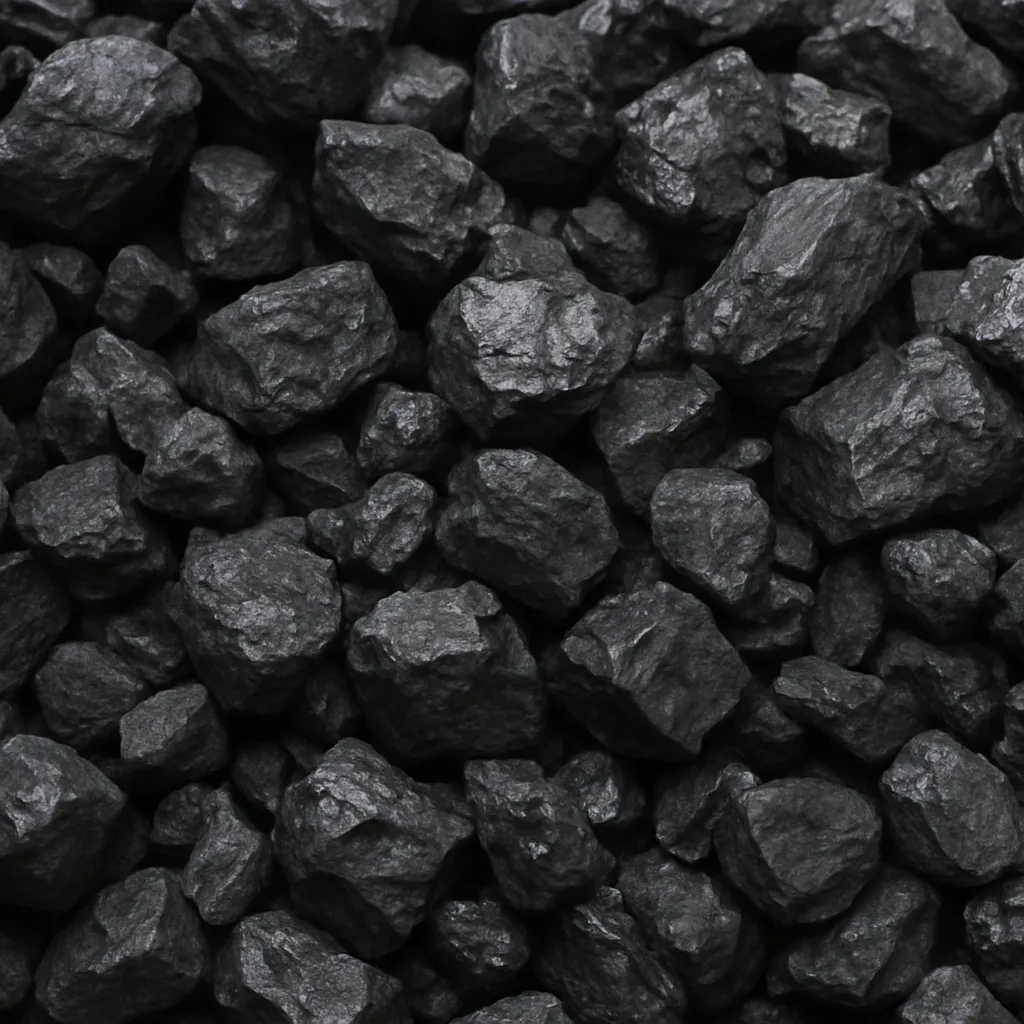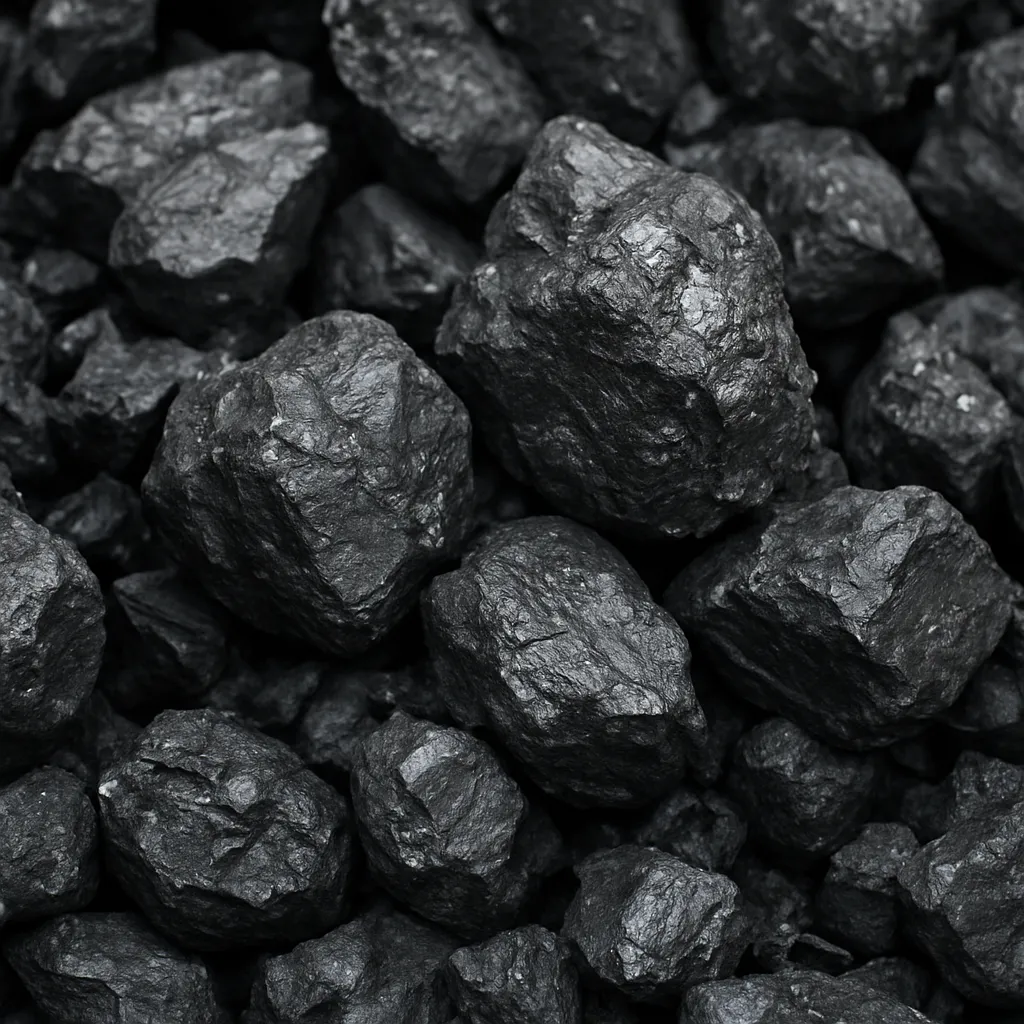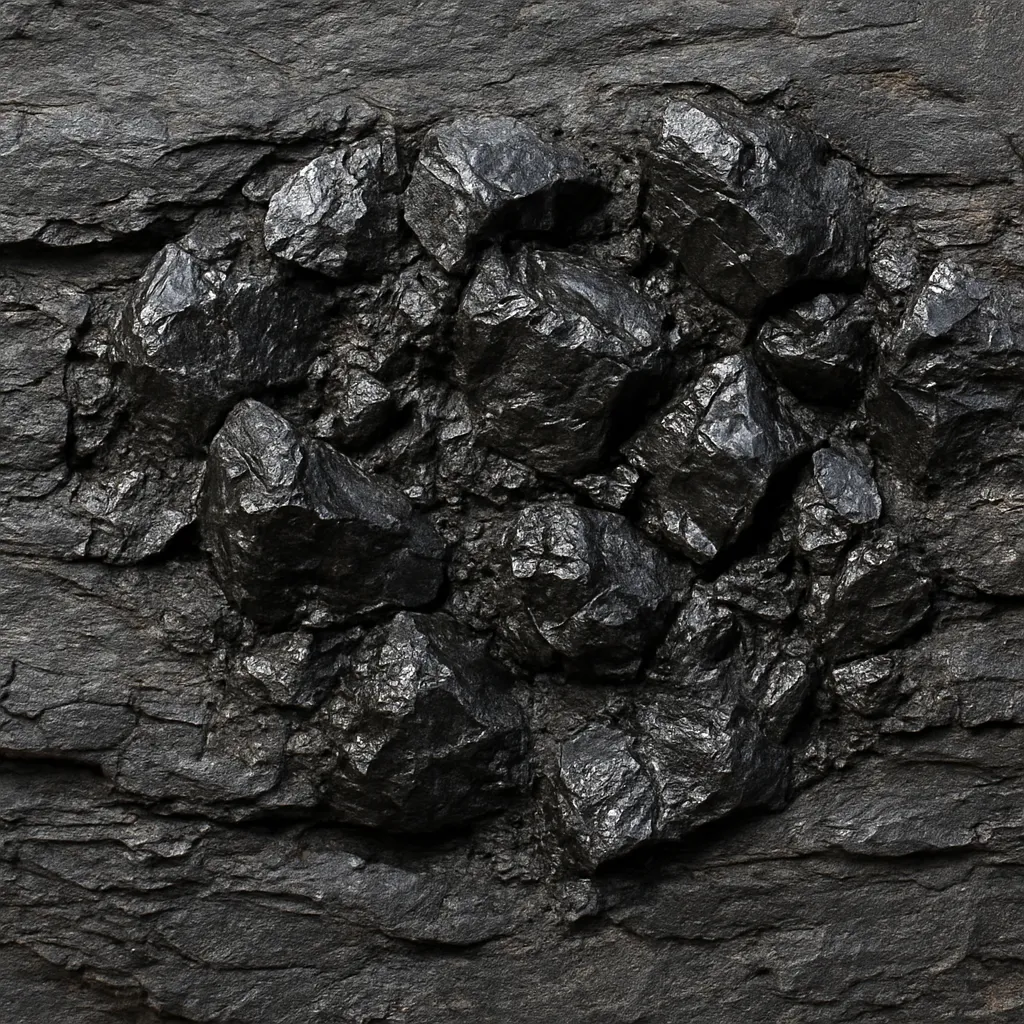
This article examines the geological character, distribution, extraction, economic role and industrial importance of carbonaceous shale and its relationship to coal. Carbonaceous shale represents a group of fine-grained sedimentary rocks enriched in organic matter; in many basins it is closely associated with coal seams, acts as a source rock for hydrocarbons, or grades into coal under the right conditions. Below you will find a comprehensive overview that covers geological origins, major producing regions, extraction and processing techniques, economic statistics and trends, environmental and social impacts, and technological developments shaping the future of carbon-rich sedimentary resources.
Nature, composition and formation of carbonaceous shale and relationship to coal
Carbonaceous shale is a type of shale distinguished by an elevated content of organic matter relative to typical shales. While ordinary shale is largely composed of clay minerals, silt and fine detritus, carbonaceous shale contains significant concentrations of preserved biological material—plant debris, algal remains and other organics—that, with burial and diagenesis, contribute to its unique properties. In many contexts carbonaceous shale represents a transitional lithology between ordinary shale and peat-derived sediments that may eventually form coal.
Key components and characteristics
- Organic matter: The organic fraction can be present as dispersed amorphous material or as identifiable plant fragments. This organic fraction, often measured as total organic carbon (TOC), is central to the rock’s chemical behavior and potential as a hydrocarbon source.
- Kerogen: Organic matter in carbonaceous shale is commonly preserved as kerogen, a complex mixture of macromolecules that can generate oil and gas upon thermal maturation.
- Mineralogy and texture: Higher clay and silt content than coal, often laminated, and may contain pyrite and carbonate minerals.
- Lower degree of coalification: Unlike true coal seams, carbonaceous shales have not undergone the same degree of compaction, dewatering and biochemical/thermal transformation; they thus typically have lower heating value per unit mass than coal.
Carbonaceous shale may originate in low-energy depositional environments such as restricted basins, lagoons, floodplains or shelf settings with high primary productivity and rapid burial. Over geological time, increased burial, temperature and pressure drive progressive transformation from organic-rich mudstones through stages that, in appropriate settings, may yield coalified material. Thus, carbonaceous shale is often related genetically to peat-forming environments and can be both a lateral equivalent and a precursor to coal seams.
Where carbonaceous shales and coal occur: major basins and regional distribution
Both carbonaceous shale and coal are globally distributed but concentrate in specific sedimentary basins that hosted abundant organic productivity and accommodation space at the time of deposition. Coal-bearing and carbonaceous-shale-bearing strata are common in Carboniferous, Permian, Jurassic, Cretaceous and Tertiary successions depending on regional geology.
Notable basins and regions
- North America: Appalachian Basin, Illinois Basin, Powder River Basin and the Marcellus/Utica shales (the latter are organic-rich shales known for shale gas potential).
- China: Extensive coal-bearing basins in the north and northeast (e.g., the North China Plain basins, the Ordos Basin), and widespread carbonaceous shales associated with marine and lacustrine systems.
- Russia and former Soviet republics: Large coal basins such as Kuznetsk (Kuzbass) and Donets, with adjacent carbonaceous strata in many regions.
- Australia: Bowen, Surat and other basins in Queensland and New South Wales; carbonaceous shales occur alongside coal seams in many basins.
- Europe: Silesian coalfields (Poland), Ruhr and surrounding basins in Germany, Carboniferous basins in the UK.
- South America and Africa: Coal- and carbonaceous-shale-bearing basins in South Africa, Colombia, Brazil and Argentina associated with various geologic periods.
In many sedimentary basins, organic-rich shales act as source rocks for conventional hydrocarbons or as carriers of unconventional resources (for example, shale gas). Carbonaceous shales are therefore important both for their mineral-fuel potential and their role in basin petroleum systems.
Extraction, mining and processing methods
Extraction strategies differ depending on whether one targets discrete coal seams, bulk carbonaceous shale for combustion or industrial use, or hydrocarbons contained within shale (shale gas/oil). Methods vary from traditional coal mining to modern unconventional drilling and thermal processing.
Conventional coal mining
- Surface mining (open-pit, strip mining): Employed where coal seams and carbonaceous strata are near the surface. Large earthmoving operations remove overburden to access seams, often used for low-cost thermal coal.
- Underground mining: Includes room-and-pillar and longwall methods. Longwall mining allows high recovery rates and is common in bituminous coal basins.
- Processing: Coal is often washed to remove impurities, crushed, sized and sometimes coked to produce metallurgical coke for steelmaking.
Carbonaceous shale extraction and use
- Bulk mining of carbonaceous shale is less common than coal mining because shales typically have lower calorific value and higher mineral content. In some regions, carbonaceous shale is co-mined as part of overburden or used as fuel in local cement and brick industries.
- Oil shale processing: Some organic-rich shales with adequate kerogen content are processed via retorting (pyrolysis) to produce shale oil and gas, though economic viability depends on kerogen richness and technology costs.
- Shale gas: Hydraulic fracturing and horizontal drilling unlock methane from organic-rich shales; this technique targets the gas trapped in the matrix and microfractures rather than mining the rock itself.
Environmental and safety aspects of extraction
- Mine drainage, dust, subsidence and spontaneous combustion are key risks in both coal and carbonaceous-shale operations.
- Shale gas development adds issues of water use, potential groundwater contamination and induced seismicity associated with hydraulic fracturing.
Economic importance, markets and statistics
Coal and carbonaceous organic rocks remain economically significant, with coal continuing to provide fuel for electricity and industrial heat, and carbonaceous shales contributing to hydrocarbon systems and, in some cases, unconventional fuel production. Below is an overview of market roles, trade, production and reserve statistics as understood from major industry reports (figures are approximate and intended to convey scale and trends).
Global production and leading producers
- Global coal production: Roughly in the range of 7–8 billion tonnes per year in recent years, with year-to-year variation due to demand and policy changes. Production surged in parts of the 2000s–2010s as emerging economies expanded industrial capacity, and experienced fluctuations due to energy transitions and market cycles.
- Top producing countries (approximate recent annual figures):
- China: ~3.5–4.0 billion tonnes (largest producer and consumer by a wide margin).
- India: ~700–900 million tonnes.
- United States: ~500–700 million tonnes (thermal and metallurgical coal).
- Indonesia: ~600–700 million tonnes (major exporter of thermal coal).
- Australia: ~400–500 million tonnes (major exporter, especially metallurgical coal).
Reserves and longevity
Global proven coal reserves are commonly reported in the range of about 1 trillion tonnes (often expressed as ~1,000 billion tonnes), representing many decades of supply at current consumption rates—commonly cited as over a century—though actual longevity depends on future demand, technological change and policy decisions. The distribution of reserves is uneven, with major shares in countries such as the United States, Russia, China, Australia, India and South Africa.
Economic roles and trade
- Electricity: Coal historically supplies around one-third of global electricity generation—varying by region—though this share has been gradually declining in many regions due to competition from natural gas and renewables.
- Steel and industry: Metallurgical coal used to produce coke is essential for blast-furnace steelmaking; roughly 60–70% of global steel production still relies on coking coal in integrated mills (though scrap-based electric-arc furnaces and hydrogen routes are growing).
- International trade: Australia, Indonesia and Russia are major coal exporters. Coal trade dynamics respond to shipping costs, domestic policies, and the availability of alternative fuels.
Industrial significance and diverse uses
Both coal and carbonaceous shales (through their derivative products) support multiple industries. Their roles extend beyond simple combustion to chemical feedstocks and materials.
- Power generation: Large-scale thermal power plants burn coal to produce electricity; coal-fired plants are valued for dispatchability and grid stability in many systems.
- Metallurgy: Coking coal is indispensable for producing coke, a reducing agent and structural support in blast furnaces.
- Chemical industry: Coal and shale derivatives produce ammonia, methanol, synthetic fuels, activated carbons and carbon-based chemicals.
- Cement and construction: Low-grade carbonaceous shales and some coal combustion residues are used as raw materials or additives in cement and brick manufacture.
- Hydrocarbons from shales: Shale gas and shale oil have transformed the energy landscapes of producing countries by unlocking new domestic supplies.
Environmental, health and social impacts
The extraction and use of coal and organic-rich shales raise important environmental and health concerns that influence policy and market trajectories.
Climate and air quality
- Greenhouse gas emissions: Coal combustion is one of the largest single sources of CO2 emissions globally. Coal-to-power and coal-to-liquids pathways have high carbon intensity relative to many alternatives.
- Local air pollution: Particulate matter, SO2, NOx and mercury emissions from coal-fired plants adversely affect human health and ecosystems when not adequately controlled.
Mining and land impacts
- Habitat loss, altered hydrology and acid mine drainage are common legacy issues of surface and underground mining.
- Subsidence from underground workings can damage infrastructure and landscape function.
- Spontaneous combustion of coal and carbonaceous materials stored in spoil heaps poses ongoing risks.
Water and community impacts
- Shale gas development: concerns about water consumption, wastewater disposal and potential contamination have prompted regulatory scrutiny and community opposition in some regions.
- Health: Mining communities face risks from occupational lung diseases (e.g., pneumoconiosis), noise, dust and socio-economic disruptions linked to the boom-bust nature of resource extraction.
Technological innovations, mitigation and future outlook
Technology, policy and market trends are reshaping the role of coal and carbonaceous shales in the global energy system.
Clean coal technologies and emissions control
- Flue gas desulfurization, selective catalytic reduction and particulate capture reduce local air pollutants from coal-fired plants.
- Carbon capture, utilization and storage (CCUS) aims to lower CO2 emissions from coal and gas facilities, though high costs and infrastructure needs limit widespread deployment to date.
Alternative industrial routes
- Steel decarbonization: Electrification (electric-arc furnaces using scrap and steel from direct reduced iron), biomass co-firing, and hydrogen as a reductant are pathways that reduce dependence on coking coal over time.
- Shale resource transformation: Advances in horizontal drilling and fracking dramatically increased shale gas and tight oil output in some countries, reshaping energy markets and reducing imports.
Economic transitions and policy drivers
- Carbon pricing, stricter emission standards and renewable energy policies can accelerate coal retirement in many markets.
- However, in many developing economies, coal and carbonaceous resources remain integral to energy security, industrialization and employment—creating complex trade-offs for policymakers.
Interesting geological and technical facts
- Carbonaceous shales are valuable geological archives: their organic geochemistry records past climates, ocean productivity and redox conditions, making them key targets for paleoenvironmental research.
- Some carbonaceous shales exhibit exceptionally high TOC (>10 wt%) and, when thermally mature, are excellent source rocks for hydrocarbons; others are so low in maturity that they represent potential feedstock for oil-shale retorting if economics permit.
- Coal seams sometimes contain bands of carbonaceous shale—these lithologic transitions can complicate mining but also provide insights into the depositional history of the basin.
- Spontaneous combustion of coal and carbonaceous materials in stockpiles or seams has burned for decades in places around the world, notably in some abandoned mine areas and in natural coal seam fires.
Concluding perspective
Carbonaceous shale and coal occupy interconnected roles in geology, energy systems and industrial economies. While coal remains a major fuel and industrial feedstock—especially in Asia—global trends toward decarbonization, efficiency improvements and diversification of energy supplies are altering demand patterns. Carbonaceous shales are important both as direct, albeit limited, fuel sources and as source rocks for oil and gas and as hosts for unconventional resources. The future of these materials will be shaped by technology (e.g., CCUS, alternative steelmaking), policy (emissions targets, water and land regulation), and economic choices that balance development needs, energy security and environmental protection.
Note: Numerical figures in this article are approximate and intended to indicate relative scales and trends rather than precise values. For project-level planning or academic work, consult the latest data from authoritative sources such as the International Energy Agency, national geological surveys, and industry statistical reports.