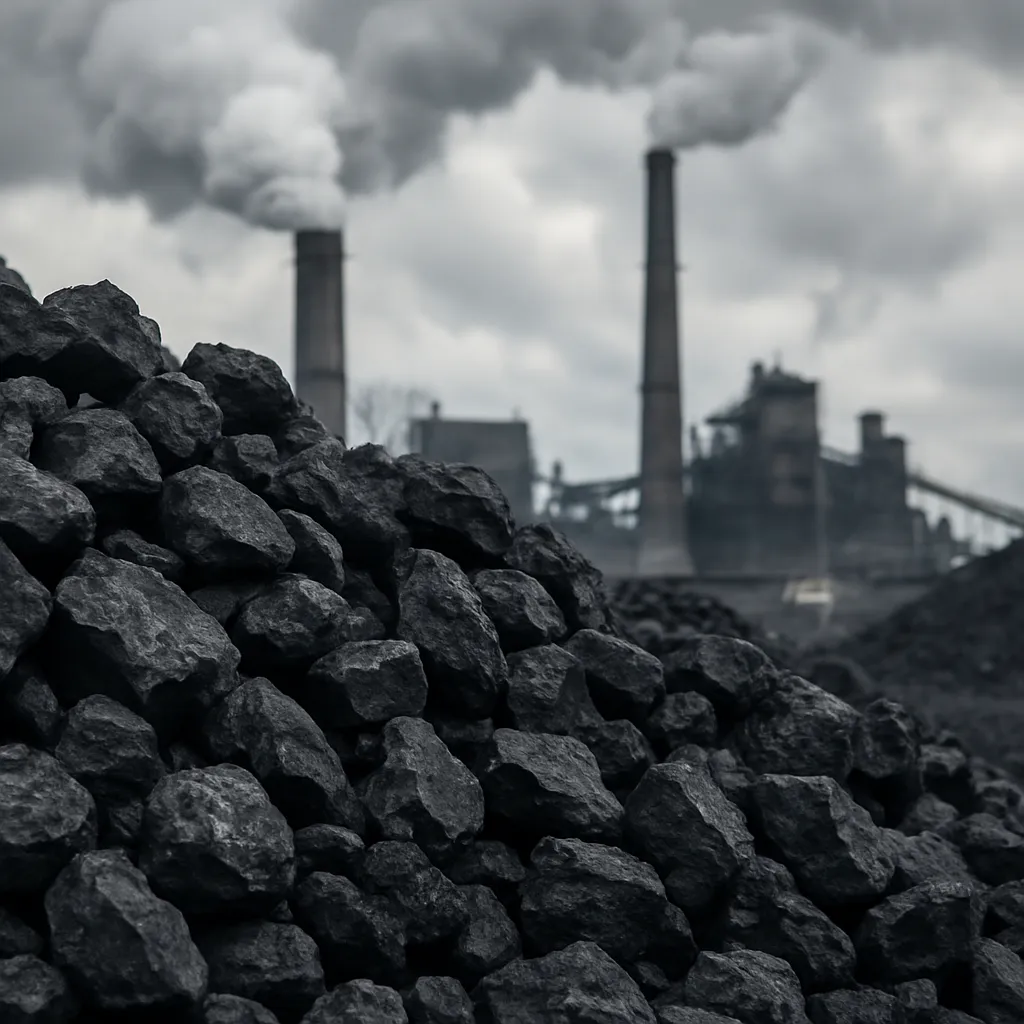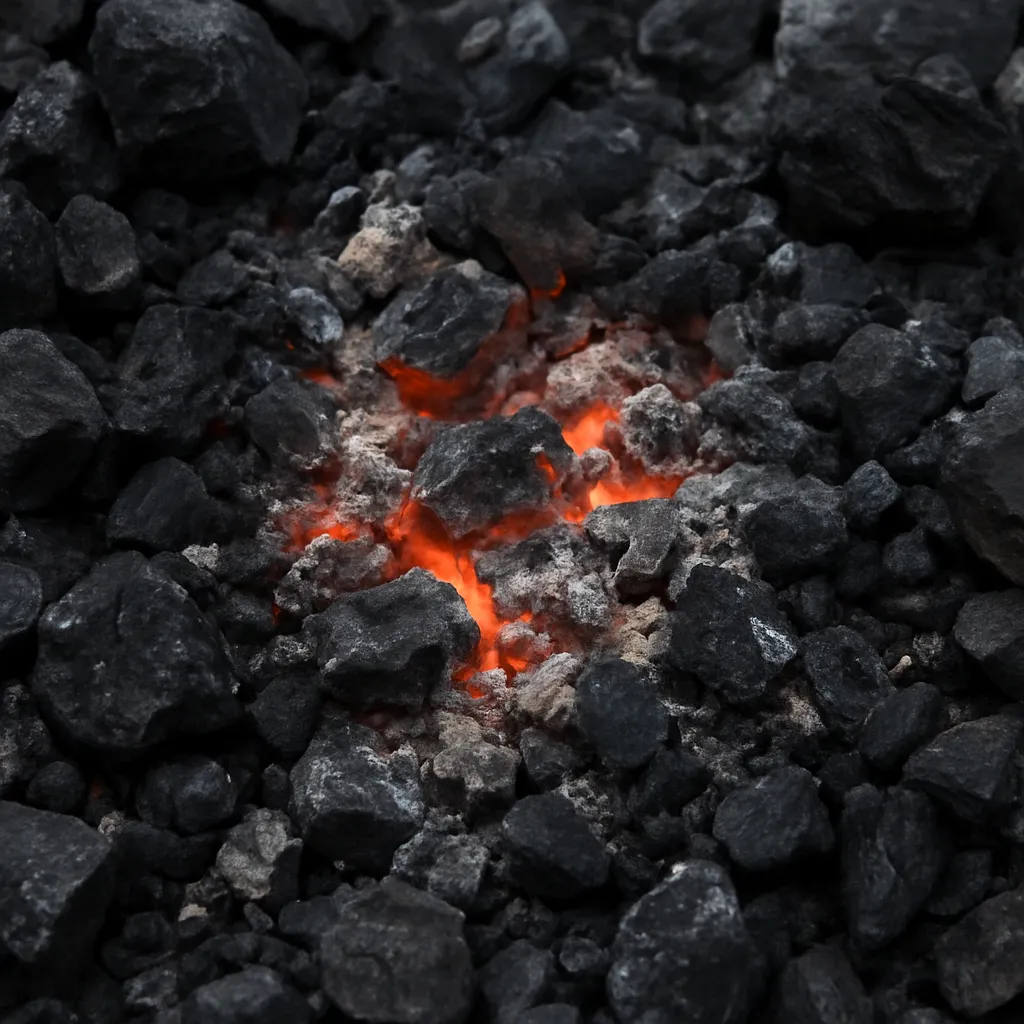
Calcination coal is a term that refers to coal varieties and coal-derived materials used in high-temperature heating processes called calcination. These processes remove volatile components, alter physical and chemical properties, and produce specialized carbonaceous products used across heavy industry. This article explains what calcination coal is, how and where it is mined, its economic and statistical context, its significance in industries such as steelmaking, aluminium, cement and chemicals, environmental and regulatory issues, and trends shaping its future. Throughout the text, key concepts are highlighted to help readers quickly identify the most important terms and ideas.
What calcination coal is and how the calcination process works
Calcination is a thermal treatment performed at temperatures typically between 500°C and 1,300°C in the absence or limited presence of air. The purpose is to drive off volatile matter, dehydrate, decarbonate, or otherwise change the physical or chemical properties of a material. When applied to coal or to carbonaceous feedstocks derived from petroleum processing (such as petroleum coke), the process produces a more carbon-rich, stable, and often electrically conductive product used in demanding industrial applications.
Two related but distinct product streams are often discussed under the umbrella of “calcination coal”:
- Calcined coal/anthracite: Certain high-rank coals (especially anthracite) can be calcined to increase fixed carbon content and reduce volatile matter and impurities. The product is used in metallurgy and other processes that require a stable carbon reductant.
- Calcined petroleum coke (CPC): Although technically derived from petroleum refining byproducts, CPC is frequently discussed alongside calcined coals because it competes in the same industrial niches (notably aluminium anode manufacture and some specialty electrodes). Petroleum coke is first green (raw) and then calcined to produce anode-grade coke.
Properties typically improved by calcination include higher fixed carbon percentage, lower volatile matter, improved mechanical strength, reduced moisture and some impurities, and altered porosity and surface area. These changes make the material preferable for producing coke-like products, carbon electrodes, and as a reductant in high-temperature chemical reactions.
Geology, occurrence and mining regions
Calcination coal is not a single geological variety but rather a processed product derived from certain coal types and related carbonaceous feedstocks. The underlying coals best suited to calcination are generally higher-rank coals—anthracite and select bituminous coals—because of their higher fixed-carbon content and lower inherent volatiles. Petroleum coke, while not geologic coal, is produced from heavy petroleum residues and is calcined to create CPC.
Major global regions associated with the extraction of coals suitable for calcination and with significant related industries include:
- China: The world’s dominant coal producer and consumer. Large anthracite and bituminous basins are used both for energy and for metallurgical feedstocks; China also hosts major calcination and coke production capacity.
- Russia: Rich in high-rank coals and coking coal used in metallurgical processes. Russian producers supply both domestic industry and exports.
- United States: Produces a range of coals, including anthracite (historically in Pennsylvania) and bituminous coking coal (Appalachia and the Powder River Basin for thermal coal). The U.S. is also a significant producer of petroleum coke via heavy oil refining.
- Australia: A leading supplier of high-quality coking coals for steelmaking; Australian coals often feed metallurgical coal markets globally, including those where calcination or coke-making occurs.
- India: Large domestic coal production with an expanding metallurgical and aluminium industry; India also produces and imports feedstocks for CPC and related carbon materials.
- Middle East and Gulf refining centers: While not major coal producers, heavy-refining centers (Saudi Arabia, UAE, Kuwait) produce substantial quantities of petroleum coke, some of which is calcined domestically or exported for calcination elsewhere.
- South Africa, Poland, and Colombia: Notable regional producers of coals used in metallurgical and calcination contexts; Poland and South Africa have established metallurgical sectors that use high-quality coals and cokes.
Mining methods vary by deposit: underground longwall mining for deep seams, room-and-pillar in certain anthracite fields, and open-pit strip mining for near-surface deposits. The choice of mining method, beneficiation, and coal preparation influences the suitability of the coal for subsequent calcination.
Economic and statistical overview
Coal remains a major global commodity, although its role differs by region and sector. To understand the place of calcination coal, it is important to look at the broader coal and carbon materials markets and then focus on metallurgical coal, coke, and calcined products.
Key economic facts and approximate statistics (estimates and commonly cited figures as of the early 2020s):
- Global coal production: Roughly several billion tonnes per year. China is by far the largest producer and consumer, accounting for a substantial share—often cited as more than 50% of world coal production and consumption combined.
- Metallurgical coal (coking coal): Represents a fraction of total coal production—industry estimates often place coking coal at around 10–20% of global coal output depending on classification and year. This coal is the primary feedstock for coke ovens used in steelmaking and for feedstock in specialized calcination processes.
- Crude steel production: Global crude steel output was roughly 1.8–1.9 billion tonnes annually in the early 2020s. Steelmaking is the largest single industrial consumer of coking coal and metallurgical coke.
- Metallurgical coke production: Production correlates with steel output; global coke production has been on the order of a few hundred million tonnes per year (estimates typically range ~300–450 million tonnes depending on how byproducts and blends are counted).
- Calcined petroleum coke (CPC) market: CPC demand is driven by aluminium smelting (anode production), titanium dioxide manufacturing, and other carbon industries. Global CPC production capacity is concentrated in China, the United States, Japan, and India. Annual CPC output across markets is typically in the single-digit millions of tonnes; estimates vary by year and classification of grades.
Price dynamics for calcination feedstocks differ by grade and end use:
- Metallurgical coal prices are strongly tied to global steel demand, shipping costs, and supply interruptions. Price spikes occur during supply disruptions, trade restrictions, or demand surges from major steel producers.
- CPC pricing depends on feedstock crude oil bottoms availability, calcination capacity, and demand from aluminium producers for anode-grade material. High-purity CPC suitable for aluminium is priced at a premium versus lower-grade cokes used for fuel or non-critical carbon applications.
Trade patterns: Many countries with large refining sectors export green petroleum coke to countries with calcination capacity. Similarly, countries without domestic metallurgical coal suitable for coke-making import coking coal (e.g., many European and Asian steel producers importing from Australia, Russia, and Canada).
Industrial uses and significance
Calcination coal and calcined carbon products are critical in multiple industrial value chains. The most important applications include:
Steelmaking and metallurgical processes
Although traditional metallurgical coke is produced in coke ovens (a coking process rather than a simple calcination), calcined coals and calcination-derived carbons are integral to specialty reductants, injected coals, and certain high-temperature processes in steel and ferroalloy production. Metallurgical coke provides both heat and a reducing atmosphere in blast furnaces; the quality (coke strength, reactivity, ash content) directly affects furnace efficiency and lifetime.
Aluminium smelting (anode manufacture)
Calcined petroleum coke is essential to aluminium production. CPC is blended with coal tar pitch to form anodes that host the Hall–Héroult electrolysis process. Anode quality—low sulphur, low metals (vanadium, nickel) and consistent porosity—directly influences cell performance, emissions and anode life. Because aluminium smelting is energy-intensive and sensitive to raw-material impurity, anode-grade CPC is a high-value product.
Cement and lime industries
Certain calcined coals and calcined carbonaceous materials are used as reductants and fuels in kiln processes. While conventional fuels are often used for heating, specialty carbon additives can influence clinker formation, control kiln atmosphere, or act as fuel-derived reductants to remove or convert specific impurities.
Chemicals and carbon products
Calcined carbon feeds into a wide range of chemical and materials applications: carbon electrodes, graphite production, titanium dioxide production (where CPC is used as a carbon source), battery anode precursor research, and specialty refractories or carbon composites. High-purity calcined products find higher-margin niche markets, whereas lower-grade calcined materials serve as fuels or bulk reductants.
Other industrial roles
Calcined carbons can be used in foundries (as parting or carburizing agents), in the production of silicon and ferrosilicon, and in various metallurgical specialty processes where consistent carbon content and low volatile matter are required.
Environmental, health and regulatory considerations
The production and use of calcination coal and calcined carbon products present several environmental and public-health concerns, largely related to greenhouse gas emissions, local air pollution, and solid waste handling. Key issues include:
- CO2 and greenhouse gases: Coal and coke processes release significant CO2. Calcination and coking are carbon- and energy-intensive operations. The steel and aluminium industries are under pressure to reduce scope 1 and scope 2 emissions through fuel switching, carbon capture, utilization and storage (CCUS), and process innovation.
- Air pollutants: Calcination and coking can emit particulate matter, SOx, NOx, volatile organic compounds (VOCs), and polycyclic aromatic hydrocarbons (PAHs). Modern facilities deploy abatement technologies—baghouses, electrostatic precipitators, scrubbers—to limit emissions.
- Solid waste and byproducts: Green petroleum coke may contain high sulphur and metals; handling requires controls to prevent leachate and dust. Coke oven byproducts (tar, light oils) are hazardous and subject to environmental regulation.
- Occupational health: Workers in coking plants and calcination facilities face risks from dust, heat, toxic gases, and high-temperature operations; protective measures and monitoring are critical.
- Regulatory frameworks: Regions with stringent environmental rules (EU, parts of North America, some Asian markets) require better emissions control, limiting older plants and incentivizing cleaner alternatives.
These pressures incentivize industry shifts: improved energy efficiency, substitution of fossil carbon with biomass-derived carbon in niche areas, development of inert anodes in aluminium (which would reduce anode-coke demand), and increased investment in recycling and circular carbon solutions.
Market trends, innovation and future outlook
Several concurrent trends will influence the demand for calcination coal and calcined carbon products over the coming decade:
- Decarbonization pressure: Global commitments to reduce CO2 emissions push heavy industries to seek lower-emissions processes. For steel, this includes electric arc furnaces (EAFs) using scrap, hydrogen-based direct reduced iron (DRI) processes, and partial substitution of coke. Each pathway affects coking coal and calcined product demand differently.
- Material substitution: Research into inert anodes for aluminium aims to replace carbon anodes (and thus CPC) with nondestructive materials, which could reduce CPC demand if commercialized at scale.
- CPC quality premium: High-purity CPC for aluminium will likely retain value as aluminium is expected to remain essential; however, supply chains may evolve with more calcination capacity located near refining centers or aluminium smelters.
- Technological improvements: Advanced calcination kilns (rotary kilns, vertical shaft calciners), energy recovery, and integration with renewables or waste heat recovery can reduce specific emissions and operating costs.
- Regional demand shifts: Emerging economies with growing infrastructure needs (Southeast Asia, parts of Africa) could sustain demand for steel and therefore metallurgical coal-derived products; conversely, mature markets with aggressive decarbonization may reduce demand.
- Recycling and circular carbon: Increased aluminium recycling reduces primary anode demand and therefore CPC usage per unit of aluminium produced. Similarly, steel recycling affects coke demand depending on scrap availability and quality.
Investors and policymakers will watch several indicators to anticipate future demand for calcination coal: global crude steel production trends, aluminium primary vs recycled production ratios, prices of metallurgical coal and CPC, capacity additions or closures in calcination plants, and regulatory measures on emissions and carbon pricing.
Interesting technical and historical notes
A few additional points that illuminate the role of calcination coal in industrial history and technology:
- Historic role: The industrial revolution and 19th–20th century metallurgical advances were tightly linked to coke and coke-making. While the processes have evolved, the fundamental chemistry of using solid carbon as both a heat source and reductant remains central to many industries.
- Calcination vs. coking: It is useful to distinguish processes. Coking (industrial coking ovens) converts coking coal into metallurgical coke with a distinct cellular structure suited for blast furnaces. Calcination is a broader thermal stabilization process used for both coal and petroleum cokes to improve properties without necessarily forming the coke morphology used in blast furnaces.
- Specialty coals and blends: Steelmakers and carbon-product manufacturers often rely on carefully specified blends of coals to meet performance targets—ash, sulfur, volatile content, and mechanical strength all matter.
- Material science advances: Nanostructured carbon products, graphitization, and engineered composites are research areas that sometimes use calcined precursors; these fields may provide higher-value outlets for calcined coals and cokes.
Practical considerations for industry stakeholders
For companies and decision-makers using or producing calcination coal and calcined carbon products, the following considerations are often decisive:
- Quality control: Consistency in sulfur, ash, metals, porosity and mechanical strength is essential for high-value applications (anodes, electrodes).
- Supply chain resilience: Given global trade patterns and the concentration of certain feedstocks, diversifying supply and evaluating regional calcination capacity reduces operational risk.
- Regulatory compliance and permitting: New calcination or coking facilities face substantial permitting hurdles related to emissions and waste; retrofitting older plants can also be capital-intensive.
- Cost vs. performance: High-purity calcined products command premiums; buyers must weigh upfront costs against lifecycle performance, process stability and downtime risk.
- Decarbonization strategy: Firms should assess exposure to potential carbon pricing, incentives for low-emissions technologies, and possible stranded-asset risks for carbon-intensive assets.
Summary and conclusions
Calcination coal and calcined carbon products occupy a specialized but crucial niche in heavy industry. Whether derived from high-rank coals or from petroleum residues, these materials are engineered through thermal processing to deliver stable, high-carbon feedstocks for demanding applications such as aluminium anodes, specialty electrodes, and metallurgical reductants. The markets for these products are shaped by global steel and aluminium demand, refining patterns, regional calcination capacity, and increasingly by environmental regulation and decarbonization policies.
Key takeaways:
- The term encompasses both calcined coal (from geological coals) and calcined petroleum coke (a refinery-derived product); both are important in high-temperature industrial processes.
- Major producing regions include China, Russia, the United States, Australia, India and refinery centers in the Middle East and Asia; trade flows and plant siting influence where calcination occurs.
- Economic metrics track closely to steel and aluminium production; while exact annual tonnages vary by year, metallurgical and calcined products represent significant, high-value subsegments of the broader coal and carbon markets.
- Environmental pressures and technological innovation are likely to reshape demand and production methods over coming decades, with energy efficiency, emissions control and material substitution (e.g., inert anodes, hydrogen-based steelmaking) as important drivers.
For stakeholders — from policymakers and investors to plant operators and materials scientists — understanding the technical distinctions, market dynamics and regulatory landscape of calcination coal is essential for strategic planning in a world moving toward lower-carbon industrial processes.