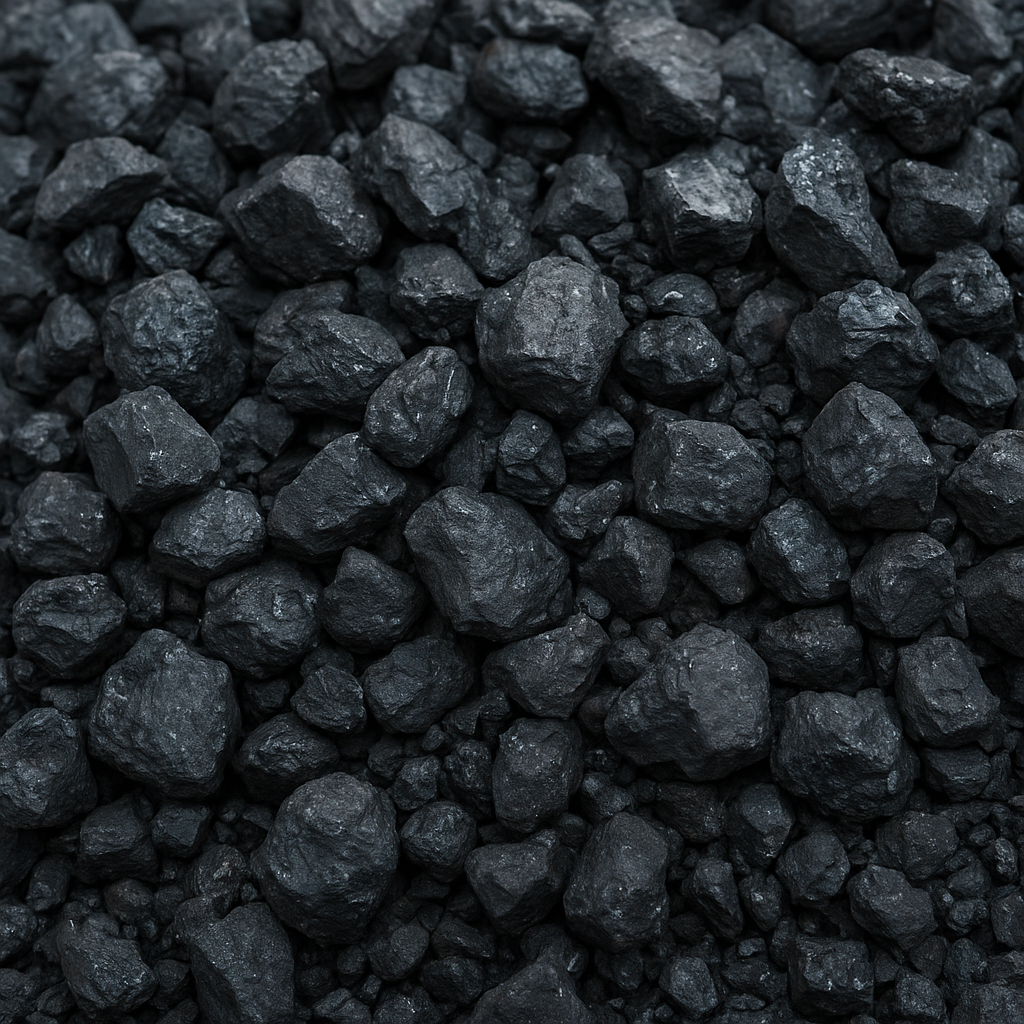
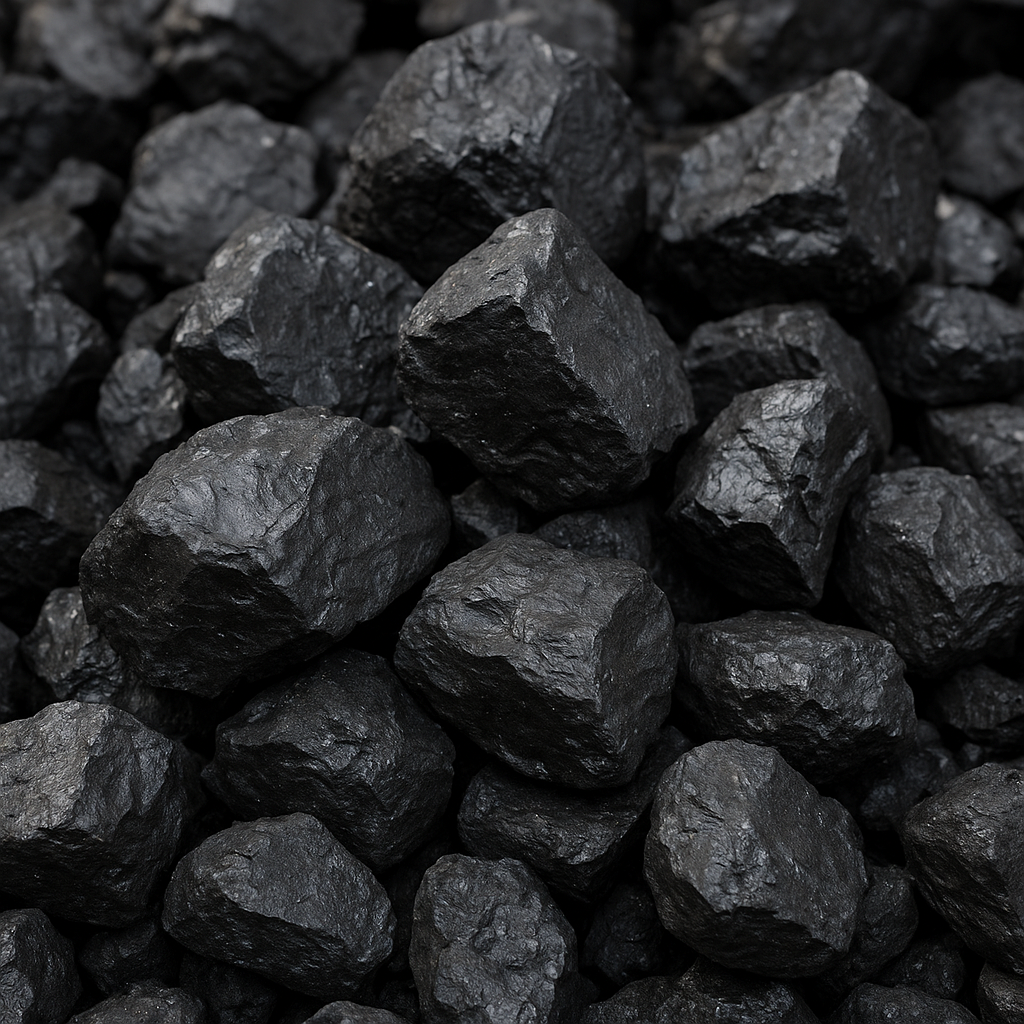
Activated coal, commonly known in English as activated carbon, is a highly porous form of carbon produced from carbonaceous raw materials — including coal — and widely used for adsorption, filtration and purification across numerous industries. This article outlines how coal-based activated carbon is manufactured, where the raw materials and products are sourced and produced, the market and economic context, major industrial applications, environmental and regulatory issues, and emerging trends shaping future demand and innovation.
Origins, feedstocks and manufacturing processes
Although the end product is often called activated coal or activated carbon, it is not a mineral mined in an activated form; it is a manufactured material created by treating a carbon-rich feedstock to develop a highly porous structure and enormous surface area. Common feedstocks include bituminous coal, lignite, coconut shell, wood, and other agricultural residues. Coal-based activated carbon is produced principally from bituminous coal and lignite because of their carbon content and mechanical strength.
Two principal activation methods are used to create the porous structure:
- Physical activation — Char produced from pyrolyzing the feedstock is activated by exposing it to high-temperature steam or carbon dioxide (700–1000°C). This process enlarges and develops the pore structure without chemicals, producing granular activated carbon (GAC) typically used in water and gas-phase applications.
- Chemical activation — The raw material is impregnated with activating agents such as KOH, ZnCl2, or H3PO4 and then heated at lower temperatures (400–700°C). Chemical activation often yields materials with high microporosity and surface area and is common for powdered activated carbon (PAC).
Key product forms are powdered activated carbon (PAC), granular activated carbon (GAC), and extruded or pellet forms. Physical activation favors GAC with strong mechanical properties; chemical activation is often used for PAC and special high-surface-area grades. Typical BET surface areas range from 500 to more than 2,000 m2/g, depending on feedstock and process parameters. Pore size distribution — the balance of micropores (<2 nm), mesopores (2–50 nm), and macropores (>50 nm) — determines the suitability for different applications: micropores for gas-phase adsorption and micropollutants, mesopores for larger organic molecules and liquid-phase treatment.
Where it occurs and where it is produced
As a manufactured product, activated carbon is produced wherever there is access to feedstock, processing technology and markets. Coal-based activated carbon production tends to be concentrated in regions with both coal resources and established chemical industries. Major producing regions and countries include:
- Asia-Pacific — China is the single largest producing country and also consumes a large share of global output. India, Japan and South Korea also have significant production capacities. The region supplies both domestic demand and exports.
- North America — The United States produces activated carbon, mainly for water treatment, air emission control and industrial uses. Several reactivation facilities operate in the U.S. to thermally reprocess spent carbon.
- Europe — Germany and other Western European countries produce and apply activated carbon across industries, with a focus on high-quality and specialty grades.
- Latin America and Africa — Production exists at smaller scales; some countries import significant volumes for municipal and industrial water purification and mining.
Coal itself is mined in numerous countries — notably China, Australia, India, the United States, Indonesia and Russia. Coal-based activated carbon producers therefore commonly source feedstock from local or regional mines. For coconut-shell based carbon, production is concentrated in Southeast Asia (Sri Lanka, Philippines, Indonesia) where coconut shell feedstock is plentiful. The choice of feedstock often reflects local resource availability and cost.
Global market, economics and trade
The activated carbon market is a mature specialty-chemical sector that links primary resource extraction (coal or biomass) with water, air and process purification markets. Market estimates vary by source, but industry reports from the early 2020s placed global market value in the low-to-mid single-digit billions of U.S. dollars, with forecast compound annual growth rates (CAGR) commonly projected in the 5–8% range through the late 2020s. Demand drivers include stricter water and air quality regulations, industrial growth in developing regions, and expanding applications (e.g., remediation of emerging contaminants).
Pricing depends on product form, grade and region. Typical market patterns are:
- PAC and specialty high-activity powders command higher per-kilogram prices than standard GAC because of production complexity and targeted performance.
- GAC prices are influenced by granulation, hardness, and ash content — coal-based GAC with low ash and high mechanical strength can be in demand for fixed-bed filters.
- Regional logistics and energy costs influence delivered prices; producers in China and Southeast Asia are often price-competitive for commodity grades, while manufacturers in developed markets compete on quality, service and regeneration infrastructure.
Major companies active in the sector include integrated chemical manufacturers and several specialist producers. Over recent decades there has been consolidation through acquisitions and mergers, and investment in reactivation capacity to recover and reuse spent carbon — an important economic and environmental strategy because reactivated carbon can substitute for virgin material at lower cost and carbon footprint.
Industrial applications and significance
Activated carbon’s primary value lies in its ability to remove contaminants by adsorption — a surface process in which molecules adhere to the vast internal surface. Key application areas and their significance:
- Water treatment (municipal and industrial) — One of the largest markets. Activated carbon removes organic compounds, tastes and odors, residual disinfectants, micropollutants, and some emerging contaminants such as certain pharmaceuticals and pesticides. Both PAC (added directly) and GAC (used in fixed-bed filters) are widely used.
- Air purification and gas-phase adsorption — In factories and HVAC systems, GAC captures volatile organic compounds (VOCs), odors, and toxic gases such as hydrogen sulfide. Coal-based carbons with tailored pore structures are often preferred for gas-phase applications.
- Mining and metal recovery — Especially in gold mining, activated carbon is used in carbon-in-pulp (CIP) and carbon-in-leach (CIL) processes to adsorb gold-cyanide complexes for subsequent recovery. This is a high-value industrial use.
- Food and beverage, pharmaceuticals — Used for decolorization, purification of ingredients, and removal of trace contaminants. Food-grade carbons meet specific purity requirements.
- Solvent and vapor recovery — PAC and specialized carbons are used in the petrochemical and solvent industries to recover valuable organics and reduce emissions.
- Environmental remediation — In soil and groundwater remediation, activated carbon is used in permeable reactive barriers and slurry applications to immobilize organic contaminants.
- Energy and new applications — Activated carbon is finding roles in supercapacitors, batteries, hydrogen storage research, and as a catalyst support in chemical processes.
Environmental, regulatory and lifecycle considerations
Activated carbon plays a dual role in environmental management: it is used to remove pollutants from water and air, but its production and the disposal of spent carbon raise environmental and regulatory concerns. Key points:
- Spent carbon management — After adsorbing contaminants, carbon becomes loaded and must be either reactivated or disposed. Thermal reactivation (industrial furnaces) restores adsorption capacity by driving off adsorbates; this process consumes energy and emits off-gases that must be treated. Not all spent carbon is suitable for reactivation, especially if it contains inorganic fouling or hazardous adsorption products.
- Emerging contaminants — The adsorption of persistent and hazardous substances (e.g., PFAS — per- and polyfluoroalkyl substances) raises challenges for safe reactivation and disposal. Some governments and regulators have begun to set stricter rules governing treatment and disposal of PFAS-contaminated materials.
- Carbon footprint and feedstock sustainability — Coal-based activated carbon has a different environmental profile than biomass-derived carbons (e.g., coconut shell). Energy use and greenhouse gas emissions during activation are important in lifecycle analyses; reactivation and use of renewable feedstocks can lower net impacts.
- Regulatory frameworks — Drinking water standards (e.g., EPA, EU Drinking Water Directive) and air quality rules stimulate demand for granular and powdered carbons that meet certified performance criteria. In some jurisdictions, mandatory treatment for specific contaminants drives infrastructure investments.
Production costs, prices and market structure
Production costs for coal-based activated carbon are influenced by feedstock price, energy (fuel and electricity) costs, capital investment in activation kilns or furnaces, and cost of chemical reagents for chemical activation. Typical market dynamics include:
- Commodity grades produced in high volume by large plants enjoy economies of scale, while specialty grades command premiums.
- Price volatility for feedstock coal and energy can affect margins; in some regions, environmental controls on coal use and emissions also increase costs.
- Reactivation services provide economic value by extending product life; industries with high-volume flows of spent carbon (municipal water utilities, large industrial sites, gold mines) often find reactivation cost-effective.
Retail and bulk prices vary widely by grade and geography. As a general indication, commodity GAC often trades at significantly lower prices per unit of adsorption capacity than specialty high-activity PAC, but specific numbers depend on contract terms and quality specifications.
Statistical snapshot and regional shares
Accurate, up-to-the-minute statistics are provided by industry analysts and trade associations; figures below summarize widely reported patterns rather than single-source official counts:
- Global consumption is measured mainly in hundreds of thousands of tonnes annually for common grades, with the entire global market value typically in the billions of USD per year.
- Asia-Pacific (led by China) accounts for a substantial share of both production and consumption — estimates commonly place the region at 40–60% of the global market, reflecting industrial growth and domestic manufacture.
- North America and Europe represent major markets for high-value applications such as municipal water treatment, air emission control and specialty industrial uses.
- Industry reports over recent years have cited market growth driven by stricter water and air quality standards, expansion of municipal water treatment infrastructure in developing regions, and emerging contaminant remediation.
Technological innovations and research directions
Innovation in activated carbon centers on improving adsorption performance, tailoring pore architectures, and integrating carbon into multifunctional materials. Notable research and development directions include:
- Hierarchical porosity — Designing materials that combine micro-, meso- and macropores to improve kinetics and capacity for complex mixtures.
- Surface functionalization — Adding specific chemical groups to enhance selectivity for metals, acids, bases or polar organics.
- Composite materials — Combining activated carbon with polymers, ceramics or metal oxides to create catalytic or electrochemical functionalities.
- Energy applications — Using activated carbon as electrode materials in supercapacitors and as templates or supports for battery materials.
- Regeneration technology — Advances in lower-energy reactivation, solvent-based regeneration and catalytic restoration processes aim to reduce lifecycle costs and environmental impacts.
Challenges, competition and future outlook
Despite a wide range of applications, the activated carbon industry faces challenges and competition from other technologies. Ion-exchange resins, membrane separation, advanced oxidation processes, and tailored polymer adsorbents can substitute in certain contexts. Key industry challenges include:
- Managing spent carbon containing hazardous or persistent contaminants in a way that meets regulatory requirements and community expectations.
- Balancing cost pressures with the need for sustainable feedstocks and lower-emission production processes.
- Continued innovation to address emerging contaminants (pharmaceutical residues, PFAS) and to tailor materials for new industrial needs.
The outlook remains positive overall: tightening environmental standards, increasing municipal water treatment coverage in developing regions, and new industrial applications (including energy storage and carbon capture research) support steady demand growth. Producers investing in specialty grades, reactivation capacity, and sustainable feedstocks are well positioned to capture higher-value market segments.
Practical considerations for buyers and specifiers
When selecting coal-based activated carbon, engineers, procurement professionals and specifiers commonly evaluate:
- Adsorption capacity for target contaminants, often measured by iodine number, methylene blue number, or specific uptake tests.
- Mechanical strength and abrasion resistance for fixed-bed systems.
- Ash content and pH for process compatibility (low ash is often preferred for food and beverage applications).
- Pore size distribution appropriate for the intended molecules — micropores for small organics and gases, mesopores for larger organics.
- Availability of reactivation services and local supply security.
Conclusion
Coal-based activated carbon remains a cornerstone material for purification and adsorption applications worldwide. Its manufactured nature means production is geographically flexible but closely tied to the availability of feedstock, energy, and processing capability. The market is driven by regulatory requirements for water and air quality, industrial needs for solvent and metal recovery, and an expanding set of technological uses. Economic and environmental pressures encourage recycling through reactivation, the use of more sustainable feedstocks where feasible, and continued innovation in pore design and surface chemistry. As demand for effective removal technologies grows — especially for emerging contaminants — activated carbon is likely to remain an essential industrial and environmental tool.