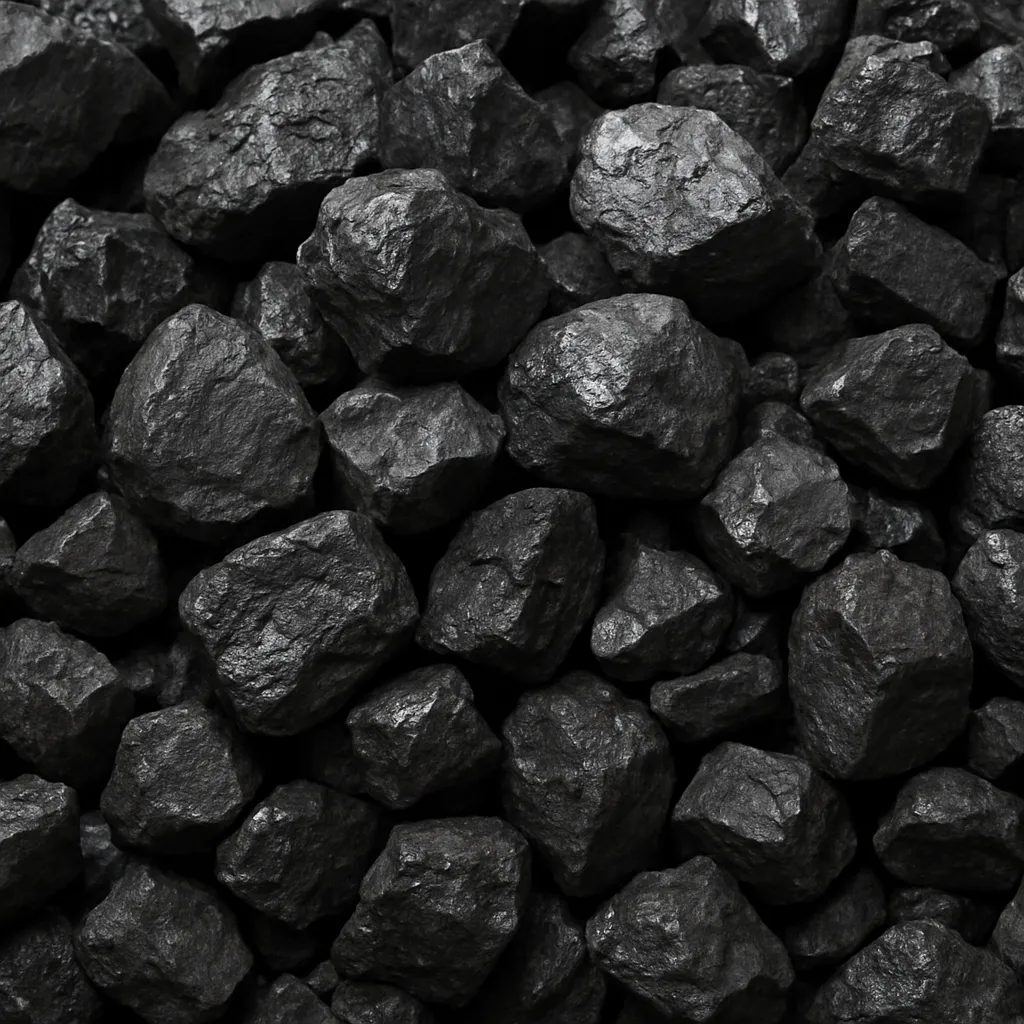
The term “carbon additive coal” commonly refers to grades of coal and coal-derived products used primarily as a deliberate carbon source in metallurgical and industrial processes. These materials — including coking coal, anthracite, semi-coke, and various processed recarburizers — play a crucial role in producing steel, cast iron, ferroalloys and other metals. This article examines where such coals occur and are mined, how they are processed and traded, their economic and statistical importance, industrial roles, quality parameters, environmental challenges and the outlook for the sector.
Where carbon additive coals occur and are mined
Coal is a sedimentary rock formed from the burial and alteration of plant material over geological time. The coals used as carbon additives are typically higher-rank coals — bituminous coals (especially those with coking properties) and anthracite — though some lower-rank coals are also upgraded for industrial use. Major deposits of these coals are distributed across several geological basins worldwide.
Key producing regions include:
- Australia — large deposits of high-quality coking coal in the Bowen Basin (Queensland) and the Surat Basin. Australia is a dominant exporter of metallurgical coal.
- China — vast coalfields (Shanxi, Shaanxi, Inner Mongolia) producing a broad range of coals including those used domestically in steelmaking. China is the largest consumer and producer of coal overall.
- United States — Appalachian, Illinois Basin and Powder River Basin deposits. While the Powder River Basin yields lower-rank thermal coal, Appalachia provides higher-grade coals suitable for metallurgical use.
- Russia — significant coking coal and thermal coal reserves, notably in Kuzbass (Kemerovo), the Far East and Siberian basins.
- Canada — high-quality metallurgical coal (British Columbia) for export markets.
- South Africa and Colombia — important exporters of coals used in regional steel and foundry applications.
- India — domestic coking coal in smaller quantities; relies heavily on imports for high-quality metallurgical coal to feed its steel industry.
Geologically, coking coals typically originate from Carboniferous–Permian age deposits in many basins, whereas anthracite occurrences are less widespread and often associated with more intense geological metamorphism.
Extraction, processing and product forms
Coal mined for use as a carbon additive undergoes a range of extraction and processing steps before it reaches industrial end-users.
Mining methods
- Open-pit (surface) mining — dominant where coal seams are near surface; high throughput and lower unit costs.
- Underground mining — longwall and room-and-pillar methods are used where seams are deep or surface disturbance must be limited.
Beneficiation and upgrading
Raw coal is often beneficiated to improve its quality for metallurgical use: washing to remove ash and sulfur, screening to size fractions, and blending to achieve target coking properties. Processes such as coking in ovens convert selected coals into coke — a porous, high-carbon solid used directly in blast furnaces.
Product forms used as carbon additives
- Coke: produced by carbonizing selected coking coals in coke ovens — essential for classical blast furnace metallurgy.
- Metallurgical coal: shipped to steelmakers who coke it or use it as feedstock for coke ovens.
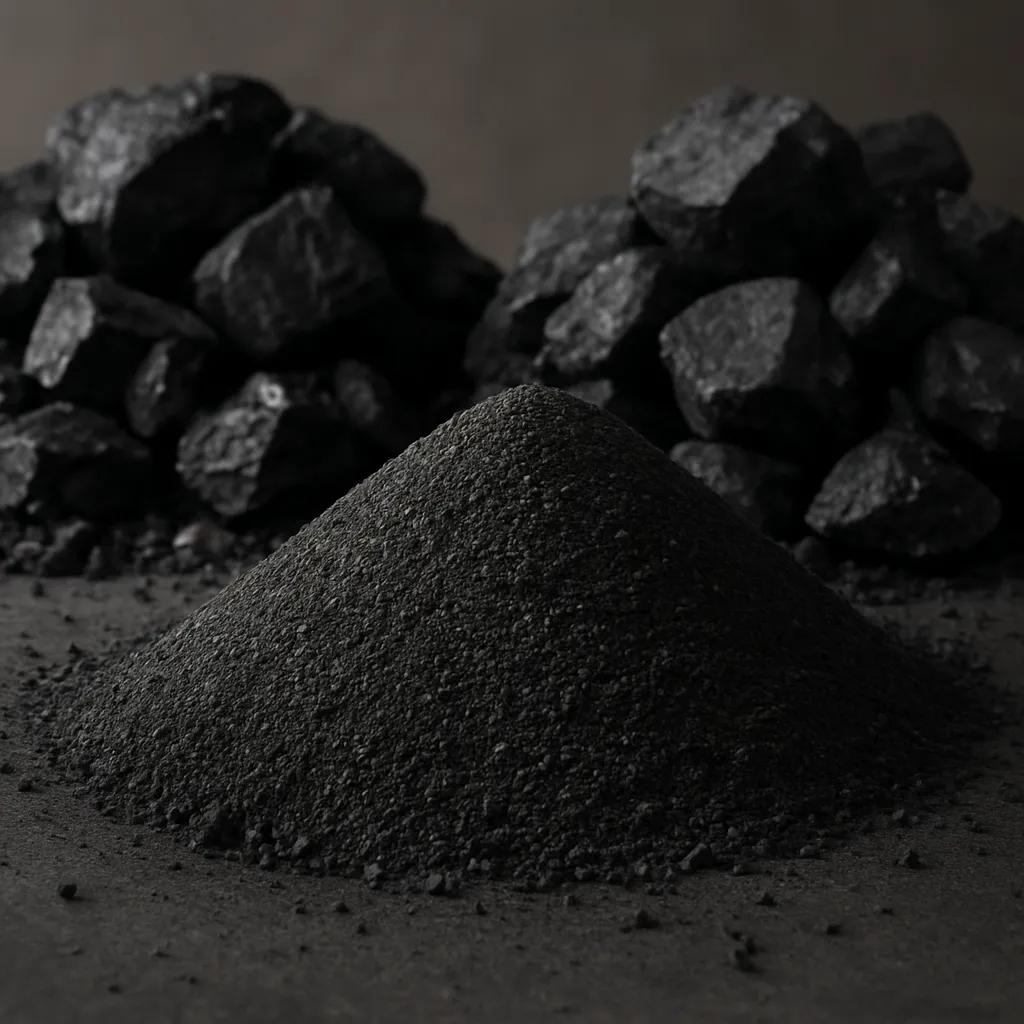
- Anthracite and hard carbons: used directly as recarburizers in foundries and electric arc furnace (EAF) steelmaking.
- Semi-coke and calcined petroleum coke (CPC): petroleum coke (a by-product of oil refining) is often calcined to produce a high-carbon product that competes with coal-based recarburizers.
- Pulverized Coal Injection (PCI): finely ground coal injected into blast furnaces to reduce coke consumption and modify furnace carbon balance.
Economic and statistical overview
Coal remains a major global commodity. While much of the public discussion focuses on thermal coal for power generation, the subset of coal used as carbon additives for metallurgy has its own distinct markets and dynamics. Below are general statistical observations up to the mid-2020s.
- Global coal production (all types) historically ranged in the order of several billion tonnes per year. In the early 2020s the world produced on the order of 7–8 billion tonnes of coal annually, with year-to-year variability driven by China, India and broader economic trends.
- Metallurgical coal (coking coal) comprises a smaller share of total coal production — commonly estimated at roughly 10–15% of the total, depending on classification and year. Exact proportions change with steel output, energy substitution and market disruptions.
- Major exporters of metallurgical coal include Australia (a leading exporter by volume), the United States, Russia and Canada. Australia’s export volumes of hard coking coal often exceed 100 million tonnes per year in strong market years; total coal exports from Australia (thermal + metallurgical) have been several hundred million tonnes annually.
- Price volatility is pronounced in metallurgical coal markets. Prices can spike due to supply disruptions (e.g., mine strikes, extreme weather, logistical bottlenecks) or demand surges from steelmakers. The COVID-19 recovery and supply chain issues in 2020–2022 produced sharp price movements at times.
- Trade flows are regionally concentrated: China is the largest importer of metallurgical coal, followed by other East Asian economies, while Europe’s needs are met by a mix of domestic production, imports and alternative carbon sources.
Because market data can change quickly and reporting conventions differ (thermal vs. metallurgical classification, coke vs. raw coal), specific numbers should be consulted from up-to-date sources such as the International Energy Agency (IEA), World Steel Association, national geological surveys and trade statistics for precise planning or investment decisions.
Significance in industry and key applications
The industrial importance of carbon additive coals is tightly linked to metals production, especially steel. Steelmaking is by far the largest industrial consumer of metallurgical coal and coal-derived carbon additives.
Steel production
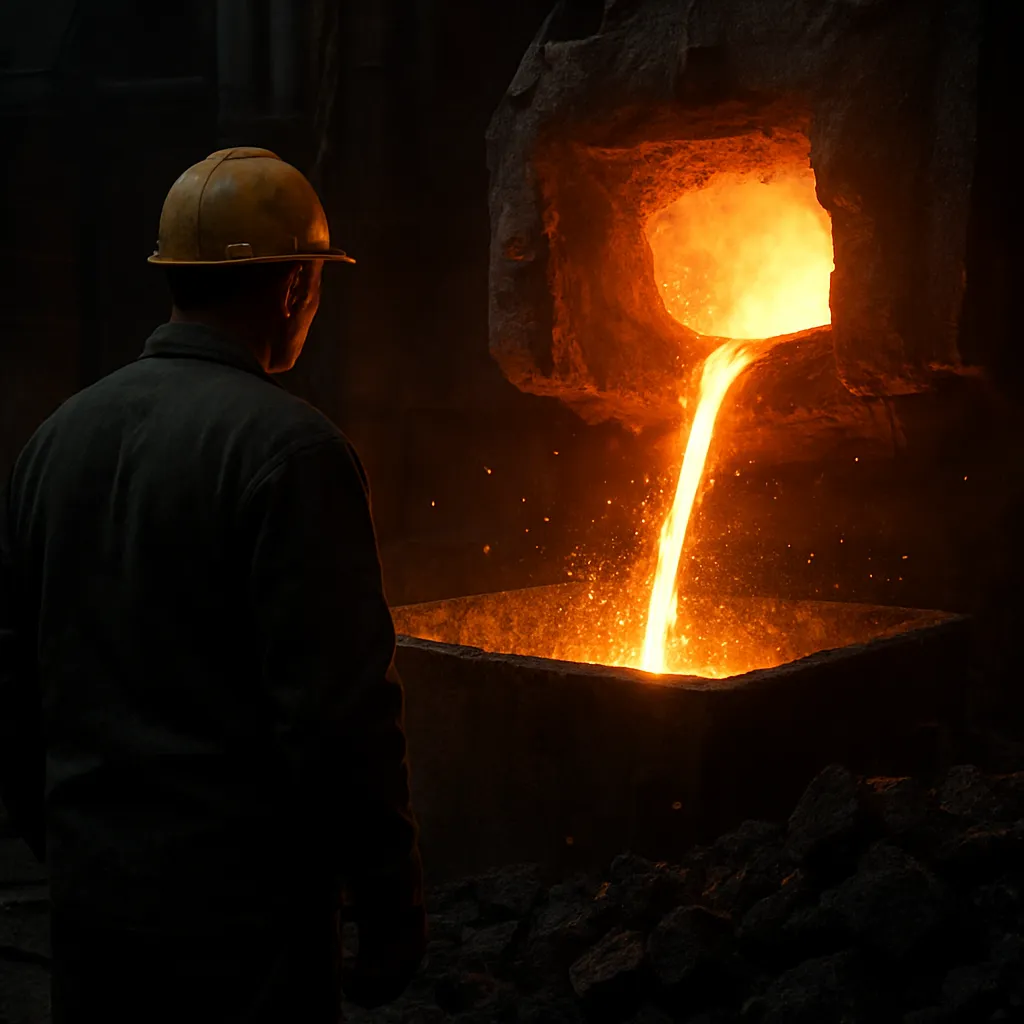
Traditional integrated steelmaking uses coking coal converted to coke which serves three purposes in a blast furnace: a physical support for the burden and permeability, a reducing agent to convert iron oxides to iron, and an energy source. Even where alternatives exist, coal and coal-derived coke remain embedded in many processes.
Trends and technologies influencing coal demand in steelmaking:
- Pulverized Coal Injection (PCI) reduces coke requirements by injecting pulverized coal directly into blast furnaces, improving thermal efficiency and lowering costs for some feedstocks.
- Electric Arc Furnace (EAF) steelmaking uses recycled scrap and requires far less coal; however, EAFs still may use carbon additives (e.g., anthracite or petroleum coke) to control chemistry and carbon content.
- Direct Reduced Iron (DRI) combined with EAFs can reduce reliance on coking coal, especially when using natural gas or hydrogen as reductants.
Foundries and castings
Foundries use carbon additives to achieve desired carbon content in cast irons and steels, to control carburization and to adjust the physical properties of final castings. Quality anthracite and recarburizers derived from coal/petroleum coke are common.
Other industrial uses
Carbon additives from coal also find roles in ferroalloy production, cement (as an energy source and reductant in some processes), and certain chemical processes where solid carbon sources are needed.
Quality, specifications and testing
Understanding coal quality is essential for its performance as a carbon additive. Key parameters include:
- Fixed carbon — the fraction of coal that remains after volatile matter is driven off; higher fixed carbon is generally better for metallurgical uses.
- Volatile matter — impacts coking behaviour and coke oven performance.
- Ash content — inert residues that can contaminate metal and create slag or reduce furnace performance.
- Sulfur and phosphorus — elements that can be detrimental to steel quality; low values are desirable for many metallurgical applications.
- Caking and coking properties — measured with lab tests (Gieseler plastometer, dilatometer, free swelling index) to establish whether a coal can produce strong, coherent coke.
- Coke quality metrics — Coke Strength after Reaction (CSR) and Coke Reactivity Index (CRI) are used to assess suitability in blast furnaces.
Blending is a common practice: different coals are mixed to achieve target coke properties while optimizing cost. Coal analysis, metallurgical testing and pilot coking tests inform blend design.
Environmental, social and regulatory aspects
Coal mining and coal-based carbon additives raise several environmental and social concerns:
- Greenhouse gas emissions — coal combustion and coke production emit significant CO2. The steel sector accounted for around 7–9% of global CO2 emissions in the early 2020s; a considerable portion of that was attributable to processes using coal/coke.
- Local environmental impacts — mining can cause land disturbance, water usage and contamination, dust and habitat loss. Coke ovens and calcination plants emit particulates, sulfur oxides and other pollutants without mitigation.
- Regulatory pressures — emissions standards, carbon pricing and incentives for low-carbon technologies influence demand for coal-based carbon additives.
- Community and social license issues — mining and associated infrastructure often face scrutiny from local communities, indigenous groups and NGOs, pushing companies towards improved rehabilitation and social investment.
Policy and technological responses include increased recycling (EAFs using scrap), adoption of low-carbon hydrogen-based DRI processes, electrification, energy efficiency improvement, and carbon capture, utilization and storage (CCUS) for processes that remain reliant on fossil carbon. These developments collectively influence the medium- to long-term demand outlook for coal used specifically as carbon additives.
Market trends, competition and future outlook
Several forces are shaping the future of coal as a carbon additive:
- Demand-side drivers — growth in global steel consumption, infrastructure buildouts in developing economies, and substitution by scrap/EAF routes. In many advanced economies, steel sector decarbonisation plans aim to reduce metallurgical coal use over time.
- Supply-side dynamics — concentration of high-quality metallurgical coal production in a few exporting countries leads to geopolitical and logistical sensitivities; conversely, upstream investment decisions and mine closures can tighten supply and raise prices.
- Competition from alternatives — petroleum coke, graphite, biomass-derived carbon, and synthetic carbon materials can replace some coal-based products where cost and quality allow. Petro-coke is widely used as a recarburizer though its sulfur content may be a limitation in some steel grades.
- Technological change — hydrogen-based steelmaking (direct reduction with hydrogen), increased scrap usage in EAFs, and CCUS could materially reduce metallurgical coal demand in the long run, but transitions take years or decades and are capital intensive.
Near-term outlook varies by region: growing steel production in Asia continues to underpin demand for metallurgical coal, whereas decarbonisation commitments in Europe and parts of North America accelerate shifts to lower-carbon routes. Price cycles have historically been pronounced; stakeholders manage risk through long-term contracts, diversification of suppliers and stockholding strategies.
Interesting technical and historical notes
Some notable facts and technical points about carbon additive coals:
- The industrial practice of coke-making dates back centuries and was pivotal to the Industrial Revolution — the conversion of selected coals into coke for blast furnaces enabled much larger-scale iron production than charcoal-based processes.
- Coking coal is a special product: not all coals make good coke. The ability to form a coherent coke depends on a narrow band of rank and maceral composition, which makes high-quality metallurgical coal economically valuable.
- Pulverized Coal Injection (PCI) is a cost-saving technique that reduces net coke use by partially substituting injection-grade coals. PCI rates and coal quality influence furnace efficiency, emissions and coke oven economics.
- Anthracite, while rare compared to bituminous coals, is prized for its high fixed carbon and low volatile matter. It has niche applications as a direct carbon additive, especially where low impurities are required.
- Recarburizers derived from calcined petroleum coke or coal tar products are finely tuned to meet stringent steel chemistry specifications and often compete directly with coal-derived recarburizers.
Concluding observations
Coal used as a carbon additive remains a strategically important commodity for metals and foundry industries. Its roles in classical blast-furnace steelmaking, foundries and other metallurgical processes make it indispensable in many industrial value chains even as decarbonisation pressures mount. The market for these coals is geographically concentrated, technically sophisticated (requiring precise quality control) and economically significant due to its link to the global steel industry.
Looking forward, demand for coal-based carbon additives will be shaped by technological innovation (hydrogen, electric furnaces, CCUS), regional industrial growth patterns, pricing and regulatory environments. For stakeholders — mine operators, steelmakers, traders and policymakers — the coming decades will likely be characterized by both adaptation of existing coal-based processes and gradual transitions to lower-carbon alternatives, with persistence of niche coal uses where performance or cost constraints favor them.
Key terms emphasized: carbon, coking coal, anthracite, steelmaking, metallurgical, exports, Australia, China, emissions, decarbonisation