Casting-grade coal occupies a crucial niche at the intersection of geology, heavy industry and global trade. Often referred to as a form of metallurgical or coking coal, it is the raw material transformed into coke — a high-carbon, porous fuel and reducing agent that remains indispensable for conventional iron and steelmaking and for many foundry operations. This article explores what casting-grade coal is, where it occurs and is mined, how it is processed and traded, its economic importance, and the technological and environmental trends shaping its future.
Properties and classification of casting-grade coal
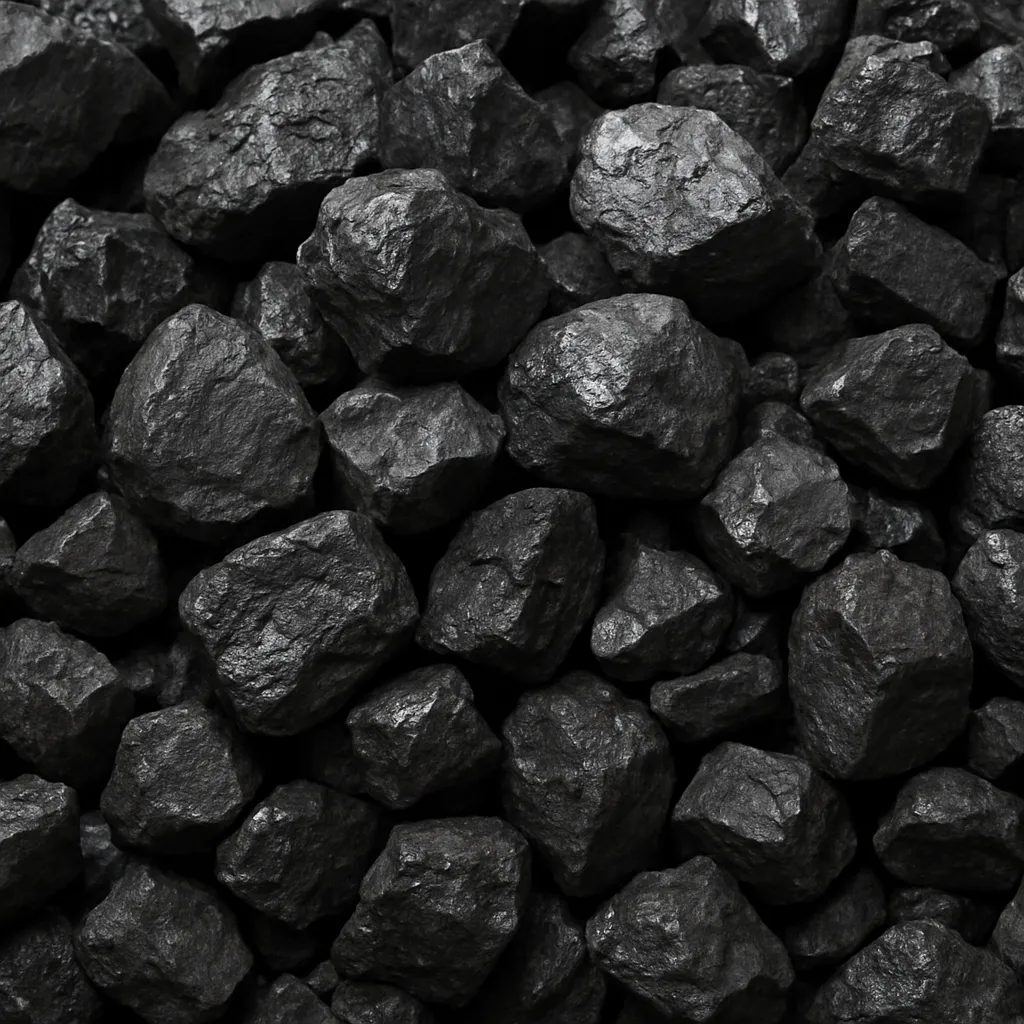
Casting-grade coal is not a single, uniform product but a family of coals with specific physical and chemical properties that allow them to be converted into coke suitable for metallurgical uses and foundry casting. The key attributes that distinguish casting-grade coals from general thermal coals include their caking ability (the capacity to soften, swell and re-solidify), low levels of problematic impurities, and consistent behaviour under high-temperature carbonization.
Important quality parameters
- Rank and petrography: Most casting-grade coals are medium- to high-rank bituminous coals with significant vitrinite content. Coal rank affects plasticity and coking properties.
- Free swelling index (FSI) and fluidity: Measures of how a coal behaves when heated; higher values generally indicate better coking performance.
- Volatile matter and fixed carbon: A balance between volatiles and fixed carbon influences the coke yield and strength.
- Ash content: Low ash is preferred because ash remains in the coke and can impair blast furnace permeability or casting quality.
- Sulfur and phosphorus: Low sulfur is critical for steel quality; phosphorus limits are especially strict for certain foundry grades.
- Coke quality indices: Coke Reactivity Index (CRI) and Coke Strength after Reaction (CSR) are tested to predict performance in blast furnaces. Good metallurgical coke typically has a CSR above a threshold (e.g., 55–65 depending on application).
Classification within metallurgical coals
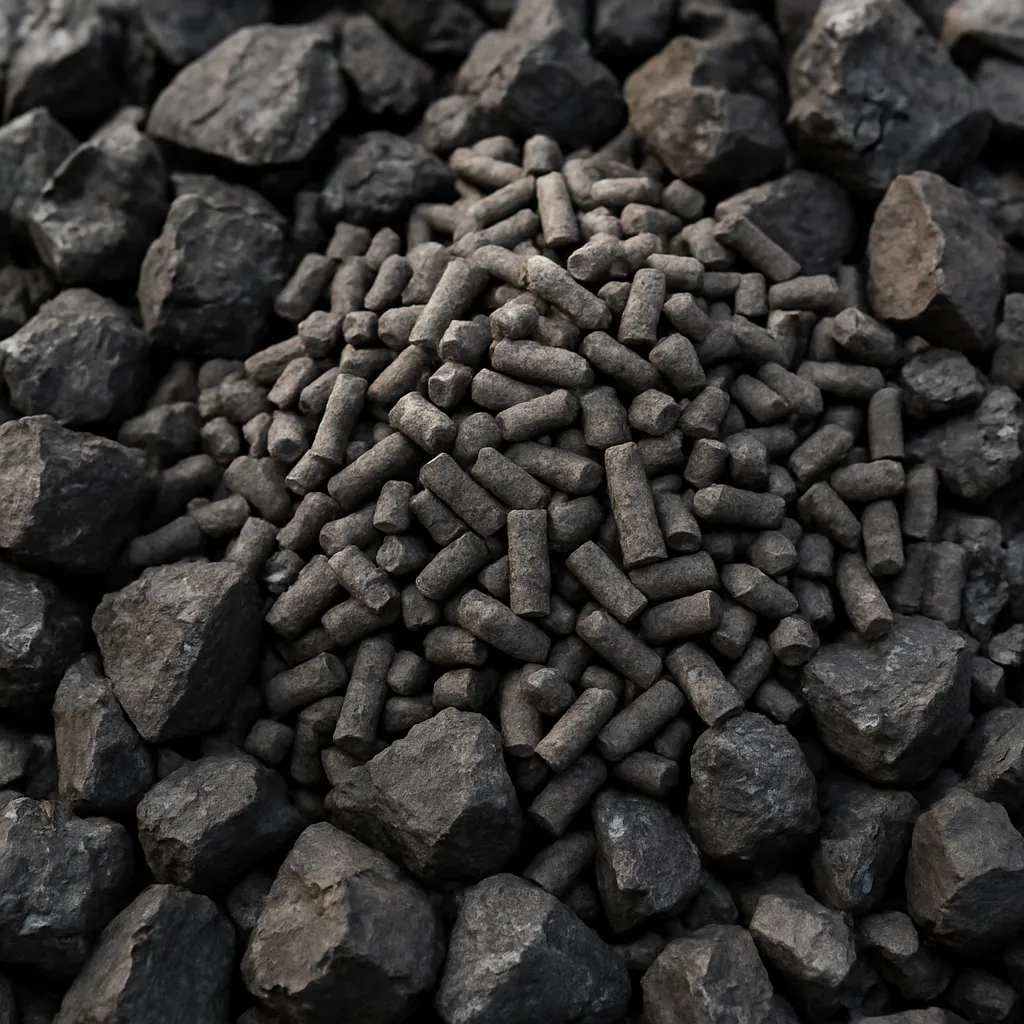
Within the broad class of metallurgical coals, casting-grade coals are selected for foundry coke or blast-furnace coke production. Some coals are directly suitable for foundry blends, while others require blending or beneficiation. The terms “hard coking coal,” “semi-soft coking coal,” and “soft coking coal” describe differing coking behaviour and industrial purpose; casting-grade material generally originates from hard or semi-hard coking coal seams or from washed blends engineered for specific foundry requirements.
Geology and major producing regions
Casting-grade coals are found in sedimentary basins formed in Carboniferous, Permian and younger geological periods. Their presence depends on historical peat accumulation, burial, and coalification processes. Commercial deposits occur on most continents, but a few regions dominate high-quality metallurgical coal production and trade.
Key producing countries and basins
- Australia: The single largest source of seaborne coking coal. Major basins include the Bowen and Surat basins in Queensland and the Sydney and Gunnedah basins in New South Wales. Australia supplies a wide range of coking coal qualities and is a pivotal exporter to Asian steelmakers.
- Russia: Large coking-coal resources in Siberia and the Kuznetsk Basin (Kuzbass). Russia is a major producer and exporter, particularly to European and Asian markets.
- United States: Appalachia (e.g., West Virginia, Pennsylvania) has traditionally produced high-quality metallurgical coal. The Powder River Basin is mainly thermal coal, but metallurgical coal is produced in eastern US regions.
- Canada: British Columbia and Alberta host metallurgical coal mines that export to Pacific markets.
- China: Both significant production and consumption; domestic coking coal deposits are numerous, but quality varies. China also imports higher-quality seaborne coals.
- India: Large domestic reserves, especially in eastern India; however, quality and logistics constraints lead India to import seaborne metallurgical coal to meet foundry and steelmaking needs.
- South Africa and Mongolia: Both supply metallurgical coal; Mongolia has rapidly increased exports to China.
Major importers include China, Japan, South Korea, and other Asian industrial economies; European demand is supplied by a mixture of domestic, Russian, Canadian and Australian sources. Seaborne trade concentrates higher-grade coals because transportation costs make export-oriented mining economically viable only for larger, high-quality deposits.
Mining, processing and quality control
Extraction and preparation of casting-grade coal require attention to minimize contaminants and preserve coking properties. Mining methods, coal preparation plants, and blending strategies aim to deliver consistent feedstock for coke ovens or for direct use in foundries.
Mining methods
- Underground mining: Longwall and room-and-pillar systems are common for high-grade seams, especially in Russia and Appalachia.
- Open-pit mining: Used where seams are near-surface and large-volume extraction is economically preferable (common in parts of Australia and Mongolia).
Coal washing and beneficiation
Raw coal is often washed to remove mineral matter and reduce ash and sulfur. Dense media separation, jigging and hydrocyclone circuits are typical. Washing not only improves ash content but can enhance the coal’s fluidity and coking behavior by removing inert rock and high-ash bands.
Blending and testing
Because ideal casting-grade characteristics rarely occur uniformly across a single seam, blending coals from different seams or mines is a frequent practice. Laboratories and pilot-scale ovens evaluate the expected FSI, fluidity and final coke CSR/CRI. Foundry operators and steel producers often require certificate-of-analysis documentation for each shipment.
Economic and statistical overview
Casting-grade coal is a commodity whose value is tightly linked to global steel demand, shipping logistics, geopolitical events, and the availability of substitutes and process innovations. The metallurgical coal market is smaller than the thermal coal market in volumetric terms but commands higher prices due to its specialized nature.
Market size and trade dynamics
- Relative scale: Metallurgical coal represents a minority share of total global coal production by tonnage, but it is essential to the steel industry. The seaborne trade of coking coal is particularly important; a significant fraction of global metallurgical coal flows through international seaborne markets.
- Major exporters and importers: Australia is traditionally the largest exporter of metallurgical coal; other exporters include Russia, Canada, the United States and South Africa. Top importers are industrial economies in Asia (China, Japan, South Korea), with growing import volumes in India.
- Price volatility: Prices for metallurgical coal can be much more volatile than thermal coal, reacting strongly to supply disruptions (mine outages, export restrictions) and to cyclical swings in steel demand. The 2021–2022 period illustrated this sensitivity when supply tightness and logistics issues pushed prices to multi-year highs.
Connection to steel production
Global crude steel production provides the primary demand driver. As of the early 2020s, world crude steel output hovered around 1.7–1.9 billion tonnes annually, with the blast furnace-basic oxygen furnace (BF-BOF) route accounting for a majority of output globally. The BF-BOF route consumes coke as a reductant and source of chemical energy; thus, demand for casting-grade coal is closely correlated with the BF-BOF share of steelmaking and with the pace of industrial activity in major steelmaking regions.
Employment, royalties and local economies
Metallurgical coal mining supports employment in producing regions and generates fiscal revenue via royalties and taxes. In many mining regions, operations finance local infrastructure, though they can also generate environmental and social impacts that require mitigation. The capital intensity of metallurgical coal projects is high, and long mine life is often necessary to justify investment.
Role in industry: steel, foundries and beyond
Casting-grade coal is critical for several industrial processes beyond conventional steelmaking. Its specialized role is reflected in tailored coke-making practices and in the specific needs of foundries that cast iron, steel and non-ferrous alloys.
Blast furnaces and coke ovens
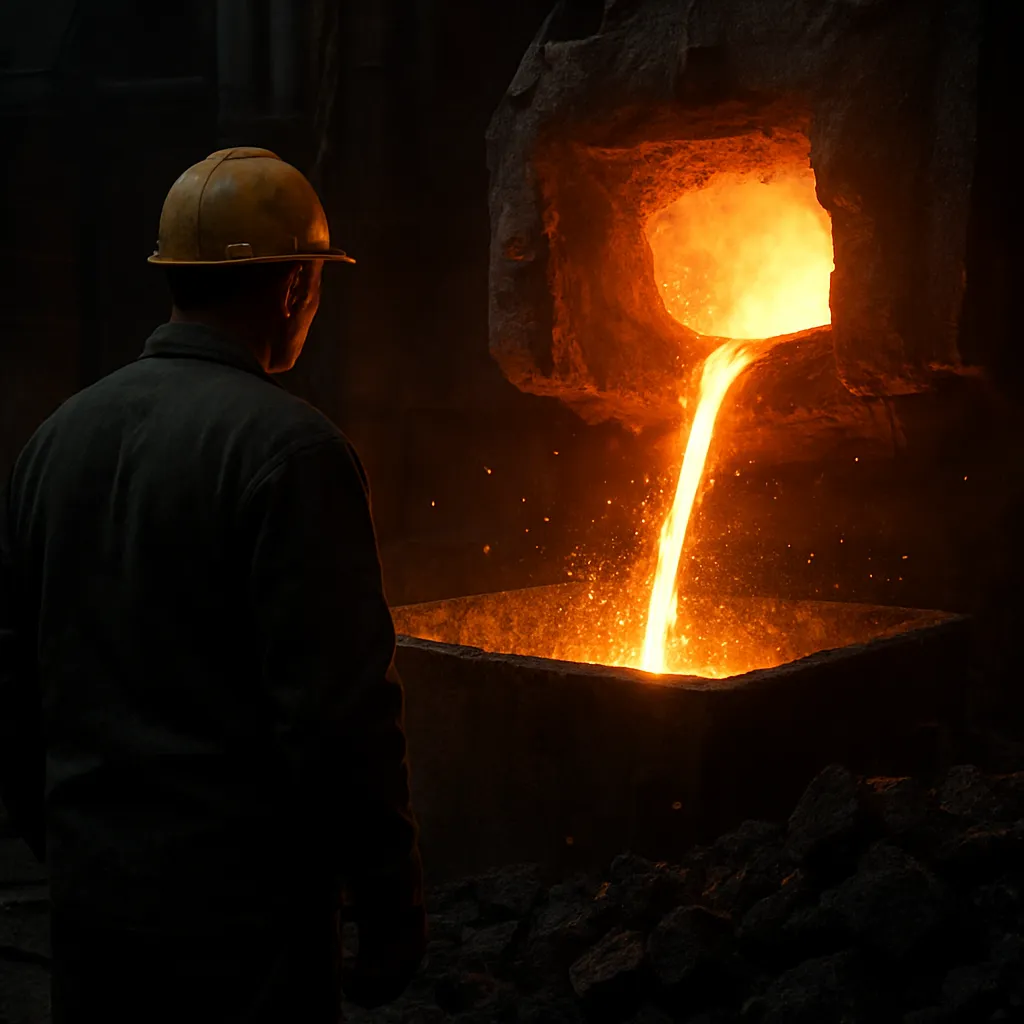
In a typical integrated steel plant, coking coal is carbonized in coke ovens at temperatures around 1000–1100°C to produce coke. Coke performs multiple functions in a blast furnace: it is the structural support for burden material, a fuel, and a chemical reductant. High-quality coke improves furnace permeability and productivity and reduces the consumption of other reductants.
Foundries and casting operations
Foundries use specially produced foundry coke for cupola furnaces (in ductile and grey iron production) and as a carbon source in various melting practices. Casting-grade coke must be free from contaminants that could cause defects in castings, such as sulfur causing hot shortness or phosphorus causing brittleness. Foundry operators may require particular sizing, porosity and reactivity properties.
Other uses and byproducts
Coke ovens generate chemical byproducts — coke oven gas, coal tar, ammonia, benzene and light oils — which feed chemical industries. These byproducts add economic value to metallurgical coal supply chains when integrated chemical processing is present.
Environmental, technological and strategic trends
Casting-grade coal sits at the center of tensions between traditional heavy industry needs and global decarbonization goals. The interplay of environmental regulation, innovation in steelmaking technology and geopolitical considerations will shape demand and supply in coming decades.
Decarbonization and technological alternatives
- Direct Reduced Iron (DRI) & hydrogen: DRI technologies using natural gas or hydrogen reduce the reliance on coke for ironmaking. Green hydrogen-based DRI could dramatically cut metallurgical coal demand if deployed at scale.
- Electric Arc Furnaces (EAF): EAFs recycle scrap steel and use electricity rather than coke. Increasing EAF penetration reduces the share of BF-BOF steel and thus metallurgical coal demand, but EAFs depend on scrap availability and power costs.
- Pulverized coal injection (PCI): PCI and other efficiency measures reduce coke rates in blast furnaces by injecting pulverized coal; while this reduces coke demand per tonne of hot metal, it does not eliminate the need for high-quality coking coal entirely.
Emissions, regulation and social license
Coke production and metallurgical coal use are carbon-intensive. Regulations targeting greenhouse gas emissions, local air quality and byproduct management can increase operational costs for mines and coke plants. Community concerns, land-use conflicts and water management are also increasingly influential in permitting decisions and in investor due diligence.
Supply chain resilience and geopolitics
Events such as the COVID-19 pandemic, extreme weather, and geopolitical conflicts (for example, disruptions to Russian supply chains) have demonstrated the vulnerability of seaborne metallurgical coal markets. Steelmakers and foundries often maintain long-term contracts, diversified sourcing and strategic stockpiles to manage risk. Policies that restrict coal exports or imports, or that target particular suppliers for sanctions, can rapidly shift trade flows and prices.
Statistical snapshots and illustrative figures
Exact annual figures can vary year to year, but some broad statistical impressions help to clarify the market:
- Global crude steel production in the early 2020s was in the range of about 1.7–1.9 billion tonnes per year; the BF-BOF route historically accounted for a majority (often ~60–75%) of that output, underpinning steady demand for coke and casting-grade coal.
- Seaborne metallurgical coal exports are dominated by a handful of countries, with Australia often supplying roughly one-third to nearly half of the global seaborne trade depending on the year, followed by Russia, Canada, the United States and South Africa.
- Price episodes: Metallurgical coal spot prices have demonstrated sharp swings; for instance, in periods of tight supply and strong steel demand, prices have surged to multi-year highs, while slower demand and oversupply periods produce steep declines. These swings create significant revenue volatility for producers.
Because reported statistics can be updated frequently and are published by institutions such as national geological surveys, customs authorities, industry groups and consultancies, users of metallurgical coal data usually consult up-to-date sources for precise annual figures, trade balances, and price series.
Challenges and opportunities for casting-grade coal
The future of casting-grade coal is shaped by both long-term structural forces and more immediate economic conditions. Understanding the principal challenges and potential opportunities can help industry participants and policymakers navigate transition pathways.
Challenges
- Demand risk from decarbonization: Shifts to DRI, EAF, and hydrogen-based routes could reduce demand for coke over decades.
- Environmental compliance costs: Stricter emissions controls and remediation requirements can raise operating costs for mines and coke plants.
- Logistics and market access: Port capacity, rail infrastructure and geopolitical barriers can constrain supply and increase costs.
- Quality variability: Not all coal seams can meet casting-grade specifications without expensive processing or blending.
Opportunities
- Value-added processing: Coal washing, blending and integrated coke-chemicals complexes can capture higher margins.
- Product diversification: Producers can target niche foundry markets with tailored coke products that command premium prices.
- Transition technologies: Investments in low-carbon coke-making processes and carbon capture at coke ovens could sustain metallurgical coal’s role under tighter emissions constraints.
- Resource-rich jurisdictions: Regions with large, high-quality seams and good logistics retain competitive advantage for the medium term.
Interesting technical and historical notes
A few additional points that highlight the technical depth and historical importance of casting-grade coal:
- Coke ovens are among the oldest continuous industrial processes; byproducts from coke production were foundational to the early chemical industry (coal tar, ammonia, benzene).
- The development of high-grade metallurgical coal mining has often been closely linked with the growth of national steel industries and regional industrialization.
- Coke quality testing (e.g., CSR/CRI) is a specialized field combining petrography, lab-scale carbonization and mechanical testing; even small improvements in coke quality can yield significant furnace performance gains.
- Some research focuses on producing bio-cokes or hybrid additives using biomass or waste-derived carbon materials to reduce fossil CO2 while preserving metallurgical performance, but commercial scalability remains limited.
Concluding perspectives
Casting-grade coal remains a strategically important commodity for heavy industry, especially in regions where the integrated blast furnace route and traditional foundry practices continue to dominate. While the long-term trajectory points toward lower absolute demand as alternative steelmaking technologies mature, the near- to medium-term outlook is that high-quality metallurgical coals will continue to command premium value, support local economies in producing regions, and stimulate technological solutions aimed at lowering emissions and improving resource efficiency. For foundries and integrated steelmakers, understanding the geological, chemical and market characteristics of casting-grade coal is essential to manage quality, costs and environmental obligations.