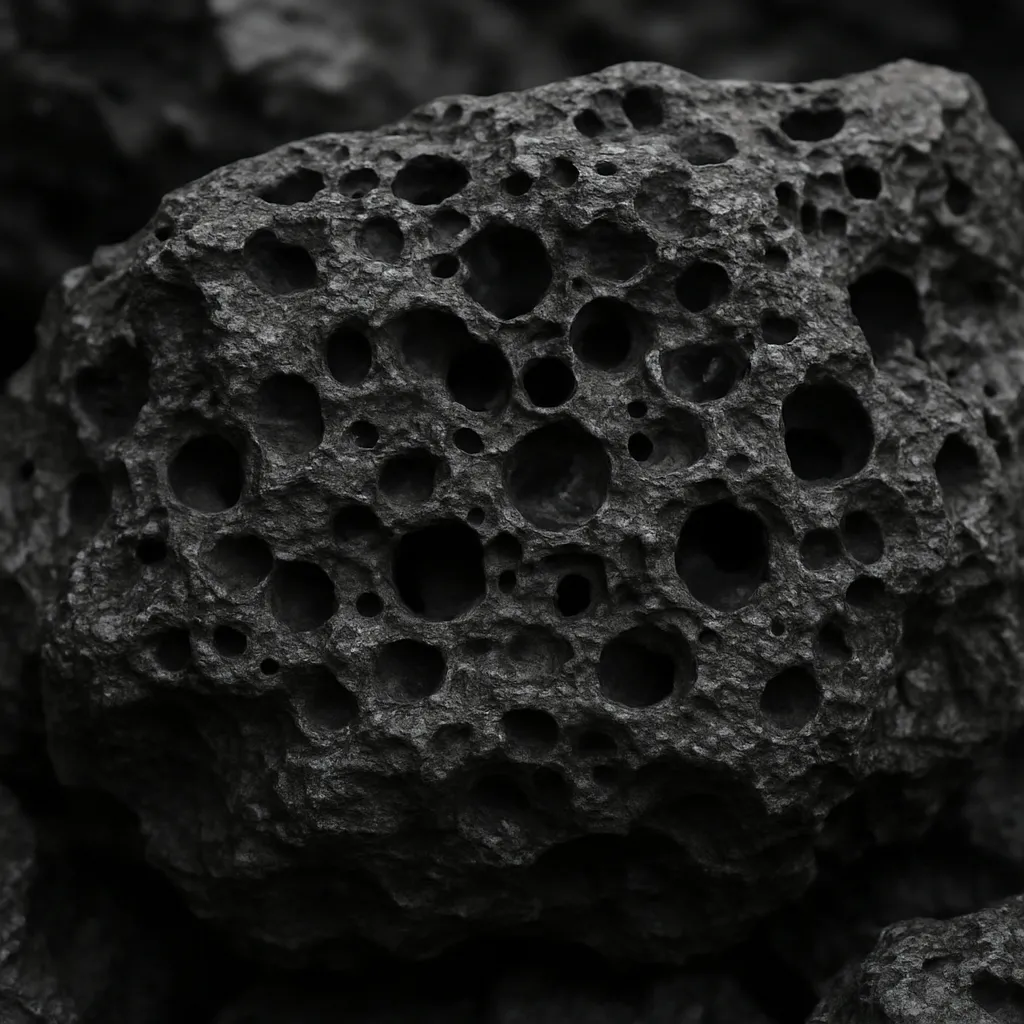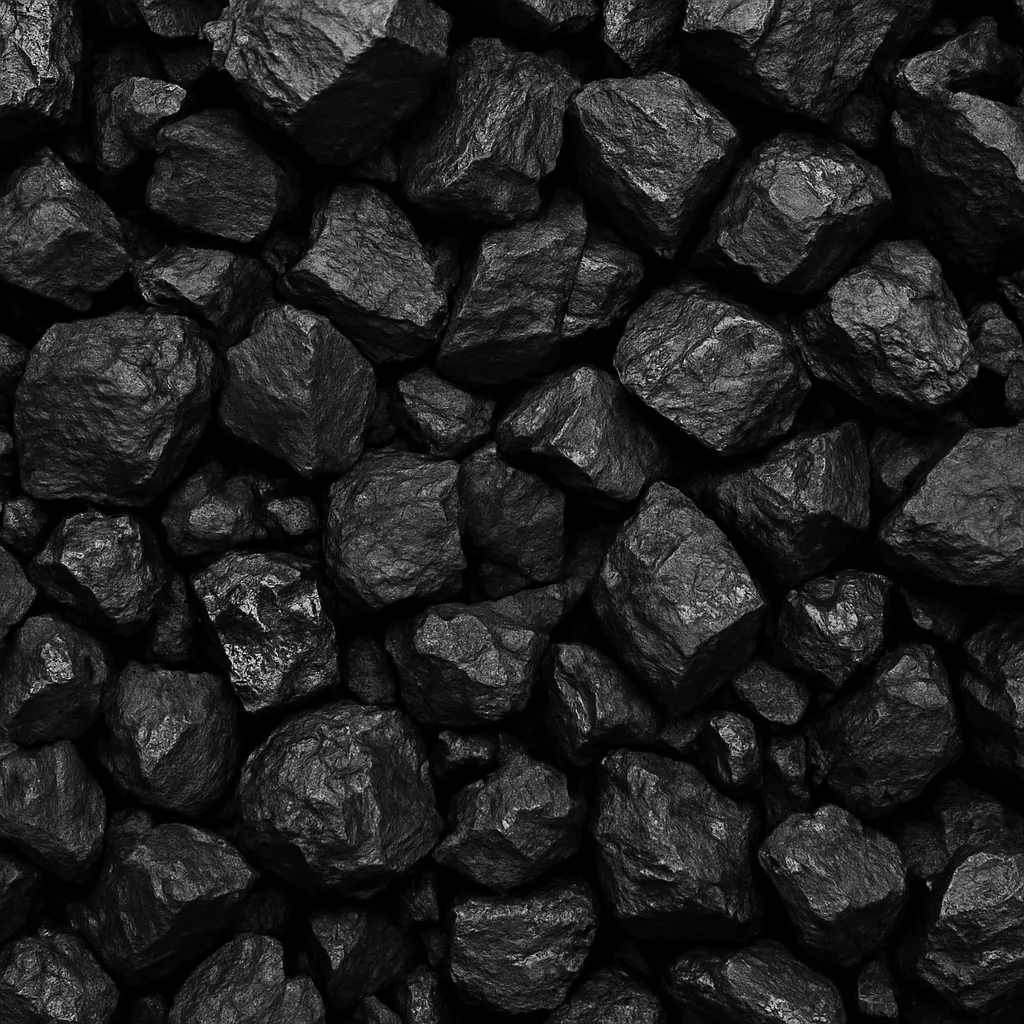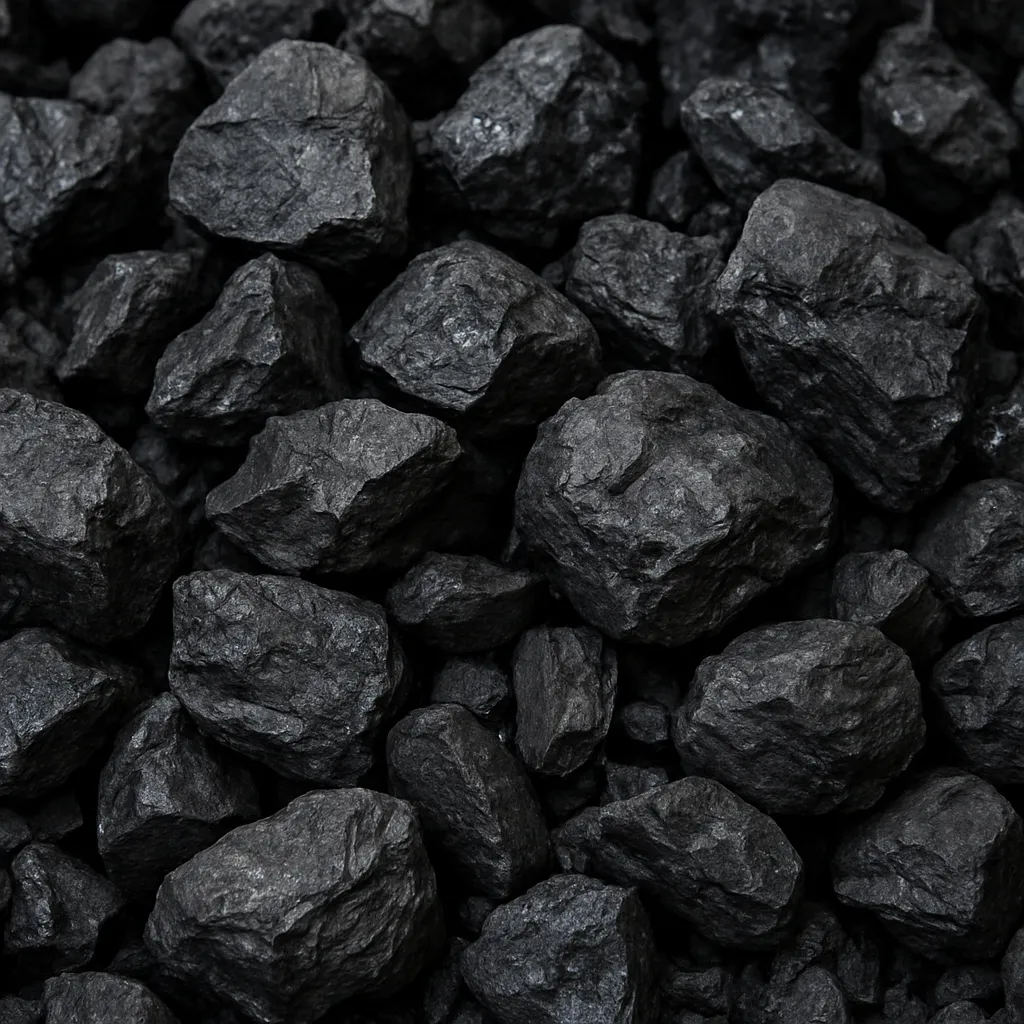
Low-density coal represents a group of lower-rank coals—most commonly known as lignite and sub-bituminous coals—that are characterized by higher moisture content, greater porosity, lower carbon concentration and reduced energy density compared with higher-rank coals. Although often dismissed as “low quality” fuel, these coals play an important role in regional energy systems, local economies and several industrial processes. This article surveys the geological occurrence, mining practices, economic importance, industrial uses, environmental challenges and future outlook for low-density coal, with selected statistical and technical information to illustrate its contemporary significance.
Physical and Chemical Characteristics
Definition and rank
Low-density coal generally refers to coal in the lower ranks of the coalification process—principally lignite (often called brown coal) and sub-bituminous coal. These ranks are distinguished from higher-rank coals (bituminous and anthracite) by their lower fixed carbon, higher volatile matter and elevated moisture content. The term “low-density” highlights both the lower particle density and typically lower bulk density when mined or stored.
Key properties
- Calorific value: Low-rank coals typically range from about 8 to 24 MJ/kg (roughly 2,000–5,700 kcal/kg), with lignite at the lower end and sub-bituminous at the upper.
- Moisture: Often high—sometimes exceeding 30–60% on a wet basis for some lignites—reducing effective heating value and increasing transport cost per unit energy.
- Porosity and bulk density: Higher porosity and lower bulk density compared to bituminous coals; bulk densities are often below 1.4 t/m3 for many deposits, which affects handling and storage.
- Combustion behavior: Greater volatile matter and moisture can cause lower flame temperature, higher flue gas volumes, and different slagging/ash behavior.
- Chemical constituents: Sulfur, ash and trace element contents vary widely by deposit; some low-density coals have low sulfur (advantageous for SOx), while others contain problematic trace metals.
Geographic Distribution and Major Producing Regions
Global context
Low-density coals are widespread wherever peat-forming environments were buried and subjected to modest coalification. They are commonly mined in continental sedimentary basins associated with freshwater swamps and deltaic environments that later underwent burial. Important producing regions span Europe, North America, Asia and Australia.
Notable deposits and mines
- Europe: Germany and Poland are historically the leading European producers of lignite. Germany’s Lusatia and Rhineland basins host major open-pit operations; the Bełchatów mine in Poland is among the largest single-source lignite operations, supplying a large adjacent power complex.
- United States: The Powder River Basin (Wyoming and Montana) is a major source of low-sulfur sub-bituminous coal and has supplied a substantial proportion of U.S. thermal coal output for decades. Powder River coals have lower energy density but low sulfur, making them widely used in power generation.
- Australia: Several provinces contain significant low-rank coals. Queensland and New South Wales produce sub-bituminous thermal coal for export. Victoria contains extensive brown coal (lignite) deposits, extensively used for local power generation and heating but rarely exported due to high moisture.
- China: Large volumes of low- to medium-rank coals occur in multiple basins; China is both a major producer and consumer, often mining deposits close to power plants to minimize transport penalties.
- Russia and Central Asia: Extensive low-rank deposits such as the Kansk-Achinsk basin contribute substantial national output.
- Other countries: Turkey, Greece (notably in past decades), Indonesia (some low-rank deposits), and parts of the U.S. interior basins host economically important low-density coal reserves.
Mining methods and logistics
Low-density coals are commonly mined by large-scale open-pit (surface) mining when seams are near-surface, which is often the case for lignite. Where seams are deeper, underground methods such as room-and-pillar or longwall systems may be used. Because of the low energy density, many operations adopt a “mine-mouth” strategy: power plants and processing facilities are located adjacent to the pit to avoid long-distance transport of bulky, low-energy product. Conveyors, short-haul rail and direct-firing arrangements are common logistical features.
Economic and Industrial Significance
Role in electricity generation
The dominant use of low-density coal worldwide is for thermal electricity generation. Large power plants built beside mines—especially lignite plants—take advantage of cheap feedstock costs per tonne, stable local supply and simplified logistics. Even with lower calorific values, the low delivered cost and integration with local grids make these coals economically attractive in many regions.
Market dynamics and price considerations
Low-density coal competes on a per-gigajoule or per-MWh basis rather than per-tonne. Transport distances, moisture content and plant efficiency are critical determinants of competitiveness. Internationally traded steam coal tends to be higher-rank (higher energy density) because transport economics favor fuels with greater energy per unit weight. Consequently:
- Domestic lignite markets are typically protected and localized; exported volumes are limited by low calorific value and high transport costs.
- Sub-bituminous coals from large basins like the Powder River Basin are a major traded commodity due to reasonable energy content and low sulfur.
- Price volatility is influenced by fuel-switching options (gas, renewables), environmental policy, and the cost of mitigating emissions.
Employment and regional economies
Mining and associated power plants underpin employment in many regions—providing jobs in extraction, processing, transport and plant operations, as well as indirect employment in local services. For single-industry towns, lignite mines may be a primary employer and contributor to municipal revenues, making transitions away from coal both economically and politically sensitive.
Industrial uses beyond power
- Coal upgrading and drying: Technologies reduce moisture and improve calorific value for transport and efficiency.
- Briquetting and pelletizing: Turn low-rank coal fines into denser, more transportable fuels for industrial heating.
- Gasification and liquefaction: In some countries, low-rank coal feeds into gasification plants for chemical production or synthetic fuels (notably in China’s and South Africa’s coal chemical sectors).
- Cement and district heating: Lignite may be burned in cement kilns or used in combined heat-and-power systems for local heating networks.
Statistical Perspectives and Case Studies
Selected production figures and examples (illustrative)
Precise annual figures vary year-to-year; the following are indicative ranges and well-known operational orders of magnitude from the early 2020s:
- Powder River Basin (USA): Production on the order of a few hundred million tonnes per year, making it among the world’s largest single coal-producing regions. Its coal is primarily sub-bituminous.
- Bełchatów (Poland): The adjacent mine and power complex historically moved tens of millions of tonnes per year, supplying a large local generating station via direct conveyance.
- Germany: Annual lignite output in the 2010s ranged in the low hundreds of millions of tonnes; production has been on a downward trend due to policy and market forces.
- Global context: Low-rank coals (lignite and sub-bituminous) represent a substantial portion of global thermal coal consumption because of their use in domestic and regional power systems—estimates commonly place their share of total coal use in the tens of percent.
Note: Published annual statistics from national agencies and organizations such as the International Energy Agency (IEA), U.S. Energy Information Administration (EIA) and national mining ministries provide exact, year-specific numbers and are recommended for precise reporting.
Environmental and Health Considerations
Emissions and air pollution
Because of higher moisture and lower carbon per unit mass, burning low-density coal typically produces more CO2 per unit of energy generated compared with higher-grade coals when measured on an energy-equivalent basis. Additionally, combustion of bulky low-rank fuels can lead to greater volumes of flue gas and potential challenges with particulate emissions and trace metal release unless appropriate controls are installed.
Water, land and spontaneous combustion
- Water impacts: Surface mining and dewatering can change local hydrology, lower water tables and affect wetlands. Lignite basins often require careful water management to prevent contamination and to manage pit lakes after mine closure.
- Land disturbance: Large-scale open-pit operations alter landscapes, requiring significant reclamation efforts. Some post-mining landscapes are converted to lakes, recreation areas or renewable energy sites.
- Spontaneous combustion: Lignite’s high reactivity and residual oxidation can increase the risk of spontaneous combustion in stockpiles and exposed surfaces, necessitating management strategies.
Mitigation technologies
Several technological approaches reduce environmental impacts and can enhance the viability of low-rank coal use:
- Advanced combustion: Fluidized bed combustion and circulating fluidized bed systems can burn high-moisture coals efficiently and with lower NOx and SOx emissions.
- Coal drying and upgrading: Thermal and mechanical drying reduce moisture and improve calorific value and transport economics.
- Carbon management: Carbon capture and storage (CCS) technologies are often proposed for lignite-fired plants to limit CO2 emissions, though high capital and operational costs remain barriers.
- Co-firing with biomass: Partial substitution with biomass can lower net carbon intensity and leverage existing plant assets.
Policy, Transition and Socioeconomic Challenges
Policy trends
In many high-income regions, policies aimed at decarbonization have reduced the long-term attractiveness of lignite and other low-rank coals. Examples include planned mine closures, early retirement of coal-fired plants, and restrictions driven by air quality standards. Nevertheless, in many countries low-density coals remain an important element of energy security and industrial strategy, especially where domestic reserves provide a secure, low-cost energy base.
Just transition and regional planning
Phasing down lignite-based economies presents social and economic challenges. Policies that prioritize a “just transition” focus on:
- Retraining and alternative employment for miners and plant workers.
- Economic diversification of single-industry towns.
- Reclamation and repurposing of mine land for tourism, renewable energy parks (solar on reclaimed pits), or water resources.
Technological Innovations and Future Prospects
Upgrading and value addition
Research and commercial projects aim to add value to low-density coal by improving its heating value and reducing environmental footprint. Methods include:
- Physical and thermal drying to reduce moisture and increase calorific value.
- Chemical treatment and solvent extraction to produce higher-quality solid fuels or feedstocks for chemical synthesis.
- Gasification and syngas conversion for chemicals and hydrogen production—an approach that could enable lower-emission pathways if combined with CCS.
Integration with renewables and circular approaches
Some regions are exploring hybrid systems where lignite plants provide baseload or dispatchable backup to intermittent renewable generation. Other initiatives use reclaimed mine areas for large-scale renewable installations or pumped-storage hydro, turning a legacy liability into a modern energy asset.
Interesting and Lesser-Known Facts
- Lignite seams often preserve plant fossils and provide valuable geological and paleobotanical information about ancient ecosystems.
- Some lignite-fired plants are among the only economically viable users of certain deposits because transport costs make export impractical—hence the frequent adjacency of mine and plant.
- In regions such as Germany’s Lusatia, post-mining land use has been an important cultural and economic project, including lake creation, heritage tourism and ecological restoration.
- Low-sulfur sub-bituminous coals from places like the Powder River Basin contributed significantly to historical reductions in acid rain in the U.S. when utilities switched away from higher-sulfur Appalachian coals.
Concluding Perspective
Low-density coal—though often judged unfavorably on calorific metrics—remains a strategically important energy resource in many parts of the world. Its widespread occurrence, ready accessibility in large surface deposits, and role in local economies make it a focal point of debates over energy security, air quality, climate policy and regional development. Technological options exist to improve performance and reduce environmental impact, but policy choices and economic forces will largely determine whether these coals continue as transitional fuels, are upgraded and repurposed into chemical feedstocks, or are phased out in favor of lower-carbon alternatives. The balance between maintaining jobs and energy access versus meeting climate commitments and protecting public health will shape the future of mining and use of these resources.