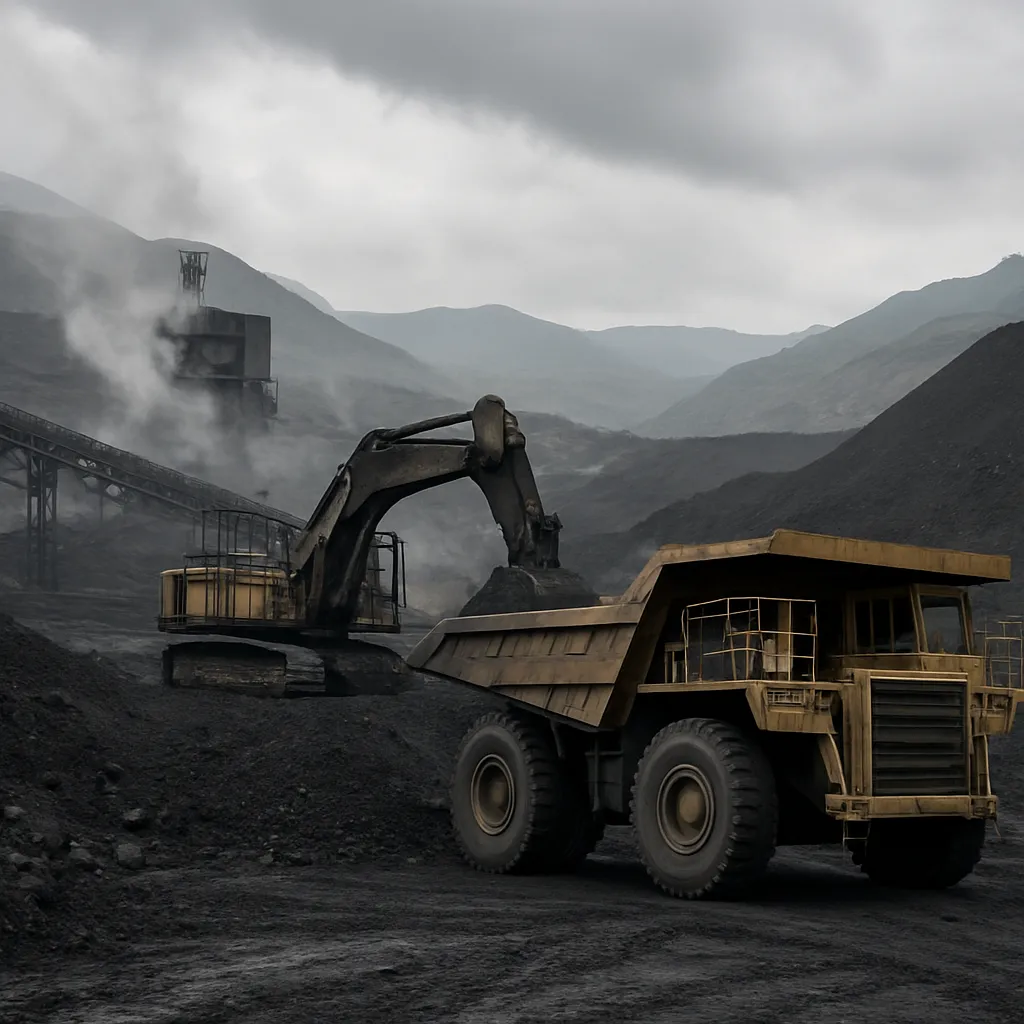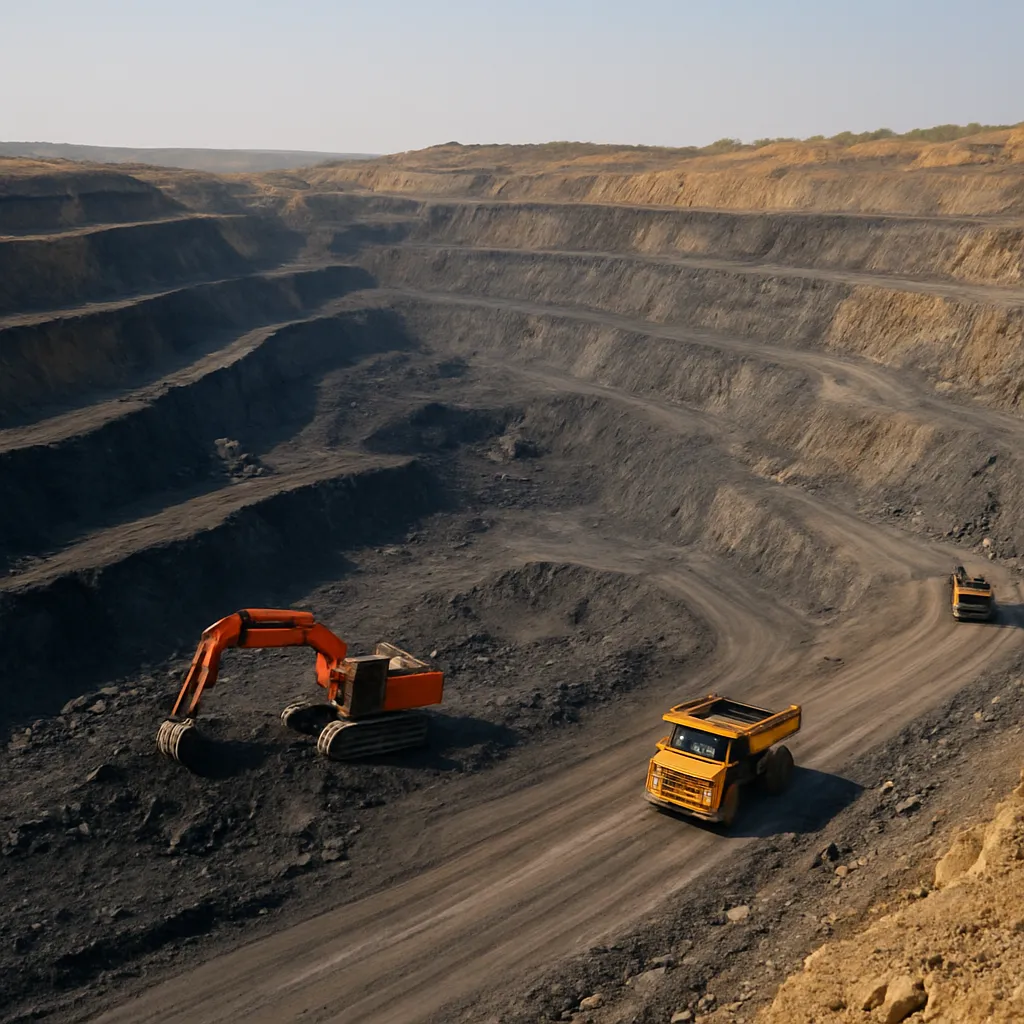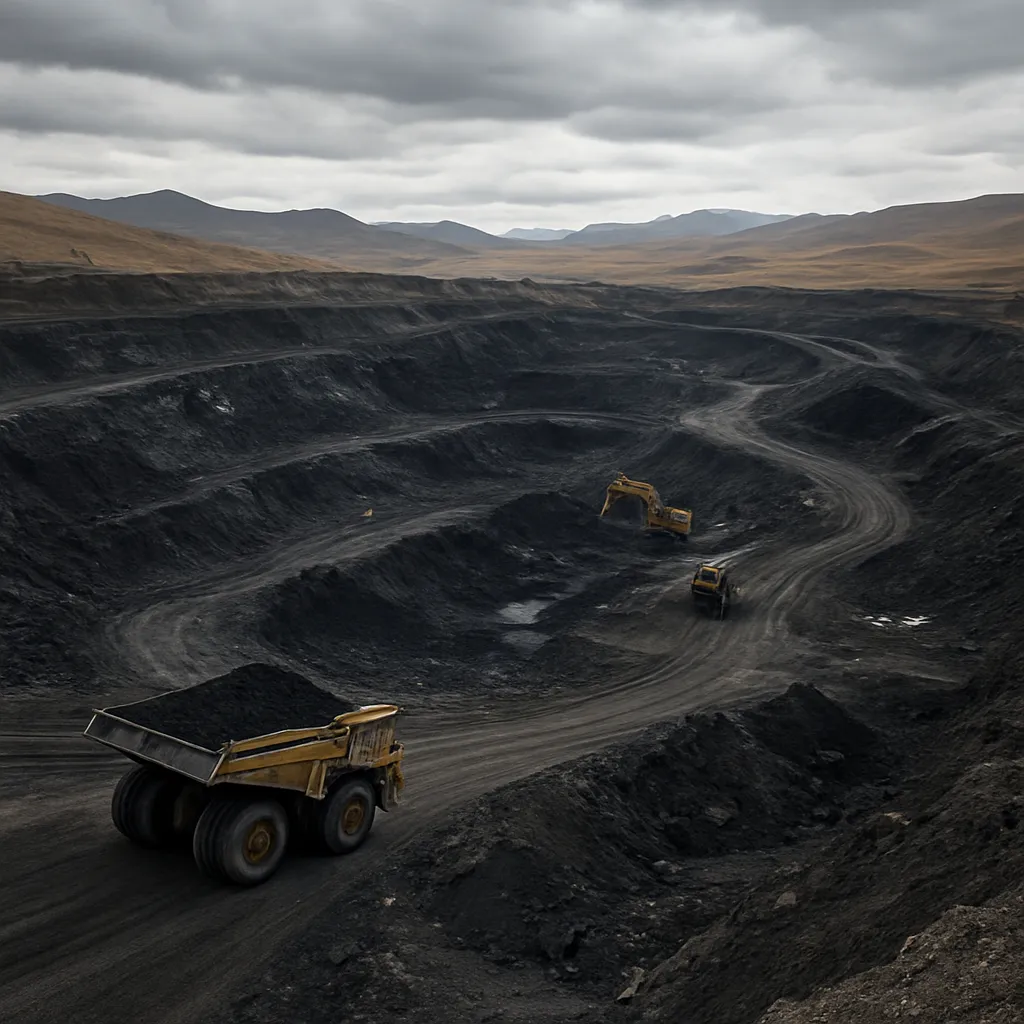
The Bayan Ovoo mine is one of the many coal-bearing sites in Mongolia whose name — Bayan Ovoo — literally evokes the country’s landscape and resource wealth. This article examines the mine from geological, operational, economic and environmental perspectives. It places the site into the wider context of Mongolia’s coal industry, trade patterns, and regional development, and discusses challenges and opportunities commonly faced by coal projects in Mongolia.
Location and geological setting
The Bayan Ovoo coal site is located in Mongolia, a country with extensive Mesozoic and Paleozoic sedimentary basins that host a variety of coal types. Across Mongolia, coal deposits are distributed in the Central and Eastern basins as well as in the South Gobi region; many mines, including Bayan Ovoo-type deposits, occur as near-surface seams suitable for open-pit extraction.
Regional geology
- Mongolia’s coal-bearing formations were largely deposited during the Mesozoic and late Paleozoic eras and occur in fluvial, deltaic and shallow marine sediments.
- Seams typically range from thin lenses to thick, regionally continuous coal horizons; seam thickness and continuity determine whether operations are small-scale, medium-scale or large-scale open-pit mines.
- Coal rank across Mongolia varies from lignite and sub-bituminous through to bituminous and, in some areas, higher-grade coking and semi-soft coking coal.
Local structural controls
At Bayan Ovoo-style sites, depositional patterns, faulting and erosion history influence seam orientation and overburden thickness. These factors determine mine planning: where seams are shallow and laterally continuous, strip mining and large-scale open pits are feasible; where seams are disrupted or deep, underground and selective mining approaches become necessary.
Deposit characteristics and coal quality
Coal quality at Mongolian deposits varies widely. Mines referred to as Bayan Ovoo commonly produce coal used for both domestic energy needs and export markets.
Typical coal properties
- The coal is often classed as thermal coal, supplying power plants and industrial boilers. Some deposits include higher-rank fractions amenable to low- to medium-volatile coking uses.
- Calorific values in Mongolian thermal coals typically range from moderate to good for combustion purposes; moisture and ash contents can be significant in certain deposits, which affects handling and shipping economics.
- Sulfur levels are frequently low to moderate — a favorable characteristic for export markets sensitive to emissions.
Reserves and exploration
Exploration at Bayan Ovoo-type sites usually defines resources and reserves at a scale from several million to potentially tens or hundreds of millions of tonnes depending on the extent of the deposit and investment in exploration. Reserves estimates are based on geological mapping, drilling campaigns and feasibility studies. Where advanced exploration has been completed, mining companies may classify parts of the deposit into measured, indicated and inferred categories following international reporting standards.
Mining methods and operations
Most coal deposits with modest overburden are mined by open-pit methods. Operations at these sites involve coordinated activities in extraction, hauling, processing and logistics.
Typical operational flow
- Site preparation and removal of overburden using excavators, dozers and haul trucks.
- Coal extraction, initial screening and crushing where required.
- Run-of-mine stockpiling and washing (if economically justified) to reduce ash and improve calorific value for export markets.
- Loading for transport — either by truck to domestic customers or to railheads and border crossings for export, primarily across Mongolia’s southern and eastern routes to China.
Workforce, safety and equipment
Employment at a mine like Bayan Ovoo typically includes a combination of local labor and external technical staff. Tasks range from machine operators and geologists to plant maintenance crews and logistics coordinators. Safety programs focus on open-pit stability, dust control, vehicle management and training in emergency response. Modern operations increasingly adopt digital monitoring and fleet-management systems to improve productivity and safety.
Economic and regional importance
Coal mining is a major pillar of Mongolia’s extractive economy. While large projects such as Tavan Tolgoi draw most attention, numerous smaller deposits including Bayan Ovoo contribute to domestic supply and export flows. The economic footprint of a typical Bayan Ovoo mine can be assessed at local, regional and national scales.
Domestic energy and industry
- Coal from smaller mines often fuels local power plants, district heating and industrial boilers, supporting towns and mining camps.
- Reliable coal supply helps stabilize energy prices regionally and supports economic activity in remote provinces where alternate fuel sources are costly or unavailable.
Exports, trade and revenues
Mongolia’s coal industry is export-oriented; a large share of national coal exports go to China. While Bayan Ovoo mines may primarily serve domestic markets, they can also participate in export supply chains when logistics and quality permit. Nationally, Mongolia’s coal production in recent years has been in the tens of millions of tonnes annually, and coal constitutes a substantial share of mineral export earnings. Revenues from coal support government budgets, regional infrastructure and local employment.
Infrastructure and logistics
Efficient transport and energy infrastructure determine a mine’s economic viability. Key components include access roads, proximity to railheads, border crossings (notably the southern corridor to China) and onsite handling facilities. Investments in rail capacity, road maintenance and loading terminals can dramatically lower unit costs and open export opportunities. For many deposits, the availability and cost of transport to market are as important as the geological characteristics of the seam.
Environmental, social and regulatory aspects
Mining brings benefits but also environmental and social impacts. Bayan Ovoo-type mines must navigate Mongolia’s regulatory framework while addressing local concerns and implementing mitigation measures.
Environmental impacts
- Land disturbance and loss of pasturelands are immediate concerns in a country with nomadic herding traditions.
- Air quality issues include dust emissions from blasting, hauling and stockpiles; these can be mitigated by water sprays, wind fencing and timing of operations.
- Water use is critical: processing and dust suppression require water in an arid or semi-arid environment, so water sourcing and recycling are essential design considerations.
- Acid mine drainage is less common in many Mongolian coal deposits, but tailings and spoil management must still follow strict practices to avoid long-term contamination.
Social and community relations
Socioeconomic impacts can be both positive and negative. On the positive side, local employment, training programs and infrastructure improvements benefit communities. On the negative side, disruptions to grazing routes, noise and changes in local economies require careful stakeholder engagement. Responsible operators implement community development agreements, grievance mechanisms and benefit-sharing to reduce conflict and sustain operations.
Regulation and compliance
Mongolian mining law, environmental regulations and licensing regimes define permitting, environmental impact assessments (EIAs) and closure planning requirements. International investors and lenders often apply additional standards (e.g., IFC Performance Standards) that demand higher levels of environmental and social management, transparency and community consultation.
Statistics and broader industry context
While specific, up-to-date production figures for every individual mine named Bayan Ovoo may not always be publicly available, the national and regional statistics provide context for its significance.
- Mongolia’s coal production has fluctuated in recent years in response to global demand and border logistics; production levels in the tens of millions of tonnes per year are characteristic of the national industry.
- The majority of Mongolian coal exports are directed to China, reflecting geographic proximity and China’s demand for both thermal and metallurgical coal.
- Coal revenues are a major source of foreign exchange for Mongolia and a significant component of government mineral income; they also underpin provincial economies where mines are located.
Challenges and future prospects
Looking forward, mines like Bayan Ovoo face a range of challenges and potential opportunities.
Operational and market challenges
- Logistics bottlenecks at border crossings and limited rail capacity can constrain export volumes and depress prices for smaller producers.
- Volatility in international coal prices, driven by macroeconomic cycles and shifts in energy policy, affects profitability.
- Local environmental constraints — water scarcity, dust control and land restoration obligations — increase operational costs and require long-term planning.
Opportunities and innovations
- Investment in rail infrastructure, coal handling terminals and washing facilities can improve product quality, open export access and increase margins.
- Adoption of modern mining equipment, automation and fleet-management technologies improves efficiency and safety while reducing per-tonne costs.
- Value-added processing (coal washing, blending) can lift calorific value and reduce penalties for ash content, making coal more competitive in export markets.
- Environmental technologies — dust suppression, improved water management, and progressive rehabilitation — can reduce the social license risk and align projects with international financing requirements.
Concluding remarks
Bayan Ovoo is emblematic of many Mongolian coal sites: it sits within a geology that offers economically exploitable coal, it has the potential to support local and regional economies, and it must balance extraction with environmental stewardship and community relations. While precise, mine-level statistics vary with exploration and production phases, the broader role of coal in Mongolia’s economy—especially as an export commodity to China—is clear. Future viability will depend on efficient logistics, responsible environmental management, and the ability to respond to changing market and regulatory conditions.
Bayan Ovoo remains a noteworthy part of Mongolia’s coal landscape: a resource that links geology, industry, communities and cross-border trade, and one that will be shaped by both local decisions and global energy trends.