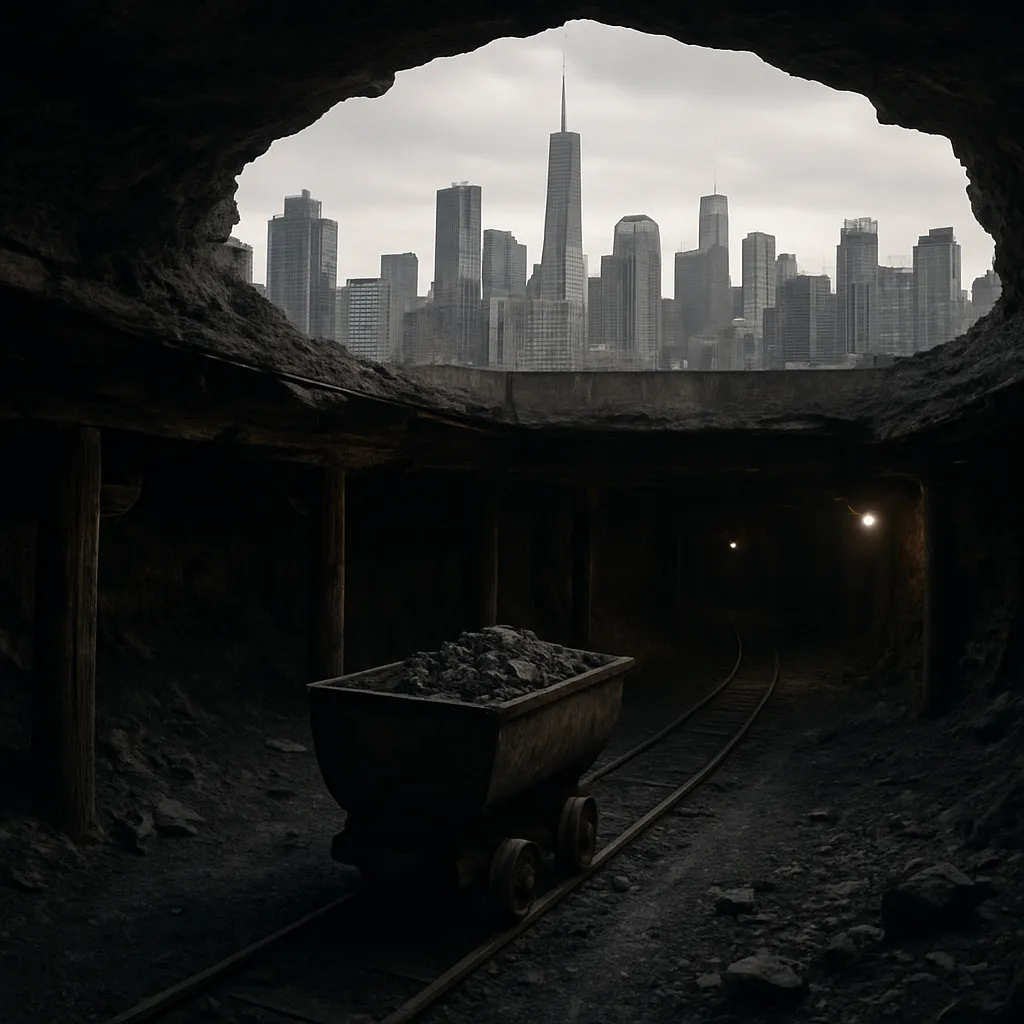
Hidden beneath bustling streets and gleaming skyscrapers lies a labyrinth of tunnels and galleries, remnants of a bygone era when coal powered booming cities and drove unprecedented growth. These neglected passageways and abandoned shafts sit silently underfoot, posing complex challenges and offering surprising insights into urban development, resource management, and environmental resilience.
Historical Legacy of Urban Coal Mines
The emergence of underground mining in the 18th and 19th centuries coincided with the rise of factories, railroads, and steelworks. Regions that would later become major metropolitan centers were selected for their ready access to coal seams. Miners carved extensive networks, often following the thin vein structures dictated by local geology. Tunnel supports of timber and brick, now long decayed, once held up cavernous halls where horse-drawn carts transported fossil fuel to the surface.
As cities expanded, surface footprints grew over these voids. Early urban planners, unaware of the true extent of subterranean workings, built roads, homes, and even public parks directly atop disused mines. The synergy between industrial demand and accessible energy resources shaped the urban map, leaving a hidden infrastructure that still influences cityscapes today.
Current Risks and Challenges
Forgotten mine networks can undermine foundations, leading to ground subsidence, sinkholes, and unpredictable shifts. Aging timber props collapse, water infiltration accelerates erosion, and pockets of explosive gases may accumulate unnoticed. Local governments and engineering firms face the daunting task of mapping these underground hazards, often relying on fragmented records and geophysical surveys.
- Subsidence: Surface collapse can damage buildings, roads, and utility lines.
- Methane Accumulation: Ventilation lapses may concentrate flammable gas.
- Water Ingress: Flooding corrodes supports and alters groundwater flows.
- Soil Contamination: Acidic runoff mobilizes heavy metals.
- Structural Instability: Adjacent foundations may shift unexpectedly.
Mitigation efforts include controlled grouting, ground-penetrating radar, and continuous monitoring. Yet the expense can run into the millions of dollars per city. In many cases, the hidden corridors remain only partially documented, raising liability issues for municipalities and property developers.
Coal Stock: Reserves and Market Dynamics
Global Reserves and Production
Despite the shift toward renewable sources, global coal reserves remain vast. According to recent assessments, proven reserves exceed one trillion tonnes, with major deposits in the United States, Russia, China, Australia, and India. Annual production hovers around eight billion tonnes, driven by persistent demand in power generation and steelmaking.
Price Volatility and Strategic Stocks
Coal prices are subject to fluctuations influenced by international trade policies, transportation constraints, and fluctuations in demand for energy. Countries maintain strategic stockpiles to cushion against supply disruptions and price spikes. These reserves are often stored in large surface yards, sealed warehouses, or even repurposed underground caverns.
- Economic Impact: Coal-intensive industries can suffer abrupt cost shocks.
- Logistics: Rail networks and ports must handle bulk transport efficiently.
- Policy Shifts: Carbon taxes and emissions trading influence market signals.
Investors and governments monitor stock-to-use ratios closely. Low inventory levels can trigger rapid price increases, affecting electricity rates and production costs for heavy industries. Conversely, oversupplied markets may depress profits and discourage new projects.
Environmental and Health Impacts
When combustion of coal occurs, it releases large quantities of carbon dioxide and other pollutants. Particulate matter, sulfur dioxide, and nitrogen oxides contribute to smog, acid rain, and respiratory ailments. Urban centers built upon old mines face elevated risks if residual dust and heavy metals leach from spoil heaps into groundwater.
Efforts to rehabilitate former mining zones include soil capping, phytoremediation, and installation of water treatment systems. In some cities, decommissioned shafts have been sealed and converted to subterranean storage for district heating systems, offering innovative reuse of forgotten voids.
- Public health programs target communities near legacy sites for screening.
- Regulations mandate continuous air and water quality monitoring.
- Green infrastructure projects aim to restore urban ecosystems.
The drive toward sustainability has prompted many governments to phase out coal-fired plants and pursue alternative energy sources. However, the transition is uneven, and coal remains a staple in many national energy portfolios. Balancing economic needs with environmental protection remains a formidable policy challenge.