The Xiaobaodang Mine, referenced in various Chinese coal mining site summaries, represents one of the many mining operations that contribute to China’s vast and complex coal industry. This article compiles geographic, geological, operational, economic and environmental perspectives relevant to Xiaobaodang, placing the site within the broader context of Chinese coal production. Where direct public data for Xiaobaodang is limited or unavailable, the text clarifies likely conditions by drawing on typical characteristics of comparable Chinese coal mines and provincial mining practices.
Location, Ownership and Historical Background
The precise publicly available coordinates and ownership registry for the Xiaobaodang Mine are not widely published in international open datasets, which is common for many smaller or regionally managed mines in China. The name Xiaobaodang (小保当 or similar variants in Chinese characters) suggests a local toponym and would most likely place the mine within one of China’s traditional coal-bearing provinces such as Shanxi, Inner Mongolia, Shaanxi, Hebei, or Guizhou, regions that host extensive coalfields and numerous medium- and small-scale operations.
Typical ownership structures for mines of this nature range from state-owned enterprises (SOEs) at municipal or provincial level to joint ventures and private companies. Historically, coal mining in China evolved from many small local pits through phases of consolidation and modernization; many mines with names like Xiaobaodang have origins as village or county-level pits that later were professionalized and integrated into larger corporate structures.
Local Geography and Access
- Most inland Chinese coal mines are accessible by a network of provincial roads, rail spurs and, where output is large enough, direct rail links to major trunk lines. Thus, infrastructure connectivity (road, rail, conveyor) is a key determinant of economic viability.
- Topography typically ranges from plateau and loess plateau regions in northern China to rugged karst and hilly terrain in southern provinces; mines in each setting face distinct engineering and environmental challenges.
Geology and Type of Coal
Coal seams mined in China vary in rank from lignite and sub-bituminous in some basins to high-rank anthracite in limited areas. For a mine with the name Xiaobaodang, the specific coal rank must be confirmed by geological reports; however, it is useful to outline the common possibilities and their implications.
Common Coal Types in Comparable Mines
- Bituminous coal: Widely targeted for both thermal power and coking applications; most Chinese power-generation coal is in the sub-bituminous to bituminous range.
- Antracite: Higher fixed carbon and energy density; found in more limited basins and valued for metallurgical and high-heat applications.
- Lignite/sub-bituminous: Lower energy values, often used near-site for local power generation or briquetting.
From a technical viewpoint, the seam thickness, dip, and roof/ floor conditions determine whether a mine employs longwall mining, room-and-pillar methods, or selective mechanized faces. Many modern Chinese mines with industrial-scale output use mechanized longwall systems for higher recovery and productivity, while smaller or geologically complex mines retain room-and-pillar or a combination of methods.
Mining Operations, Technology and Safety
Operationally, Xiaobaodang would be expected to follow the common lifecycle of a Chinese mine: exploration, development of shafts or entries, production, and progressive reclamation. The degree of mechanization varies widely. Recent decades have seen heavy investment across China in mechanized mining equipment, automated monitoring systems and digital mine management.
Production Methods
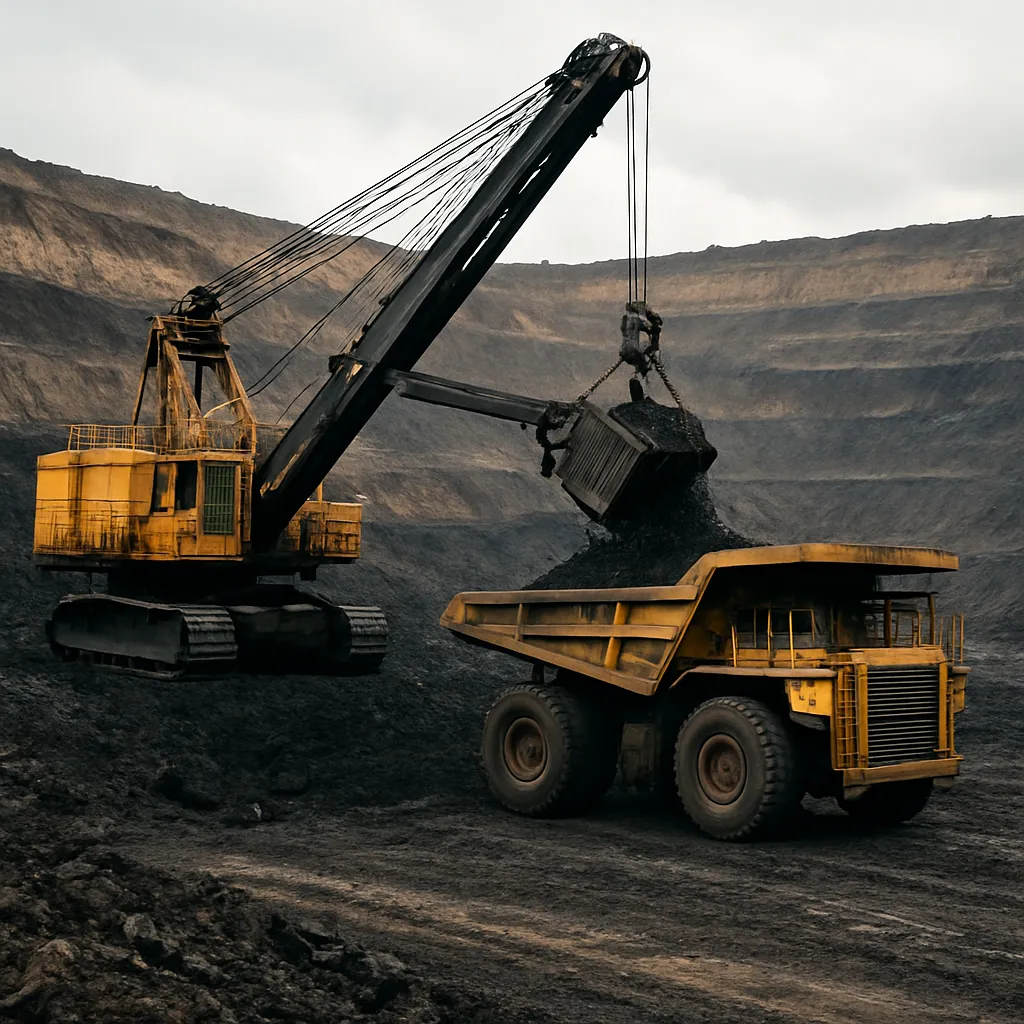
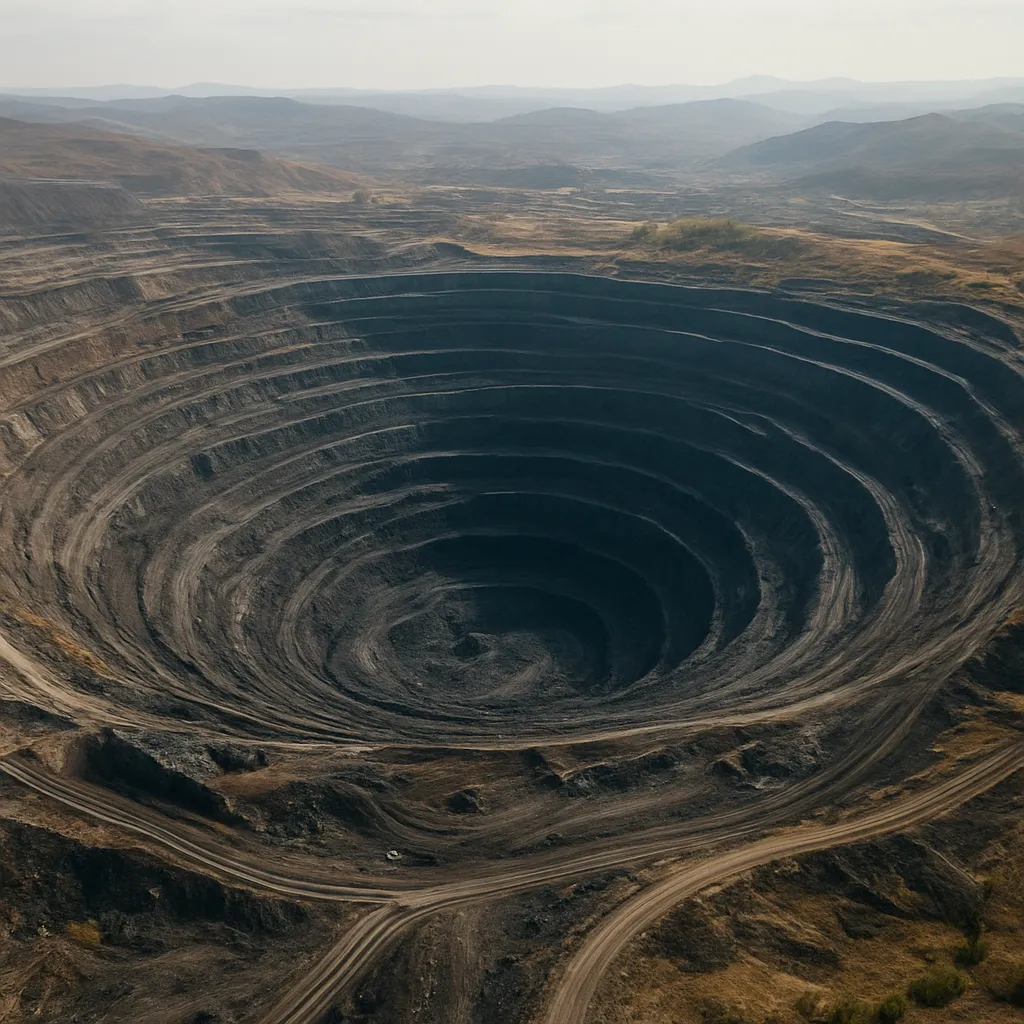
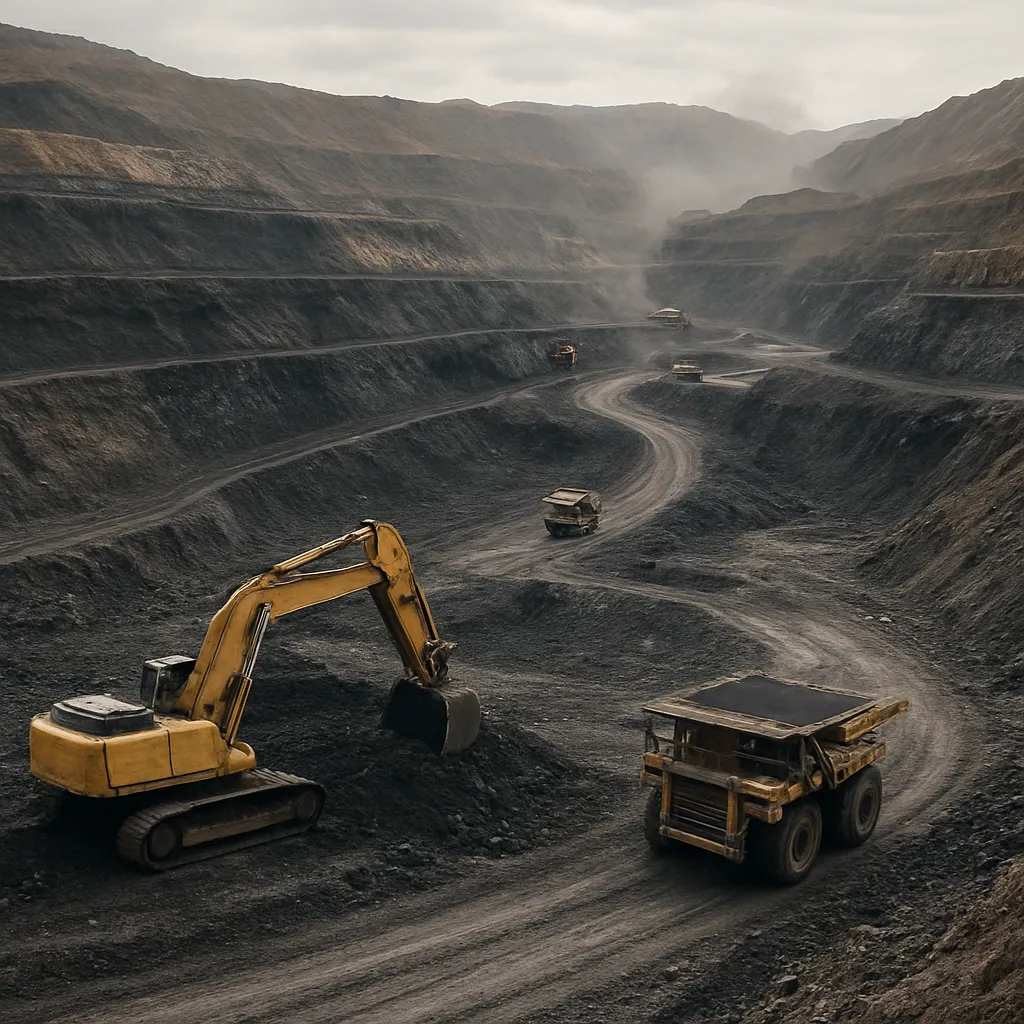
- Surface vs underground: Where seams are shallow, open-pit techniques may be used; most of China’s high-output coal mines are underground due to the depth of major seams.
- Longwall systems: Provide high recovery rates and continuous production—common in larger, modernized mines.
- Room-and-pillar: Often retained for seams with challenging geology or smaller reserves.
Safety and Working Conditions
Mine safety is a major operational focus. China has made sustained efforts to reduce major accidents and fatalities through stricter regulation, mine consolidation, mandatory safety investments and improved emergency response. Key safety measures include gas monitoring, roof support systems, ventilation networks, and worker training. Despite improvements, safety remains a continuous challenge in coal mining due to risks such as methane, coal dust explosions, roof falls, and water inrushes.
In the context of Xiaobaodang, expected local programs would include routine safety inspections, gas drainage installations (if methane-prone), and compliance with provincial and national mine safety codes.
Economic and Statistical Context
Direct, independently verifiable statistical data specifically for Xiaobaodang Mine (annual production, proved reserves, headcount) is limited in public international sources. For practical context, the mine’s significance can be inferred by comparing it to typical Chinese coal mine metrics and the broader industry statistics.
Representative Industry Figures
- National production: In recent years China produced on the order of several billion tonnes of coal per year, reflecting its role as the world’s largest coal-producing and -consuming country. Annual national output consistently exceeds multiple billion tonnes.
- Mine-scale categories:
- Small mines: tens to hundreds of thousands of tonnes/year.
- Medium mines: hundreds of thousands to a few million tonnes/year.
- Large mines: several million tonnes to double-digit millions/year.
- Economic outputs: Coal provides feedstock for electricity generation, steelmaking (coking coal), chemical industries, and local district heating. The value of production depends on coal quality (calorific value, ash, sulfur, moisture) and market prices.
For a mine such as Xiaobaodang, a realistic production expectation—if it is a medium-sized operation—would be in the hundred-thousand to low-million tonnes per year range. Employment at the site would typically number from a few hundred to a few thousand direct workers, depending on automation levels and throughput. Ancillary economic impacts include jobs in transport, maintenance, processing, and local services.
Fiscal and Regional Economic Role
Coal mines contribute to local and provincial revenues via taxes, royalties and the economic multiplier effect of wages spent locally. State- or provincially-owned mines often have responsibilities for worker housing, social services and community development in addition to raw production objectives. In regions dependent on coal, a single mine can be a major employer and fiscal pillar for a county or prefecture.
Environmental, Social and Rehabilitation Considerations
Coal mining, including operations comparable to Xiaobaodang, involves environmental and social trade-offs that shape regulatory and community responses. Key areas of attention include air emissions, water pollution, landscape disturbance, and socioeconomic transition.
Environmental Impacts
- Air quality: Dust and particulate emissions arise from mining, crushing and transport; volatile organic compounds and combustion by-products are linked to coal use downstream.
- Water: Acid mine drainage, sedimentation and contamination of groundwater are risks where geological conditions permit oxidation of sulfide minerals or where tailings management is inadequate.
- Subsidence and land disturbance: Underground mining can cause surface subsidence; open pits permanently alter topography until reclamation proceeds.
Contemporary mitigation practices in China include dust suppression systems, wastewater treatment plants, land reclamation (regrading and revegetation), and mine-site conversion (for example, to industrial parks or lakes). Regulatory oversight has tightened in recent years, with environmental impact assessments and post-mining restoration required for major projects.
Social Impacts and Community Relations
Mining companies typically engage with local stakeholders on employment, compensation for land, and community benefits such as infrastructure upgrades. Conversely, communities may express concerns about health impacts, household disruption and long-term economic dependence on a nonrenewable resource.
Logistics, Processing and Value Chain
From the coal face to the end user, mining operations are integrated into logistics and processing networks. Typical features include on-site coal washing plants (for high-ash coals), stockpiling and blending facilities, and transport links to thermal power plants, steel mills, or export terminals.
Transport Modes
- Rail: The backbone of bulk coal transport in China, linking mines to major load centers and ports.
- Road: Short-haul trucks move coal from mine mouth to railheads or local customers.
- Conveyor belts and pipelines (for slurries) are used for short distances within complexes.
Processing can upgrade coal by lowering ash and sulfur content and tailoring size fractions. For metallurgical coal, coking properties determine market value. For thermal coal, calorific value and combustion properties are primary determinants of price and desirability.
Strategic Importance and Industry Role
Even a modest mine like Xiaobaodang plays roles in energy security, regional employment and raw material supply chains. Coal remains central to industrial processes, especially in heavy industries such as steel and cement, and to electricity generation in China.
Energy Transition Context
China is pursuing a complex energy transition: expanding renewables and nuclear while maintaining coal for reliability and industrial needs. This implies that many existing coal mines will remain operational in the medium term even as new renewable capacity grows. Mines that can demonstrate reduced environmental footprints, improved efficiency, and integration into cleaner value chains are likely to fare better in a decarbonizing economy.
- Decarbonization pressures: Will influence demand for higher-quality, lower-emission coal and for technologies like carbon capture and storage (CCS).
- Restructuring and consolidation: Smaller, less efficient mines are often closed or merged with larger operations under regulatory drives to improve safety and environmental performance.
Future Prospects and Trends Affecting Xiaobaodang
Several trends will likely shape the future of mines like Xiaobaodang:
- Automation and digitalization: Remote operation, real-time monitoring, and predictive maintenance can reduce costs and improve safety.
- Environmental compliance: Stronger enforcement of emissions and water quality standards will raise operating costs but also incentivize cleaner processes.
- Market dynamics: Domestic demand, regional coal prices, competition from imports and fuel substitution (gas, renewables) will determine long-term profitability.
- Rehabilitation and re-purposing: Post-mining land uses (industrial parks, reservoirs, ecological restoration) will be a planning priority, especially where community livelihoods depend on landscape recovery.
For a mine such as Xiaobaodang, management choices that improve efficiency, reduce environmental impacts, and engage constructively with local stakeholders will improve prospects in an evolving regulatory and market environment.
Concluding Remarks
Xiaobaodang Mine exemplifies the many regional coal operations that together form the backbone of China’s coal sector. While specific public statistics for Xiaobaodang are limited in international sources, understanding the mine’s likely geology, production methods, economic role and environmental challenges can be achieved by situating it within common patterns from Chinese mining provinces. Key themes include the importance of reserves and production scale, ongoing efforts to raise safety and reduce environmental footprints, significant roles in local economies and employment, and the broader pressures of the energy transition affecting strategic planning. For precise figures—annual output, proven reserves, workforce size and ownership details—consultation of provincial mining bureaus, company reports, or official Chinese statistical releases would be necessary to obtain verified data specific to Xiaobaodang.