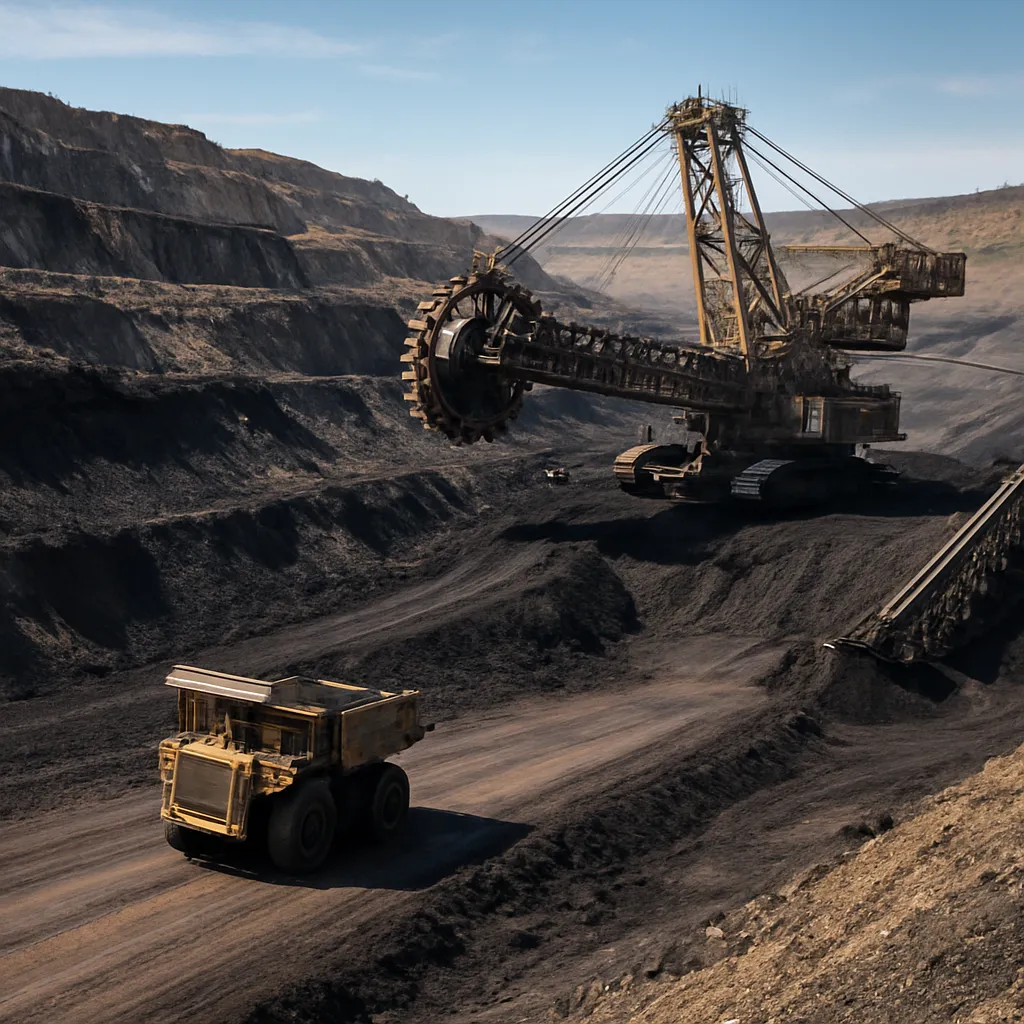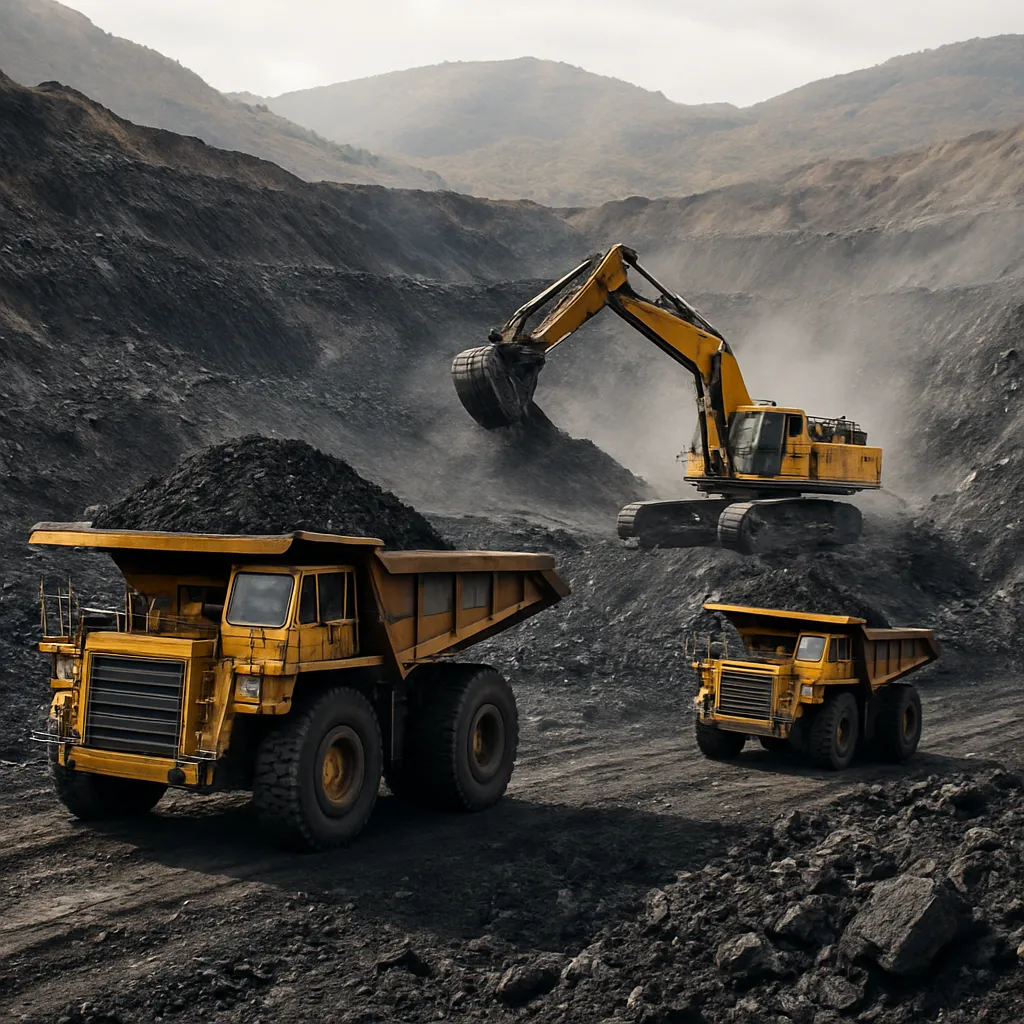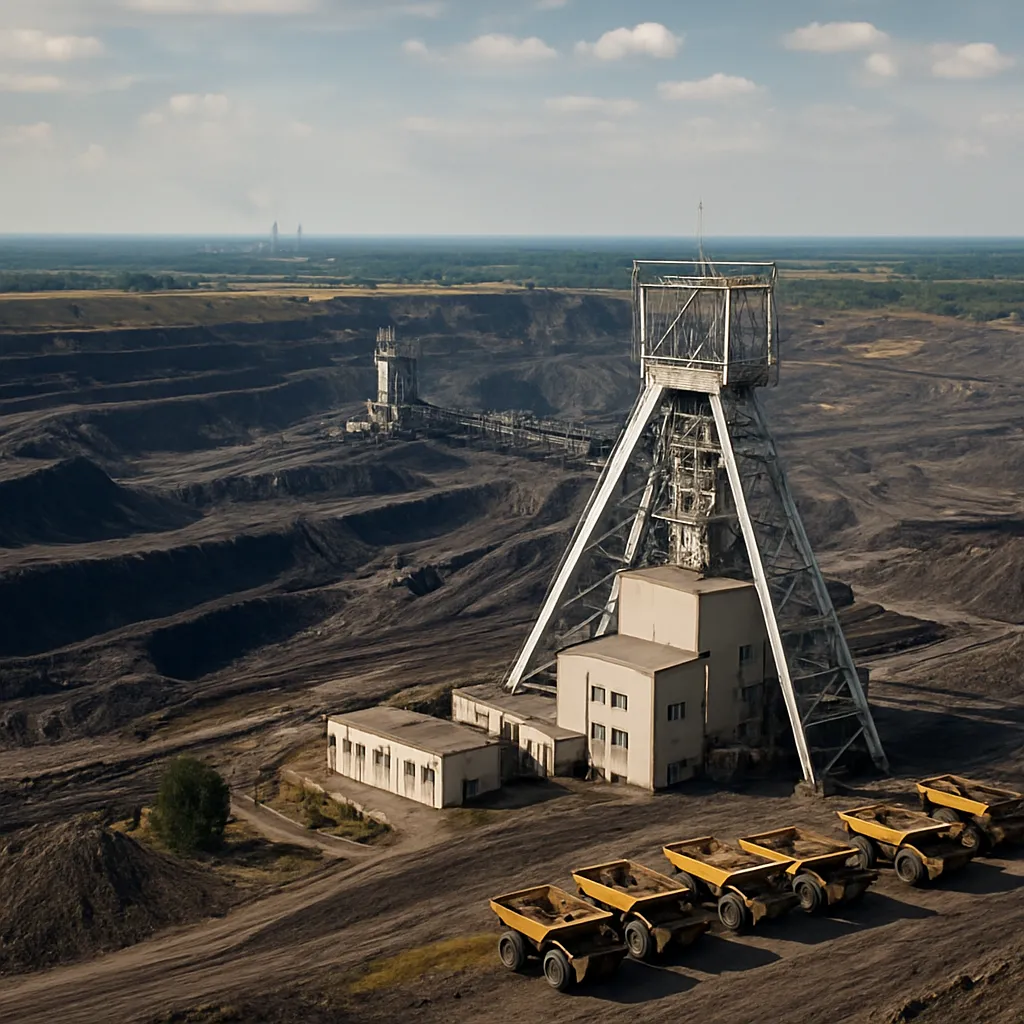
The Makoszowy coal mine, located in the Silesian region of southern Poland, is a notable example of the industrial heritage and economic importance of coal mining in the Upper Silesian Coal Basin. Over more than a century of operation the mine has influenced local urban development, employment patterns, and energy supply chains. This article examines the mine’s location, geological setting, types of coal produced, economic and social significance, production profile and statistics where available, environmental impacts, technological aspects and the post-mining transition of the site and community.
Location and geological setting
The Makoszowy mine is situated in the district of Makoszowy, part of the city of Zabrze in the Silesian Voivodeship of southern Poland. The area falls within the extensive Upper Silesian Coal Basin, one of Europe’s most important coal-bearing regions. This basin contains thick seams of hard coal that formed in the Carboniferous period and have been mined since the 19th century.
Geologically, Makoszowy shares many features characteristic of the Upper Silesian basin: relatively shallow seam depths in some places but also complex faulting and seam discontinuities in others, multiple seam horizons amenable to both shaft and drift mining, and the presence of methane and other mine gases that require constant management during operations. The mine’s underground works connected to a network of galleries and shafts typical for Silesian mines, facilitating access to multiple coal seams and allowing integration with adjacent mining operations at various times in its history.
Mining history and development
The area around Makoszowy became industrialized with the spread of coal extraction in Silesia during the late 19th and early 20th centuries. The mine developed as part of the wave of industrial investment that accompanied the region’s rapid urbanization. Over time the mine’s ownership and administrative status changed in line with political and economic shifts: from private or semi-private pre-war operators, through nationalization after World War II, to inclusion in larger state-controlled coal companies and, later, corporate reorganizations in post-communist Poland.
Infrastructure and operations
Operations at Makoszowy incorporated the typical mine infrastructure: sinking and maintaining shafts, underground galleries, conveyor belts and hoisting systems, surface coal-washing and sorting facilities, and logistical links to rail and road for coal transport. At various points the mine modernized its equipment to improve safety and productivity—investments in ventilation, methane drainage, mechanized longwall face equipment and surface processing facilities were made, reflecting broader modernization trends in Polish coal mining.
Workforce and social structure
For much of its active life the mine was a major local employer. At peak times many Silesian mines, including Makoszowy, supported communities of thousands of miners and their families, and employment in the mine stimulated secondary economic activity—housing, shops, schools and social institutions. Mining culture became integrated into the local identity: trade unions, miners’ social clubs and patronage of cultural institutions were part of everyday life.
Type and quality of coal produced
Makoszowy primarily produced hard coal, typical of the Upper Silesian Coal Basin. The mine yielded coal grades suitable for a range of industrial uses including coking coal for steel production, thermal coal for power generation, and various lower-grade fractions used in domestic heating and industrial processes. The exact quality of the coal—measured by parameters such as calorific value, volatile matter, ash content and coking properties—varied by seam and changed over time as mining targeted different horizons.
In general, coal from the Upper Silesian basin is known for relatively high calorific value and, in many seams, coking properties that make it valuable for metallurgical coal markets. Consequently, mines like Makoszowy historically supplied both the domestic power and steel sectors, linking their output to regional heavy industry such as steelworks, foundries and chemical plants concentrated in Silesia.
Economic and industrial significance
The economic importance of the Makoszowy mine can be viewed on several levels. Locally, the mine acted as an anchor employer and a driver of urban development in the Makoszowy district and surrounding municipalities. Regionally, its coal contributed to the raw material base for Silesia’s heavy industries, particularly steel production and power generation. Nationally, while Makoszowy represented one of many mines in Poland’s substantial coal sector, together these mines underpinned energy security and industrial capacity for decades.
Economic ties extended beyond direct employment: coal transport created demand for rail and logistics services, surface processing and repair workshops supported supply chains, and tax contributions and social programs funded local services. During the 20th century, the mine’s output fed into wartime and post-war reconstruction economies and later into modernization campaigns for Polish industry.
Production statistics and reserves
Precise long-term production statistics for Makoszowy vary with historical records, but the mine’s lifetime production amounts to tens of millions of tonnes of coal extracted over many decades. Annual production fluctuated with demand, investment, geological conditions and broader economic factors; in different periods output ranged from several hundred thousand tonnes per year to higher levels when expansion or modernization took place.
Reserve estimates for individual Silesian mines like Makoszowy depend on technical and economic considerations. Historically, mines reported measured and inferred reserves sufficient to support operations for decades; however, reserves can be rendered uneconomical by low coal prices, high extraction costs, or regulatory and environmental constraints. Over the last decades of operation many Polish mines experienced reserve re-evaluations resulting in decisions to downsize or close less economical sites.
Safety, technology and working conditions
Mining in Makoszowy, as in other Silesian mines, involved significant attention to safety due to hazards such as methane accumulation, coal dust, rock falls and underground water. Continuous investments were required in ventilation systems, methane drainage, rock bolting and face-support technologies. Mechanized longwall mining techniques were increasingly adopted to enhance productivity and safety by reducing manual labor at the face.
Working conditions improved over the 20th century with stronger regulation, better personal protective equipment, and technological change, yet mining remained physically demanding and hazardous. Trade unions and mine management engaged in ongoing efforts to reduce accidents and improve compensation, occupational health programs and social welfare for miners and their families.
Environmental impacts and land reclamation
Coal mining at Makoszowy produced environmental impacts typical of underground mining in an urbanized region. Surface subsidence affected buildings, roads and infrastructure, requiring monitoring and remediation. Waste rock and tailings from coal preparation plants altered local landscapes, and drainage or accidental releases could affect water quality.
Methane emissions from coal seams represent a greenhouse gas concern and an operational hazard; mines developed methane capture and ventilation systems to manage safety and, in some cases, to harness methane for energy. Post-mining land reclamation efforts sought to stabilize subsidence, redevelop spoil tips for recreational uses or green spaces, and convert former industrial sites to new economic functions.
Post-mining transition and redevelopment
Following downsizing or closure decisions, the transition of Makoszowy’s site and workforce became an important local challenge. Redevelopment strategies included converting disused buildings for commercial or cultural use, creating parks and recreational infrastructure on rehabilitated spoil heaps, and retraining programs for former miners. Successful transitions require coordinated planning, investment in infrastructure, and support for small- and medium-sized enterprises to replace mining-related employment.
Role in Poland’s energy and industrial policy
The Makoszowy mine operated within the context of national energy and industrial policy that for decades favored coal as the backbone of Poland’s energy mix. Coal-supplied power plants and steelworks relied on stable domestic coal deliveries, reducing import dependence. However, in recent years Poland’s energy policy and the European policy environment have shifted toward decarbonization, pressuring coal mines to adapt or close.
Economic liberalization, market competition, and EU environmental regulation changed the operating environment for mines such as Makoszowy. Subsidy regimes, restructuring of state-owned mining companies and eventual corporate consolidations influenced investment decisions. The interplay of market demand for coking coal, coal prices, and environmental constraints determined the commercial viability of continuing operations.
Statistical context and comparative perspective
While exact figures for Makoszowy must be taken from company reports and governmental records, the mine’s trajectory mirrors that of many Silesian operations: a long history of significant extraction and employment followed by gradual contraction in the face of market and regulatory pressures. At national scale, Poland’s coal sector historically accounted for a large share of energy production and industrial feedstock; dozens of mines across Silesia collectively produced tens of millions of tonnes annually in recent decades, supplying power plants and steelmakers.
When comparing Makoszowy to larger neighboring collieries, Makoszowy was one of many mid-sized mines that together created the dense mining landscape of Upper Silesia. Its cumulative contribution to regional coal output and local economies was substantial even if it was not among the very largest single producers in the basin.
Interesting historical and cultural notes
- Heritage and identity: Mining traditions shaped local culture—miners’ festivals, patron saint celebrations and miners’ songs form part of the intangible heritage tied to Makoszowy and Silesia as a whole.
- Architecture: Surface structures associated with the mine—engine houses, winder buildings and sorting plants—reflect industrial architectural styles and are often repurposed or preserved as part of industrial heritage trails.
- Technological legacy: The adoption of mechanized longwall systems and methane control measures at Makoszowy exemplifies the technological evolution of coal mining from manual picks and tubs to mechanized face operations.
Challenges and prospects
The primary challenges facing the Makoszowy site and similar former mining areas include economic regeneration, environmental remediation and social transition for former mine workers. Redevelopment opportunities exist in renewable energy projects (repurposing land for solar or wind), light manufacturing, logistics hubs, and cultural or recreational projects that capitalize on industrial heritage tourism.
At the policy level, integrating former mining districts into broader regional development strategies—linking education, transport, and business incentives—can help mitigate the socioeconomic effects of mine closures. The experience of Makoszowy also offers lessons for managing the decline of carbon-intensive industries in a way that balances environmental goals with social justice and economic renewal.
Conclusion
The Makoszowy coal mine is emblematic of the long-standing importance of coal in the Silesian region and in Poland’s industrial history. Through its geological endowment in the Upper Silesian Coal Basin, the mine supplied hard coal for power and metallurgical uses, sustained local economies and shaped community identities. Over time, economic pressures, changing energy policies and environmental concerns narrowed the operational horizon for many mines like Makoszowy, prompting closures, downsizing and the need for comprehensive post-mining transformation.
Understanding the story of Makoszowy requires attention to geology, technology, economics and social history. While the mine’s direct industrial role has declined, its legacy remains visible in the urban fabric, in cultural memory and in ongoing redevelopment efforts aimed at creating sustainable futures for former mining communities.