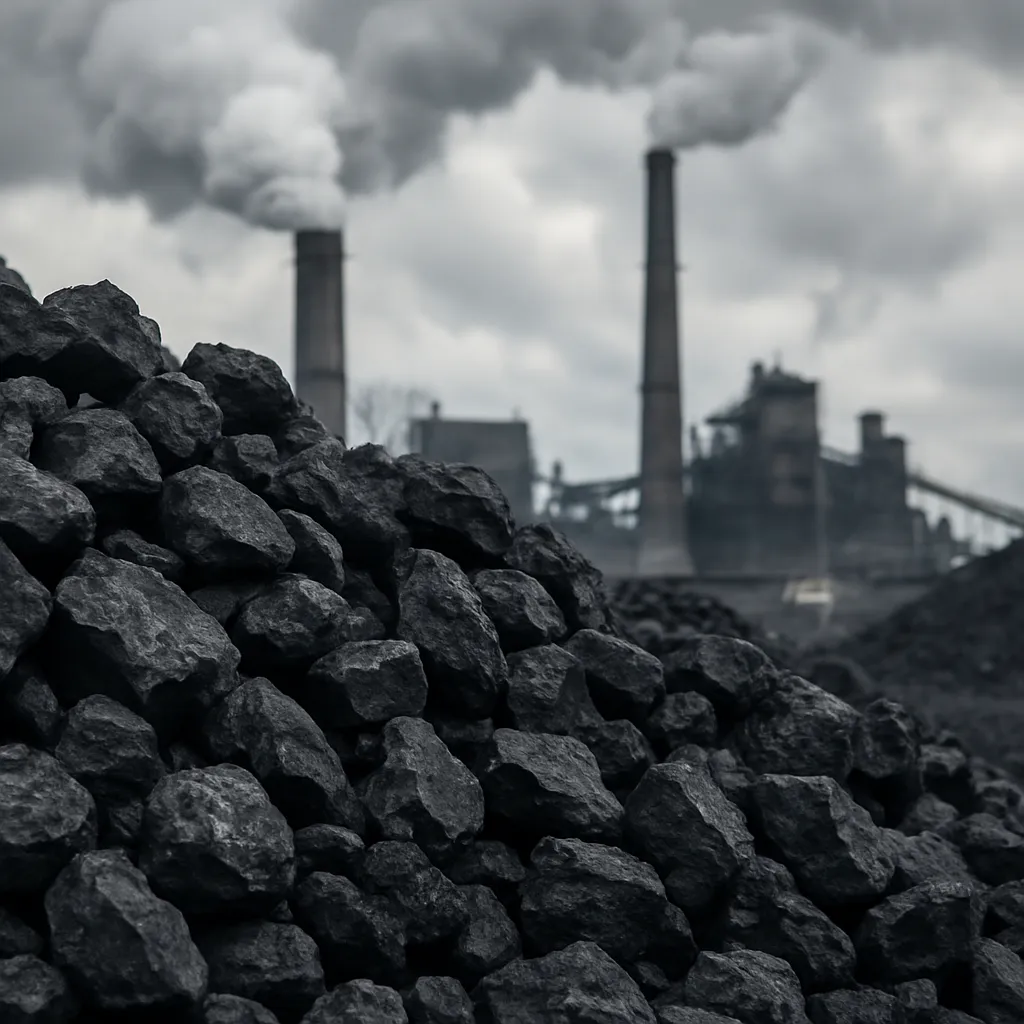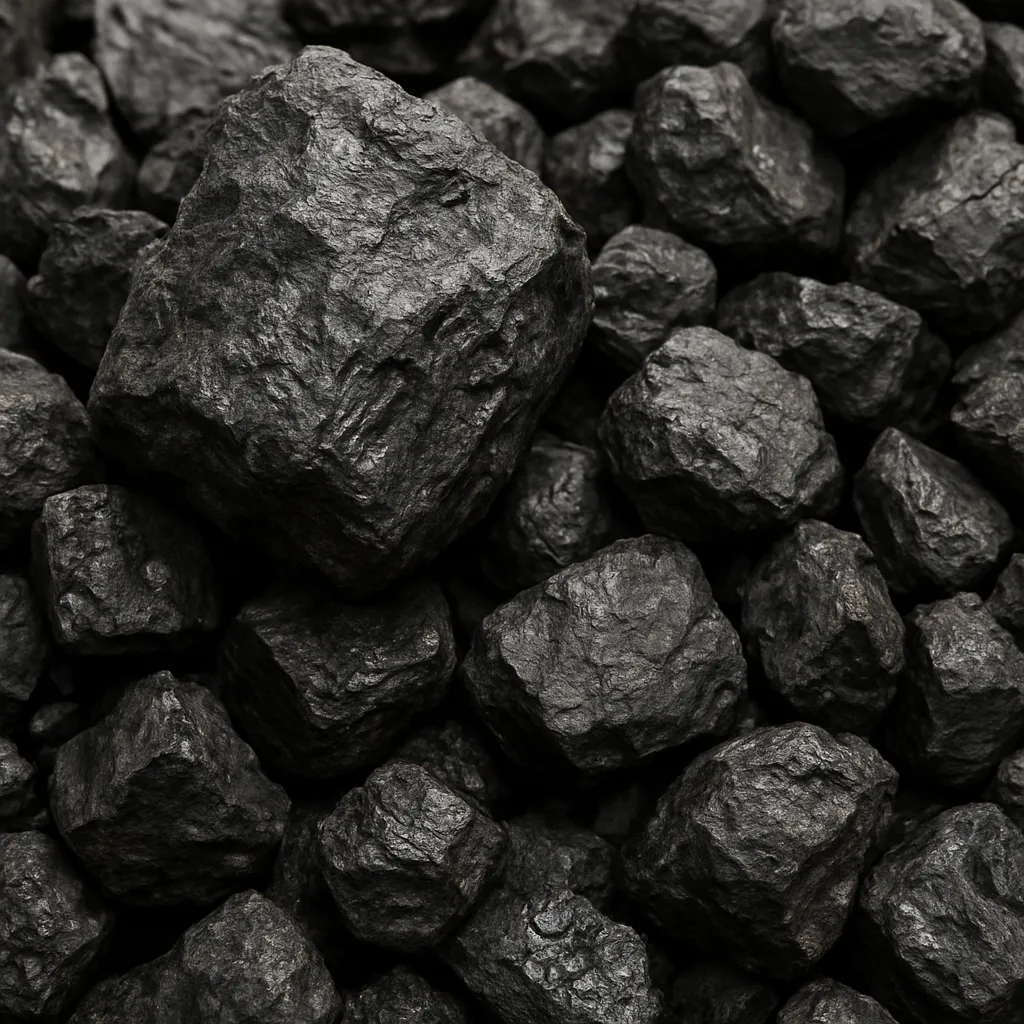
Weathered coal is a distinct category of near-surface coal that has been altered by exposure to air, water, temperature changes and biological activity. This alteration changes its physical, chemical and mechanical properties compared with fresh, unweathered seam coal. In this article I describe what weathered coal is, where it occurs and how it is mined and used, discuss economic and statistical contexts, and examine environmental, safety and technological considerations. The goal is to give a comprehensive picture of an often-overlooked form of coal that has practical implications for mining, industry and land reclamation.
Definition, formation and distinguishing characteristics
Weathered coal is coal that has undergone chemical and physical transformations after exposure to surface or near-surface conditions. The responsible processes include oxidation, hydration, freeze–thaw cycles, microbial activity, leaching and mechanical breakdown. Weathered coal can form where coal seams outcrop, in shallow mines, on spoil heaps and in stockpiles. The zone of alteration is usually limited to a few meters to tens of meters from the surface, but in some climates or geological settings the depth of weathering may be greater.
Key changes that distinguish weathered coal from fresh coal include:
- Loss of volatile organic components and partial oxidation of organic matter, which reduces calorific value and changes the fuel quality.
- Increased moisture content and higher oxygen content in the near-surface portions, often accompanied by higher ash content from mechanical degradation and infiltration of mineral-rich waters.
- Greater friability and reduced mechanical strength — weathered coal is often crumbly or powdery, making it more difficult to handle but easier to crush.
- Higher reactivity to spontaneous oxidation and self-heating; weathered coal is more prone to spontaneous combustion when stored in piles or present as near-surface seams.
- Potential generation of acidic drainage and mobilization of metals where sulfide minerals (e.g., pyrite) accompany the coal and undergo oxidation.
Where weathered coal occurs and how it is mined
Weathered coal is a near-surface phenomenon and therefore its distribution is linked to geological outcrops, shallow seams, mine spoil, and stockpiles. It is found in virtually all coal-bearing regions, but the extent and intensity of weathering depend on climate, topography, hydrology and time since exposure.
Typical occurrence settings
- Seam outcrops and near-surface layers: where coal seams intersect the land surface or are shallowly buried.
- Open-pit and strip mine benches: newly exposed surfaces undergo rapid weathering.
- Mine spoil and overburden dumps: crushed and mixed material on tip faces can become weathered.
- Old, abandoned mine workings and spoil heaps: long-term exposure leads to advanced weathering.
- Stockpiles and marketing yards: coal stored at surface is subject to weathering, especially in humid or fluctuating climates.
Mining and recovery
Weathered coal may be recovered intentionally or encountered as a byproduct of mining. Methods depend on the setting:
- Opencast mining and strip mining: the upper, weathered portion of seams is removed along with overburden; in some cases it is mined separately to manage processing differently from fresh coal.
- Selective mining: operators may separate weathered and fresh coal to avoid blending problems, control emissions and reduce spontaneous combustion risk.
- Coal reclamation and reprocessing: weathered coal fines and spoil can be reclaimed, screened, washed and briquetted or used as feedstock for thermal processes like gasification.
- Small-scale extraction: in some regions with shallow weathered coal, artisanal or small mine operators may exploit it for local fuel needs.
Physical and chemical properties relevant to industry
Understanding the properties of weathered coal is essential for safe handling and for optimizing its use. The properties most affected by weathering include energy content, moisture, chemical reactivity, particle size distribution and impurity loading.
Energy and composition
Weathering typically leads to lowered heating value because of oxidative loss of volatile organic compounds and increased moisture uptake. The degree of calorific loss varies with coal rank and exposure history. In addition, leaching and deposition can raise ash content, while sulfur in pyritic forms can oxidize to sulfates, altering sulfur speciation and environmental behavior.
Reactivity and safety
A defining industrial challenge is the enhanced tendency toward spontaneous combustion. Oxidation of exposed coal surfaces releases heat; poor ventilation in stockpiles or confined spoil heaps combined with insulating properties of fine material can lead to thermal runaway. Weathered coal can give off volatile organic compounds, carbon monoxide and other gases during oxidation, posing safety and health hazards.
Mechanical and handling issues
Weathered coal often becomes friable and dusty, increasing losses during transport, raising air quality concerns and complicating material handling. Conversely, its reduced strength can assist comminution during preparation. Particle-size changes may also influence how weathered coal behaves in washing plants, sintering, briquetting or fluidized-bed systems.
Economic and statistical context
Although most global statistics focus on total coal production and coal quality categories (e.g., thermal vs coking), weathered coal plays a role in regional economies and in the overall mining value chain. Exact global statistics for weathered coal are not commonly reported as a separate category, but the phenomenon has measurable impacts in mining costs, material losses and downstream processing.
Coal in the global energy mix
Coal remains a major energy source worldwide. In recent years, primary energy supplied by coal has been on the order of a quarter to a third of global primary energy, and coal typically supplies about one-third of global electricity generation. Annual global coal production in the 2010s and early 2020s has been in the range of approximately 6–8 billion tonnes, with annual fluctuations related to economic cycles, policy measures and energy market dynamics.
Leading producers and regions where weathering matters
The largest coal-producing countries include China, India, the United States, Indonesia, Australia and Russia. Because weathering is a near-surface process, it is particularly relevant in regions with extensive shallow seams and long histories of mining:
- China: numerous shallow and outcropping seams in northern and central basins, long mine histories and large spoil areas make weathering prominent.
- Poland and Central Europe: historic mining grounds with spoil heap oxidation and near-surface remnants.
- India: shallow seams in some basins affected by weathering and spontaneous heating in old spoil.
- United States (Appalachia, Powder River Basin): outcrops and old workings where surface exposure alters coal quality and environmental behavior.
- Australia and South Africa: where mine dumps and stockpiles may experience weathering in arid or semi-arid climates (affecting oxidation patterns and dust).
Economic impacts at mine and regional scales
Weathering affects mining economics through several channels:
- Reduced product value: weathered coal may fall into a lower quality grade, reducing sale price or requiring processing/blending to meet specifications.
- Increased processing and handling costs: moisture control, briquetting, dust suppression, and treating spontaneously heated piles add operational expenses.
- Safety and remediation costs: monitoring, sealing, water treatment for acid drainage and remediation of hot spots impose capital and operating costs.
- Loss of recoverable resource: oxidation and biological degradation may irreversibly reduce the combustible fraction, effectively lowering recoverable reserves.
Industrial uses and technological solutions
Although weathered coal often has lower market value than fresh high-grade coal, it still has a variety of industrial uses and can be transformed through technology into useful products.
Direct uses
- Local heating and power generation in small plants where strict fuel specifications are not required.
- Briquetting: compressed weathered fines can be converted into briquettes for domestic or industrial combustion, improving handling and reducing dust.
- Cement and brick manufacture: some weathered coal is used in the manufacturing sector as a lower-quality fuel input.
Processing and value recovery
- Washing and beneficiation: mechanical separation can remove inert contaminants and improve calorific value.
- Thermal conversion: gasification, pyrolysis and briquetting can convert low-grade weathered coal into syngas, char or liquid products. These processes can extract value from material otherwise unsuitable for direct combustion.
- Activated carbon and specialty products: under certain conditions, weathered coal can be an economic feedstock for activated carbon or carbon materials after appropriate processing.
Blending strategies
Blending weathered coal with higher-grade coal is a common operational approach to achieve customer specifications while utilizing lower-value material. Strategic blending can maintain calorific targets, control sulfur and ash levels, and minimize the volume of material sent to waste.
Environmental and safety challenges
Weathered coal raises particular concerns for emissions, local pollution, community health and mine safety. Addressing these challenges requires a mixture of monitoring, engineering controls and policy measures.
Spontaneous combustion and emissions
Oxidation of weathered coal can lead to self-heating and open fires in spoil heaps or stockpiles. Such fires emit carbon dioxide, carbon monoxide, volatile organic compounds and particulates — contributing to local air pollution and greenhouse gas emissions. The risk of uncontrolled fires also threatens nearby infrastructure and communities.
Water quality and geochemical impacts
When weathered coal contains sulfide minerals (notably pyrite), exposure to oxygen and water can generate sulfuric acid and mobilize metals — a phenomenon similar to acid mine drainage (AMD). The resulting acidic, metal-rich waters can degrade streams, soils and groundwater quality unless treated or mitigated.
Dust and particulate health risks
Friable, weathered coal produces fine dust that can exacerbate respiratory problems in workers and nearby populations. Control measures such as watering, surfactants, coverings, and dust-collection systems are commonly deployed at management sites.
Management, monitoring and remediation practices
Practical responses to the problems posed by weathered coal focus on prevention, early detection and remediation. Many techniques are well-established in mine management and environmental engineering.
Prevention and operational control
- Minimize exposure: where possible, preserve overburden to limit oxidation, or mine and cover weathered horizons quickly.
- Segregation and rapid processing: separate weathered coal and process it rapidly to limit oxidation in stockpiles.
- Controlled storage: reduce pile heights, use windbreaks, surface covers or inert gas blanketing for high-risk materials.
Monitoring
- Temperature and gas monitoring in stockpiles and dumps to detect early self-heating.
- Water quality monitoring for acidity and metal loads in nearby streams and groundwater.
- Dust monitoring and particulate controls at active management sites.
Remediation and treatment
- In-situ or ex-situ cooling and quenching of hot spots; excavation and controlled burning or containment where necessary.
- Surface sealing and revegetation of spoil heaps to reduce oxygen ingress and erosion.
- Passive and active water treatment systems (e.g., lime dosing, constructed wetlands) for acidic drainage from weathered material.
- Beneficiation and thermal conversion of weathered coal into stabilized products such as briquettes or char.
Interesting case studies and regional practices
Examples from different coal provinces illustrate how weathered coal is managed and utilized.
Poland and Central Europe
Historic mining regions in Central Europe feature large spoil heaps composed of weathered coal-bearing material. Long-term spontaneous heating and acid drainage have prompted large-scale remediation efforts, including sealing, capping and reclamation programs designed to stabilize piles and restore former mining landscapes.
China
China’s mix of shallow and deep coal basins, combined with the scale of mining activity, means weathered coal is encountered frequently. Practices include on-site briquetting of low-grade material, aggressive blending strategies and thermal conversion projects aimed at converting low-value material into syngas and other products for industrial use.
United States (Appalachian and Powder River)
In Appalachia, extensive historical surface and underground mining has left numerous disturbed areas where weathering has changed coal and rock behavior. The response has included rigorous monitoring of temperature and gas emissions from spoils, water treatment programs and land reclamation. In the Powder River Basin, where strip mining is dominant, management of surface-exposed coal and associated spoil is a routine operational concern.
Research directions and future outlook
Research on weathered coal touches geology, geochemistry, engineering and environmental science. Key areas of ongoing interest include:
- Improved prediction of weathering depth and rates under different climatic and lithological conditions.
- Better models of spontaneous combustion risk and early-warning monitoring systems based on temperature, gas composition and remote sensing.
- Advanced beneficiation and conversion pathways (e.g., catalytic pyrolysis, gasification) that convert low-grade weathered coal into higher-value products with controlled emissions.
- Integrated reclamation techniques that combine contamination control with community and ecosystem restoration.
From a broader perspective, as global energy systems evolve, the role of weathered coal will be shaped by market demand for coal in the power and steel sectors, regulatory pressure on emissions, and economic incentives to extract value from lower-grade resources. In regions where coal remains an important local fuel, weathered coal will continue to be a practical asset, but its management will require attention to safety, emissions and long-term environmental impacts.
Summary
Weathered coal is a common near-surface form of coal that has been modified by oxidation, moisture and mechanical breakdown. It is widely distributed in coal-producing regions, particularly where seams outcrop or where mine spoils and stockpiles are present. Weathered coal typically shows lower calorific value, higher moisture and ash, increased reactivity and a higher risk of spontaneous combustion. While its market value is often lower than fresh coal, weathered coal can be used directly for low-grade fuel, processed into briquettes, or upgraded via thermal and chemical treatments. Environmental risks — including emissions, dust and acid drainage — demand active management through monitoring, engineering controls and remediation. The economics of handling weathered coal combine considerations of product value, processing costs and environmental liabilities; prudent mining and reclamation practices can reduce risks and recover value from material that might otherwise be wasted.