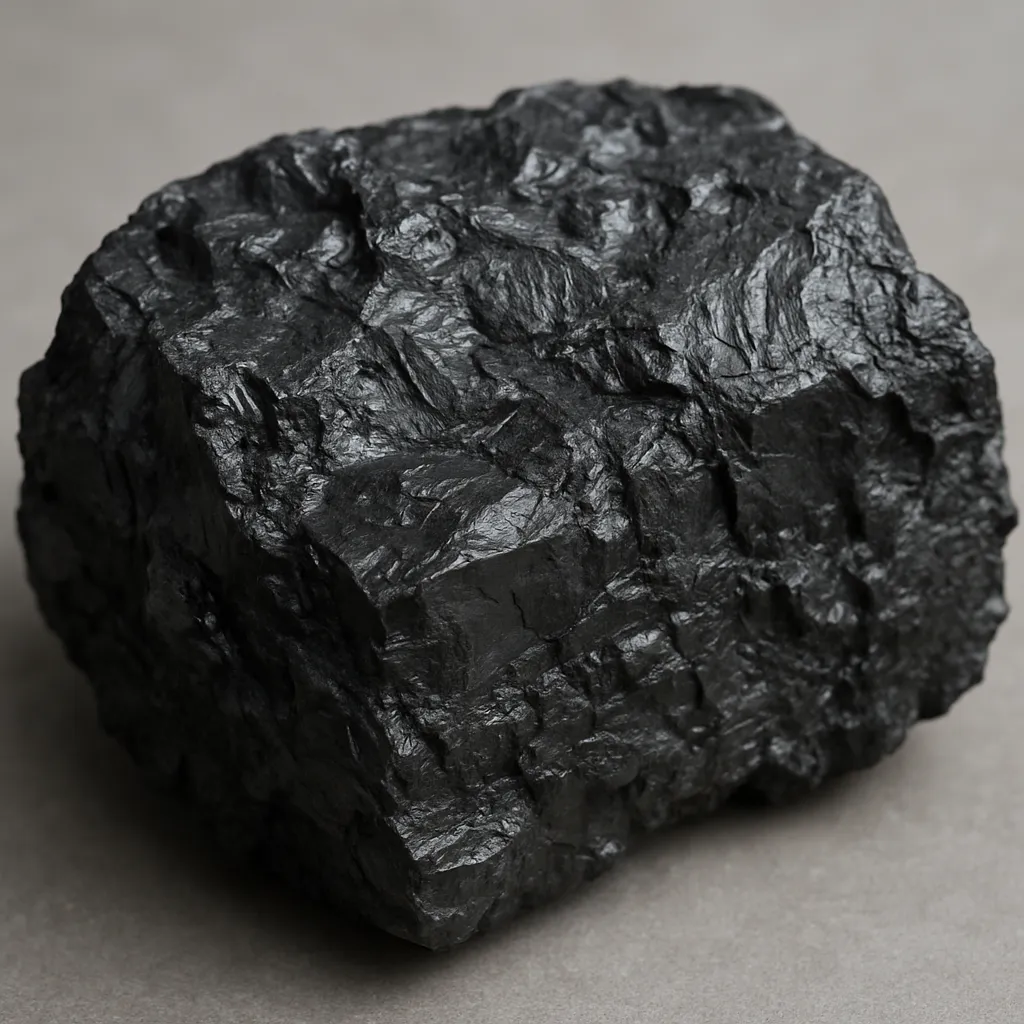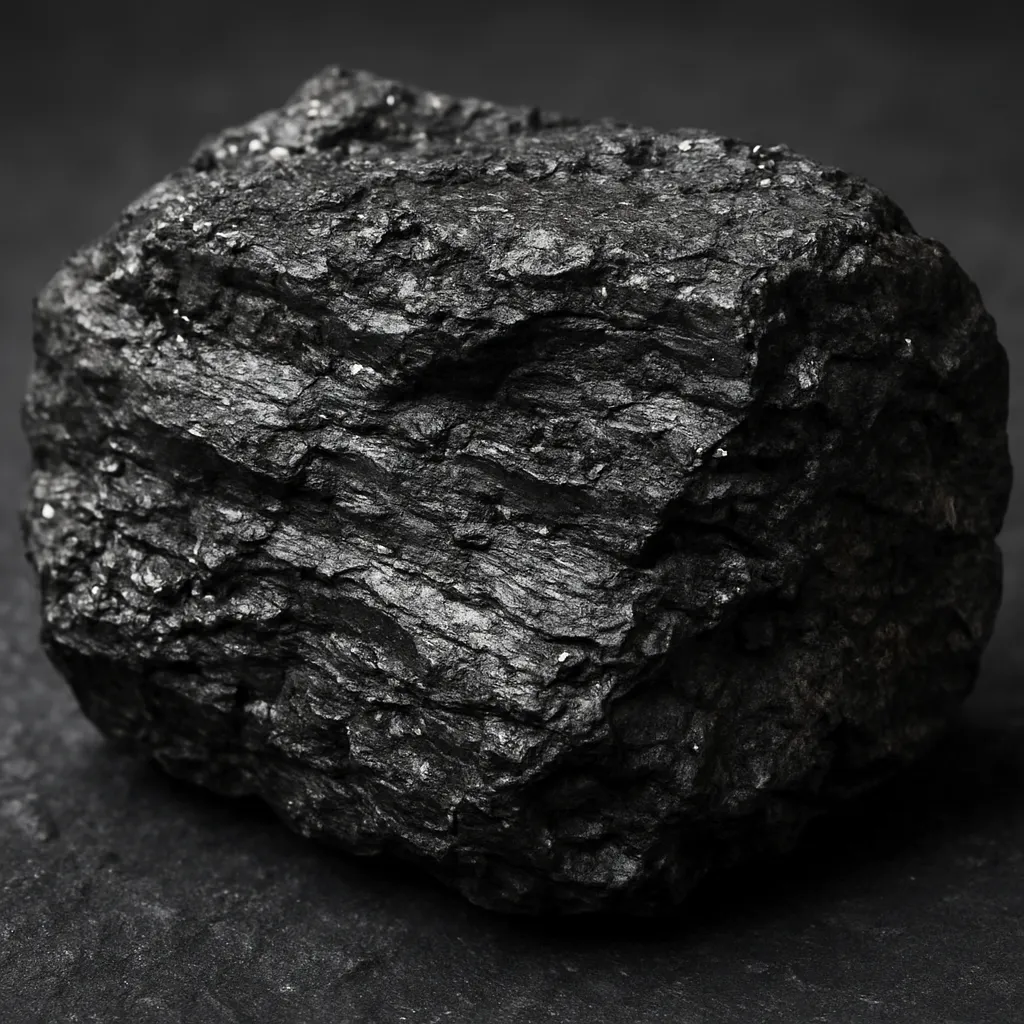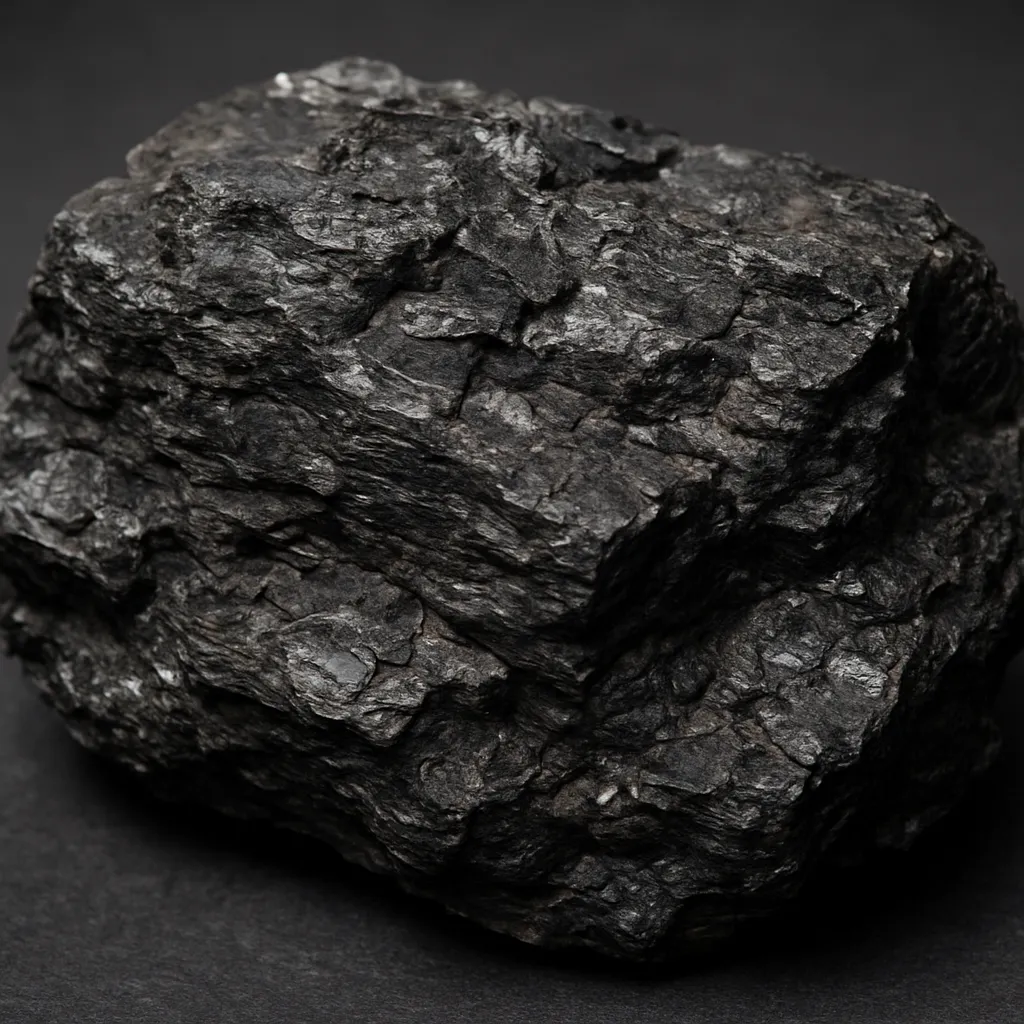
This article examines inertinite-rich thermal coal: its geological origins, where it is found and mined, its physical and chemical properties, industrial uses, economic importance, market dynamics and environmental implications. The text covers petrographic and geochemical aspects, major mining regions and basins, approximate statistical context for global coal production and trade, and the practical challenges and opportunities linked to this specific coal type. Throughout the article key technical and industry terms are highlighted to help readers quickly identify the most important concepts.
Occurrence, genesis and petrographic character
Inertinite-rich thermal coal derives its name from a high proportion of inertinite macerals in the coal petrographic composition. Inertinite macerals (including fusinite, semifusinite and micrinite) are organic constituents that record oxidized, charred or highly degraded plant matter. They contrast with vitrinite, the more reactive and volatile-rich maceral that dominates many caking and metallurgical coals. Inertinite commonly forms through partial combustion of peat and swamp vegetation (ancient wildfires, burning on peatlands), through prolonged subaerial exposure and oxidative degradation, or via fungal and bacterial decay under oxygenated conditions. Because of these formative pathways, high inertinite contents are often interpreted as indicators of palaeo-fire events, fluctuating water tables and periodic exposure of peat seams to the atmosphere.
Petrographically, inertinite is characterized by higher reflectance and a more carbonaceous, micro-porous structure than vitrinite. This affects optical properties (used in coal rank assessment) and physical behavior during pyrolysis and combustion. Coals with inertinite contents exceeding roughly 30% by volume are commonly described as “inertinite-rich,” although thresholds vary in regional classification systems. The relative proportions of macerals are determined by reflected-light microscopy and image analysis and are routinely reported alongside proximate and ultimate analyses in coal characterization.
Where inertinite-rich coals are found and mined
Inertinite-rich coals are not restricted to a single continent; they occur wherever ancient peatlands were subject to oxidation, burning or other processes that produced charred or degraded organic matter. Notable occurrences and mining regions include:
- Australia — Several Permian and younger coal basins (Bowen, Gunnedah, Sydney Basin and some Gondwana-derived seams) contain seams with elevated inertinite. Australian coals are a major source of seaborne thermal coal and some inertinite-rich seams supply domestic power stations and blended export products.
- South Africa — High-inertinite coals are characteristic of parts of the Highveld and Waterberg coalfields. South African coals have long played a strategic role in domestic electricity generation and as feedstock for coal-to-liquids and metallurgical processes.
- South America — Gondwana-derived coal basins in Argentina, Brazil and Colombia include seams with significant inertinite fractions, particularly where palaeo-wildfires were common.
- Poland and Central Europe — Many Upper Silesian coals and some Carboniferous deposits have moderately high inertinite contents; these coals are important for domestic power and industry.
- United States and Canada — Appalachian and Western basin coals display variable inertinite; isolated seams can be inertinite-rich depending on depositional history. Some Rocky Mountain and Powder River Basin coals are lower in inertinite but local occurrences exist.
- Russia — Certain seams in the Kuznetsk Basin (Kuzbass), Pechora and Far East basins contain elevated inertinite, reflecting complex palaeo-environmental histories.
Mining methods for inertinite-rich coals are the same as for other coals: large-scale open-pit (surface) operations where deposits are near surface, and underground longwall or room-and-pillar mining for deeper seams. In many basins inertinite-rich seams are mined alongside coals of different petrographic character and are blended to meet market specifications.
Physical and chemical properties, and implications for use
Inertinite-rich coals show distinct proximate and ultimate analytical signatures:
- Proximate analysis — elevated fixed carbon fraction relative to volatile matter, often lower volatile matter content and variable ash levels depending on mineral matter inputs.
- Ultimate analysis — generally lower hydrogen-to-carbon (H/C) ratios and slightly higher oxygen content per unit of carbon when compared with vitrinite-dominated coals at similar rank.
- Calorific value — many thermal coals fall in the range of ~18–28 MJ/kg (db), and inertinite-rich seams often sit toward the lower end of that range if they have undergone oxidation or contain significant mineral matter; however, high-rank inertinite-rich coals can also have high energy densities.
- Reflectance and rank indicators — inertinite macerals usually present higher reflectance values, affecting optical measurements used to estimate coal rank and thermally-driven alteration.
Industrial consequences of these properties include:
- Combustion behavior — lower volatile content and higher fixed carbon can influence ignition and burn profiles in pulverized coal combustion. Ash fusion characteristics are controlled more by mineral matter than maceral makeup, but inertinite may alter char morphology and reactivity.
- Coking and plasticity — inertinite diminishes the plasticity and caking properties of coal blends. High inertinite content is generally detrimental to producing strong metallurgical coke, so such coals are often excluded from primary coking blends or used in limited proportions.
- Grindability and handling — inertinite-rich material can be harder and more brittle; this affects comminution energy in mills and pulverizers, and can influence pulverized coal injection (PCI) performance.
- Gasification and pyrolysis — char derived from inertinite-rich coals tends to have distinct pore structures and reactivities; this can be advantageous in certain gasification or carbonization applications but requires tailored process conditions.
Markets, production and trade — statistical context
Global coal production (all uses and coal types) has fluctuated around 7–8 billion tonnes per year in recent years. The split between thermal (steam) coal and metallurgical (coking) coal varies by region and market conditions but thermal coal typically represents a majority of production by volume. Exact figures change annually; the following points summarize broad patterns relevant to inertinite-rich thermal coal:
- Major producing countries — China, India, the United States, Australia, Indonesia and Russia dominate global coal production. China is by far the largest consumer and producer, much of which is used domestically and not traded internationally.
- Seaborne trade — Australia and Indonesia are the largest exporters of thermal coal by sea, with annual export tonnages often in the several hundred million tonne range each. Other important exporters include Russia, Colombia and South Africa. The seaborne market supplies major importing regions in Asia (notably China, India, Japan, South Korea and Taiwan).
- Inertinite-rich share — there is no single global statistic isolating inertinite-rich coal tonnage, because inertinite content is a petrographic attribute reported per seam or mine rather than a trade category. However, many of the world’s thermal coal exports contain seams with moderate to high inertinite content, and such coals are commonly blended to meet power station specifications.
Price and demand dynamics for thermal coal (including inertinite-rich coals) are driven by:
- Power sector demand — coal-fired electricity generation is the most important end use for thermal coal in many countries. Regions with limited alternative fuel options or strong domestic coal resources continue to underpin demand.
- Seasonal and weather factors — demand for coal-fired generation can spike during cold winters or hot summers when electricity usage peaks.
- Geopolitics and supply disruptions — export restrictions, strikes, transport bottlenecks or shifts in trade relations can sharply affect seaborne prices and flows.
- Energy transition policies — commitments to phase down coal-fired power generation in some countries reduce long-term demand expectations, though near-term demand can remain robust in developing economies.
Economic and regional importance
In regions where inertinite-rich coals are abundant, mining plays a major socioeconomic role. Examples:
- South Africa — Coal is central to electricity generation and to industries such as chemical synthesis and synthetic fuels. Coal exports and domestic coal use support employment, infrastructure and export earnings.
- Australia — Export revenues from thermal coal are a significant component of foreign exchange. Many Australian coal operations supply Asian power plants that consume large volumes of thermal coal in blended forms, sometimes including inertinite-rich seams.
- Poland and Central Europe — Domestic coal remains important for baseload generation and industrial heat in several countries, influencing energy security and employment.
At the mine and company level, inertinite-rich seams can affect product specification, blending strategies and processing costs. Coal preparation plants may employ dense media separation, jigs and cyclones to remove mineral matter; blending is used to tailor calorific value, ash, sulfur and volatile content to customer contracts. Where inertinite reduces coking potential, mines shift seam allocations to thermal markets or to specialized industrial uses.
Industrial applications and processing
Primary applications of inertinite-rich thermal coal include:
- Power generation — the largest use globally, where coals are burned in pulverized fuel boilers, circulating fluidized beds (CFB) or stoker-fired units. In many power stations inertinite-rich coals are blended with lower-inertinite coals to achieve consistent combustion properties.
- Pulverized coal injection (PCI) into blast furnaces — some inertinite-rich coals are suitable for PCI provided they meet volatile content and pulverizability requirements; PCI economics depend on cost and effect on furnace performance.
- Cement and lime kilns — industrial heat applications tolerate a wide range of coal qualities and can accept higher inertinite fractions if ash and sulfur specifications are met.
- Gasification and synthetic fuels — selected inertinite-rich coals are gasified or converted to chemicals, though economic viability depends on facility scale and feedstock characteristics.
- Activated carbon and carbon materials — high-carbon chars from some inertinite-rich coals can be processed into specialty carbon products under controlled conditions.
Beneficiation and blending are routine steps to make inertinite-rich coals acceptable to end users. Washing reduces ash and sulfur, while blending improves coking and combustion performance. Technical challenges include controlling fine particle generation, optimizing grind for combustion, and managing slagging and fouling risks in boilers.
Environmental, regulatory and market trends
Environmental concerns shape the outlook for thermal coal. Coal combustion releases CO2, NOx, SOx and particulates; methane is emitted during mining. Policy responses include emission controls, carbon pricing, renewable energy expansion and planned phase-outs of coal-fired plants in many jurisdictions. These trends reduce long-term demand for thermal coal in some markets but are counterbalanced by:
- Ongoing coal demand in rapidly developing countries where alternatives are constrained by cost or grid stability.
- Conversion of coal to chemicals and fuels, and potential deployment of carbon capture, utilization and storage (CCUS) to reduce lifecycle emissions.
- Continued need for dependable baseload or flexible generation in systems with high renewable penetration; some coal plants operate in flexible modes to balance grids.
Inertinite-rich coals face particular regulatory and market challenges because their properties can limit use in metallurgical processes and sometimes increase emissions per unit of useful energy if not optimally combusted. Nevertheless, technology improvements (low-NOx burners, improved boilers, dust management, and post-combustion controls) allow many inertinite-rich materials to be used with reduced environmental impact compared with older installations.
Analytical testing, classification and quality control
Comprehensive coal evaluation for an inertinite-rich seam includes:
- Proximate and ultimate analyses (moisture, ash, fixed carbon, volatile matter; C,H,N,S,O).
- Petrographic analysis — maceral composition and distribution, vitrinite/inertinite ratios, reflectance measurements.
- Combustion testing — calorific value, ash fusion tests, grindability (Hardgrove Index), reactivity and slagging propensity.
- Washability and beneficiation studies — partition curves to design optimal cleaning circuits.
Quality control during production and preparation is essential to ensure product specifications are met for different customers — power utilities, cement plants, or export markets. Blending and stockpile management are practical tools to dampen variability inherent to seam heterogeneity.
Scientific and paleoenvironmental significance
Beyond economic uses, inertinite-rich coals are valuable to geoscientists. The presence and proportion of inertinite provide a record of ancient fire regimes, climate fluctuations and peatland dynamics. High inertinite is often a signature of widespread palaeo-wildfires and can be correlated with intervals of low water table and increased oxygen exposure. Detailed petrographic and geochemical studies of inertinite contribute to reconstructing paleoclimates and the evolution of terrestrial ecosystems during coal-forming intervals.
Challenges, opportunities and future outlook
Challenges for inertinite-rich thermal coal include:
- Market contraction in regions pursuing aggressive coal phase-outs and carbon reduction strategies.
- Technical limitations for metallurgy where high coking quality is required.
- Operational issues in combustion or gasification that demand tailored processing and control technologies.
Opportunities arise from:
- Blending strategies that match inertinite-rich seams with other coals to meet diverse market needs.
- Use in industrial heat sectors or niche chemical/char products where feedstock characteristics are acceptable.
- Potential value in gasification or CCUS-equipped plants that convert coal to low-carbon electricity or hydrogen precursors, provided supportive economics and policy incentives.
The near-term future for inertinite-rich thermal coal will be shaped by the interplay between regional energy demand, environmental policy, and innovation in emissions control and conversion technologies. In many developing economies inertinite-rich reserves will remain an important energy and industrial feedstock for years to come, while in other markets their role will increasingly depend on decarbonization pathways and alternative fuel deployment.
Concluding remarks
Inertinite-rich thermal coal occupies a distinct niche within the spectrum of coal types. Its geological origin as oxidized or charred plant material gives it specific petrographic and combustion characteristics that determine its suitability for power generation, industrial use and certain chemical processes. Major coal regions across the Southern Hemisphere and parts of Europe, Asia and the Americas supply these coals to domestic and international markets. While long-term demand faces downward pressure from decarbonization policy in some regions, inertinite-rich coals will remain economically and scientifically significant where they support energy security, industrial processes and provide a valuable record of Earth’s paleoecology.