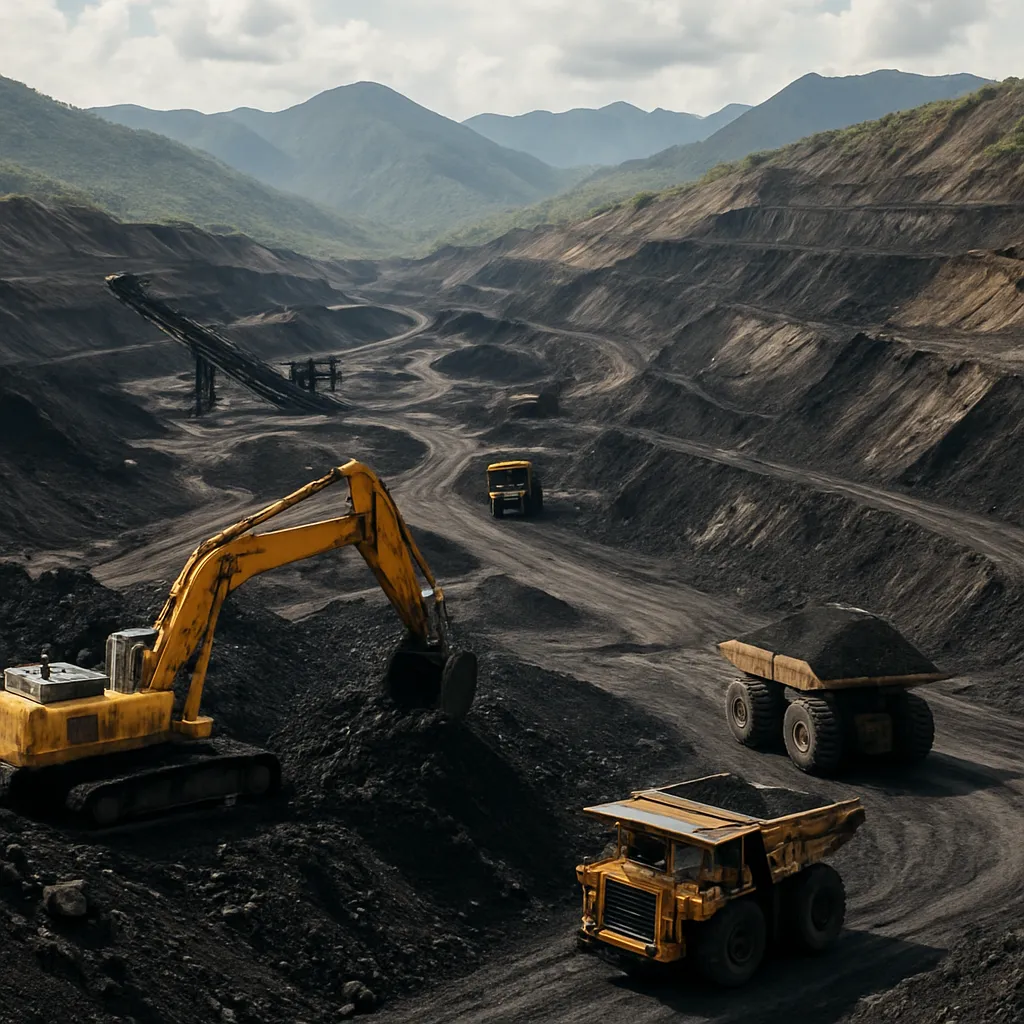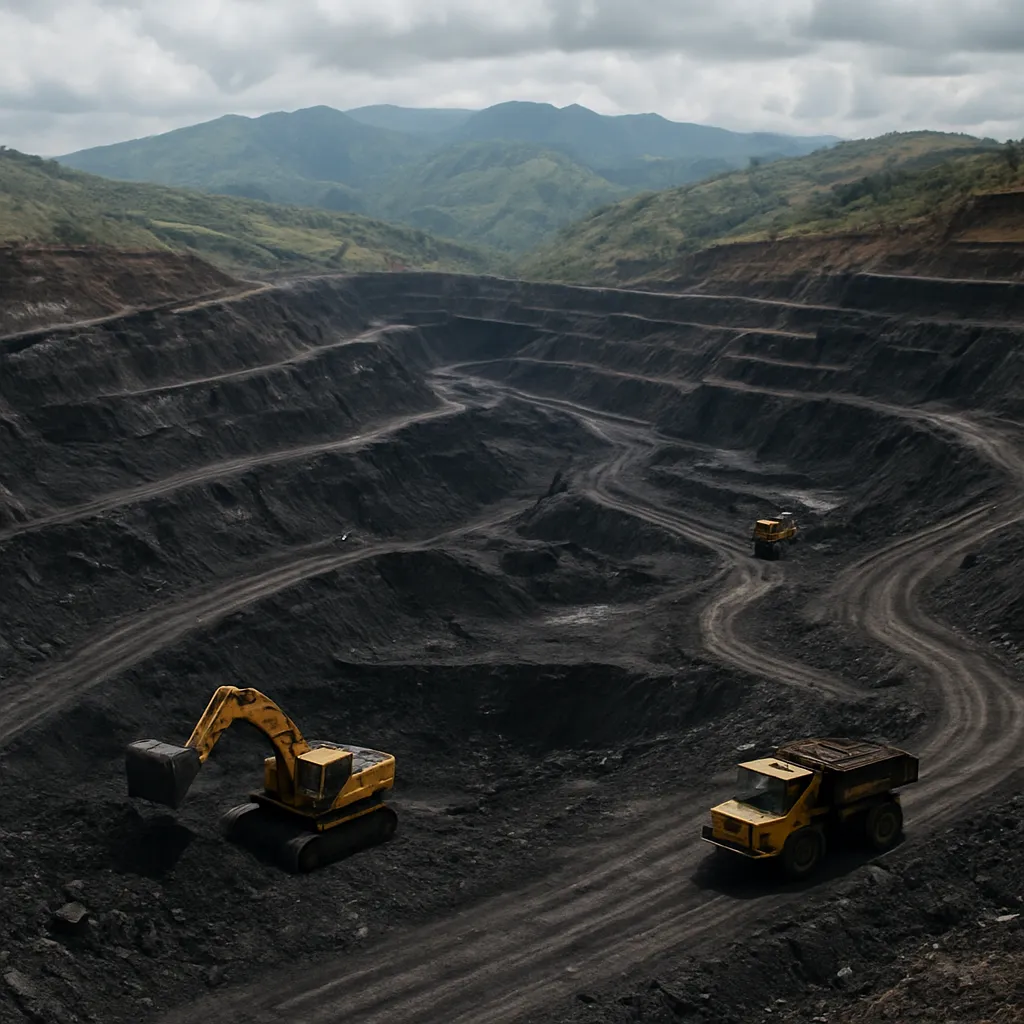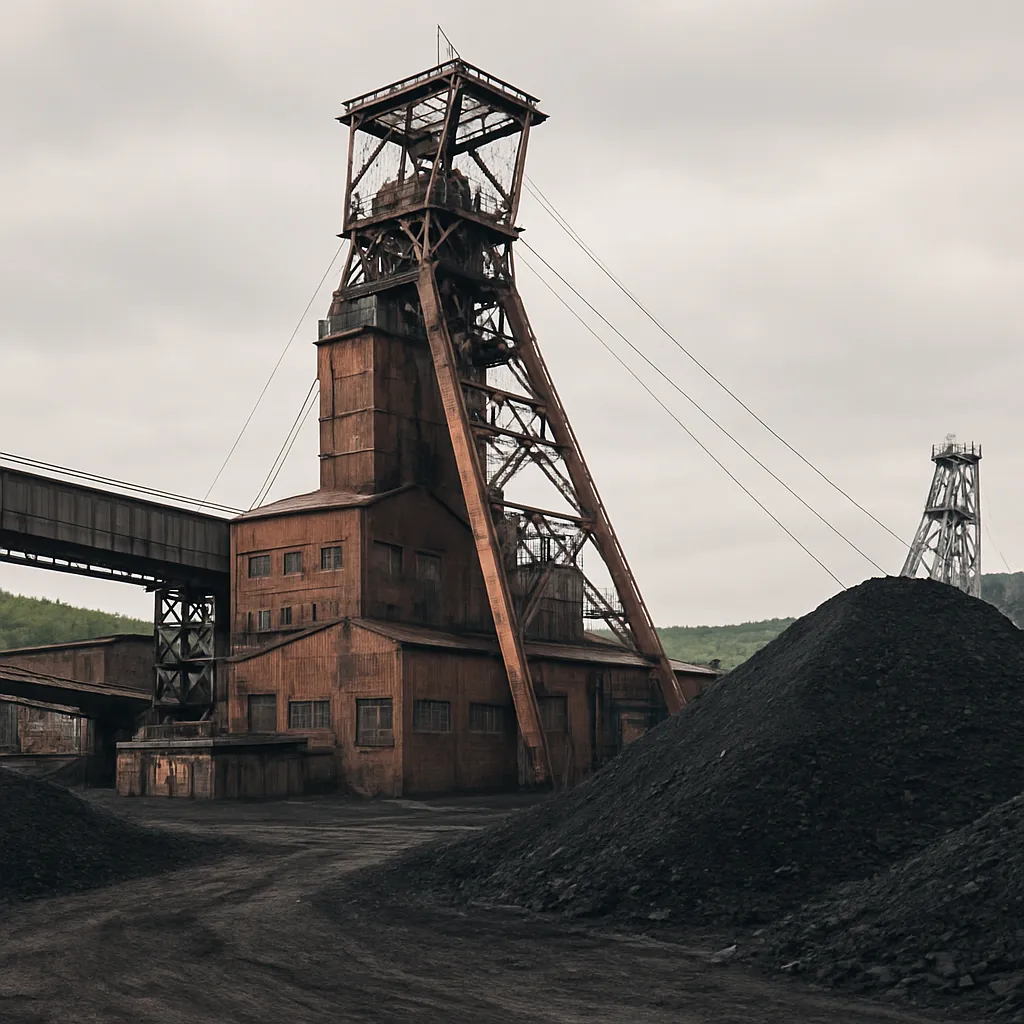
This article examines Shakhta No. 7, a coal mine in Russia, placing it in the broader geological, economic and industrial context of Russian coal mining. The mine name—Shakhta No. 7—follows a common Russian practice of numbering shafts and mining sections rather than giving evocative names; the mine discussed here is treated as representative of many numbered underground coal operations located in the country’s major coal basins. The text covers location and geology, the types of coal produced and mining methods, economic and statistical context, social and environmental impacts, and prospects for modernization and future development. Throughout the article, key technical and economic terms are emphasized to help readers quickly identify the most important concepts.
Location and geological setting
Shakhta No. 7 is typically associated with Russia’s principal coal-producing regions, most notably the Kuzbass (Kuznetsk Basin) in Kemerovo Oblast of southwestern Siberia, although identically numbered mines can be found across other basins such as the Pechora Basin, the Donets (Donbass) region and parts of the Far East. The Kuzbass remains Russia’s largest and most productive coalfield, accounting for the majority of the country’s thermal and metallurgical coal output. The geological setting of mines in these basins is characterized by sedimentary sequences deposited in Permian–Carboniferous basins, with multiple coal seams interbedded with sandstones, siltstones and shales.
Coal seams exploited by mines like Shakhta No. 7 commonly occur at varying depths, from near-surface seams in open-pit operations to deep underground seams that require shaft access and extensive tunneling. In the Kuzbass region, many seams lie at depths of a few hundred meters, although deeper deposits exist. The geological complexity—faulting, seam variability, gas content and rock strength—directly influences mining method selection, capital intensity and safety measures.
What is mined: types of coal and qualities
Mines labelled Shakhta No. 7 in major Russian basins typically produce either bituminous coal suitable for power generation and industrial heat, or higher-grade coking coal used in steelmaking. In Kuzbass, both thermal and metallurgical qualities are present, with certain seams yielding low-ash, high-carbon coking coal prized by metallurgical industries, while others provide thermal coal for domestic power plants and export markets.
Key quality parameters for coal produced at such mines include calorific value (measured in kcal/kg or MJ/kg), volatile matter, fixed carbon content, ash yield and sulfur content. Typical Kuzbass coals intended for thermal use have a calorific value in the range of about 5,500–6,500 kcal/kg (roughly 23–27 MJ/kg), ash contents that can range widely from 10% to over 40% depending on seam and washing, and variable sulfur below or above 1%. Coking coals for metallurgical use will have lower ash and sulfur and specific petrographic and rheological properties enabling coke formation.
Modern operations often include on-site coal preparation plants (washery) to improve quality by reducing ash and sulfur and to produce marketable size fractions. For mines producing both thermal and coking grades, separation and targeted beneficiation are important to maximize value.
Mining methods and infrastructure
Shakhta No. 7, as a representative underground installation, typically operates using mechanized longwall systems where geology permits. Longwall mining—employing shearers, armored face conveyors and hydraulic roof supports—offers high productivity and mechanization. In thinner or structurally complex seams, room-and-pillar or retreat mining may be used. The mine infrastructure usually includes vertical shafts or inclined declines, ventilation systems to manage methane and dust, pumping systems for water control, and transportation links to surface preparation plants and rail or road export nodes.
Infrastructure beyond the immediate mine footprint is critical: railheads, conveyors, stockyards, and port facilities for export. For Kuzbass mines, the Trans-Siberian and dedicated spur lines to ports on the Baltic or Pacific are crucial export arteries. Shakhta No. 7’s viability depends as much on these logistical links as on seam quality and reserve size.
Economic and statistical context
Coal remains a strategic commodity for Russia: a major source of domestic energy, feedstock for metallurgy and an important export earner. In the early 2020s, Russia’s annual coal production was in the range of roughly 350–450 million tonnes, making it one of the world’s largest producers. Export volumes have commonly ranged around 200–250 million tonnes per year, with major destinations including Asian markets (China, India, South Korea, Japan, Turkey) and some European and former Soviet states prior to shifting trade patterns. Exact figures fluctuate year by year based on domestic demand, global prices, sanctions, and logistical constraints.
At the mine level, production capacity varies widely. A medium-sized underground mine in Kuzbass might produce anywhere from a few hundred thousand tonnes up to 2–3 million tonnes per year under favorable conditions and with modern longwall equipment. Employment for such operations likewise varies: direct employment can be several hundred to a few thousand workers depending on automation levels, surface operations and contractor use. Payroll, supplier contracts, tax payments and utility purchases from the region create multiplier effects that are significant in small industrial towns.
Revenue per tonne depends on coal grade and market. Thermal coal prices are generally lower than coking coals; coking coal can command multiples of thermal coal prices because of its role in steelmaking. Washery and logistics costs, plus export duties, freight and currency considerations, all determine net value to the mine operator.
Economic significance and role in industry
Shakhta No. 7, like comparable mines, contributes to several economic functions:
- Energy security: supplying coal to domestic thermal power plants and industrial boilers.
- Metallurgical feedstock: where coking qualities are present, providing vital inputs for steel production.
- Export earnings: generating foreign exchange when coal is shipped abroad, thereby supporting regional and national trade balances.
- Employment and regional development: acting as a major employer in mining towns and supporting local services and businesses.
The downstream importance of coal in Russia’s heavy industries means that a single medium-sized mine can be a crucial node in local supply chains. Suppliers of drilling consumables, heavy machinery maintenance, transport firms and port operators all depend on steady mine throughput.
Social and community aspects
Mining communities around Shakhta No. 7 typically display a mix of pride in industrial heritage and concern over long-term sustainability. Mines often sponsor local infrastructure—schools, clinics, sports facilities—and are central to community identity. However, dependence on a single industry can create vulnerability to market shocks, technological disruption and environmental restrictions.
Workforce composition in modern mines is changing: advanced mechanization reduces the need for some categories of manual labor while increasing demand for skilled technicians, engineers and maintenance specialists. Training programs, vocational schools and corporate human-resources initiatives are common responses to evolving skill requirements.
Safety, environmental impacts and mitigation
Safety is a foremost concern in underground coal mining. Methane accumulation, roof falls, rockbursts, and coal dust explosions are perennial hazards. Mines comparable to Shakhta No. 7 must comply with national mining safety regulations, which mandate ventilation standards, gas monitoring, methane drainage (where feasible), explosion-proof equipment and emergency response capabilities. Despite regulations, the historical record in Russia shows that safety performance has varied; since the 1990s there have been concerted efforts to modernize equipment and safety culture, though incidents still occur in poorly managed operations.
Environmental impacts include landscape disturbance, subsidence in settled ground above mined seams, water pollution from mine drainage, and air emissions from coal processing and combustion. Modern mitigation measures include flotation and washing to reduce particulates and ash-bearing impurities, water treatment systems, controlled backfilling and land reclamation plans. Increasingly, corporate environmental reporting addresses greenhouse gas emissions and local air quality, although coal’s carbon intensity remains a systemic environmental challenge in the decarbonization era.
Statistics, monitoring and reporting
Detailed mine-level statistics for Shakhta No. 7 may be reported by the operating company, regional authorities or national statistical agencies. Typical figures to track include annual production (tonnes), seam thickness and reserve estimates (million tonnes), workforce numbers, safety incident rates (lost-time injuries per million hours), and coal quality parameters (calorific value, ash, sulfur). At a national level, Russia publishes aggregated coal production and export statistics; prominent industry consultancies and research institutions also provide market and pricing data.
For planners and investors, reserve life (reserves divided by annual extraction rate), break-even cost per tonne, and capital expenditures required for modernization are key metrics. A typical medium-sized underground mine’s economic life can range from two decades to several decades depending on reserve size, with staged investment cycles for roof control, ventilation upgrades and fleet replacement.
Modernization, technology and future prospects
The future of mines like Shakhta No. 7 rests on a combination of technological modernization, market adaptation and regulatory environment. Key modernization pathways include:
- Automation and digitization: deployment of remote-controlled longwall systems, automated conveyors, condition-based maintenance and digital mine-management systems to increase productivity and reduce risk to personnel.
- Gas drainage and utilization: capturing methane for onsite power generation or pipeline supply reduces greenhouse gas release and can become a revenue stream.
- Improved beneficiation: advanced washery technology to produce higher-quality products that fetch better prices on domestic or export markets.
- Environmental controls: investment in wastewater treatment, dust suppression and land reclamation to meet stricter permitting regimes and community expectations.
Market prospects depend on global energy demand, steel production cycles, and geopolitical factors that influence export routes and trading partners. Shifts toward lower-carbon energy systems will put longer-term pressure on thermal coal demand, while coking coal demand may remain more resilient as steelmaking continues—though the steel sector is also exploring low-carbon technologies (hydrogen-based direct reduced iron, electrification) that could eventually alter coking coal demand.
Interesting historical and cultural notes
The naming convention Shakhta No. 7 reflects the industrial planning culture of 20th-century Russia, where mines, shafts and industrial facilities were often numbered sequentially. Many mines in Kuzbass and other basins were developed during periods of rapid industrialization, such as the Soviet Five-Year Plans, and today these sites often carry rich local histories—stories of migration, wartime production, strikes and community resilience. Mining traditions also influence local cuisine, folklore and festivals. The physical legacy—miners’ clubs, monuments, and museum collections—documents a century of regional development around coal extraction.
Conclusion and outlook
Shakhta No. 7 typifies the multifaceted role of coal mines in Russia: a source of valuable energy and metallurgical raw material, a local economic anchor, and an enterprise facing modernization and environmental challenges. While precise production and reserve figures vary by mine, the structural factors shaping Shakhta No. 7’s prospects are common across the industry: geological endowment, technological capability, transport infrastructure, market access and regulatory context. Modernization investments—automation, gas utilization and environmental controls—offer pathways to extend economic life and improve safety, but global decarbonization trends and shifting demand patterns will continue to reshape the long-term outlook for coal-producing operations.
Key terms emphasized
For quick reference, some of the most important concepts discussed are: coal, Kuzbass, coking coal, bituminous, economy, exports, longwall, safety, employment, and modernization.