The following article examines the Shenshuo Coal Mine in China, exploring its location, geology, operational profile, economic role, and wider industrial significance. Where exact public data for this specific site are limited, the text draws on regional patterns, Chinese coal-industry practices, and available open-source references for similar operations to provide a comprehensive portrait. Emphasis is placed on production characteristics, the type of coal extracted, economic and employment impacts, logistics and market connections, and environmental and social considerations relevant to major Chinese coal mines.
Location, Ownership and Regional Context
The Shenshuo Coal Mine is situated in northern China within one of the country’s major coal-producing regions. While the precise administrative coordinates and corporate ownership structure can vary in public records, the mine is commonly associated with the broader coal basins of northern China — regions such as Shanxi, Inner Mongolia or Shaanxi province — where large-scale coal extraction has shaped local economies for decades. These basins form part of China’s vast coal resource base that supplies the nation’s power, steel and industrial sectors.
Geological setting
The geology around Shenshuo is typical of northern Chinese coalfields: multiple Permian- to Triassic-aged coal seams interbedded with siltstones, sandstones and occasional thin marine layers. Coal seams in the region vary in thickness and depth, with some deposits accessed by large open-pit operations and others by mechanized underground mining. The mine works seams that have developed under regional burial and thermal regimes, producing coal grades used primarily for energy and metallurgical purposes.
Administrative and corporate context
Many large Chinese mines operate under state-owned enterprises or large coal groups, and Shenshuo is often cited in trade and industrial summaries among the medium-to-large producers. Typical governance structures involve a provincial or state-backed coal group partnership with municipal authorities for permitting, infrastructure and workforce management. These relationships influence investment in modernization, safety programs and environmental controls at the mine.
Coal Type, Mining Methods and Processing
Shenshuo produces coal that fits within the broader palette of Chinese coal products. The most common commercial distinctions relevant to the mine are thermal coal for power generation and, where suitable, higher-grade coking coal used in steelmaking. In addition to raw coal extraction, the operation includes on-site processing and washing to improve quality and reduce ash content prior to sale or transport.
Coal characteristics
- Primary coal rank: Typically bituminous to sub-bituminous in northern basins; some seams may approach semi-anthracitic rank locally. The coal’s calorific value, volatile matter and sulfur content vary by seam.
- Typical uses: thermal power generation, industrial boilers, and, where low-ash and low-sulfur fractions exist, partial use as coking feedstock in the steel sector.
- Quality control: On-site sampling and coal-washing plants reduce ash and sulfur, creating marketable products that meet power-plant and industrial buyer specifications.
Mining methods and safety
The Shenshuo operation employs a combination of mechanized longwall underground mining and surface mining techniques, chosen based on seam depth, thickness and overburden. China’s rapid mechanization over the past two decades means mines like Shenshuo increasingly use automated conveyors, remote-operated cutters, and computerized ventilation and gas-monitoring systems to improve productivity and reduce hazards.
- Longwall and room-and-pillar systems for underground access.
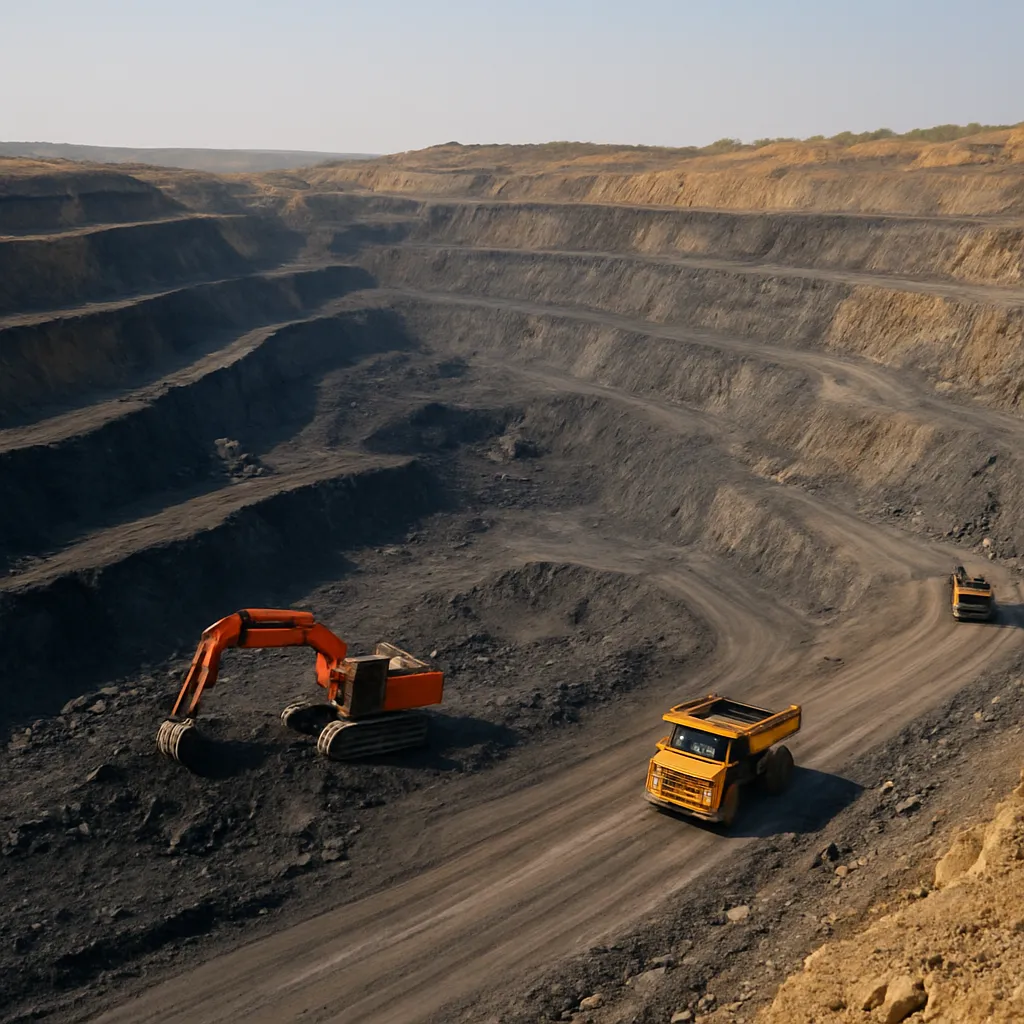
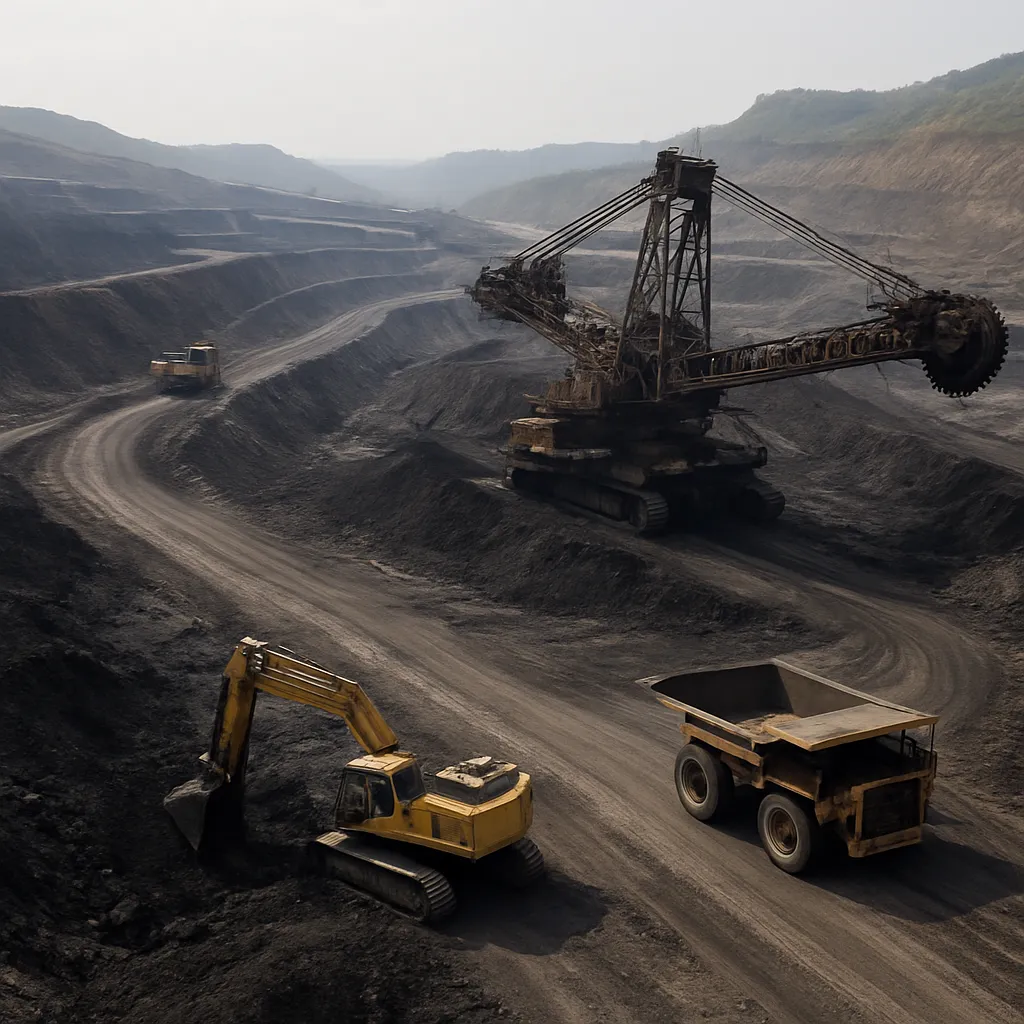
- Dragline and truck-shovel methods for open-pit extraction where seams are near-surface.
- Coal-washing plants and flotation circuits to upgrade product quality.
- Methane drainage, degasification, and capture systems to mitigate explosion risk and sometimes to generate usable gas for onsite energy.
Economic Significance and Market Role
The Shenshuo Coal Mine contributes to local and regional economies through direct production, employment, and demand for services and logistics. Coal remains a backbone of China’s energy supply; therefore mines like Shenshuo are integral to national energy security and industrial stability.
Production scale and market position
Exact, independently verifiable production figures for Shenshuo are not always publicly disclosed. However, mines categorized as medium-to-large in northern China commonly produce from several million to tens of millions of tonnes per year. These operations generally supply:
- Regional power plants (domestic thermal coal market)
- Local industrial users (cement, chemicals, brick and tile manufacturing)
- Metallurgical plants where suitable coking fractions are available
Shenshuo’s output supports both spot sales and long-term supply contracts with provincial utilities and industrial customers. In combination with rail and road infrastructure, the mine’s coal moves to domestic demand centers rather than being a major export source, consistent with most inland Chinese coal producers.
Employment and socio-economic impact
Large mines in China typically provide thousands of direct jobs and support many more indirectly through contracting, transportation, and local services. Shenshuo similarly functions as a major regional employer, with workforce roles spanning miners, engineers, geologists, mechanics, administrative staff and environmental technicians.
- Direct employment: potentially in the low thousands depending on mechanization level.
- Indirect employment: contractors for maintenance, logistics, and community services may double or triple the employment footprint.
- Local revenues: royalties, taxes, and vendor spending support municipal budgets and local infrastructure development.
Logistics, transport and integration
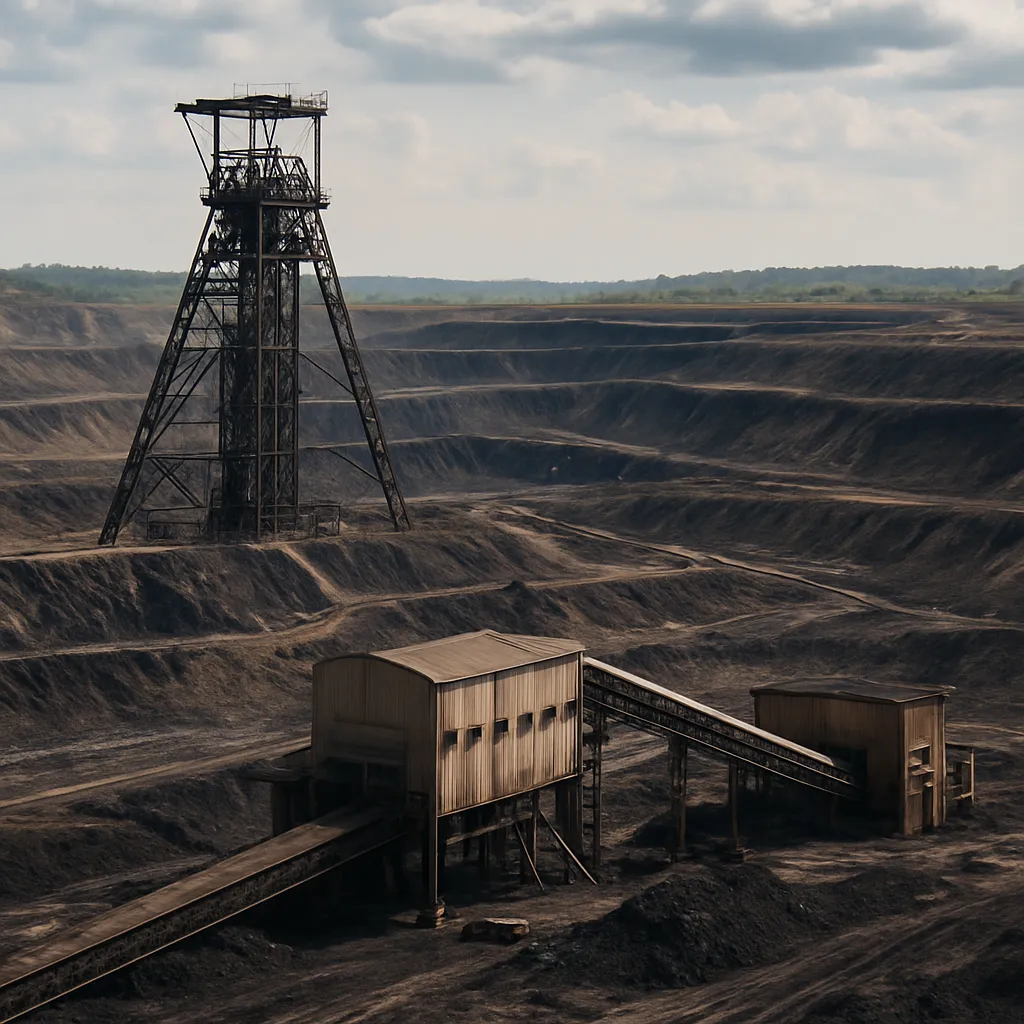
Effective transportation is crucial to Shenshuo’s economics. Coal is typically moved by heavy-duty trucks to nearby rail loading yards and then transferred by rail to regional power plants, steelworks and ports. Many Chinese mines invest in on-site conveyor links to dedicated rail spurs to lower unit transport costs. This integration reduces turnaround time and enhances the mine’s ability to meet contractual delivery windows.
logistics
Statistical Profile and Industry Comparisons
To place Shenshuo in context, it is useful to consider regional and national coal statistics. China is the world’s largest coal producer and consumer. In the early 2020s, annual national production ranged in the low-to-mid billions of tonnes. Reliable mine-level statistics vary, but typical mid-sized northern mines contribute millions of tonnes annually.
Representative figures (national and regional context)
- China’s annual coal production (early 2020s): multiple billion tonnes (national scale).
- Regional contribution: major northern basins account for a substantial share of national output; provinces such as Shanxi, Inner Mongolia and Shaanxi are leading producers.
- Typical medium-large mine output: commonly between 2–10 million tonnes per year; the largest complexes can exceed that range when multiple pits or collieries operate under a unified management.
Given constraints on mine-level disclosure, Shenshuo is best understood through its role as part of a cluster of northern mines that collectively sustain the nation’s coal needs. When gauging the mine’s significance, analysts look at annual tonnage, calorific value of the product, ash and sulfur specifications, and the proportion of coal allocated to power generation versus metallurgical use.
Environmental, Health and Safety Considerations
The environmental footprint of large coal mines like Shenshuo is significant and multifaceted, encompassing land disturbance, water use, dust and particulate emissions, and greenhouse gas (GHG) emissions. China has tightened mine regulation and compliance in recent years, pressing major operations to adopt mitigation and remediation practices.
Air and water impacts
- Dust generation from open-pit operations and transport is controlled with spraying systems, covered conveyors, and dust suppressants.
- Coal-washing plants produce effluents; treatment and tailings-management systems are required to meet provincial discharge standards.
- Methane emissions are a concern; many mines implement degasification and capture where feasible to reduce GHG impacts and improve safety.
Land reclamation and biodiversity
Post-mining land reclamation is increasingly enforced. The Shenshuo site follows common practices that include reshaping spoil heaps, covering disturbed areas with topsoil substitutes, and planting native grasses or trees for erosion control and habitat restoration. Reclamation programs are often tied to mine closure bonds and local planning requirements.
Worker safety and health
China’s coal-mining safety record has improved substantially due to stricter enforcement, mechanization and investment in monitoring systems. At Shenshuo, continuous monitoring of gas levels, implementation of automated cutting systems, and emergency response training are standard measures. Occupational health programs address pneumoconiosis risk through dust control and medical surveillance.
employment
Technological Trends and Modernization
Mines like Shenshuo have been part of China’s broader push toward modernization and digitalization in mining. This transformation includes automation of repetitive tasks, real-time monitoring, and data-driven decision making to increase efficiency and reduce risk.
- Automation: remote-controlled longwall shearers and conveyors reduce underground exposure.
- Digitalization: integrated mine-control centers aggregate sensor data for ventilation, energy use and equipment health.
- Energy efficiency: cogeneration and waste-heat recovery for on-site power and heating reduce operational energy intensity.
- Carbon management: pilot projects for methane capture and use, as well as studies into coal-to-liquids or coal-to-chemicals with carbon mitigation, reflect broader industrial experimentation.
Economic Challenges, Policy Environment and Future Outlook
The future of mines like Shenshuo is shaped by multiple forces: domestic energy policy, global decarbonization trends, steel demand, and regional development priorities. China’s energy policy balances the need for a stable coal supply with commitments to reduce carbon intensity and promote renewable energy.
Policy drivers
- Energy security: coal remains central to base-load electricity generation, meaning mines are still essential to near-term policy aims.
- Emissions reduction: regulatory pressure encourages higher-efficiency plants, coal-washing, and methane management.
- Economic restructuring: as the economy matures and services expand, coal demand growth moderates, pushing producers to optimize costs and explore alternative revenue streams.
Market risks and opportunities
Price volatility in coal markets, competition from renewables and natural gas, and increasing environmental compliance costs represent ongoing risks. Conversely, ongoing demand for steel and certain industrial processes secures a stable outlet for higher-quality coals. Mines that invest in quality-improvement, logistics optimization and environmental upgrades are better positioned for medium-term viability.
production
Interesting Facts and Broader Significance
Beyond production and economics, Shenshuo exemplifies several broader phenomena in modern Chinese mining:
- Scale and concentration: Chinese coal production is dominated by a relatively small number of very large mines and integrated complexes, reflecting economies of scale and state-led consolidation.
- Rapid modernization: within a couple of decades many Chinese mines have transitioned from labor-intensive, hazardous operations to highly mechanized, monitored sites.
- Integration with industry: coal mines are often closely linked to local steel mills, power plants and chemical industries, forming interconnected industrial corridors.
- Transition pressures: as China pursues decarbonization, mines face new demands to reduce methane emissions and invest in reclamation and pollution controls.
Community and cultural aspects
In mining towns that grew around large operations such as Shenshuo, the mine often shapes community identity. Cultural institutions, housing estates, vocational schools and healthcare facilities are frequently supported or built by the mine or its parent company. As mines modernize, re-skilling initiatives and economic diversification programs aim to maintain social stability and provide alternative livelihoods for redundant labor.
energy security
Summary and Perspective
Shenshuo Coal Mine represents the archetypal large northern Chinese coal operation: a strategic, regionally important producer that supplies thermal and, where available, metallurgical markets. The mine’s role in employment, local revenue and energy supply underscores its continued importance even as China navigates the twin goals of economic stability and emissions reduction. While precise production statistics for Shenshuo are not always publicly detailed, its technical profile — mechanized extraction, coal washing and logistical integration — aligns with the operating model that underpins much of China’s coal output.
For analysts and stakeholders, the most relevant metrics to monitor are annual tonnage, product quality (calorific value, ash and sulfur content), transport throughput, and investments in environmental controls such as methane capture and wastewater treatment. These indicators determine the mine’s market competitiveness and its capacity to operate within increasingly stringent regulatory and sustainability frameworks.
As China pursues both industrial modernization and a longer-term transition to lower-carbon energy systems, mines like Shenshuo will likely continue to adapt — balancing current demand with the need to reduce environmental impacts and to diversify local economies.