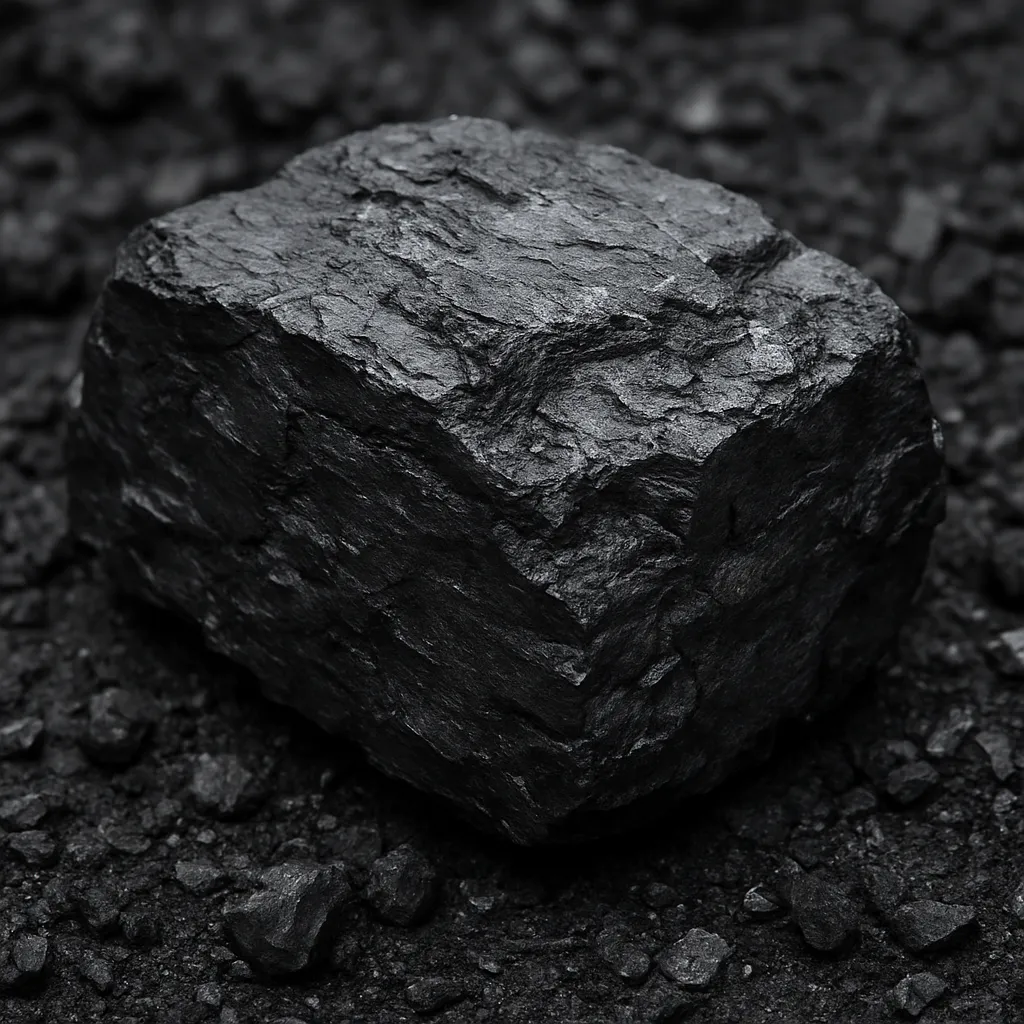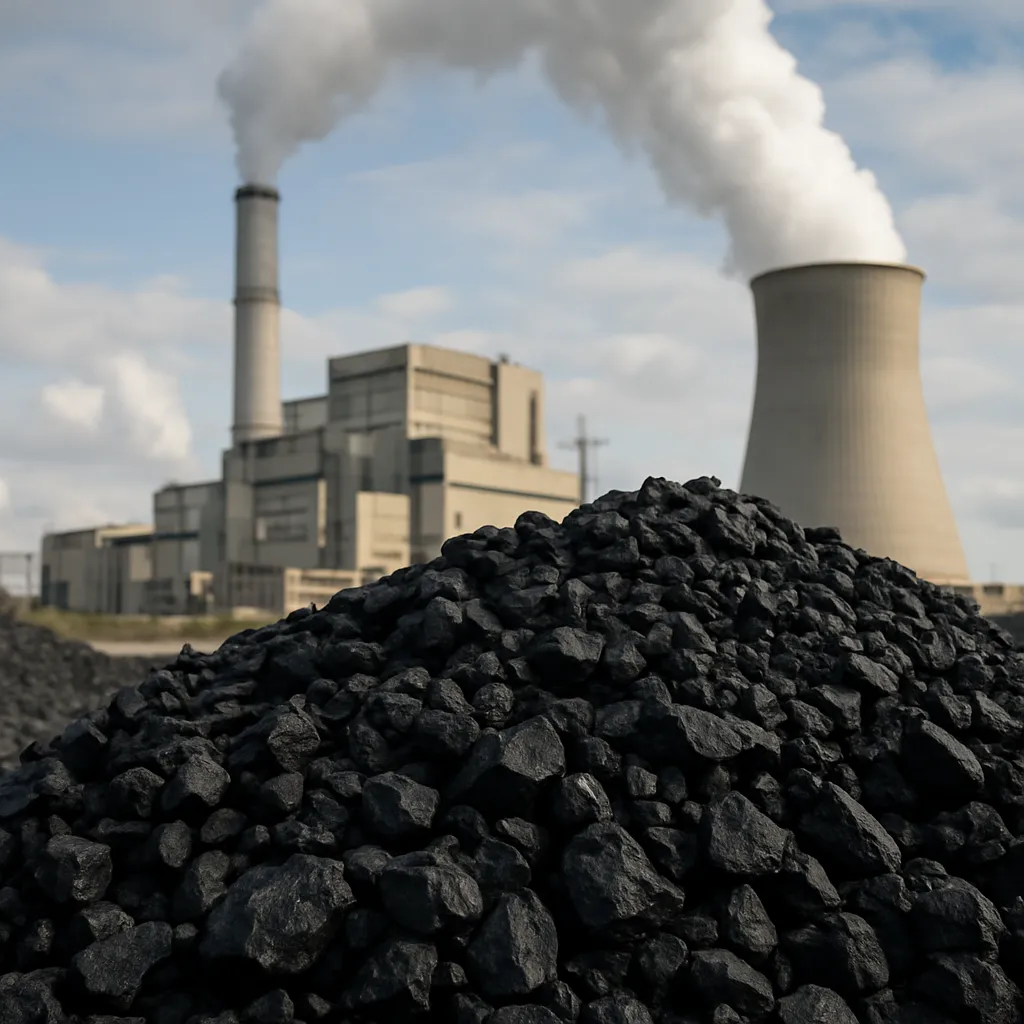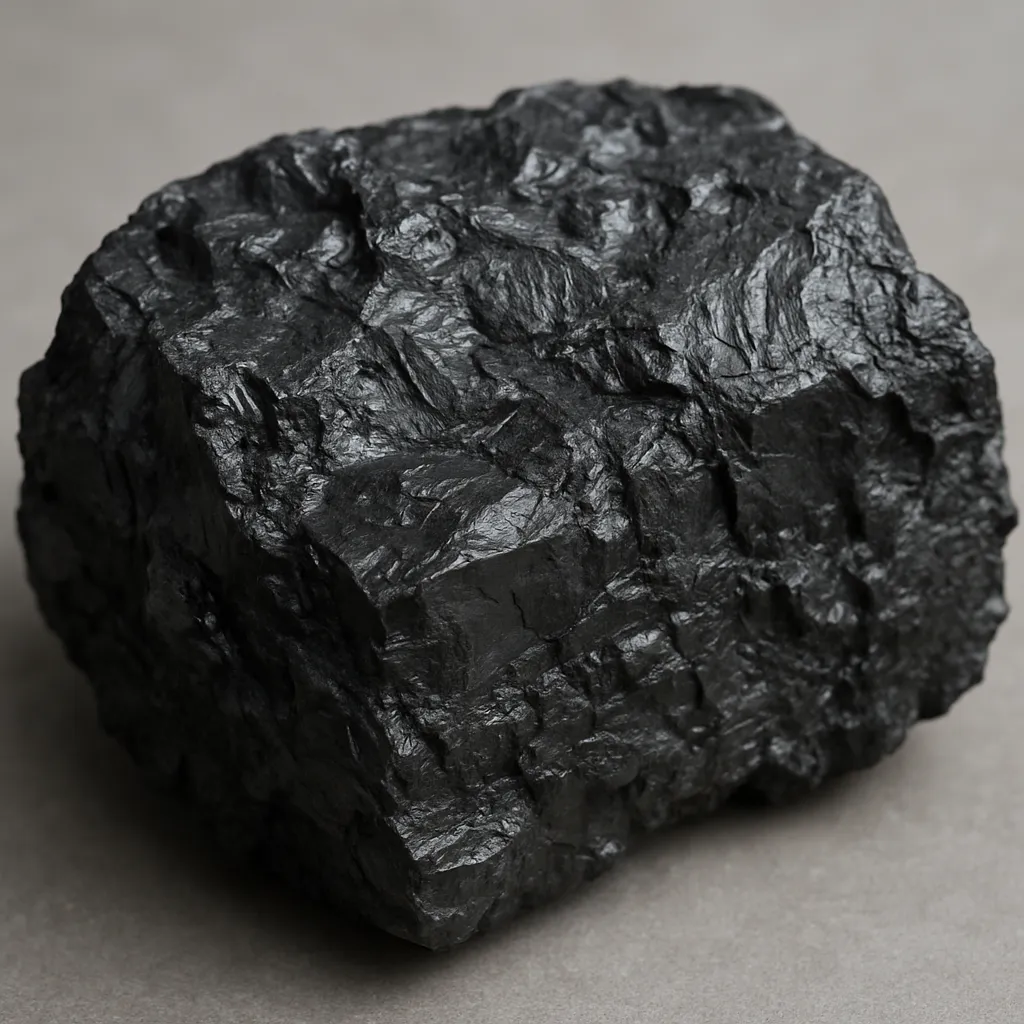
Vitrinite-rich coking coal is a specialized category of coal that plays a central role in the production of metallurgical coke and, by extension, in global **steel** manufacture. Characterized by a high proportion of the maceral group known as vitrinite, this coal exhibits physical and chemical properties that make it especially suitable for coking — the process of converting coal into a porous, high-strength **coke** used primarily in blast furnaces. This article reviews where vitrinite-rich coking coals are found and mined, their petrographic and technological characteristics, their economic and industrial significance, current market and statistical information, and the environmental and strategic trends affecting their future.
Occurrence, Major Deposits and Mining Regions
Vitrinite-rich coking coals are most commonly found within the rank range from medium-volatile to high-volatile bituminous coals, though suitable coking coals can range broadly in rank depending on the intended coke quality. Geologically, these coals are associated with Carboniferous to Permian and younger basins where peat-forming environments later experienced burial and coalification. Key mining regions for high-quality vitrinite-rich coking coals include several major coal basins worldwide:
- Australia: The Bowen Basin and Surat Basin in Queensland and the Hunter Valley in New South Wales supply large volumes of high-quality hard and semi-soft coking coals. Australia is the dominant exporter of seaborne coking coal and provides a wide range of grades used by international steelmakers.
- Russia: Large deposits in Kuzbass (Kemerovo), the Far East (Yakutia and Khabarovsk area), and the southern Urals produce both domestic and export metallurgical coal. Russian volumes and export flows have historically been significant to Asian and European markets.
- China: As the world’s largest producer and consumer of coal, China mines significant quantities of coking coal domestically (e.g., Shanxi, Inner Mongolia) to supply its vast steel industry, though domestic quality and logistics sometimes require imports of premium coals.
- United States: The Appalachian Basin (Pennsylvania, West Virginia, Kentucky) and parts of the Illinois and Central Appalachian basins produce metallurgical coals, typically high-quality low-volatile and medium-volatile coals used in coking.
- Canada: British Columbia and Alberta produce metallurgical coals that are exported primarily to Asia.
- Other notable producers and exporters include South Africa, Mongolia, Colombia (selective high-grade metallurgical coal), and Kazakhstan.
The distribution of vitrinite-rich coals is controlled by depositional environment (peat composition), subsequent thermal maturation, and tectonic history. In many basins, coking seams are relatively thin and interbedded with non-coking seams, making selective mining and beneficiation essential to produce marketable coking coal products.
Geological and Petrographic Characteristics
The dominant petrographic attribute of these coals is a high proportion of vitrinite macerals, typically complemented by varying amounts of liptinite (exinite) and inertinite. The maceral makeup, along with mineral matter and volatile content, determines the coal’s plasticity and coking behavior.
Key petrographic parameters
- Vitrinite content: Vitrinite-rich coals often contain 50–90% vitrinite by volume-inertinite-macerals composition. Higher vitrinite generally improves plasticity and caking behavior during carbonization.
- Vitrinite reflectance (R0): This measure of coal rank (and thermal maturity) typically ranges for coking coals from about 0.6% to 1.4% (Ro), depending on the specific coking coal type. Hard coking coals often have a higher reflectance and lower volatile matter than semi-soft coking coals.
- Volatile matter: Volatile content influences the swelling and gas evolution during coking. Optimal ranges depend on whether the coal is intended for hard or semi-soft cokes and for blending strategies.
- Dilatation and plasticity parameters: Tests such as the Gieseler plastometer, Free Swelling Index (FSI), and dilatation curves indicate how a coal or blend will behave in a coke oven (maximum fluidity, softening/solidification temperatures).
- Ash, sulfur, phosphorus: Low ash and low sulfur are preferred. High ash reduces coke yield and raises impurities in the blast furnace; sulfur and phosphorus are deleterious to steel quality and must be minimized.
In practice, metallurgical coking coals are seldom used alone; they are blended to produce a balanced plasticity profile and to control coke properties. A blend typically targets specified values of coke strength after reaction (CSR), coke reactivity index (CRI) and tumbler strength (CTS) required by a specific blast furnace.
Mining, Beneficiation and Processing
Extraction of vitrinite-rich coking coal follows standard underground or surface mining methods suited to the seam geometry and thickness. Given the premium value of coking coal relative to thermal coal, many operations focus on minimizing dilution and improving product quality through careful selective mining, washery processing, and blending strategies.
- Washing and beneficiating: Coal washers remove mineral matter (ash) and reduce sulfur/phosphorus with dense medium separation, jigging, and flotation. Washed coal with low ash and controlled size distribution is essential for high-quality coke production.
- Blending: Metallurgical coal users blend coals from different sources to meet coking specifications (plasticity profile, volatile matter, ash, sulfur). Blends are adjusted to meet oven and furnace requirements and to manage cost.
- Coking technologies: Traditionally, slot ovens and by-product ovens are used for coke making. Modern coke plants focus on emissions control, energy efficiency, and by-product recovery (tar, ammonia, light oils) though some operations operate non-recovery ovens depending on local regulations and economics.
Economic and Industrial Importance
Vitrinite-rich coking coal is a commodity of high strategic importance because it is essential in traditional ironmaking routes that use blast furnaces. The global steel industry remains the major end-user, with coking coal demand closely tied to crude steel production.
- Steel production dependence: The blast furnace-basic oxygen furnace (BF-BOF) route historically accounts for the majority of primary steel production worldwide. For BF-based production, metallurgical coal is required either directly as coke or indirectly as pulverized coal injection (PCI). Roughly, a BF-BOF steelworks consumes on the order of 0.5–0.8 tonnes of coking coal (or equivalent coke) per tonne of crude steel, depending on technology and efficiency.
- Value and pricing: Coking coal commands substantial price premia over thermal coal due to its limited supply of suitable quality and critical role in steelmaking. Prices are influenced by steel demand, supply disruptions, logistical constraints, export policies, and shifts in global trade patterns. Spot prices can be highly volatile: in periods of tight supply and strong steel demand, coking coal prices have spiked several-fold.
- Employment and regional economies: In major mining regions, coking coal mining supports substantial direct employment and indirect economic activity in services, transport, and processing industries.
Global Production, Trade and Statistics
Global coal production and trade patterns distinguish thermal coal (used mainly for power generation) from metallurgical coal (used mainly in steelmaking). Exact numbers vary year to year; the following figures are indicative estimates based on recent industry patterns.
- Global crude steel production is roughly in the range of 1.7–1.9 billion tonnes per year in most recent years. Because a large share of that steel is produced via the BF-BOF route, global demand for metallurgical coal remains substantial.
- Global production of metallurgical coal (including both hard and semi-soft coking coals and other grades used for coke and PCI) is estimated in the order of several hundred million tonnes annually. Seaborne trade in coking coal is dominated by Australia, which often supplies over 50% of traded volumes.
- Top exporters by volume typically include Australia, Russia, the United States, Canada, Mongolia, and South Africa. Importers with large consumption needs include countries in East Asia (China, Japan, South Korea), the European Union (historically), and emerging steelmaking regions.
- Price behavior: spot prices for premium hard coking coal have ranged widely. For example, during market tightness episodes in 2021–2022, spot prices reached multi-year highs, while subsequent supply responses and lower steel demand caused a correction. Long-term contract prices and spot market indices differ by grade, port, and contract terms.
Because metallurgical coal is less fungible than thermal coal — quality attributes and blend fit matter — trade flows are driven by matching supply grades to specific customer requirements rather than by simple bulk availability.
Role in Steelmaking and Technical Requirements
The fundamental reason vitrinite-rich coking coal is valuable lies in its behavior during carbonization. When heated in the oxygen-free environment of a coke oven, such coals soften, swell, and resolidify into a coherent, porous carbon mass — **coke** — that provides both structural support and chemical reducing capacity in the blast furnace.
- Mechanical strength: A quality coke must resist degradation in the blast furnace. Parameters like CSR (coke strength after reaction) and CTS (tumble strength) measure the mechanical integrity required by blast furnace operators.
- Reactivity: Coke must be reactive enough to participate in reduction reactions but not so reactive that it degrades quickly. The Coke Reactivity Index (CRI) quantifies susceptibility to CO2 reaction.
- Impurities control: Low sulfur and phosphorus are critical because these elements transfer into pig iron and ultimately affect steel properties.
- Blending strategies: Because no single mine consistently supplies all desired properties, coke plants blend multiple coals to balance rank, plasticity, volatile behavior and impurities.
Environmental, Regulatory and Technological Trends
The future of vitrinite-rich coking coal is influenced by environmental constraints on carbon emissions, evolving steelmaking technology, and changing trade patterns. Several trends are noteworthy:
- Decarbonization pressures: Steelmaking accounts for roughly 7–9% of global industrial CO2 emissions. Policies and corporate commitments to reduce emissions push steelmakers toward lower-carbon technologies, which can reduce dependence on coke. Nevertheless, the pace of transition affects demand for coking coal.
- DRI, EAF, and hydrogen routes: Direct Reduced Iron (DRI) using natural gas or hydrogen, and Electric Arc Furnace (EAF) routes using scrap, can reduce the share of blast-furnace steel and therefore metallurgical coal demand. Green hydrogen-based reduction is promising but is currently limited by cost and availability of low-carbon hydrogen at scale.
- Improved efficiency: Modern blast furnaces and auxiliary technologies (PCI, higher top-pressure operation) reduce coke consumption per tonne of steel, but do not eliminate the need for high-quality coke for many operations.
- Emissions from coke ovens: Coke-making is energy-intensive and produces by-products. Stricter emissions regulations encourage modernization, recovery of by-products, and investment in cleaner technologies.
- Recycling and circularity: Greater use of scrap steel via EAF reduces coking coal demand in regions where scrap supply and economics permit.
Market Dynamics, Risks and Strategic Considerations
The coking coal market is characterized by a combination of geological scarcity (limited sources of suitable grades), concentrated seaborne supply (notably Australia), and sensitivity to geopolitical and logistical disruptions. Key market dynamics include:
- Supply concentration: Heavy reliance on a few exporting countries makes the market prone to disruptions from weather events, labor disputes, export restrictions, or geopolitical developments.
- Quality specificity: Buyers require consistent quality and reliable supply. Long-term contracts, quality warranties, and portfolio sourcing strategies are common to mitigate risk.
- Logistics and port capacity: Coal export corridors (rail and port) are bottlenecks when demand surges. Investments in logistic infrastructure affect price stability and access to markets.
- Price volatility: Short-term price swings can be large; credit and hedging instruments, as well as diversified supply contracts, are used by both producers and consumers to manage exposure.
Interesting Technical and Historical Notes
– Some of the world’s most famous coking coals were discovered in the 19th and early 20th centuries in regions that became early centers of steelmaking; the match between local coal and iron ore quality shaped early industrial geography.
– The petrographic emphasis on vitrinite reflects its origin from woody plant tissues; other macerals such as inertinite (charred or oxidized plant material) often reduce a coal’s coking propensity.
– Coal petrography and modern instrumental tests (e.g., petrographic point counting, reflectance measurement, rheological tests) enable precise prediction of coking behavior, improving blend design and oven performance.
– Technologies such as microwave and chemical activation are being investigated to modify coal or coke properties, potentially offering niche improvements in process efficiency or emissions.
Conclusions and Outlook
Vitrinite-rich coking coal remains a strategically important raw material for the global steel industry because of its unique ability to form high-strength coke required by blast furnaces. While technological shifts (DRI, hydrogen-based reduction, increased recycling) and decarbonization pressures will change demand patterns over coming decades, most scenarios foresee a gradual transition rather than an immediate obsolescence of metallurgical coal. Market dynamics will continue to be shaped by geological constraints, the concentration of seaborne supply, trade flows to major steelmaking regions, and the pace of technological and policy-driven change. For producers and consumers alike, quality control (maceral composition, ash, sulfur, reflectance) and logistical reliability will remain primary competitive factors.
Key terms emphasized in this article: vitrinite, coking coal, coke, steel, blast furnace, metallurgical, ash, sulfur, reflectance, Australia.