The story of coal is intertwined with human progress, driving transformations that have left an indelible mark on economies and societies. From fueling massive steam engines to shaping modern financial markets, the significance of this abundant fossil fuel cannot be overstated. This article explores coal’s evolution, its role in global finance through coal stocks, and the challenges and opportunities that lie ahead in a world increasingly conscious of climate change.
Origins and the Industrial Revolution
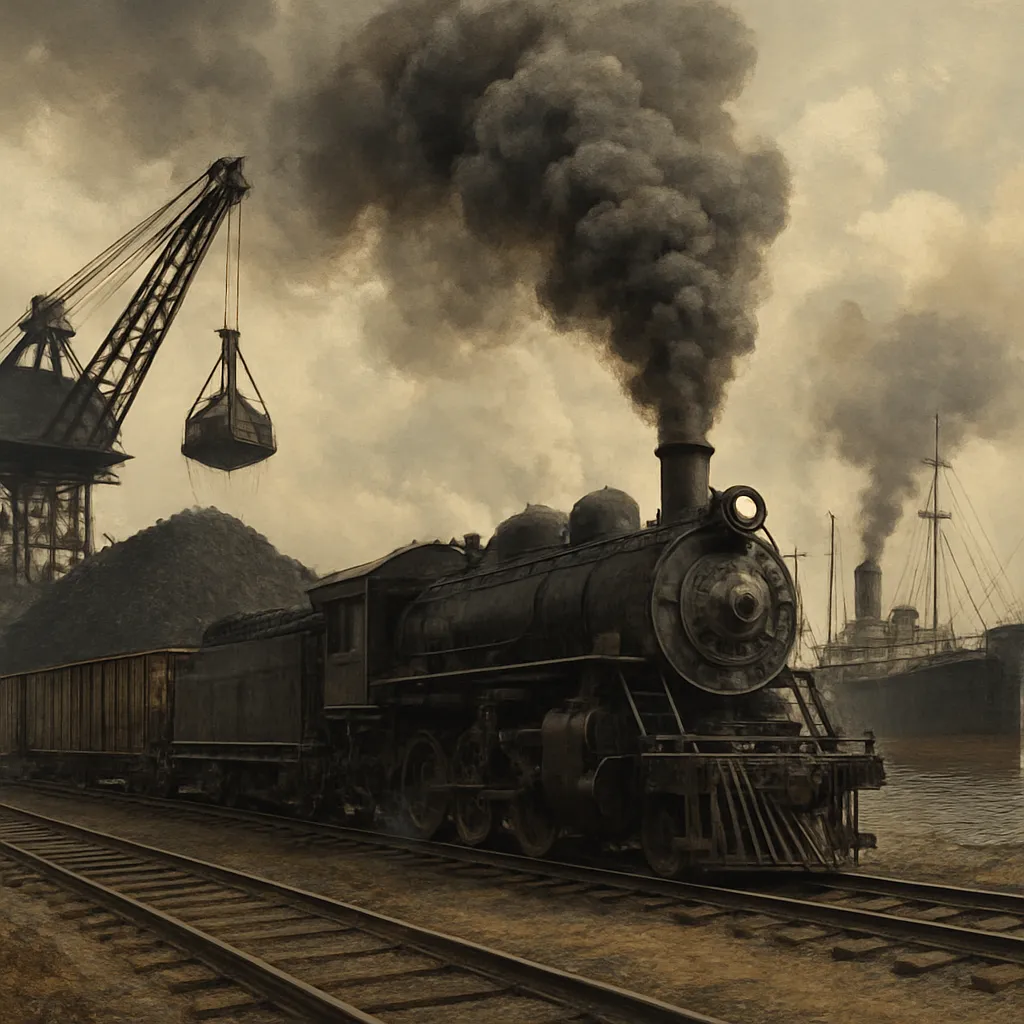
The discovery and harnessing of coal predate written history, but it was during the industrial revolution that its true potential emerged. As steam engines proliferated, coal became the backbone of mechanized manufacturing. Textile mills in Britain, ironworks in Germany, and railroad networks across the United States all relied heavily on coal to achieve unprecedented levels of productivity.
Key characteristics that made coal indispensable included its high energy density and relative ease of transport via burgeoning railway systems. By the mid-19th century, entire cities had grown around coal mines, cementing the fuel’s role as a pillar of urbanization and technological advance. The symbiotic relationship between coal and machinery set the stage for global economic expansion, with energy-intensive industries flourishing in coal-rich regions.
Coal’s Role in the Global Economy
Even today, coal supplies a significant portion of the world’s electricity, underscoring its continued relevance in ensuring energy security. Nations with abundant coal reserves often hold a strategic advantage, using domestic supplies to stabilize power grids and reduce reliance on volatile oil and gas markets. However, the economic picture is complex.
Major Coal-Producing Countries
- China – Leading global production, driven by industrial demand.
- India – Rapidly expanding power sector fueled by coal.
- United States – Technological advances in mining and clean coal.
- Australia – Key exporter to Asia-Pacific markets.
- Russia – Significant reserves supporting both domestic and export needs.
International trade routes have developed around coal shipments, with massive bulk carriers transporting millions of tons across oceans annually. Port infrastructure and rail links in exporting regions are vital components of this supply chain, affecting local employment and national GDP figures.
Investing in Coal Stocks and Market Dynamics
Over the past century, coal-related corporations have offered investors a window into the energy sector’s fortunes. Stocks of coal miners, utilities, and related equipment manufacturers have been listed on major exchanges, presenting both rewards and risks for shareholders. Key factors influencing coal stock valuations include global demand, regulatory policies, and commodity price fluctuations.
Opportunities and Returns
- Dividend Yields – Mature coal companies often return cash to investors through dividends.
- Emerging Markets – Growing industrialization in Asia and Africa can spur higher coal consumption.
- Technological Improvements – Adoption of advanced mining techniques can lower operational costs.
Risks and Volatility
- Environmental Regulation – Stricter rules on emissions can erode profit margins.
- Competition from renewable energy – Solar and wind technologies are increasingly cost-competitive.
- Price Swings – International benchmarks such as API2 and API4 exhibit frequent volatility.
Smart investors often balance coal stock positions with holdings in other energy segments to mitigate exposure to policy shifts and technological disruption.
Environmental Challenges and Sustainable Strategies
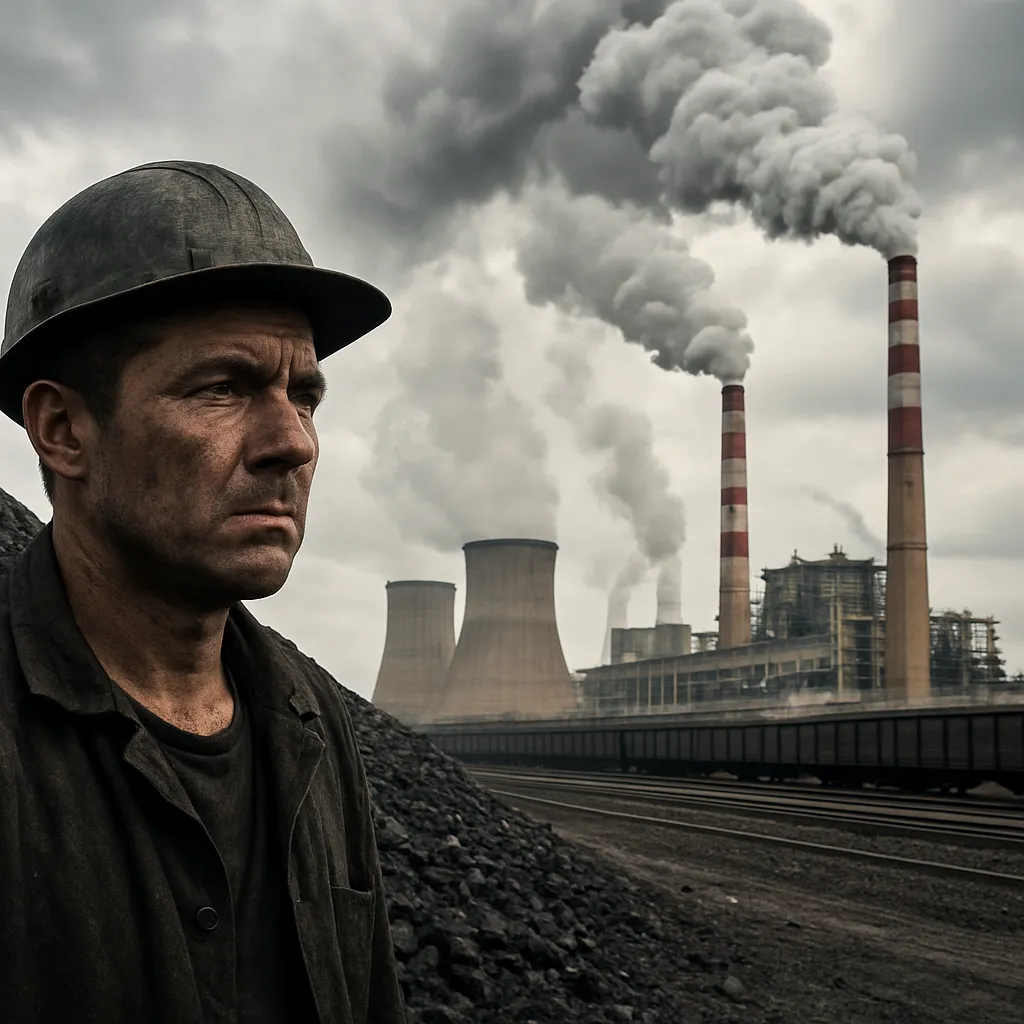
The environmental impact of coal combustion is a central concern in today’s policy debates. Coal-fired power plants are major emitters of greenhouse gas emissions, contributing to global warming and air pollution. In response, governments and corporations are exploring strategies that align coal use with climate goals.
Carbon Capture and Storage
Carbon capture technologies aim to trap CO₂ emissions at the source and store them underground or utilize them in industrial processes. While pilot projects have demonstrated technical feasibility, widespread adoption faces hurdles such as high capital costs and energy penalties that can reduce a plant’s net output.
Efficiencies and Retrofits
Upgrading older facilities with supercritical and ultra-supercritical boilers can boost thermal efficiency, lowering emissions per megawatt-hour of electricity generated. Retrofitting existing plants allows utilities to extend asset lifespans while reducing environmental impact.
Technological Innovations and the Path Forward
The future of coal hinges on innovation. Novel approaches such as coal gasification and biomass co-firing offer pathways to cleaner operations. Research into alternative uses—like converting coal into synthetic fuels or chemical feedstocks—could diversify coal’s role beyond power generation.
Simultaneously, the energy landscape is shifting toward decentralized models, including rooftop solar and onshore wind farms. These trends challenge coal’s dominance but also open opportunities for hybrid systems that combine the reliability of coal with the flexibility of renewable sources. Policymakers, investors, and industry leaders must collaborate to ensure a just transition for workers and communities reliant on coal economies.
Geopolitical Considerations and Resource Security
Control over coal reserves has historically influenced geopolitical dynamics. Nations with significant deposits can leverage export revenues to fund infrastructure and defense, while importing countries must navigate supply security concerns. Trade disputes, tariffs, and environmental agreements all shape coal’s role in international relations.
As global priorities evolve, so too will the strategies for managing coal resources. Balancing national interests with climate commitments requires nuanced policy frameworks that reward clean technologies without abandoning regions where coal remains a critical economic driver.
Conclusion of Exploration
Coal’s legacy is profound. It catalyzed the rise of modern industry, underpinned financial markets through coal stocks, and now faces the imperative of aligning with sustainability targets. Whether through advanced carbon capture systems, strategic investment decisions, or innovative hybrid energy solutions, the coal sector continues to adapt. Understanding these dynamics is essential for stakeholders seeking to navigate the complex nexus of economics, technology, and environmental stewardship.