From the moment ancient swamps and forests began their slow transformation under pressure and time, coal has stood as one of humanity’s most influential fossil fuel resources. Tracing the journey from organic matter to the industrial powerhouse that fueled the steam engines of yesteryear, today’s coal heritage lives on in dedicated institutions. These museums not only preserve artifacts but also offer a tangible connection to the societal transformations powered by this dark rock.
Origins and Geology of Coal
Coal formation is a testament to geological processes spanning millions of years. Initially, layers of plant debris accumulated in wetlands, gradually burying under sediments. Heat and pressure transformed this biomass into peat, then into lignite, and eventually into bituminous and anthracite coal. Each stage reflects increasing carbon content and calorific value, critical for industrial applications.
Geologists categorize coal by rank and grade, assessing parameters such as sulfur content, moisture, and ash yield. High-rank anthracite, prized for its high energy density and low emissions, contrasts with lower-rank lignite, often used near mines due to transportation costs. These distinctions underscore the geology behind coal’s diversity:
- Lignite: Youngest, highest moisture content, lowest heat output
- Sub-Bituminous: Intermediate rank, used in power plants
- Bituminous: Widely used in steelmaking and electricity generation
- Anthracite: Hardest form, burns cleanly with intense heat
Today, researchers examine ancient coal deposits for clues about past climates and ecosystems. Particle analysis and scanning electron microscopy reveal remnants of fossilized spores and plant matter, helping reconstruct Earth’s carbon cycle. This scientific inquiry preserves the heritage of prehistoric environments and informs modern sustainability efforts.
Evolution of Coal Stock in Industrial Use
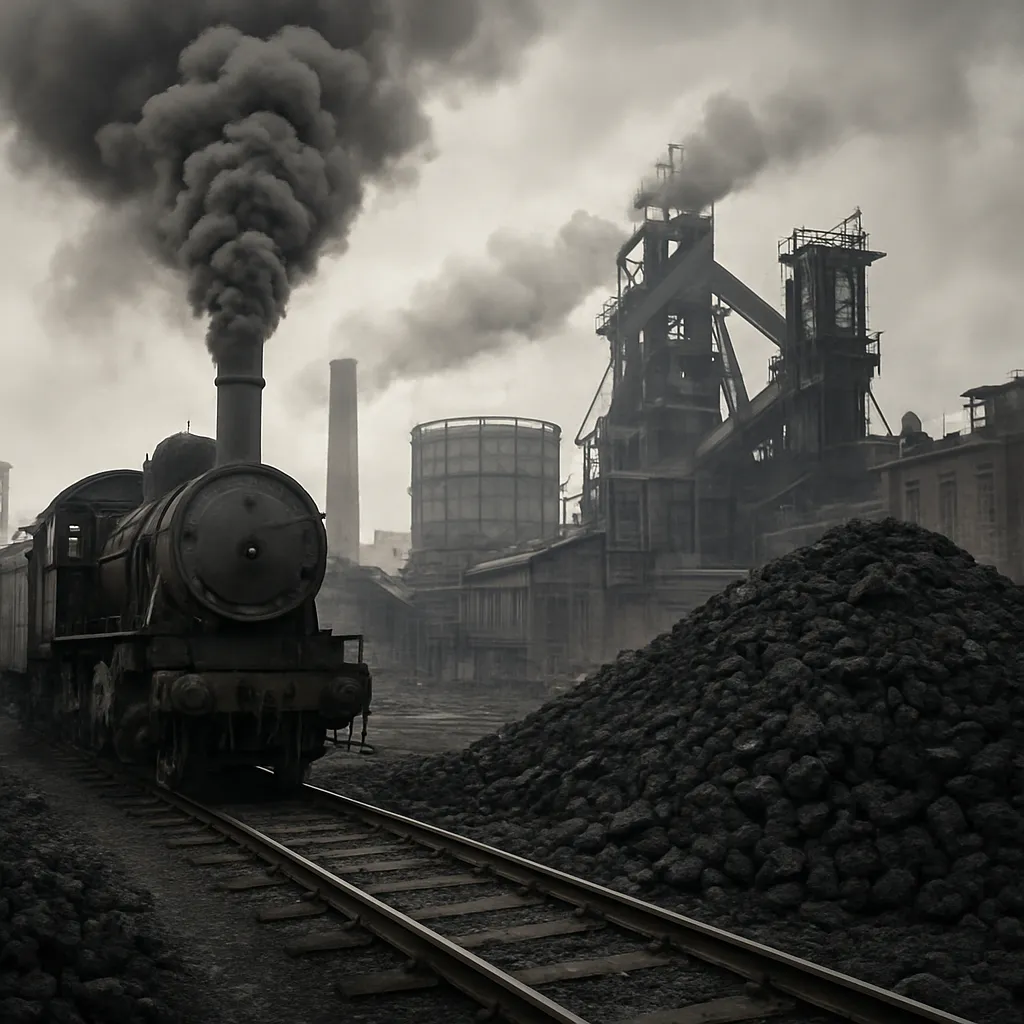
From the dawn of the Industrial Revolution, coal stock became the backbone of global energy supply. Steam locomotives, iron forges, and power plants all relied on this abundant resource. By the mid-19th century, vast coalfields in Britain, the United States, Germany, and Russia underpinned booming industries.
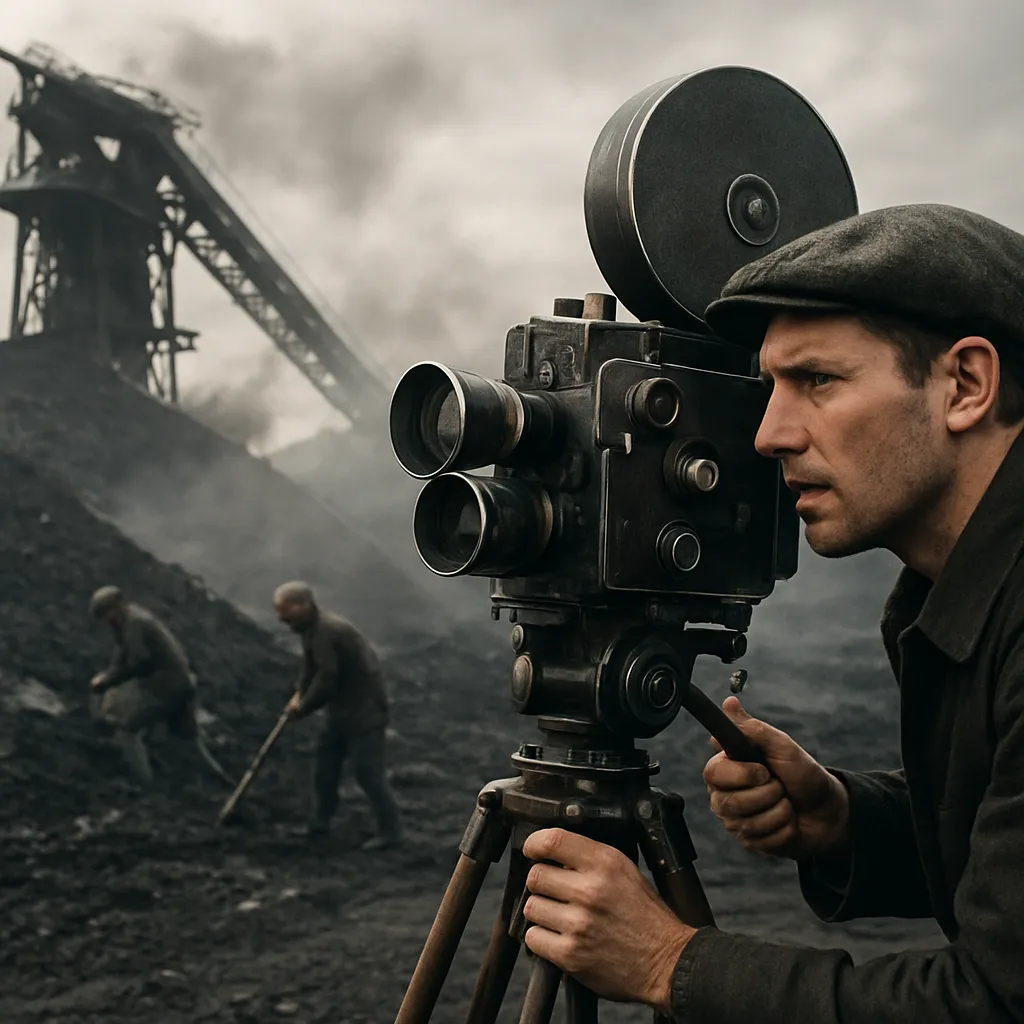
As demand surged, mining techniques evolved. Early surface pits gave way to deep-shaft methods. Innovations such as steam-powered pumps, mechanized cutters, and conveyor belts improved extraction rates. Yet the human cost remained high: arduous underground work, risks of methane explosions, and chronic health ailments like pneumoconiosis. Labor movements and unionization efforts emerged, reshaping worker rights.
Throughout the 20th century, the concept of coal stock management matured. Governments and private companies established strategic reserves to buffer against supply disruptions during wars and economic downturns. Modern stockpiles employ complex logistics, integrating rail, barge, and port facilities to ensure uninterrupted delivery to power stations.
Despite its historical dominance, coal faces scrutiny under contemporary environmental standards. Carbon capture technology represents one attempt to decarbonize existing plants. Meanwhile, global trends towards renewable energy resources have led to phased closures of coal-fired facilities. Yet coal stock remains vital in many emerging economies, balancing energy security with environmental concerns.
Coal Museums as Guardians of Industrial Legacy
Coal museums serve as living archives, preserving the tangible and intangible aspects of mining cultures. Visitors encounter restored mining equipment—pit props, steam engines, winding gear—each piece telling a story of innovation and endurance. Underground exhibits, often located in decommissioned mines, recreate the claustrophobic tunnels and the eerie glow of carbide lamps.
These institutions curate extensive archives: ledgers documenting production volumes, personal diaries of miners, and oral histories recounting generational traditions. Photographic collections capture daily life, from families in mining villages to the social gatherings that built community spirit. Exhibits often emphasize the interplay between technology and human labor, showcasing how mechanization altered both productivity and workforce dynamics.
Special exhibits highlight environmental restoration efforts on former mining sites. Interactive displays illustrate land reclamation, water treatment, and reforestation projects that turn spoil heaps into nature reserves or cultural parks. In doing so, museums bridge the gap between past extraction and future ecological stewardship.
Engaging the Public: Educational Programs and Innovation
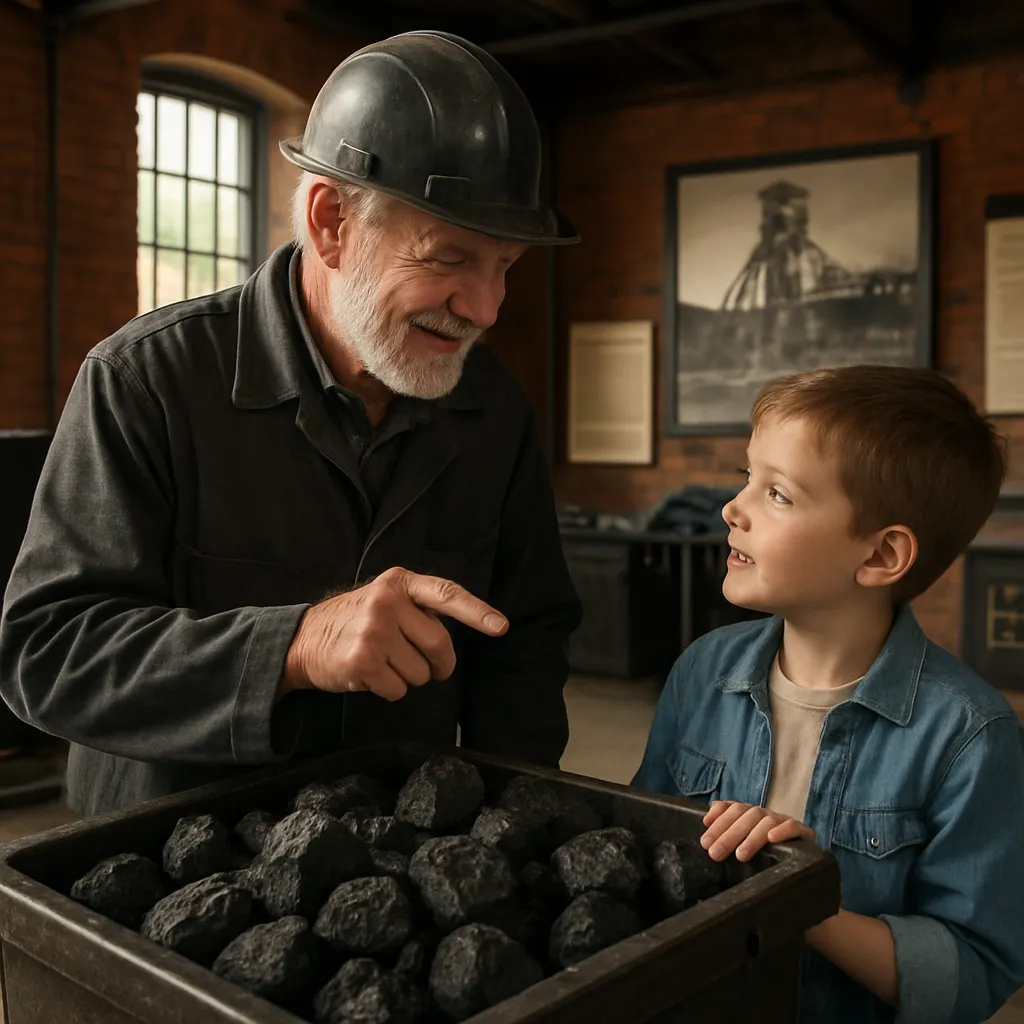
To captivate diverse audiences, coal museums deploy creative strategies. Hands-on workshops allow school groups to handle rock samples, identify macerals under microscopes, and measure carbon content. Role-play scenarios cast participants as mine managers or safety inspectors, fostering appreciation for operational complexities and regulatory frameworks.
Virtual reality (VR) and augmented reality (AR) have revolutionized interpretive experiences. Through VR headsets, visitors descend into a simulated 19th-century coal face, navigating conveyor belts and communicating with virtual miners. AR applications overlay historical photographs onto present-day landscapes, animating bygone scenes of bustling collieries.
Public lectures and panel discussions bring together historians, geologists, former miners, and energy experts. Topics range from historic labor movements to the future of carbon-neutral technologies. Such events underscore the multifaceted nature of mining heritage, shedding light on social justice, environmental policy, and economic development.
Membership programs and volunteer initiatives further strengthen community bonds. Volunteers assist with artifact restoration, archival digitization, and guided tours, ensuring that local knowledge informs museum narratives. By empowering citizens to contribute actively, coal museums transform from static repositories into dynamic centers of education and cultural exchange.