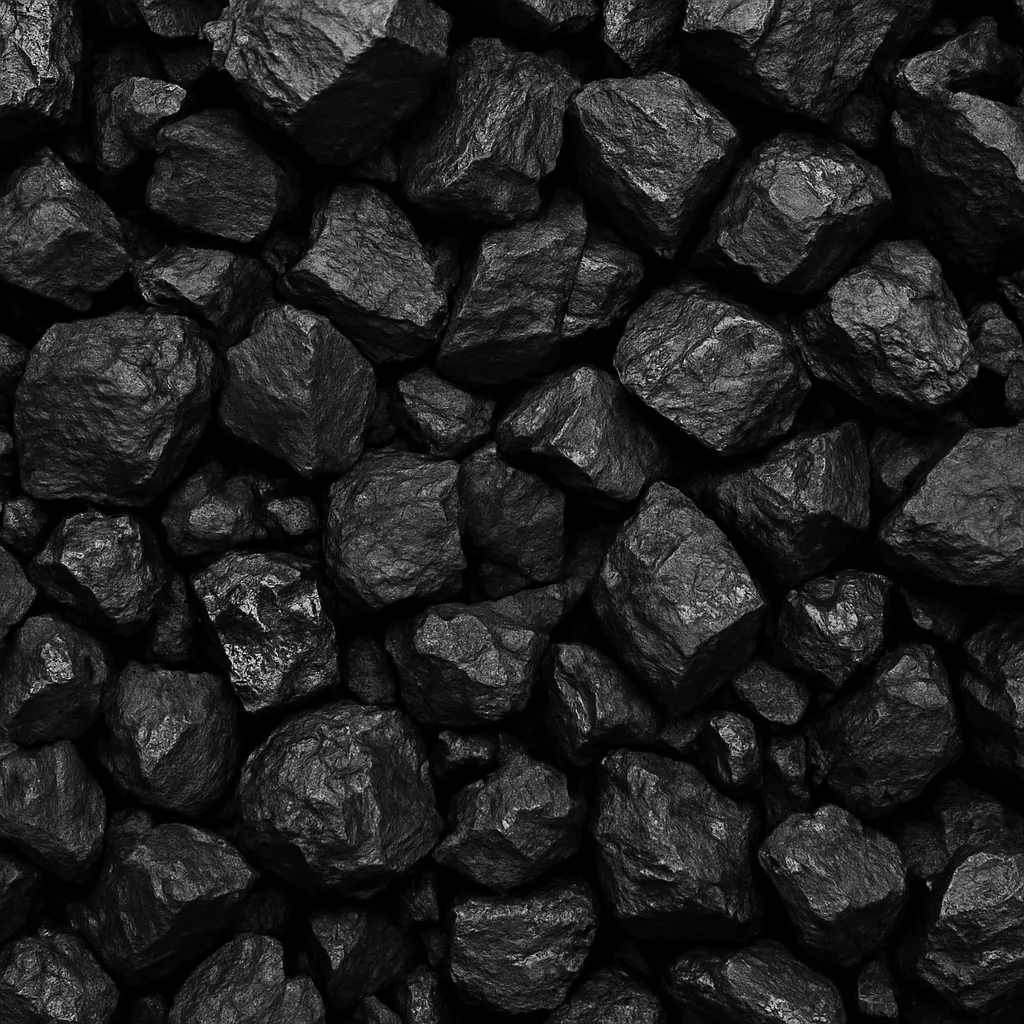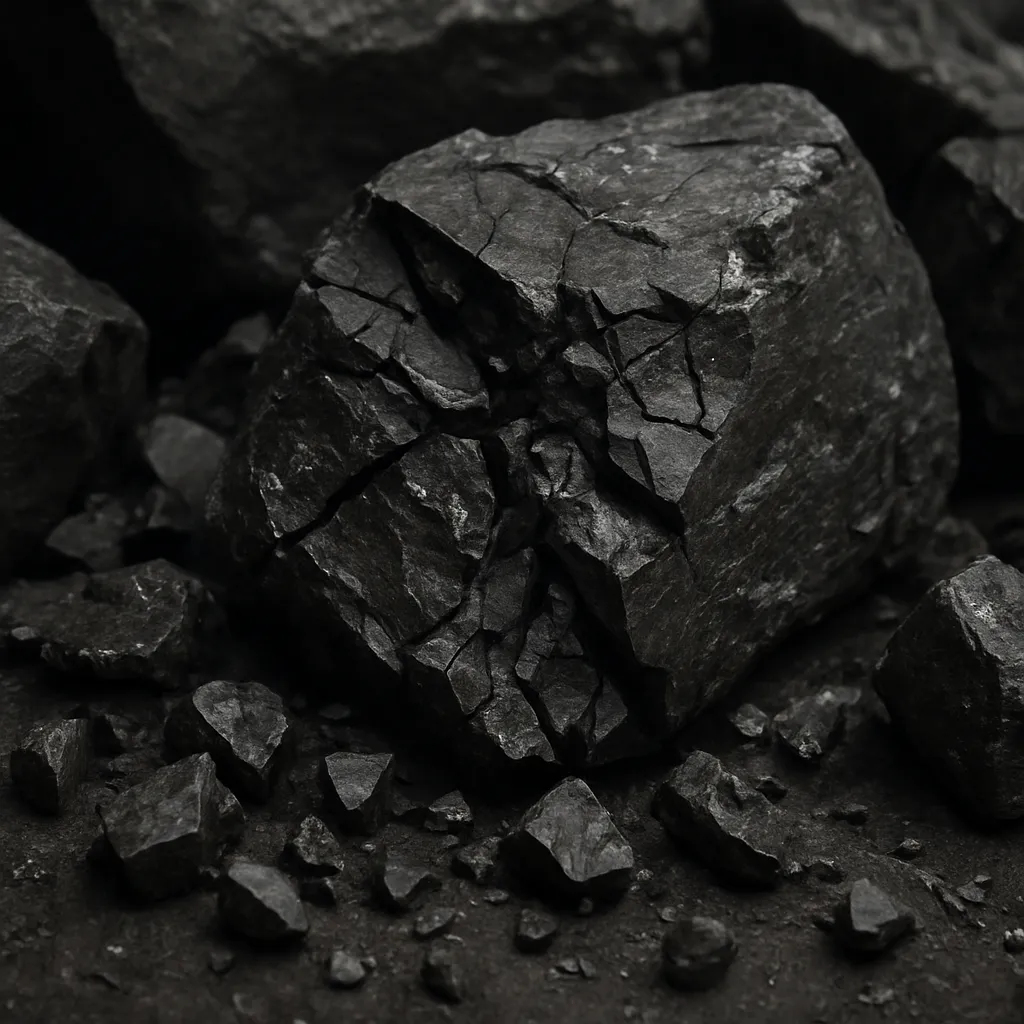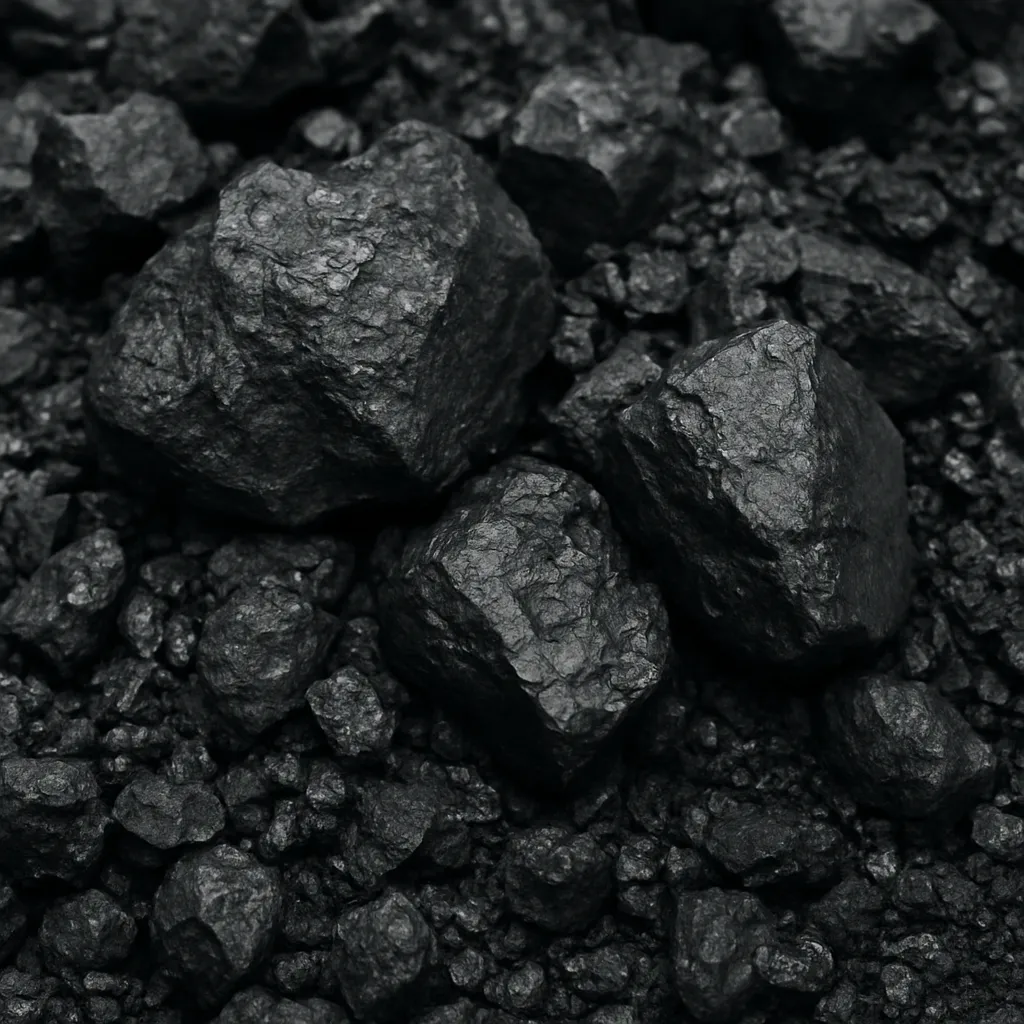
High-caking coal is a specialized group of bituminous coals whose behaviour under heat makes them indispensable to the production of metallurgical coke and, by extension, modern steelmaking. This article explains what high-caking coal is, how it is identified and graded, where it is found and mined, its global economic and trade significance, and the technological and environmental trends shaping its future. Throughout the text I highlight key terms and processes that determine the coal’s value to industry and markets.
Geology, properties and classification
High-caking coal is not a single geological unit but rather a functional classification based on the coal’s tendency to soften, become plastic, agglomerate and resolidify into a porous, strong carbonaceous mass (coke) when heated in the absence of air. This behaviour depends on intrinsic coal properties such as maceral composition, rank, and chemical constituents. Coal that demonstrates strong agglomeration and strength after carbonization is commonly referred to as high-caking coal or coking coal, and it is a primary feedstock for the manufacture of coke used in iron and steelmaking.
Key physical and chemical indicators
- Maceral composition: A high proportion of vitrinite macerals typically promotes plasticity and caking behaviour; inertinite-rich coals are less caking.
- Rank and reflectance: Most coking coals are medium- to high-rank bituminous coals. Vitrinite reflectance (Ro) and other rank indices correlate with the coal’s thermal behaviour.
- Volatile matter: Coals with moderate volatile content tend to show optimal caking and carbonization characteristics; too high or too low volatiles can impair coke quality.
- Free Swelling Index (FSI) and other agglomeration tests: These practical laboratory tests classify coals as non-caking, weak-caking, medium-caking or strong/high-caking and are used commercially to blend and select coals for coke ovens.
- Impurities: Low ash and low sulfur contents are desirable because they reduce deleterious elements in the resulting coke and in the iron produced.
- Strength of coke: Measured by indices such as CSR (Coke Strength after Reaction) and CRI (Coke Reactivity Index) — higher CSR and lower CRI are preferred for blast furnace service.
Because properties vary, metallurgical operations typically use blends of multiple coals to achieve target plasticity, swelling, and coke strength characteristics. The coal’s capacity to form strong, porous coke that supports burden in a blast furnace is the fundamental economic attribute of high-caking coal.
Global occurrence and principal producing regions
High-caking coals are found in many sedimentary basins formed in the Carboniferous to Permian and younger periods, wherever plant-rich swamp environments accumulated organic matter that was subsequently buried, heated and transformed. However, not all coal-bearing basins produce coking-quality coal. The most commercially important coking coals derive from specific basins with favorable organic input and burial histories.
Major producing countries and basins
- Australia — Queensland’s Bowen and Surat basins and New South Wales’ Hunter Valley are among the world’s most important sources of high-quality coking coal. Australian exports dominate seaborne trade and supply steelmakers across Asia and the world.
- Russia — large coking coal deposits occur in the Kuzbass (Kemerovo region), which is a major supplier for domestic steelworks and export markets. Russia’s vast coal resources include significant metallurgical-quality seams.
- China — while China is the world’s largest total coal producer and consumer, its coking coal resources are geographically diverse (Shanxi, Inner Mongolia, Shaanxi and other provinces). China both produces and imports coking coal to meet its steel industry needs.
- Canada — British Columbia and Alberta host significant metallurgical coal operations; Canadian producers export premium quality coking coal mainly to Asian steel producers.
- Mongolia — large deposits, including those in the South Gobi, have become important export sources of coking coal, especially to China.
- Mozambique and other southern African deposits — large open-pit mines (e.g., in the Tete region) supply coking coal to international markets, with growing infrastructure investments to expand exports.
- United States — the Appalachian Basin (West Virginia, Pennsylvania, Kentucky) and the Illinois Basin produce metallurgical coal, though U.S. seaborne exports have historically been smaller than Australia’s.
- Other countries with metallurgical coal resources include India (limited high-quality deposits), Colombia (growing exports), and South Africa (both thermal and metallurgical coal in different basins).
While many nations have some coking coal, the economic importance shifts strongly to those with low-cost mining, high-quality seams and efficient ports and logistics for export. For example, Australian producers benefit from abundant, high-grade seams close to export infrastructure, making Australia the dominant seaborne supplier of coking coal.
Production, trade and economic significance
High-caking coal is a strategic commodity because it underpins the globally distributed steel industry. Coke derived from these coals is the reducing agent and structural material inside a conventional blast furnace, and therefore demand for coking coal is closely tied to steel production, construction activity and manufacturing cycles.
Production and trade patterns
- Seaborne trade in metallurgical coal is concentrated among a small group of exporters (Australia, Russia, Canada, the United States, Mozambique and Colombia) and a set of major importers (China, Japan, South Korea, India and countries in Europe and Southeast Asia).
- Compared with thermal coal, coking coal markets are smaller in volume but higher in unit value; quality differentials (ash, sulfur, CSR/CRI, FSI) translate directly into price premiums or penalties.
- Vertical integration is common: large mining companies and diversified commodity groups supply steelmakers directly or through long-term contracts to reduce exposure to volatile spot markets.
Economic metrics for coking coal are sensitive to both cyclical demand (construction, machinery, automotive production) and structural shifts in steelmaking technology (e.g., more use of electric arc furnaces (EAF) reduces coke demand, while growth in conventional blast-furnace-based steelmaking increases it). Price shocks have occurred repeatedly: supply disruptions, weather events, policy changes, or spikes in steel demand can push prices sharply higher, affecting profitability up and down the supply chain.
Market indicators and price behaviour
Prices for high-quality coking coal and coke are typically quoted on a free-on-board (FOB) or cost-insurance-freight (CIF) basis and can be influenced by contract cycles and spot-market volatility. Industry observers use indices supplied by market intelligence firms to track premium and benchmark coal grades. Historically, coking coal prices have shown larger percentage swings than thermal coal because of the smaller market size and concentration of supply. For instance, regional disruptions or export restrictions can tighten the seaborne market and cause rapid price escalation; conversely, new project start-ups or reduced steel demand can depress prices, sometimes sharply.
Role in steelmaking and industrial uses
The primary industrial use of high-caking coal is to produce coke for blast furnaces. Coke combines several functions in ironmaking: it is a chemical reducing agent that removes oxygen from iron ore, a high-temperature fuel, and a mechanical support that maintains permeability in the blast furnace stack. High-quality coke must be strong enough to support the burden and reactive enough to participate in the reduction reactions without excessive degradation.
From coal to coke: the process
- Blending: Different coking coals are blended to achieve the target plasticity and swelling attributes.
- Carbonization: The coal blend is heated in coke ovens in an oxygen-deficient atmosphere, driving off volatile compounds and leaving a porous, carbon-rich solid — coke.
- Byproducts: Coke oven gas and chemical byproducts (ammonia, tar, benzene) can be captured and used as feedstocks for chemicals or energy generation; modern facilities aim to minimise emissions and maximise byproduct recovery.
Beyond blast furnaces, metallurgical coals can be used in smaller volumes for metallurgical heating, certain chemical processes, and specialty carbon products. However, as steel production increasingly uses recycled scrap in electric arc furnaces (EAF), the absolute demand for coke may moderate in regions with strong scrap availability.
Environmental, technological and strategic trends
The future of high-caking coal is shaped not only by geology and market economics but also by decarbonization policies, technological innovation in steelmaking, and the geopolitics of energy and commodity trade.
Decarbonization and alternatives
- Direct Reduced Iron (DRI) and Electric Arc Furnaces (EAF): DRI processes using natural gas or hydrogen can produce iron without traditional coke, reducing reliance on high-caking coal, especially where natural gas or low-carbon hydrogen is available.
- Hydrogen-based reduction: Pilots and demonstration projects are exploring hydrogen as a low-carbon reductant; widespread adoption would reduce demand for coking coal over the medium to long term.
- Carbon capture and utilisation/storage (CCUS): Retrofitting blast furnaces and coke plants with CCUS could mitigate CO2 emissions while preserving existing metallurgical supply chains.
- Material efficiency and recycling: Greater scrap usage and design changes can lower coke demand per tonne of steel.
Supply security and geopolitics
Because high-quality coking coal is geographically concentrated and because steel is a strategic industrial input, nations and companies pay close attention to supply security. Long-term contracts, stockpiling, investment in domestic production, and diversification of import sources are common strategies. Trade restrictions, freight bottlenecks, or export taxes in major supplying countries can have outsize impacts on global steel feedstock availability and prices.
Technological advances in mining and processing
Mining methods (longwall, open-pit), improved washing and beneficiation technologies, and fine coal agglomeration techniques allow producers to improve yield and deliver higher-quality product to market. Advanced analytical and blending tools help metallurgists design coal blends that meet exacting coke specifications while optimising costs. Investment in port and rail infrastructure is also critical: reliable logistics reduce disruptions and create market access, particularly for landlocked basins such as Mongolia.
Statistical perspective and recent trends
Quantitative statistics for high-caking coal vary year to year with economic cycles and technological change. While comprehensive, up-to-date global numbers require consultation of industry databases (e.g., International Energy Agency, World Coal Association, national mine statistics and commercial price reporting agencies), a few broad observations are reliable:
- Metallurgical coal represents a minority of total global coal production by volume but a disproportionate share of coal export revenues because of higher unit prices.
- Australia is the dominant seaborne exporter of coking coal; shipments from Australia are typically the largest single source for Asian steelmakers.
- China is the largest overall producer and consumer of coal (including coking coal) and oscillates between self-sufficiency and periods of increased imports of high-quality coking coal to meet metallurgical specifications.
- Market tightness can arise rapidly: for example, in periods of robust steel demand combined with logistical constraints, spot prices for premium coking coals have at times more than doubled relative to prior-year levels, directly affecting steelmaking costs.
Because statistical reporting conventions differ (some agencies report raw coal, others report washed or saleable product; some separate metallurgical and thermal coal), readers seeking precise tonnage or price time series should consult primary industry reports and national statistics for the latest validated figures.
Challenges, opportunities and concluding observations
High-caking coal remains a linchpin of traditional iron and steelmaking due to the unique physical and chemical role of coke in blast furnaces. The commodity’s value is driven by geological quality, processing and blending know-how, logistics, and steel industry dynamics. At the same time, the steel sector’s response to decarbonization pressures presents both threats and opportunities: threats in the form of structural demand reduction for coke in regions shifting to scrap- or hydrogen-based production, and opportunities for producers who can provide lower-impurity coals, invest in cleaner production, or diversify into value-added carbon products.
For producers, governments and users, the key strategic priorities are improving asset and supply-chain resilience, investing in emissions reduction technologies, and monitoring evolving metallurgical routes that may alter the long-term profile of demand for high-caking coal. The interplay between commodity markets, energy policy and innovation in steelmaking will determine whether and how fast the global role of coking coal changes over coming decades, but in the near to medium term it remains a critically important industrial commodity.
Selected highlighted terms: high-caking coal, coking coal, coke, metallurgical coal, blast furnace, Free Swelling Index, volatilе matter, carbon content, Australia, China.