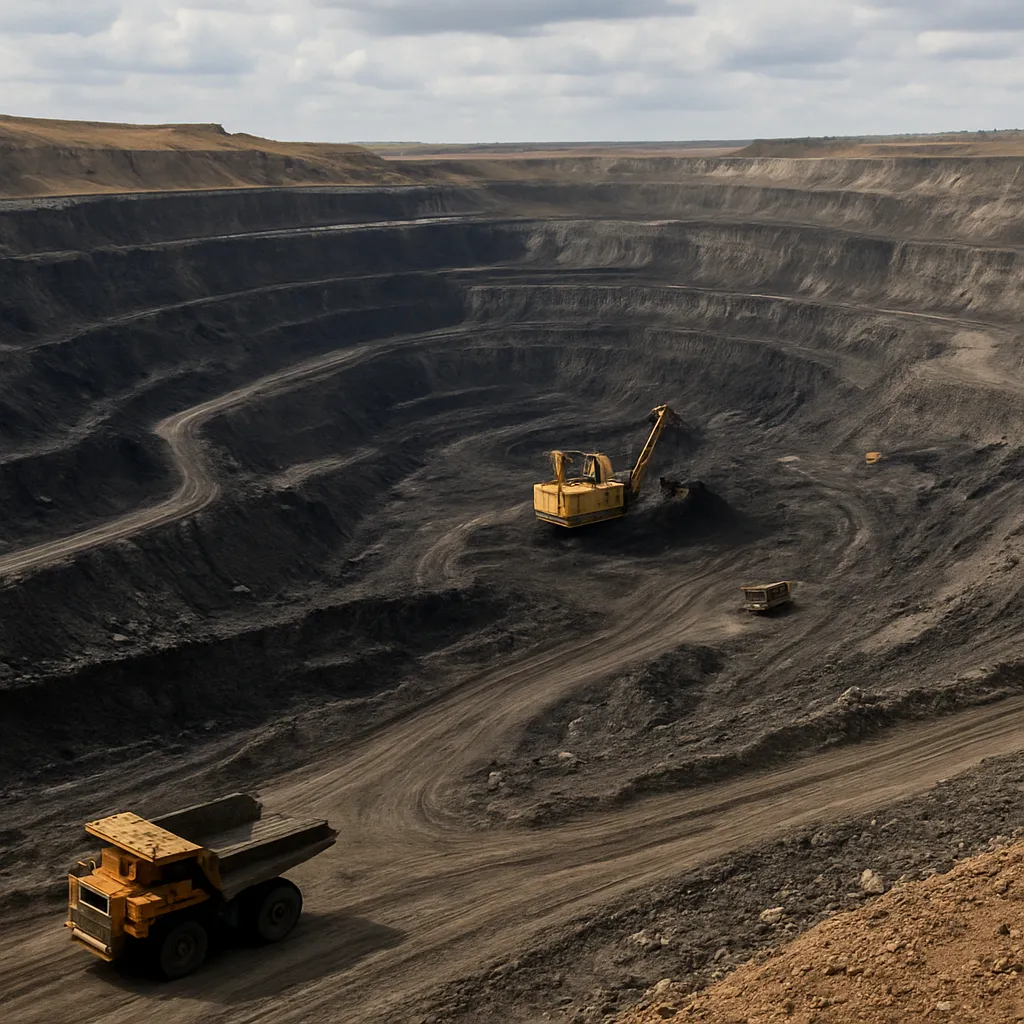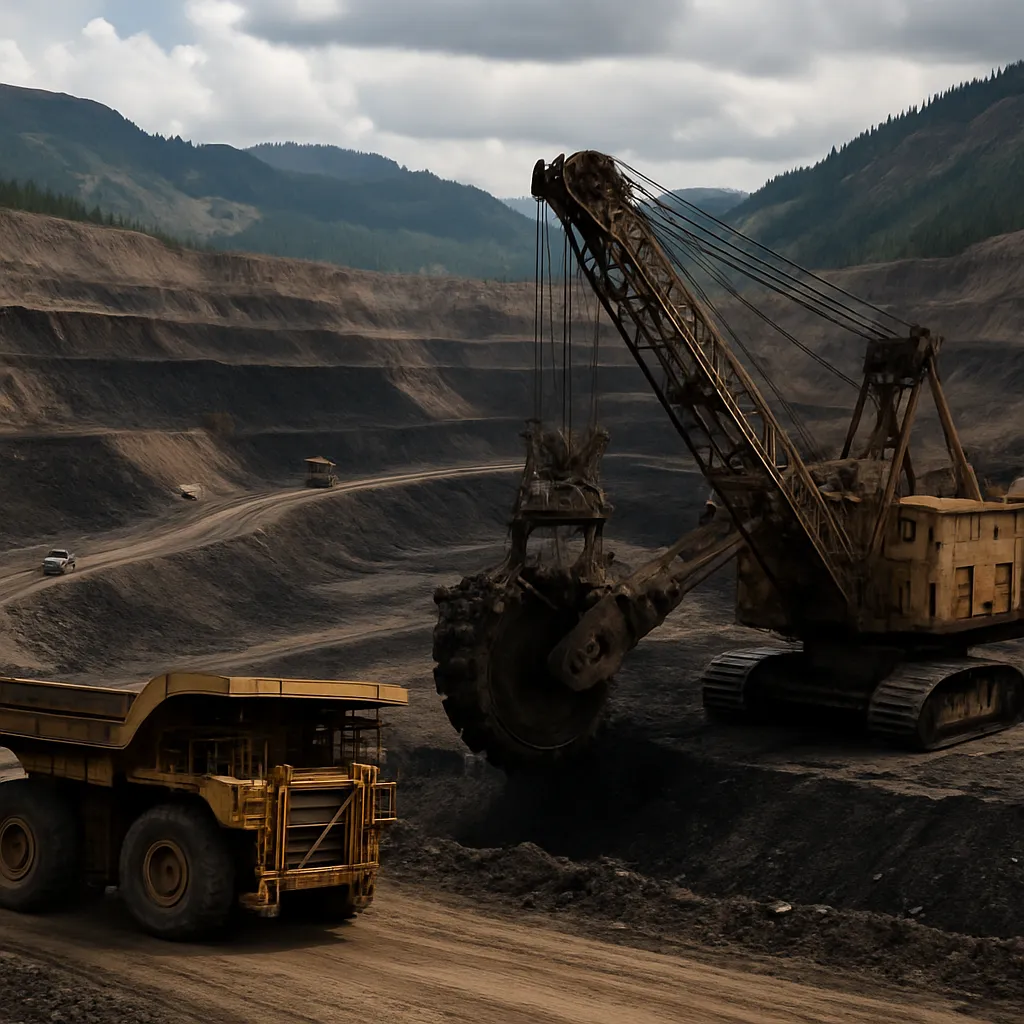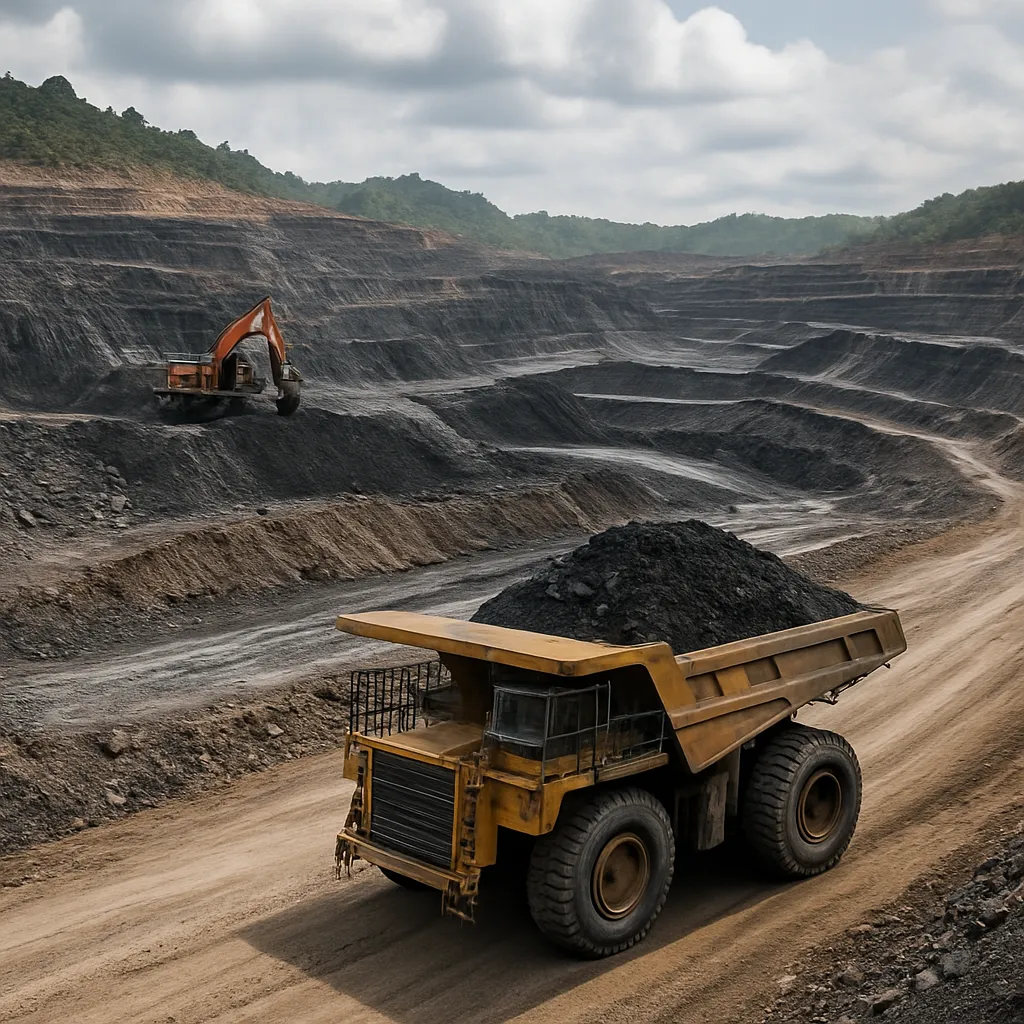
The Pasir Mine is one of the many coal-producing sites that contribute to Indonesia’s prominent role in the global coal market. Situated in the coal-rich regions of the Indonesian archipelago, the mine exemplifies the typical combination of geological features, extraction techniques and socio-economic impacts seen across Kalimantan and Sumatra. This article provides a detailed overview of the Pasir Mine, including its location, geology and coal characteristics, operational methods, economic significance, statistical context within Indonesia’s coal sector, and the environmental and social issues associated with its operation. Where specific public data on Pasir are limited, broader regional and national figures are used to give context to the mine’s likely scale and importance.
Overview and Location
The Pasir Mine is located in the Indonesian part of Borneo (Kalimantan), within a province known for extensive coal-bearing formations. The geological basins of East and South Kalimantan host many of Indonesia’s largest coal deposits; mines in these areas typically exploit shallow, laterally extensive seams that are well suited to open-pit mining methods. Pasir Mine operates in this regional context, linking to Indonesia’s domestic power and industrial sectors as well as to international export markets.
Geographically, mines like Pasir are often accessible by dirt roads, dedicated haul roads, and in some cases river or rail infrastructure developed to connect production to coastal shipping terminals. The location of Pasir within a coal district means it benefits from proximity to processing, washing facilities, and export ports that service the coal trade. The surrounding landscape usually includes a mosaic of tropical forest, agricultural land, and mining infrastructure, reflecting the tension between development and environmental conservation.
Geology and Coal Characteristics
The coal produced at Pasir Mine is predominantly used for power generation and industrial fuel, falling into the category of thermal coal. Indonesian thermal coals commonly range from sub-bituminous to low-volatile bituminous ranks, with calorific values that suit large-scale electricity generation. Typical properties associated with coals in the Kalimantan basins include:
- Calorific value: Frequently in the range of 4,000–6,500 kcal/kg (approximately 16–27 MJ/kg), making them competitive for thermal power plants designed for lower- to medium-grade coals.
- Moisture and ash: Moisture and ash contents vary by seam and depth; many Indonesian coals have higher moisture or ash than some international benchmarks, but washing and blending practices can improve fuel quality.
- Sulfur and trace elements: Generally low sulfur content in many Kalimantan coals is an advantage for meeting emissions requirements, though trace element concentrations can vary.
- Seam thickness and continuity: Coal seams in the region may be relatively thick and laterally continuous, favorable for large-scale extraction and economies of scale.
At mines like Pasir, coal may be processed in on-site or nearby washing plants to remove impurities and increase market value. Product specifications are tailored to customer requirements: domestic power stations often accept unwashed or lightly washed coal, while export contracts may demand specific calorific values, ash and sulfur levels.
Extraction Methods and Operations
The dominant extraction method at Pasir Mine is likely open-pit mining, which is the norm for many Indonesian surface mines due to shallow seam depths and large horizontal extents. The typical operational cycle includes:
- Stripping of overburden using hydraulic excavators and large-scale haul trucks;
- Bench-by-bench mining to expose and extract coal seams;
- On-site coal handling, including crushing, screening and sometimes washing;
- Stockpiling, blending and loading for internal use or export;
- Progressive reclamation in some operations, although rehabilitation practices vary widely by operator and local regulations.
Large open-pit operations rely on heavy equipment fleets—excavators, front-end loaders, haul trucks, bulldozers—and significant maintenance capability. Ancillary infrastructure includes workshops, fuel and lubricant depots, worker camps, and often power and water supply systems. Mines of Pasir’s type may operate year-round and coordinate logistics through trucking to nearby ports or via conveyor and rail systems where developed.
Economic and Industrial Significance
The economic importance of the Pasir Mine manifests at multiple levels: local, regional and national. Coal mining generates revenue streams through sales, royalties, taxes and employment, while stimulating indirect economic activity in services, logistics and construction.
- Local employment: Mines provide direct jobs in operations, maintenance, administration and management, as well as indirect opportunities in transport, catering and contracting. For many rural communities, mining represents a major source of formal employment relative to traditional agriculture or forestry.
- Revenue and exports: Coal is a major export commodity for Indonesia, contributing foreign exchange earnings. Although specific export volumes for Pasir Mine may not be published, mines in the Kalimantan region collectively underpin a large share of national coal exports.
- Downstream industry: Domestic power plants, cement producers and other industrial users source thermal coal from regional producers. Supplying local power stations can enhance national energy security and reduce reliance on imported fuels.
Indonesia’s coal sector supports infrastructure development—roads, ports and energy projects—that can deliver broader economic benefits. However, the distribution of these benefits can be uneven, with local communities sometimes feeling the economic gains are limited compared to the scale of resource extraction.
Statistical Context and Production Figures
Publicly available, site-specific statistical data for Pasir Mine may be limited or proprietary. However, placing Pasir within Indonesia’s national coal context helps to evaluate its potential contribution:
- Indonesia has been one of the world’s largest producers and exporters of thermal coal, with national production and export volumes fluctuating in response to global demand and domestic policy.
- Typical mines in Kalimantan range from small-scale producers (hundreds of thousands of tonnes per annum) to large operations producing several million tonnes per year. Large open-pit mines can reach annual production capacities of 5–20 million tonnes or more, while medium-sized mines often produce between 1–5 million tonnes annually.
- Key export markets for Indonesian thermal coal include India, China, Japan, South Korea and Taiwan, with trade flows influenced by price, fuel quality and logistics.
Where site-level figures are unpublished, financial reports or regulatory filings of operating companies and regional trade statistics can sometimes provide estimates of a mine’s output, reserves and export volumes. For researchers or stakeholders seeking precise numbers, company annual reports, government mineral resource inventories and customs export data are primary sources to consult.
Environmental and Social Considerations
Mining at Pasir, as at many Indonesian sites, raises several environmental and social issues that require careful management. Key challenges include:
- Land use change: Clearing for open-pit mining leads to loss of vegetation and habitat fragmentation, affecting biodiversity in tropical forest landscapes.
- Water management: Excavation and dewatering can alter local hydrology, while runoff and tailings from coal processing can affect water quality if not properly controlled.
- Air quality: Dust and particulate emissions from blasting, hauling and shipping can impact local air quality; coal combustion emissions from downstream use contribute to global greenhouse gases.
- Community impacts: Resettlement, changes to livelihoods and the influx of workers can produce social tensions and strain local services if not managed with robust community engagement.
Regulatory frameworks in Indonesia require environmental impact assessments (EIAs), mine closure plans and progressive reclamation, but the quality of implementation varies. Responsible operators at mines like Pasir invest in mitigation measures: water treatment plants, dust suppression systems, progressive backfilling and revegetation, and community development programs focused on health, education and alternative livelihoods.
Regulation, Governance and Industry Practices
The Indonesian coal sector operates under national mining laws and regional permits that govern exploration, production, environmental protection and revenue-sharing. Important governance aspects affecting Pasir Mine include:
- Licensing and permits: Mining concessions are issued by national and provincial authorities, often with requirements for environmental management and community compensation.
- Revenue mechanisms: Taxes, royalties and export levies contribute to public income; fiscal terms vary over time and are subject to government policy adjustments.
- Local content and employment: Regulations and corporate policies encourage use of local contractors, workforce training and procurement to maximize local value addition.
- Compliance monitoring: Environmental agencies and third-party auditors may oversee compliance with EIAs, water quality standards and mine closure obligations.
Transparency and data availability remain ongoing challenges in the sector. Stakeholders increasingly expect disclosure on reserves, production, emissions and social expenditure, driven by investor demands and international sustainability standards.
Market Dynamics and Value Chain
Coal from Pasir Mine enters a complex value chain that spans extraction, processing, transport, and final consumption. Key elements include:
- On-site processing: Crushing, screening and washing to meet buyer specifications.
- Logistics: Haulage to ports by truck, conveyor or rail, followed by transshipment to coastal vessels; in some regions river barging is used.
- Export and domestic market split: Producers sell to domestic power utilities, industrial users, and international customers. Market prices, transport costs and contract terms determine competitiveness.
- Price drivers: International thermal coal prices are influenced by global demand (notably from Asia), currency exchange rates, shipping costs, and competing fuel prices.
For mines like Pasir, maintaining reliable logistics and consistent product quality is as important as the geology for sustaining long-term contracts and favorable prices.
Community Relations and Social Investment
Successful operations at Pasir depend on constructive engagement with local communities. Common practices include:
- Community consultation and grievance mechanisms to address local concerns;
- Investment in local infrastructure—roads, clinics, schools—often framed as corporate social responsibility programs;
- Skills training and support for small businesses to diversify local economies beyond mine dependency;
- Health and safety initiatives to reduce occupational and community health risks related to mining activities.
Long-term social acceptance is linked to transparent benefit-sharing, fair compensation for land access and demonstrable investments in sustainable local development.
Comparative and Regional Importance
While Pasir Mine may be modest compared with Indonesia’s largest operations, it forms part of a distributed network of mines that collectively underpin the country’s status as a major coal exporter. Regional importance derives from:
- Supplying nearby power plants or industrial users, supporting regional electrification and industry;
- Providing employment and business for local suppliers and contractors;
- Contributing to port throughput and logistics activity, which can stimulate broader economic linkages.
In comparative terms, the significance of any single mine depends on its production scale, the quality of its coal product, and the stability of its contracts and logistics. For national energy planners and export strategists, a diversified base of mines reduces dependency on a small set of large producers.
Future Outlook and Challenges
The medium-term outlook for mines like Pasir is shaped by several interacting trends:
- Demand shifts: Growth in Asian power generation has historically sustained demand for Indonesian thermal coal, but long-term energy transitions and decarbonization policies in importing countries may reduce demand or shift markets toward higher-quality products.
- Price volatility: Global commodity cycles can affect mine economics, where lower prices constrain investment in equipment and environmental controls.
- Regulatory change: Stricter environmental regulations, both domestically and in importing markets, may require investments in emissions control, coal quality improvement or reclamation practices.
- Technological adaptation: Digitalization, improved fleet management and more efficient processing can reduce operating costs and environmental footprint, improving competitiveness.
Mines that proactively adopt best practice in environmental management, community engagement and operational efficiency are more likely to secure long-term social license and economic resilience.
Concluding Remarks
Pasir Mine typifies many Indonesian thermal coal operations: located in resource-rich Kalimantan, focused on thermal coal production, and embedded in national and regional economic systems. While specific, publicly available statistics for Pasir may be limited, understanding its likely geological characteristics, extraction methods and socio-economic impacts benefits from the broader context of Indonesia’s coal industry. The mine’s future will depend on market dynamics, regulatory evolution and its capacity to manage environmental and social challenges while delivering value to stakeholders.