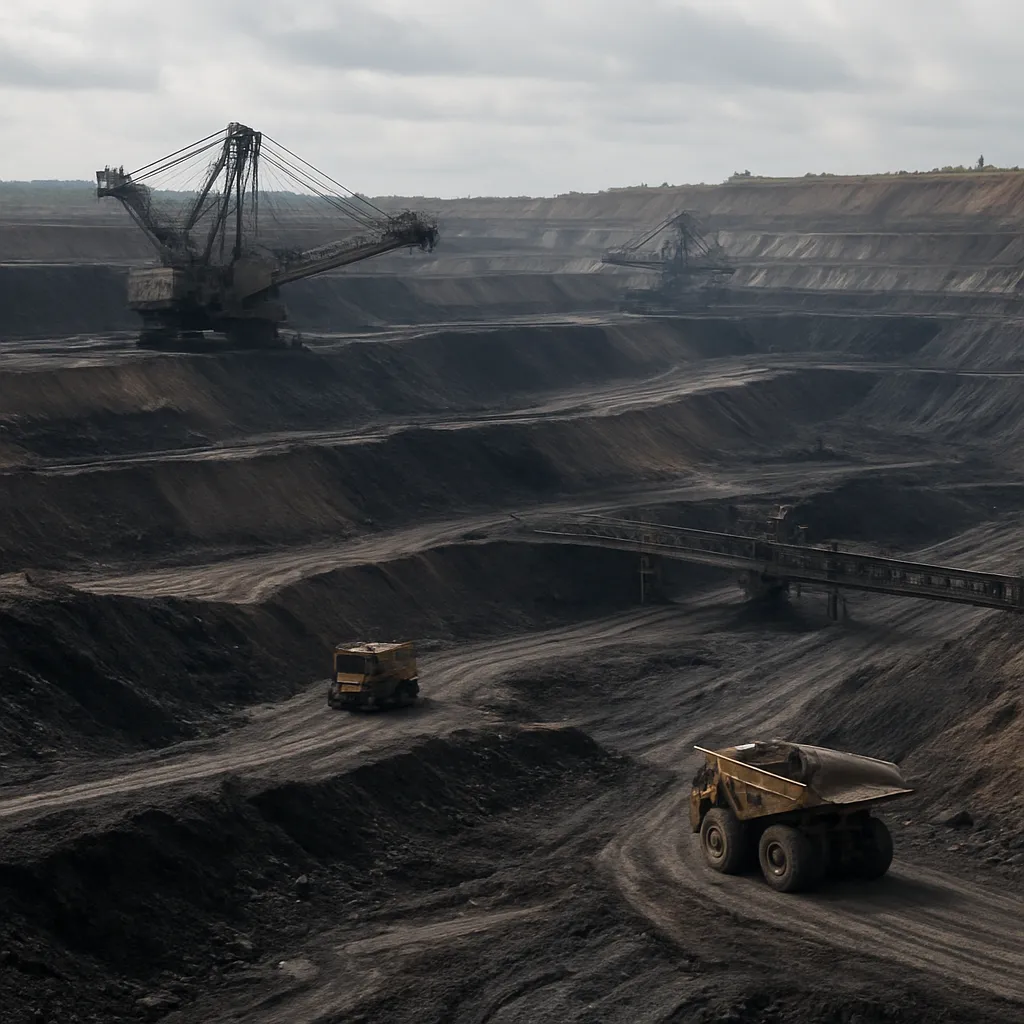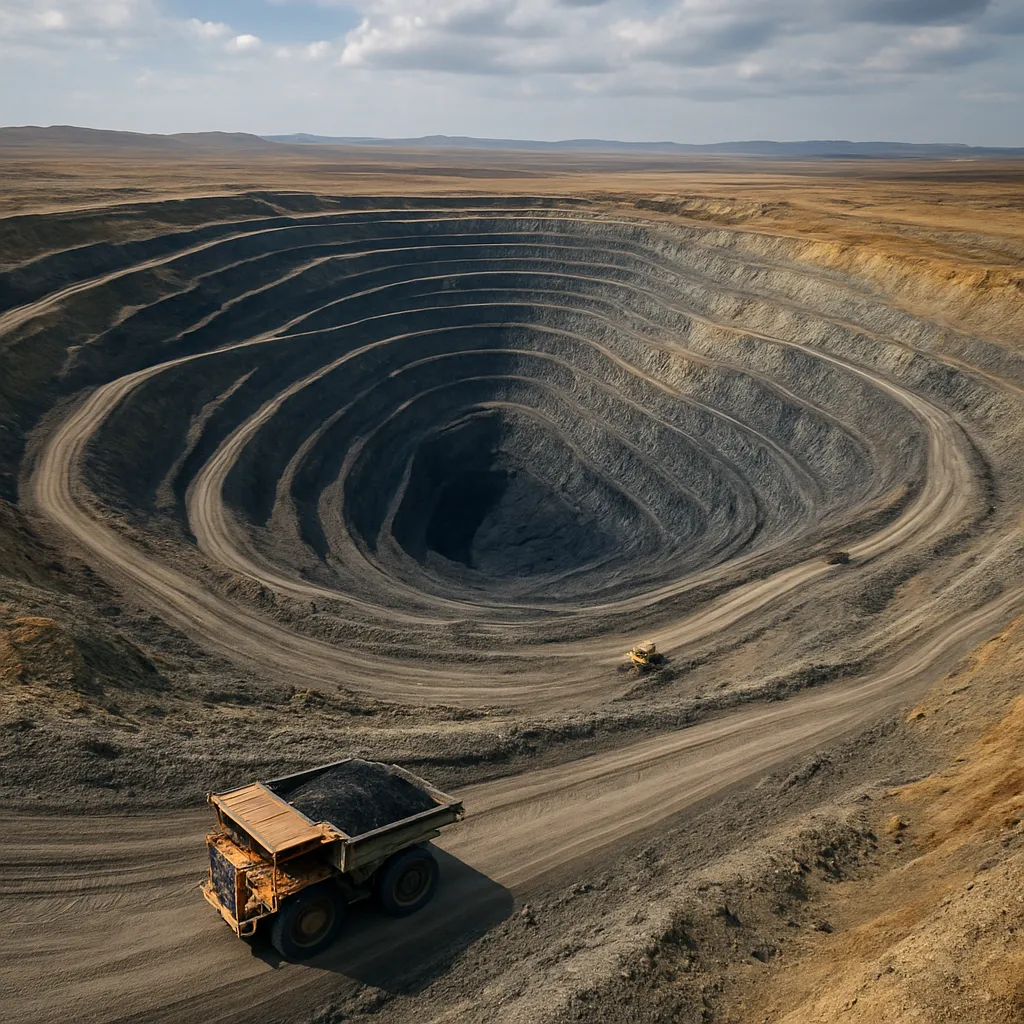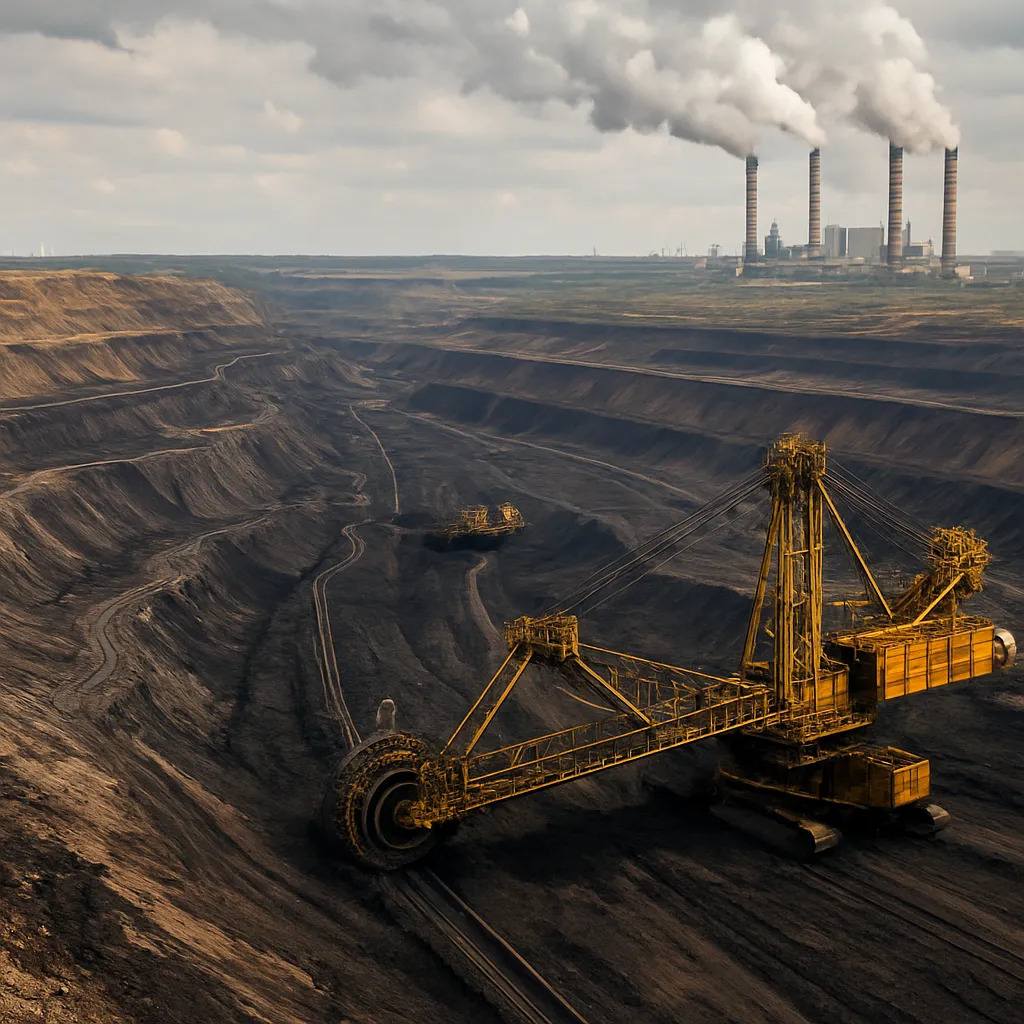
The Osinnikovskaya Mine, located in the heart of Russia’s coal-producing region, is part of the extensive network of mining sites that supply both domestic industries and international markets. This article examines the mine’s location and geological setting, the type and quality of coal recovered, its economic and industrial importance, operational characteristics, environmental and social considerations, and the likely prospects for its future. Where publicly available data are limited for this specific site, the discussion places the mine in the broader context of the Kuznetsk Basin and Russia’s coal industry to provide a comprehensive picture.
Location and geological setting
The Osinnikovskaya Mine is situated in the Kuznetsk Basin, commonly known as Kuzbass, a major coal-bearing region within Kemerovo Oblast in southwestern Siberia. The mine takes its name from the nearby town of Osinniki, part of a cluster of urban settlements and industrial centers that developed around coal extraction in the 20th century. The Kuznetsk Basin is one of the world’s richest coal basins, extending over a large area and containing multiple coal seams of varying depth and thickness.
Geologically, Kuzbass hosts extensive Carboniferous to Permian coal formations. These strata have been subjected to tectonic compression and varied burial histories, producing a range of coal ranks from sub-bituminous to high-volatile bituminous and, in some pockets, coking coal suitable for metallurgical processes. The Osinnikovskaya Mine exploits one or more of these coal seams, typically accessed by underground workings (shaft or drift) rather than open-pit methods in many parts of the basin where seams are deeper.
The mine’s immediate geology includes sequences of sandstones, siltstones, and interbedded carbonaceous layers. Hydrogeological conditions in the region can be complex: aquifers and groundwater inflows are common operational challenges for many Kuzbass mines, requiring careful dewatering and water management systems.
Coal type, quality and mining methods
Coal extracted from mines in the Osinnikovskaya area is generally characterized as bituminous with variable rank and quality depending on seam depth and local geological history. In the Kuzbass Basin, it is common to find coals suitable for both thermal power generation and industrial uses, including some coking grades used in steelmaking. The exact ash, sulfur, and volatile matter contents vary by seam; however, many Kuzbass coals are valued for their relatively low sulfur content compared to some global deposits, making them favorable for both domestic energy and export markets.
Mining methods in the Osinnikovskaya Mine are typically underground, involving a combination of longwall and room-and-pillar systems where geology permits. Longwall mining is widely used in the Kuzbass for its efficiency in recovering continuous seams. Support systems include powered roof supports, conveyor-based haulage, and mechanized shearers or plows. In seams or areas with complex roof conditions or higher gas content, more selective or segmented approaches such as room-and-pillar with retreat mining may be used.
Ventilation is a critical operational parameter. In coalfields with variable methane content, ventilation networks, gas monitoring, and methane drainage measures are essential for safety. Modernization programs in many Russian mines have introduced improved monitoring, remote-controlled equipment, and methane capture systems that both enhance safety and potentially provide an additional energy resource.
Economic importance and regional role
The Osinnikovskaya Mine contributes to the regional economy by supplying coal for thermal power plants, industrial consumers, and, depending on quality and logistics, export markets. The Kuznetsk Basin is a cornerstone of Russian coal production, providing a significant share of the country’s output. While specific public production figures for Osinnikovskaya Mine are limited in open sources, the mine’s role should be viewed within the broader economic framework of Kuzbass, where coal extraction supports:
- Employment for mine workers, engineers, and allied services in mining towns;
- Feedstock supply for metallurgical plants and steel production where coking grades are available;
- Coal for power generation and industrial heating across regional grids;
- Export earnings where coal is shipped to international markets via rail and port infrastructure.
On a national scale, Russia’s coal production in recent years has been on the order of several hundred million tonnes annually (commonly cited ranges are approximately 400–450 million tonnes per year in pre-pandemic and post-2020 periods). The Kuznetsk Basin accounts for a substantial portion—often estimated at roughly half or more—of that total. The economic multiplier effects in Kuzbass are significant: coal revenues support local budgets, infrastructure projects, and social services in mono-industrial towns that developed around mining operations in the Soviet and post-Soviet periods.
Infrastructure, logistics and markets
Efficient transport links are essential for the Osinnikovskaya Mine to move coal from the pithead to end-users. Typical logistics chain elements include:
- Local rail connections to the Trans-Siberian and regional railways that feed major export corridors;
- Access to coal preparation plants and washing facilities to upgrade product quality by reducing ash and improving calorific value;
- Connections to major ports (e.g., Pacific ports for Asian markets and Black Sea or Baltic gateways for European customers), depending on contract structures and logistics strategies;
- Road links for domestic short-haul delivery and emergency access.
For many Kuzbass mines, export markets in Asia—particularly China, South Korea, Japan—and increasingly Southeast Asia have been crucial drivers of demand. Domestic markets remain large as well, with coal powering thermal power plants, providing coking feedstock for metallurgical plants, and serving as a backup and balancing fuel for energy systems.
Employment, social context and local communities
Coal mines like Osinnikovskaya historically underpin local communities. Employment extends beyond miners to include maintenance crews, administrative staff, logistics personnel, and service-sector workers in towns such as Osinniki. The social fabric of these towns is closely linked to the fortunes of the mine: fluctuations in coal demand, prices, or production policies can have direct consequences on local economic stability and population trends.
Mining companies and regional authorities typically provide local amenities and social infrastructure—housing, schools, medical care, and recreational facilities. In recent decades, there has been growing emphasis on workforce retraining, occupational health programs, and community development projects intended to diversify local economies that were previously dependent on a single industry.
Environmental and safety considerations
Coal mining carries inherent environmental and safety challenges. For an underground operation such as Osinnikovskaya, primary concerns include:
- Subsidence of surface land due to underground extraction;
- Management of mine water and potential contamination of surface and groundwater;
- Dust generation and air quality impacts for nearby communities;
- Greenhouse gas emissions both from combustion of coal downstream and from methane released at the mine site;
- Tailings and waste rock disposal after coal preparation processes, affecting soil and water if not properly managed.
Safety is a priority in underground coal operations. Russian mines have made significant progress in adopting modern safety technologies—improved methane monitoring, ventilation optimization, remote control of cutting equipment, and better emergency response systems. Nonetheless, historical incidents in the broader Russian coal sector underscore the need for continuous investment in safety culture and equipment.
Regulation, ownership and investment
Mining operations in Russia operate under federal and regional regulatory frameworks that govern resource extraction, environmental protection, labor standards, and taxation. Ownership structures in Kuzbass range from state-influenced companies to large private mining corporations, and joint ventures with domestic or foreign investors. Investment trends in the sector are influenced by global coal prices, domestic energy policy, export demand, and the financing environment.
Modernization programs often focus on mechanization, digitalization (mine automation, remote monitoring), and environmental controls (wastewater treatment, dust suppression). These investments can raise production efficiency, improve safety, and reduce environmental impacts, but they also require significant capital and skilled labor.
Statistical context and data availability
Publicly available, site-specific statistics for individual mines like Osinnikovskaya are not always consistently published in English-language sources. However, placing the mine within regional metrics helps understand its likely scale and impact:
- Russia’s annual coal production in recent years has typically been in the range of about 400–450 million tonnes, with variability depending on market conditions and domestic demand.
- The Kuznetsk Basin is responsible for a large share of national output—often reported as roughly half or more—making it the country’s most important coal-producing region.
- Employment in the coal sector in Kuzbass historically numbered in the hundreds of thousands across the region, though individual mine headcounts vary widely depending on mechanization levels.
- Coal exports from Russia have been significant, with major destinations including Asian buyers. Logistics choices (e.g., use of Pacific versus Black Sea ports) affect the competitive positioning of Kuzbass coal on different markets.
For precise figures such as annual tonnage, seam thickness, or workforce size for Osinnikovskaya Mine specifically, it is advisable to consult official mine reports, company disclosures, or regional statistical yearbooks published by Kemerovo Oblast authorities or the operating company. Many larger mining companies publish periodic sustainability and production reports that contain site-level or consolidated figures.
Industrial significance and technological trends
Osinnikovskaya Mine’s industrial significance stems from its role in supplying feedstock for regional industry and for exportable coal products. Coal remains a key input for steelmaking (when coking coals are present) and for power generation. Technological trends shaping the mine’s operation and the broader sector include:
- Mechanization and automation of underground operations to increase productivity and reduce worker exposure to hazardous conditions;
- Digitization, including mine management systems, real-time monitoring of geotechnical and gas conditions, and logistics optimization;
- Methane capture and utilization programs—to both reduce greenhouse emissions and create additional energy value streams;
- Improved coal washing and beneficiation to produce higher-value products with lower ash and better calorific value for customers that demand cleaner fuel;
- Environmental mitigation technologies for water treatment, dust control and rehabilitation of post-mining landscapes.
Historical background and future outlook
The Osinnikovskaya Mine, like many sites in Kuzbass, emerged as part of the rapid industrialization and resource development carried out during the Soviet era. Towns like Osinniki expanded as mining operations grew, creating regional centers of labor and industrial know-how. Over decades, mines have transitioned from labor-intensive methods to more mechanized systems, and many underwent ownership and operational changes during the post-Soviet privatization and consolidation phases.
Looking ahead, the mine’s prospects will depend on multiple factors: global coal demand (particularly in Asia), domestic energy policy in Russia, investment in mine modernization, and the region’s ability to manage environmental and social challenges. Diversification of local economies, investment in worker retraining, and adoption of cleaner technologies will influence how stable and sustainable the mine’s operations remain in the medium to long term.
Interesting facts and context
- The Kuznetsk Basin is one of the top coal-producing regions in the world, with a complex of hundreds of mines that vary from small drift mines to large, highly mechanized producers. Osinnikovskaya is one piece of this industrial mosaic.
- Coal from Kuzbass serves both heavy industry (including steelmaking) and electricity generation, making the region strategically important for Russian industrial policy.
- Many mines in the region have been integrating methane capture schemes. Methane, a potent greenhouse gas, when captured can be used to generate electricity or converted to pipeline gas—an environmental and economic opportunity.
- Local mining culture has produced a distinct social and architectural landscape: company-built housing, cultural centers, and monuments that reflect the centrality of mining to community identity.
Conclusion
The Osinnikovskaya Mine is embedded in a region of major importance to Russia’s coal industry. While specific mine-level statistics are not always publicly available, the mine’s geological setting in the Kuznetsk Basin, its likely production of bituminous and possibly coking coal, and its integration into regional infrastructure make it significant for local employment, regional economies, and national energy and industrial supply chains. Challenges around environmental management, safety, and long-term economic diversification are shared across many mining towns in Kuzbass, and the future of the Osinnikovskaya Mine will be shaped by market demand, technological modernization, and policy choices that balance economic value with social and environmental responsibilities.