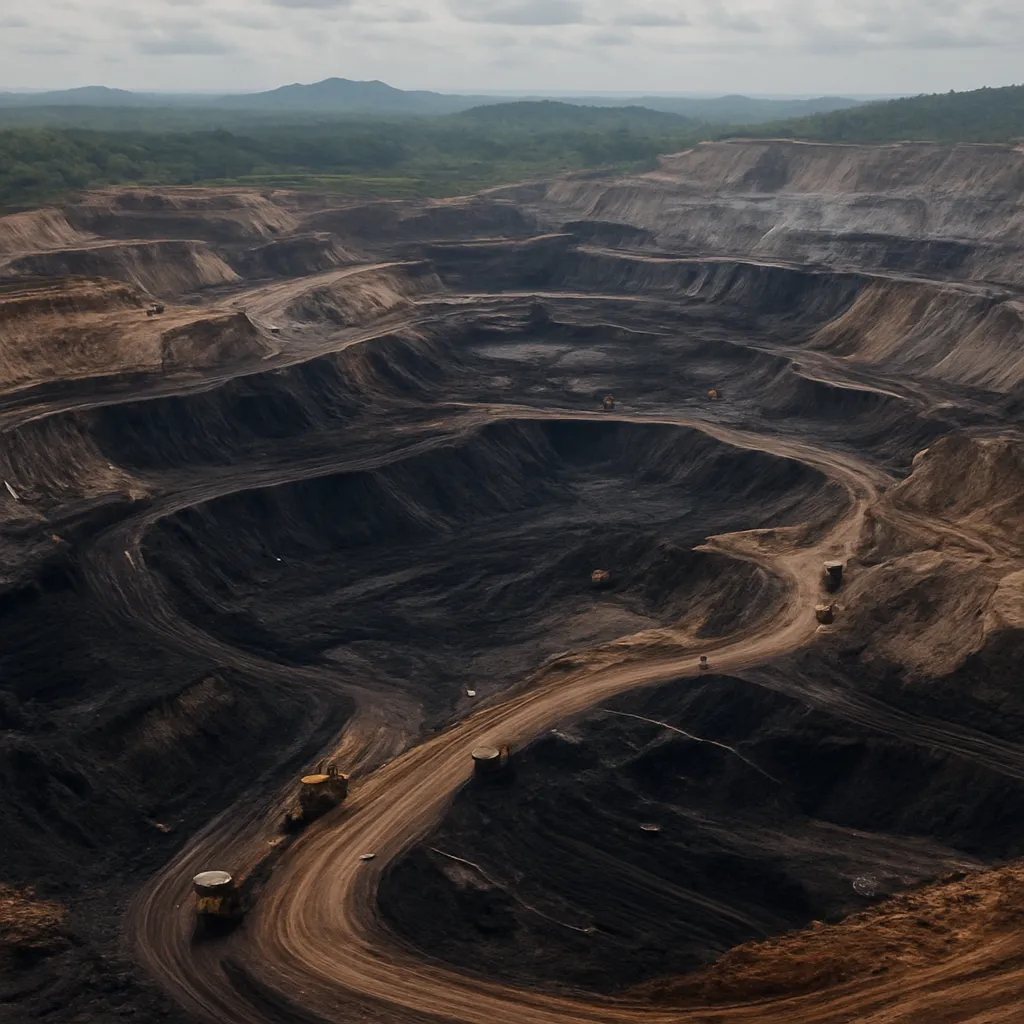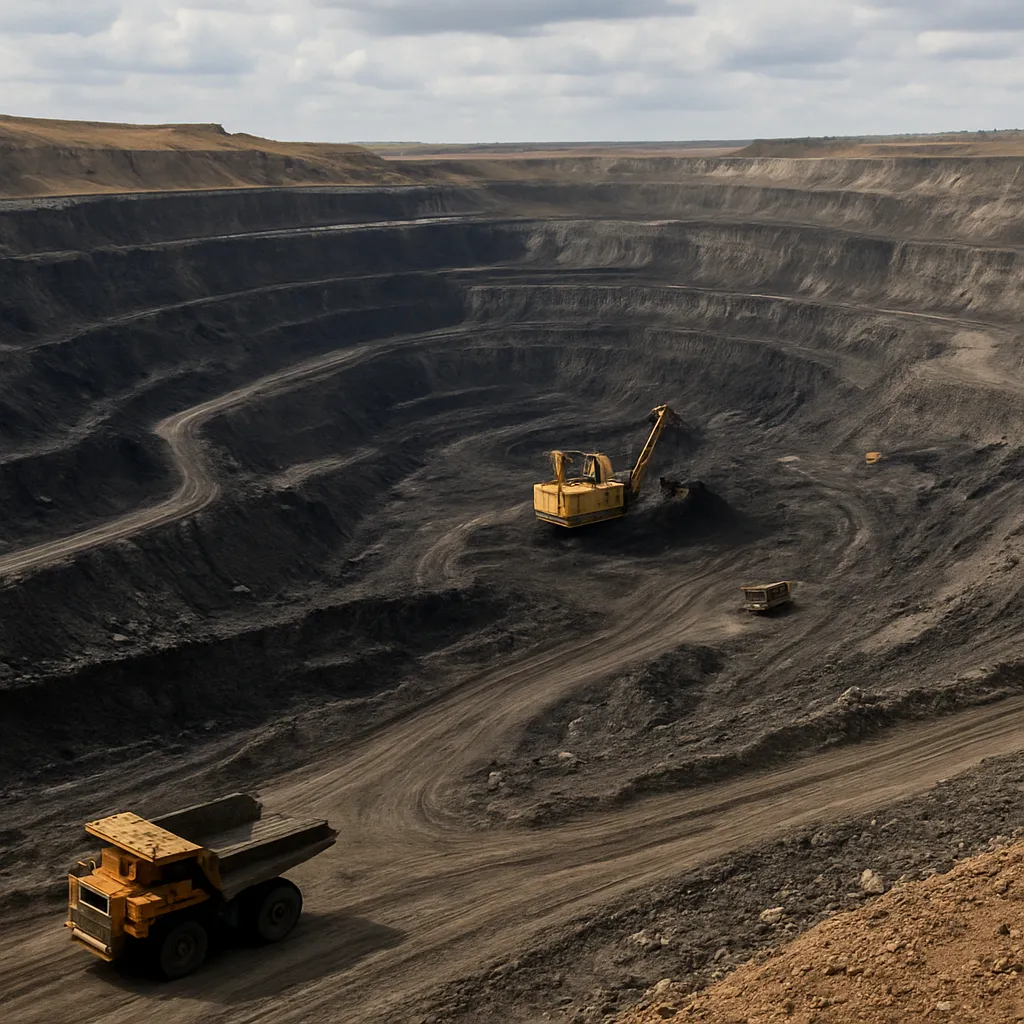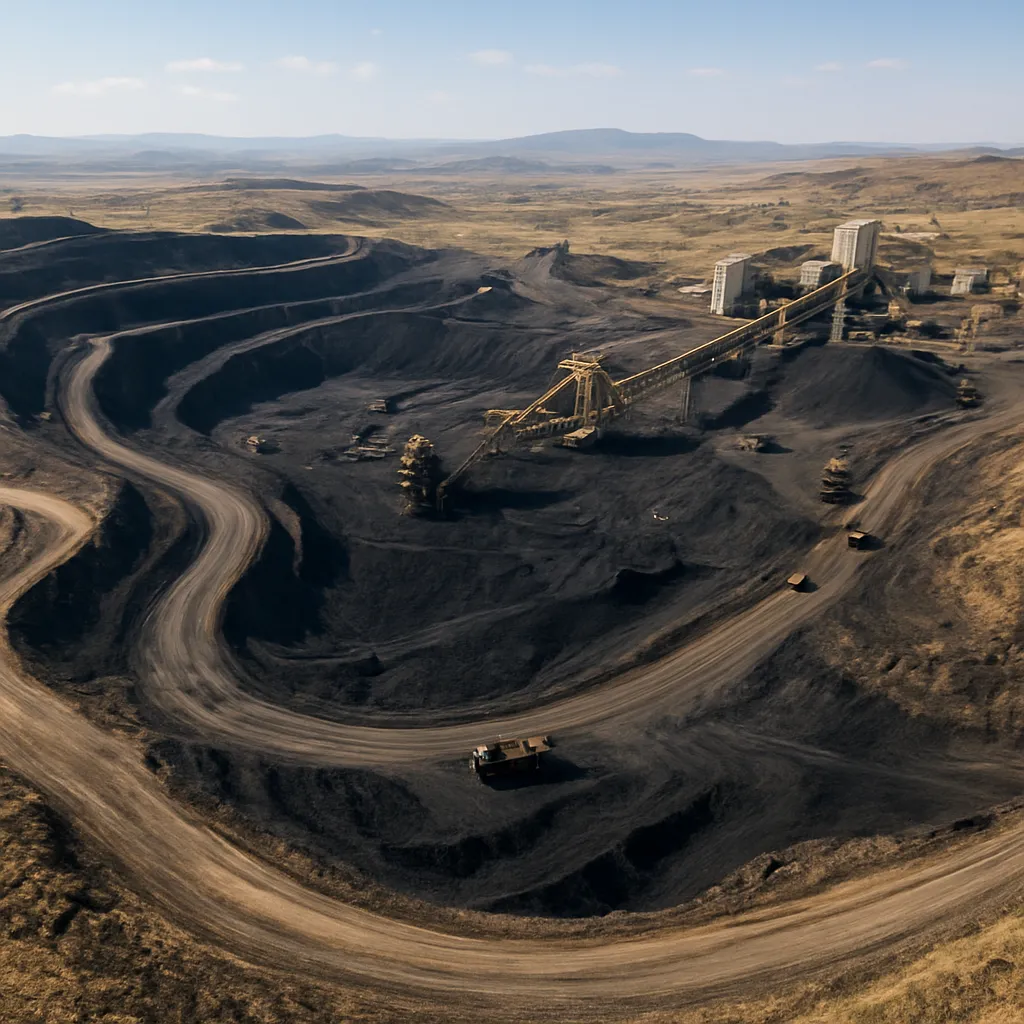
The Optimum Coal Mine, located in South Africa’s rich Highveld coalfields, is one of the better-known coal operations in the Mpumalanga/Ogies region. This article summarizes its location, geological characteristics, the type of coal mined, operational and economic data, social and industrial significance, environmental considerations, and prospects for the future. Where exact figures are not universally available, ranges and qualified estimates are given. The text highlights the mine’s role in the broader South African coal sector and its links to power generation, local economies, and export markets.
Location, Geology and Mineral Characteristics
The Optimum Coal Mine is situated in the central-eastern part of South Africa, within the Mpumalanga province, a region that hosts much of the country’s coal resources. The mine is part of the Witbank/Mpumalanga coal basin, historically one of South Africa’s most productive coalfields. The basin is characterized by thick, extensive Carboniferous-Permian coal-bearing strata laid down in fluvio-deltaic environments.
The coal produced at Optimum is primarily thermal coal, typical of the Highveld deposit profile. This coal is generally classified as bituminous to sub-bituminous, with moderate sulfur and variable ash contents depending on the seam and wash plant processing. Typical calorific values for coal from this coalfield often fall in the approximate range of 18–25 MJ/kg, making it suitable for power generation in utility boilers and some industrial applications.
Geologically, the mine exploits relatively shallow to moderately deep seams that are laterally extensive. Local geological features—faults, seam splits, and variable banding—affect extraction methods and coal quality. The presence of inert rock bands and roof conditions also influences mining design and the choice between underground and opencast operations in the area.
Mining Methods, Processing and Logistics
In common with many operations in the region, Optimum’s mining methods and processing techniques aim to maximize recovery while managing ground stability and operating costs. Depending on the specific sections of the operation, the mine has historically used a combination of mechanized underground methods (such as bord-and-pillar or room-and-pillar) and surface mining where conditions permit. The coal is then processed in wash plants to reduce impurities and improve calorific value for end-users.
- Extraction and mechanization: mechanized cutting, shuttle cars, and conveyor systems are typical for underground sections, while draglines and truck-and-shovel fleets are common for opencast sections in the region.
- Coal preparation: washing and screening reduce ash and separate coal into saleable grades for domestic power utilities and export markets.
- Logistics: the mine relies on access to regional rail infrastructure and road transport for delivery to power stations (notably Eskom), local industry, and export terminals when coal is destined for overseas markets.
Production, Economic Output and Employment
Precise production figures for Optimum vary over time with changes in ownership, market demand, and operational stability. Historically, coal mines of similar scale in the Mpumalanga region have produced from under a million tonnes per year up to several million tonnes annually. Optimum has been reported at times to operate in the multi-million tonne-per-year range, though output can fluctuate with operational constraints.
The mine contributes to local and national economies in several ways:
- Employment: coal mines in the region commonly employ hundreds to thousands of workers when including direct and indirect jobs (contractors, transport, services). Optimum has been an important local employer, providing both skilled and unskilled mining jobs and sustaining associated local businesses.
- Fiscal contributions: through royalties, taxes, and wages, Optimum supports municipal and national revenue streams. Royalties are typically calculated as a percentage of mineral value, while corporate taxes and payroll taxes further contribute to government revenue.
- Supply to power sector: the mine supplies coal that supports electricity generation, which in turn underpins industrial activity and household energy needs.
To illustrate the economic scale, consider that a mid-sized South African coal mine producing around 2–5 million tonnes per year is typically associated with annual revenues in the tens to hundreds of millions of US dollars (depending on coal quality and market prices), while providing direct employment for several hundred to over a thousand people. These figures are indicative and depend on market dynamics and operational performance.
Role in the South African Coal Industry and Power Generation
Optimum occupies a strategic position within South Africa’s coal industry by contributing to the feedstock for thermal power generation. The national utility, Eskom, relies heavily on domestic coal, and mines in Mpumalanga form the backbone of South Africa’s coal-to-power value chain. Supply stability from mines like Optimum is therefore critical to national energy security.
Beyond domestic power, coal from the Highveld region has historically served export markets, mainly in Asia and Europe, either directly or after beneficiation. The competitive quality of this coal—combined with logistics to rail and port—determines the balance between domestic supply commitments and export opportunities.
Corporate Ownership, History and Market Position
Over time, Optimum has experienced changes in ownership and corporate structure, as is typical for many mid- to large-scale mining assets. Ownership transitions reflect strategic decisions by investors, regulatory developments, and operational performance. The mine’s market position has been shaped by its resource base, proximity to key customers, and its ability to manage costs and environmental obligations.
In the South African context, ownership and management of coal assets can be sensitive topics due to the mine’s significance for employment, regional development, and national energy. Responsible operators must therefore balance profitability with social license to operate, safety, and environmental compliance.
Environmental Performance and Community Impact
Coal mining carries environmental impacts that must be managed proactively. Typical areas of concern around Optimum and similar operations include:
- Land disturbance and rehabilitation: opencast areas alter landscapes and require progressive rehabilitation to restore land after mining.
- Air quality and dust: coal handling, transport, and blasting can generate dust that affects nearby communities and vegetation.
- Water management: mine water, runoff, and possible contamination of surface and groundwater are critical issues; correct management includes treatment plants, containment, and monitoring.
- Greenhouse gas emissions: coal mined for power contributes to CO2 emissions when burned; methane released during mining is also a potent greenhouse gas that requires capture or mitigation where feasible.
Community relations are central to the mine’s long-term prospects. Employment, procurement from local businesses, support for local infrastructure (roads, clinics, schools), and transparent engagement with stakeholders are essential to maintain the social license to operate. Social programs and training initiatives can enhance local benefits beyond direct employment.
Safety, Regulation and Compliance
Safety in South African coal mining is governed by national legislation and overseen by regulatory agencies. Mines operating in Mpumalanga must comply with occupational health and safety standards, environmental permits, and mining rights conditions. Continuous monitoring of workplace conditions, proper mine design, training, and emergency preparedness are prioritized to reduce incidents and improve outcomes for workers and communities.
Regulatory compliance also includes reporting on production, employment, environmental performance, and rehabilitation liabilities. Non-compliance can result in fines, suspension of operations, or stricter enforcement actions, which can materially affect a mine’s economic viability.
Statistics, Estimates and Market Indicators
While exact, up-to-date production statistics for Optimum in a given year may be subject to change and dependent on public disclosures, the following contextual indicators help understand the mine’s scale and market environment:
- Regional coal production (Mpumalanga/Witbank basin): historically accounts for a dominant share of South Africa’s annual coal production, often totaling several hundred million tonnes collectively across many mines.
- Mine-level production: mid-sized mines in the basin commonly produce in the range of 1–6 million tonnes per year; Optimum has at times been reported in the multi-million tonne category, with output tied to operational stability and market demand.
- Employment: direct workforce numbers for a mid-to-large coal mine often range from several hundred to over a thousand employees, with contractors increasing total workforce exposure.
- Coal quality: calorific values for Highveld coals typically range ~18–25 MJ/kg; ash and sulfur contents vary by seam but are significant drivers of pricing and market segmentation.
- Market prices: thermal coal prices are volatile and influenced by global demand, power sector requirements, and logistical constraints; price swings directly affect mine revenue and investment decisions.
Because annual data can shift rapidly with changes in management, labour relations, and capital investment, readers seeking precise current figures should consult the mine’s most recent public disclosures, industry reports, or government mining statistics.
Challenges and Opportunities
Optimum faces a mix of general industry challenges and location-specific opportunities:
- Challenges
- Market volatility in coal prices and competition from alternative energy sources.
- Rising environmental and carbon constraints that may reduce long-term demand for thermal coal.
- Infrastructure bottlenecks—rail and port capacity can limit export volumes and increase costs.
- Community expectations and regulatory scrutiny around environmental and social performance.
- Opportunities
- Upgrading and beneficiation to produce higher-quality saleable products that command better prices.
- Investment in methane capture and water treatment technologies to reduce environmental footprint and create new revenue streams (e.g., gas-to-power).
- Local content initiatives and skills development that strengthen social license and improve operational efficiency.
Future Outlook and Strategic Considerations
The near-term outlook for Optimum depends on the interplay between South African electricity demand, domestic procurement policies (notably Eskom’s contracting), global coal price cycles, and the mine’s operational health. Strategically, diversifying product lines (e.g., producing higher-calorific export coal and specialized industrial grades), improving efficiency, and meeting environmental standards will be crucial for resilience.
In the longer term, the mine will need to navigate the global energy transition. Even as utility-scale coal demand may decline in some markets, transitional needs in emerging economies and regional power systems could sustain demand for several years. Mines that can reduce emissions intensity, demonstrate strong environmental rehabilitation plans, and maintain positive community relations will be better positioned to compete for the remaining market.
Interesting Facts and Broader Significance
Some notable points about Optimum and its context within the South African coal sector:
- Regional significance: operations in Mpumalanga are central to South Africa’s energy system; any medium-sized mine contributes materially to local employment and municipal revenue.
- Value chain role: coal from mines like Optimum feeds a broad value chain—from rail and port logistics to power plants and industrial users—supporting thousands of ancillary jobs.
- Technological adaptation: opportunities exist to adopt cleaner mining and processing technologies to reduce the environmental footprint while maintaining profitability.
- Community development: sustainable projects in education, health and local procurement can amplify the socio-economic benefits of mining operations.
Overall, Optimum Coal Mine exemplifies the complex role of coal assets in South Africa: it is a source of energy and economic activity, a focal point for environmental and social challenges, and a business that must adapt to shifting market and regulatory landscapes. Its future will be shaped by the mine’s ability to manage production, innovate in environmental management, and meet the evolving needs of the national and international coal markets.