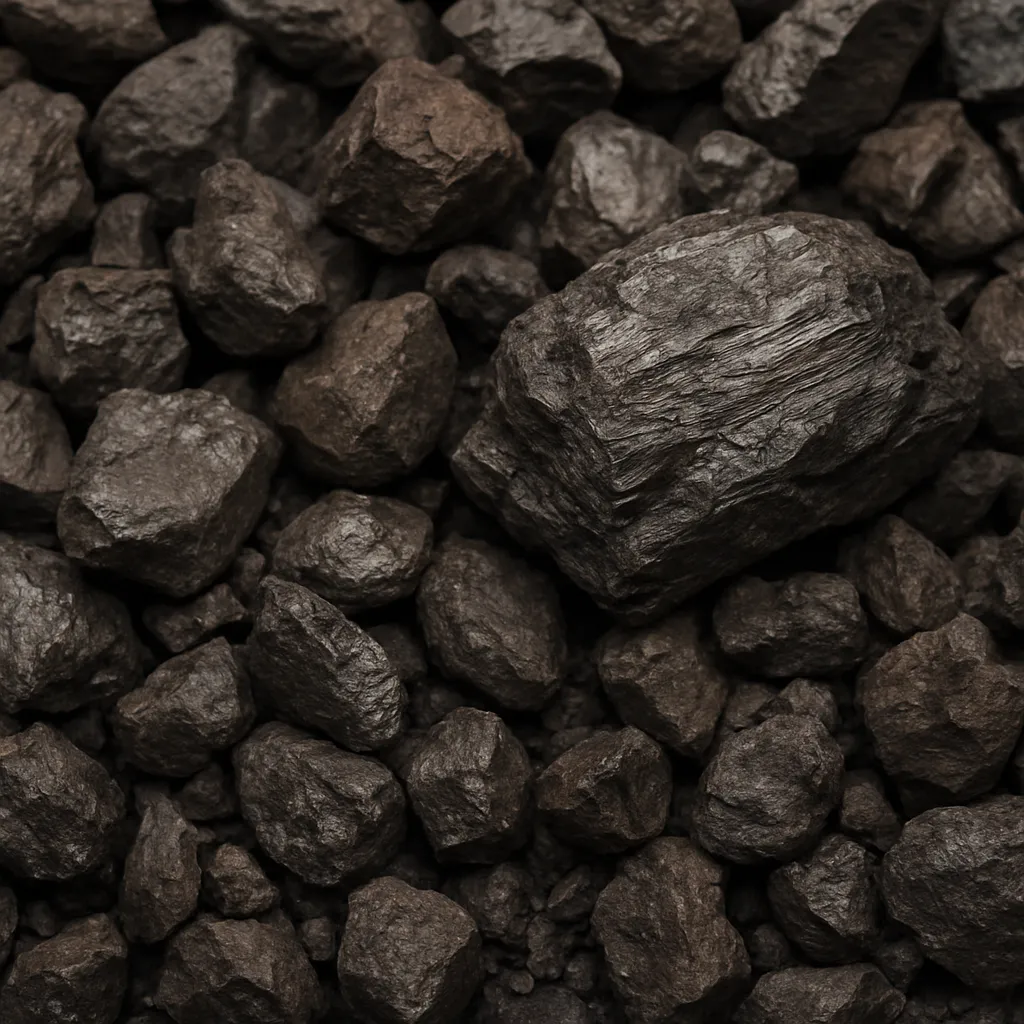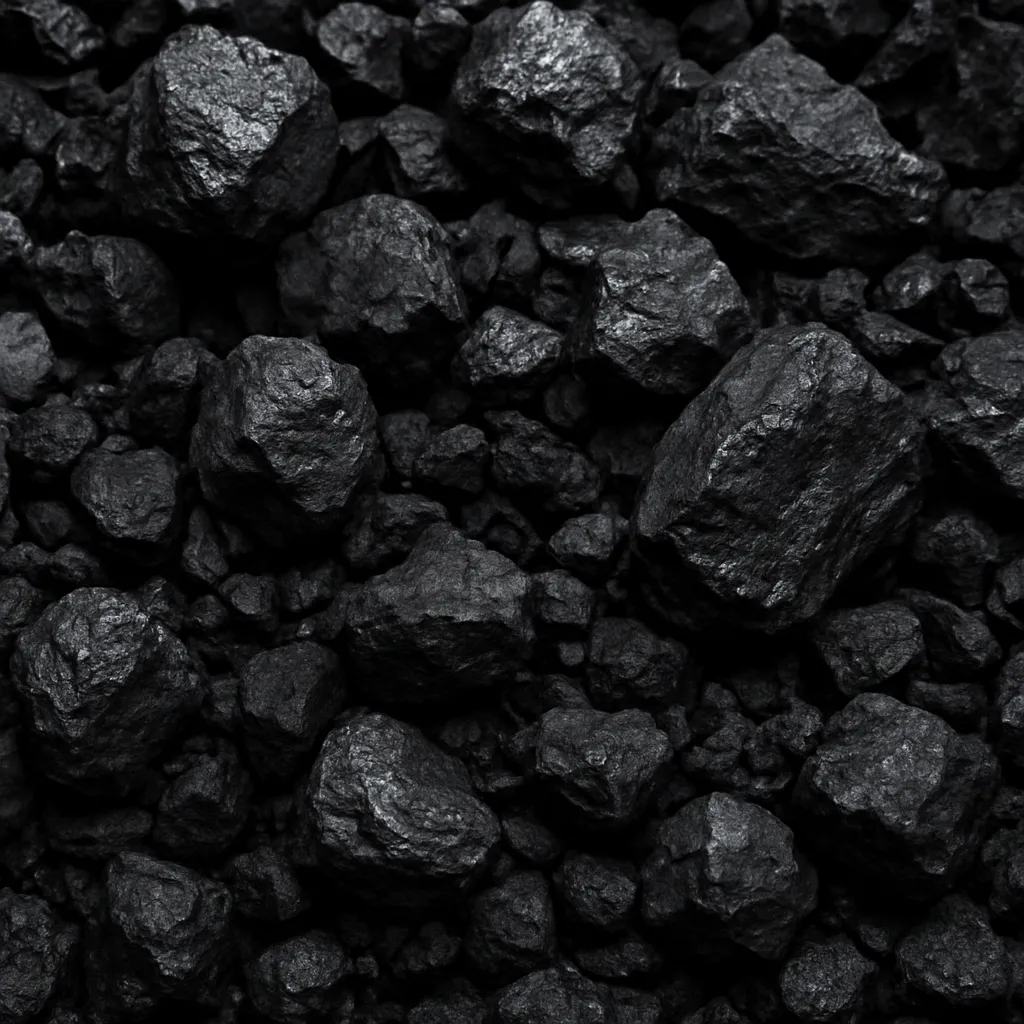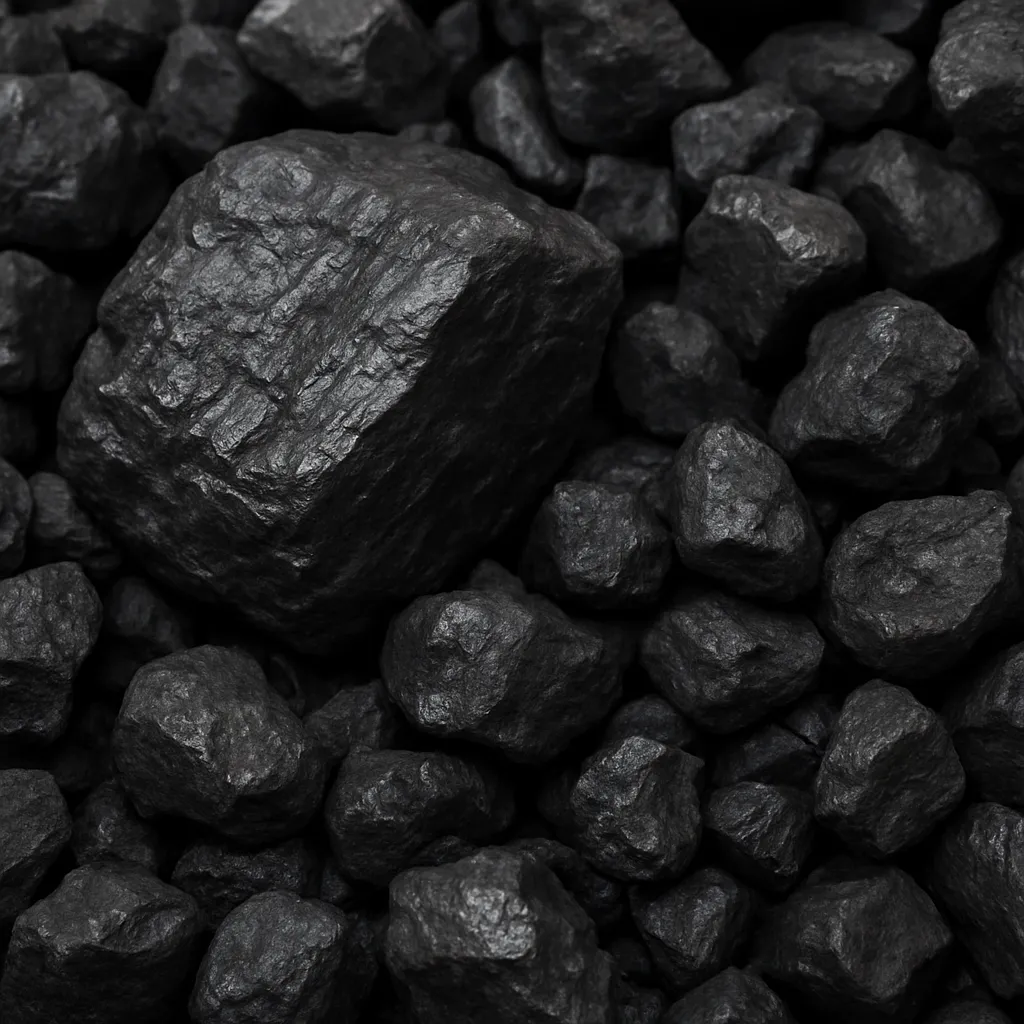
Deep-cleaned coal is an engineered product of coal preparation and upgrading processes designed to remove impurities and improve fuel properties. Over the past decades, advancements in coal washing, beneficiation and chemical deashing have produced coals that burn cleaner, have higher heating value and meet increasingly strict industrial and environmental specifications. This article examines what deep-cleaned coal is, where it occurs and is produced, the technologies and economics behind it, relevant statistics, its role in industry—particularly in power generation and metallurgy—and the technological and regulatory trends that will shape its future.
What is deep-cleaned coal and how is it different from conventional coal?
At its core, deep-cleaned coal refers to coal that has undergone extensive physical and/or chemical processing to remove mineral matter and undesirable compounds such as sulfur, heavy metals and ash-forming material. While raw run-of-mine coal often contains varying proportions of rock, soil, shale and other contaminants, deep-cleaned coal has been treated to achieve a significantly higher level of purity.
- Physical cleaning (beneficiation) uses techniques such as dense-media separation, jigging, spirals, flotation and hydrocyclones to separate mineral matter from organic carbon based on differences in density and surface properties.
- Chemical and thermal processes (e.g., solvent extraction, chemical deashing, mild gasification) can further reduce volatile contaminants and lower ash and sulfur contents.
- Advanced milling and screening, combined with blending strategies, allow producers to deliver consistently specified products (e.g., low-ash thermal coal or low-sulfur metallurgical coal).
Deep-cleaned coal therefore differs from conventionally washed coal by the intensity of treatment and the resulting fuel properties. Typical performance improvements include a higher calorific value per tonne, lower ash yield, reduced sulfur and trace metals, and improved combustion characteristics (e.g., lower slagging and fouling tendency in boilers).
Geological occurrence and feedstock: where does deep-cleaned coal come from?
The starting material for deep-cleaned coal is the same coal seams mined worldwide: anthracite, bituminous, sub-bituminous and lignite, depending on local geology. The suitability of a coal for deep cleaning is influenced by its maceral composition, rank, the nature of the mineral matter and seam geology.
- Bituminous and sub-bituminous coals, common in major coal basins, are frequently processed for deep cleaning because they are extensively used in power generation and industry and often contain beneficiable mineral matter.
- Metallurgical (coking) coal—used in steelmaking—often receives intensive cleaning to meet coke quality specifications (low ash, low sulfur, appropriate volatile matter).
- Lignite and low-rank coals can be deep-cleaned but frequently require drying or other upgrading steps due to high moisture, in addition to standard beneficiation.
Major coal basins that supply material for deep-cleaning operations include, among others, the Bowen Basin (Australia), the Appalachian Basin (USA), the Kuznetsk Basin (Russia), the Upper Silesian and Lublin basins (Poland), the South African Karoo and Highveld regions, and the large mining provinces of China and India. Coal cleaning and beneficiation plants are often located close to large mines or at export terminals where product specification is critical.
Mining, processing and technologies used in deep-cleaning
Deep-cleaned coal results from an integrated chain of mining, preparation and additional upgrade technologies. Key processing steps and technologies are:
- Preparation plants: Conventional coal preparation plants include crushing, screening and coarse separation (dense medium cyclones, jigs). These remove the bulk of rock and coarse mineral contaminants.
- Fine coal cleaning: For fine-size fractions, froth flotation, spirals and hydrocyclone circuits remove fine mineral matter that would otherwise increase ash content.
- Advanced deashing: High-intensity methods such as centrifugal concentrators, glass bead separators and column flotation can produce ultra-low-ash coal suitable for specialty markets.
- Chemical and thermal upgrading: Solvent extraction, mild pyrolysis or low-temperature oxidation can remove organosulfur compounds and volatile impurities, raising heating value per unit mass.
- Drying and briquetting: Low-rank coals are often dried and densified to improve energy density and handling characteristics; briquetting may be used to produce uniform fuel for industrial users.
- Quality control and blending: Real-time analyzers, ash and sulfur monitors, and automated blending ensure that product specifications are consistently met.
The economics of deep cleaning depend on feed quality, local energy and water costs, capital and operating expenditures for processing plants, and the market premium for higher-quality coal. For coking coal destined for steel mills, the premium for low-ash, low-sulfur feedstock can easily justify intensive cleaning. For thermal coal used in power plants, the incentives depend on emissions regulations and the cost of alternative abatement (e.g., flue gas desulfurization).
Global production, reserves and economic statistics
The global coal industry remains significant despite the energy transition; however, patterns of production, consumption and trade are evolving. Below are representative statistical snapshots and economic indicators (figures are approximate and reflect the period around 2020–2023; users should consult the latest datasets for up-to-date numbers).
- Global production: World coal production (hard coal and lignite combined) has been on the order of 7–8 billion tonnes per year in recent years. China is by far the largest producer, accounting for roughly 45–55% of the global total in many recent years.
- Major producing countries: China (~3.5–4.0 Gt), India (~1.0–1.2 Gt), the United States (~500–750 Mt), Indonesia (~600–700 Mt, largely thermal and export-focused), Australia (~500–600 Mt), and Russia (~350–450 Mt) are among the leading producers.
- Reserves: Global proven recoverable coal reserves are commonly reported in the range of 1,000–1,200 billion tonnes. These reserves are geographically concentrated: the United States, Russia, Australia, China and India hold very large shares of global reserves.
- Trade and seaborne markets: Seaborne thermal coal trade is dominated by Indonesia and Australia as suppliers, while major importers include China, Japan, South Korea and countries in Southeast Asia. Metallurgical coal (coking coal) has a distinct seaborne market with Australia and the United States as major exporters.
- Economic value: The global coal market value fluctuates widely with energy prices, policy interventions and demand. Value-added from beneficiation and deep-cleaning increases product prices because buyers pay premiums for consistent low-ash, low-sulfur, high-calorific fuels.
Specific statistics for the deep-cleaned coal segment are less commonly published as a discrete dataset, because deep-cleaned product volumes are typically reported within broader categories (washed coal, metallurgical coal, premium thermal coal). However, industry reports indicate that a substantial share of export-quality thermal and metallurgical coal is processed in preparation plants to meet buyer specifications—often exceeding 50% in regions serving international markets.
Economic and industrial importance
Deep-cleaned coal plays several economic and industrial roles:
- Power generation: Utilities in regions with strict emissions standards prefer low-ash, low-sulfur coal to reduce operating costs associated with ash handling and flue-gas cleaning. Deep-cleaned coal can extend plant life and reduce maintenance and compliance costs.
- Steel industry: Metallurgical coal used in coke production demands strict quality. Deep cleaning ensures consistency in coke reactivity and strength—critical parameters in blast furnace performance.
- Export markets: Coal exporters add value by offering specifications tailored to buyers (ash, sulfur, moisture). Deep-cleaned coal typically commands a higher price on international markets.
- Industrial users: Cement plants, chemical producers, and industrial boilers often require controlled fuel quality to manage process efficiency and emissions.
Economic impacts also include employment (mining operations, preparation plants, logistics), capital investment in processing infrastructure, and regional development around mining districts. Conversely, the cost of deep cleaning (capital and operating) can be a barrier for smaller mines or in regions where the market does not offer sufficient premium for upgraded product.
Environmental and regulatory context
Deep cleaning of coal addresses some environmental issues associated with coal combustion, but it is not a panacea for greenhouse gas emissions. Key environmental aspects include:
- Reduction of SOx and particulate emissions: Lower sulfur and ash content translate directly to lower sulfur dioxide emissions and fewer particulates during combustion, which helps meet air quality standards and reduces the load on flue gas treatment systems.
- Trace metals: Beneficiation can lower concentrations of some trace elements (e.g., mercury, arsenic), though removal efficiencies vary and are often incomplete.
- CO2 emissions: Because deep-cleaned coal has higher energy per unit of mass, CO2 emissions per tonne of coal burned may change, but CO2 emitted per unit of energy (per GJ) is not significantly reduced unless carbon content is lowered proportionally. Therefore, deep-cleaning alone does not substantially reduce lifecycle CO2 without complementary measures (e.g., carbon capture and storage).
- Water and waste: Coal washing consumes water and produces coal washery rejects (rock and shale), which require disposal and management; modern plants use closed-loop water systems and reject management strategies, but these remain environmental considerations.
Regulatory drivers such as emissions limits for sulfur dioxide, particulate matter, and trace metals create demand for cleaner coal products. In regions where emissions regulations are strict and enforcement strong, the market for deep-cleaned coal is correspondingly larger. Additionally, corporate sustainability commitments and buyers’ quality assurance requirements (particularly for steelmakers) encourage the use of higher-quality feedstock.
Market dynamics and price implications
The price premium for deep-cleaned coal depends on the buyer’s needs and the alternative compliance costs. Examples of market dynamics include:
- Power plants facing high costs for flue-gas desulfurization (FGD) equipment may find it cheaper to pay a premium for low-sulfur coal. Thus, a plant’s marginal abatement cost curve determines whether it prefers cleaner coal or post-combustion treatment.
- Steelmakers pay premiums for low-ash coking coal because better coke quality improves furnace efficiency and lowers coke consumption.
- Exporters that invest in preparation plants can access premium markets (e.g., Japanese and South Korean utilities and steelmakers historically paid higher prices for consistent, low-ash imports).
- During periods of tight supply (e.g., market disruptions), higher-quality coals can see heightened demand and larger price differentials.
Operational costs for deep cleaning include energy, water, reagents (for flotation), disposal of rejects and capital amortization. Where energy and water are inexpensive and product premiums high, deep-cleaning economics are favorable. In contrast, tight margins can render deep cleaning uneconomic for marginal mines.
Technological innovations and future prospects
Several technological trajectories influence the future of deep-cleaned coal:
- Automation and real-time monitoring: Automated control systems, online analyzers and machine learning improve yield and product consistency while reducing operating costs.
- Advanced separation technologies: Development of more efficient fine-coal recovery systems and low-energy separation technologies reduces the volume of rejects and recovers more value from lower-grade feeds.
- Chemical and biological methods: Research into solvent-based deashing, mild hydroconversion and bio-based treatments aims to remove organosulfur and mineral matter more completely, potentially yielding ultra-clean coals for niche uses.
- Integration with carbon management: Combining deep-cleaning with carbon capture technologies at the combustion or conversion stage offers a pathway to significantly lower lifecycle emissions for specific applications where inertia or economics favor continued coal use (e.g., some industrial heat processes and certain steelmaking routes).
- Resource efficiency: Improved reclamation and reuse of coal washery rejects (e.g., as feedstock for cement or as fuel after drying and briquetting) can reduce environmental footprint and create additional revenue streams.
These innovations are likely to make deep-cleaned coal more competitive where demand persists, but they will not eliminate the broader policy and market pressures driving decarbonization and fuel switching in many economies.
Case studies and regional examples
Several regions illustrate how deep-cleaned coal fits into local and global markets:
- Australia: Major coking and thermal coal exporters deploy extensive preparation and blending to meet strict metallurgical and utility specifications; Australian suppliers have been pivotal in supplying high-grade metallurgical coal to Asian steelmakers.
- Poland: Given a large domestic coal industry and historical reliance on coal-fired power, Polish mines and preparation plants have invested in beneficiation to produce lower-ash coals suitable for modern power plants.
- South Africa: Coal beneficiation supports export quality and domestic industry, but water scarcity and waste disposal are significant challenges for processing plants.
- United States: In Appalachian regions, coal cleaning has been widely used to upgrade in-seam rock-rich coals for thermal and metallurgical markets; environmental regulation and market shifts have influenced plant closures and modernization.
These cases show that local geology, market access, regulatory regimes and environmental constraints determine the role and scale of deep-cleaned coal operations.
Challenges, criticisms and socio-environmental considerations
Deep-cleaned coal faces several practical and normative challenges:
- Greenhouse gas concerns: Even the cleanest coal product still emits CO2 when combusted. For governments and investors prioritizing net-zero goals, the long-term market for coal products may be constrained.
- Water use and waste: Coal washing can be water-intensive and generates solid wastes (middlings and rejects). Responsible management is necessary to avoid community impacts and regulatory penalties.
- Community and workforce transitions: Regions economically dependent on coal must manage social impacts as demand shifts. Investments in processing can prolong employment locally, but they are not a substitute for broader economic diversification.
- Market volatility: Coal prices and premiums for deep-cleaned product are sensitive to global demand cycles, energy transition policies, and competition from natural gas and renewables.
Outlook and conclusions
Deep-cleaned coal occupies a niche between raw coal and the energy transition. It provides tangible operational and environmental advantages for certain industrial users—particularly steelmakers and utilities facing air quality constraints—by delivering higher energy density and lower ash and sulfur. Globally, coal production and use remain substantial, with annual production measured in billions of tonnes and proven reserves sufficient for many decades at current consumption rates.
However, long-term prospects are shaped by decarbonization policies, the pace of technological change (particularly carbon capture and alternative steelmaking routes like hydrogen-based direct reduction), and market competition from other fuels and energy sources. In the medium term, deep-cleaned coal will continue to be valuable where stringent fuel quality is required and where emissions control and lifecycle carbon strategies permit continued coal use. In the longer term, its role will depend on how successfully the coal sector integrates carbon management and adapts to shifting industrial demand.
Key takeaways
- Deep-cleaned coal is produced through intensive beneficiation and upgrading to reduce ash, sulfur and other impurities while raising calorific value.
- Major coal basins worldwide supply feedstock for cleaning; significant processing capacity exists in exporting regions and in countries with large industrial demand.
- Economic viability depends on product premiums, processing costs, and regulatory drivers; the steel industry and certain utilities are principal buyers.
- Environmental benefits include lower local air pollutants, but deep-cleaning does not inherently eliminate CO2 emissions—the combination with carbon capture and other measures is required for deep decarbonization.
- Technological innovation and responsible waste and water management can improve the sustainability profile of deep-cleaned coal, but broader energy transitions will determine market size over coming decades.
The continued relevance of deep-cleaned coal will depend on a combination of geology, market demand, regulatory environments and technological developments. For now, it remains an important, value-added segment of the global coal industry—especially in markets where product quality and emissions constraints demand superior fuel performance.