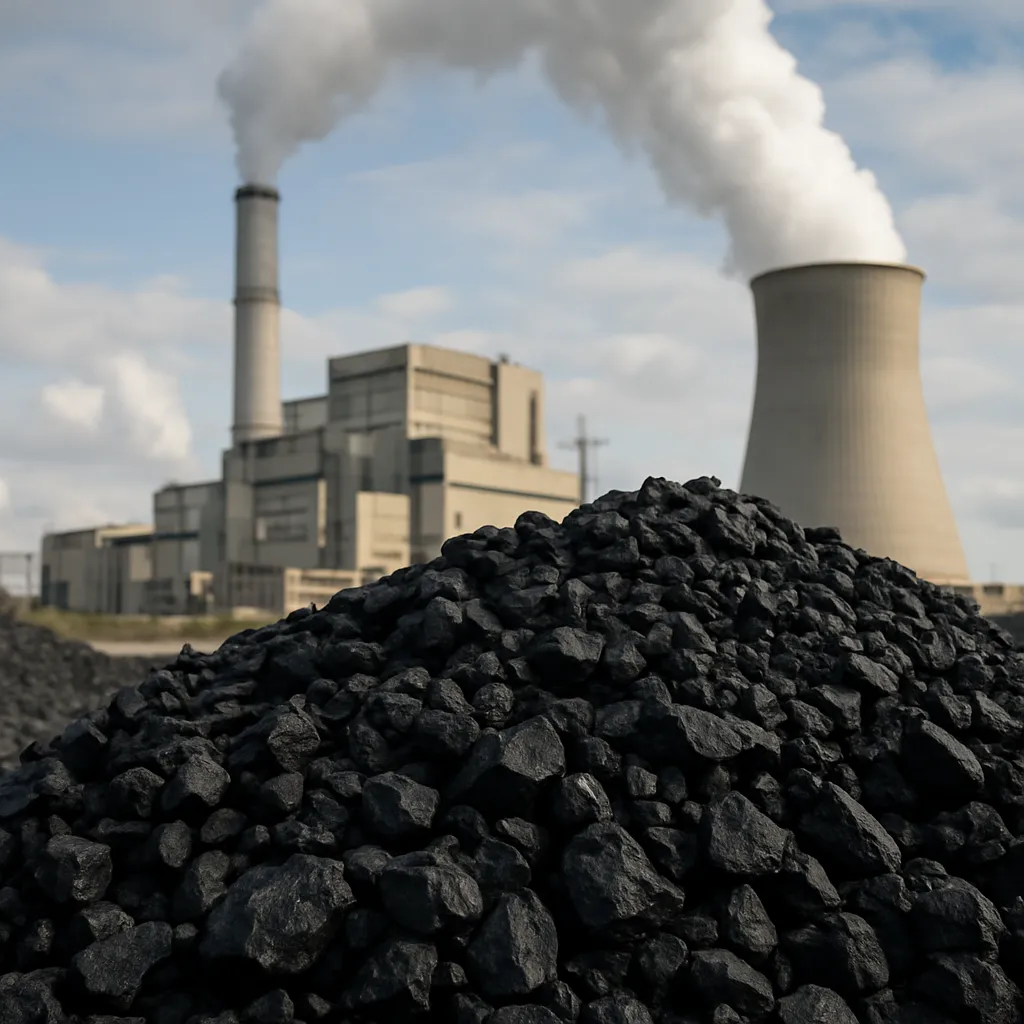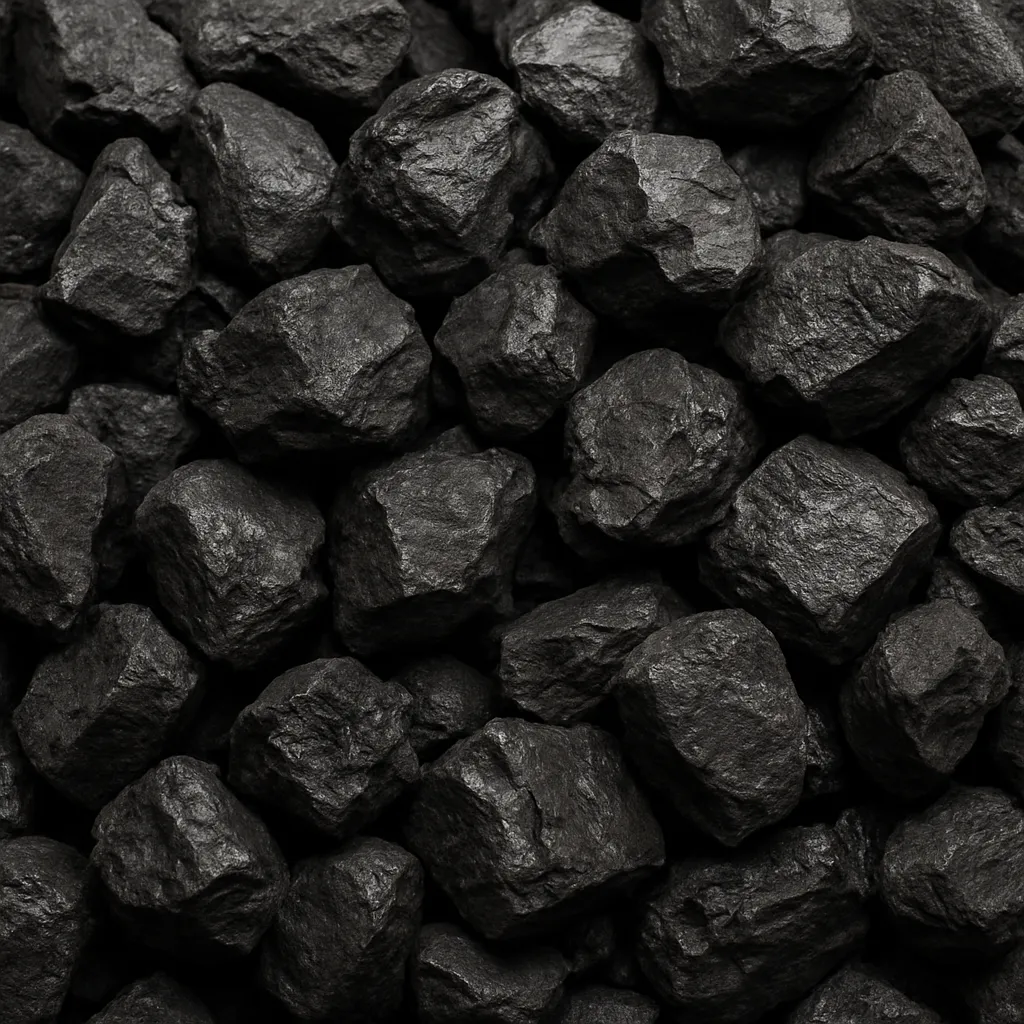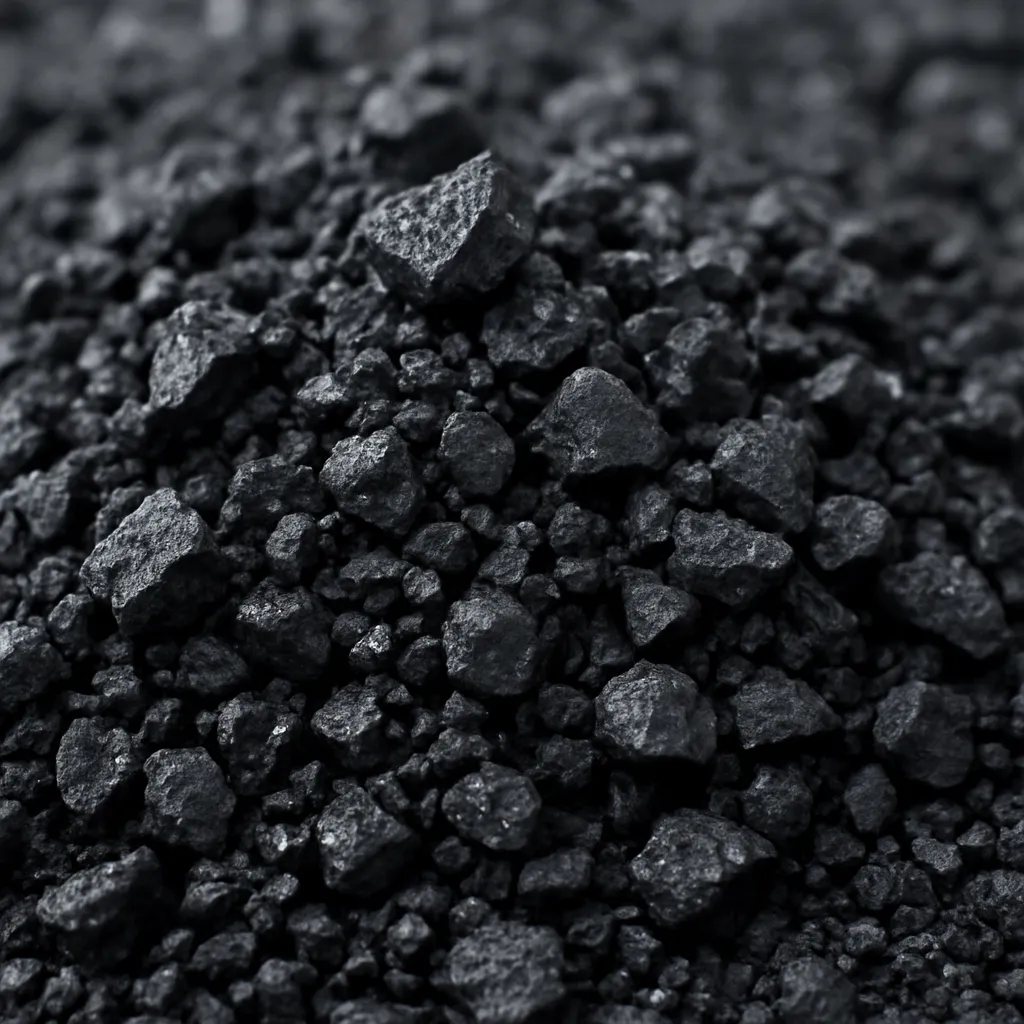
This article examines the topic of recycled coal fines as a fuel: what they are, where they are found and recovered, how they are processed and used, their economic and industrial significance, and the environmental and regulatory issues that surround them. Recycled coal fines represent a substantial and often undervalued fraction of the global coal resource stream. When managed and upgraded effectively, they can become a cost-competitive and flexible energy feedstock for power generation, industrial heating, cement production, brick manufacturing and some metallurgical processes. This text covers occurrence, extraction, processing technologies, market dynamics, statistical estimates and emerging trends that shape the role of recycled coal fines in the energy and materials landscape.
Characteristics and natural occurrence of coal fines
Coal fines are small particles of coal typically produced during mining, crushing, handling and washing operations. Their size distribution commonly falls below a few millimetres; many definitions use fractions under 3 mm or even under 0.5 mm. Coal fines commonly occur in the following contexts:
- Recovery from coal preparation plants and washery tailings (slurry and middlings).
- Fine fractions from mechanical breakage at the mine, during transport, or at coal terminals.
- Fine residues from coal combustion and industrial processing (e.g., ash and unburned carbon, which are secondary but related streams).
Key physical and chemical properties of coal fines typically include higher moisture content, elevated ash and mineral matter, variable sulfur and volatile matter, and reduced apparent bulk density compared with lump coal. That affects handling, storage, and fuel performance. Typical ranges (approximate) are:
- Granulometry: particles < 0.1–3 mm (size varies by source).
- Calorific value: often between 10 and 30 MJ/kg depending on coal rank and ash.
- Moisture: raw fines may contain 10–40% moisture by mass, sometimes higher in slurries.
- Ash content: can be significantly higher than lump coal—commonly 10–40% or more in poor-quality fines.
Major coal-producing regions therefore also tend to be major sources of coal fines. These include China, India, the United States, Australia, Russia, South Africa and parts of Southeast Asia and Eastern Europe. In many of these countries large volumes of fines are generated by mechanized mining and coal preparation and by legacy stockpiles created over decades of operation.
Generation, recovery and processing methods
Coal fines are generated at multiple points in the coal supply chain. Mining and handling activities create fragmentation, while wet and dry coal preparation processes produce slurries and middlings that concentrate fine coal particles. Historically, fines were frequently disposed of in slurry ponds or tailings impoundments, creating environmental liabilities. Modern practice places emphasis on recovery and beneficiation to convert these residues into usable fuels.
Recovery and beneficiation techniques
- Gravity separation and spirals: used to concentrate fine coal based on density differences; effective for coarse fines and middlings.
- Froth flotation: widely used to recover ultrafine coal from slurries; can produce concentrates with reduced ash content.
- Hydrocyclones and centrifuges: for dewatering and size classification of slurry streams.
- Filter presses and belt presses: dewatering technologies that reduce moisture prior to further processing.
Agglomeration and upgrading
To improve handleability, heating value per unit volume and market acceptance, coal fines are commonly agglomerated or upgraded through various methods:
- Briquetting: Compressing fines with or without binders at ambient or elevated pressure to form bricks or briquettes suitable for domestic or industrial combustion.
- Pelletizing: Spherical or cylindrical pellets produced using mechanical pelletizers often with binders (starch, molasses, lime, or coal tar pitch) to enhance strength and cold water resistance.
- Cold-bonded briquettes: formed with chemical binders (e.g., cementitious binders) without thermal treatment.
- Thermal treatments (torrefaction, mild pyrolysis): used less commonly but can upgrade fines by reducing moisture and improving calorific value and hydrophobicity.
Binders and additives
Binders are essential for mechanical strength and durability. Common binders include starch, molasses, pitch, lime, cement, and newer polymeric binders or waste-derived binders. Binder choice balances cost, combustion behavior (ash chemistry), and environmental controls (e.g., avoiding tacky residues or toxic emissions).
Where recycled coal fines are mined and recovered
Large coal-producing nations account for the largest volumes of coal fines, because fines generation scales with total coal production and the extent of coal preparation activities. Typical locations and practices include:
- China: Extensive coal mining combined with large-scale washery operations produces substantial fines and slurry. China has developed extensive briquetting and pelletizing industries to use fines in industrial furnaces, brick manufacturing and for small-scale power applications.
- India: Washery rejects and mine fines are commonly processed into briquettes for use in brick kilns, small industrial boilers and co-firing in captive power plants. Government schemes and private projects aim to reduce slurry pond liabilities by converting fines into fuel products.
- United States: Fines are recovered in coal preparation plants, with some used in power plants, cement kilns, and metallurgical processes (e.g., coke breeze or pulverized coal injection after upgrading).
- Australia: While much of Australia’s production is high-quality lump coal for export, fines are generated during handling and are sometimes agglomerated or blended for domestic use and export; fines are also used in coal-to-liquids and gasification pilot projects.
- Russia and South Africa: Both have significant fines-handling industries, including briquetting plants that supply domestic and industrial markets.
Recovered fines may be used on-site at mines or washed coal preparation plants, sold domestically, blended with lump coal, or even exported after agglomeration and moisture reduction.
Economic and market aspects
Economically, coal fines occupy a unique niche. As a by-product of mining, they are often available at a discount compared with lump coal. However, the need for beneficiation, dewatering and agglomeration adds capital and operating costs. The value proposition therefore depends on local energy prices, transport costs, regulatory frameworks and available markets.
Price and competitiveness
- Raw fines: sold at lower price points—commonly 10–50% cheaper than comparable lump coal on an as-received basis—because of higher moisture and ash and logistical limitations.
- Agglomerated fines (briquettes/pellets): command better prices reflecting processing costs; in many markets they compete with low-grade lump coal and alternative solid fuels such as biomass pellets.
- Transportation economics: because fines have lower bulk density, drying and densification (pelletizing/briquetting) can substantially improve transport economics and export viability.
Scale and statistical estimates
Precise global statistics specifically for “recycled coal fines” are limited and fragmented because reporting commonly aggregates fines into broader waste or preparation plant reject categories. Nevertheless, several approximate figures and ranges are commonly cited in industry literature and project reports:
- Global coal production (thermal + metallurgical) has been on the order of 7–8 billion tonnes per year in recent years; by-product fines generation can represent roughly 2–10% of run-of-mine tonnage depending on mining and preparation technology—this implies fines volumes on the order of tens to a few hundreds of millions of tonnes annually worldwide (order-of-magnitude estimate).
- In many mechanized operations, fines generation concentrated in coal handling and washing can range from 5–20% of throughput; plants that aggressively recover fines via flotation can reclaim a substantial share of that resource for sale.
- Country-level utilisation varies widely: larger developing coal markets (e.g., India, China) show high levels of fines utilization through briquetting and brick manufacturing, while in some developed countries fines may be blended for power generation or destined for disposal or reclamation.
Because of these data limitations, businesses and policymakers typically rely on local surveys and plant-level data to design recovery projects and to model cash flows.
Industrial applications and significance
When upgraded, coal fines become valuable as a feedstock for multiple industries. Key uses include:
- Power generation: direct combustion in boilers where design allows co-firing of pellets or briquettes, or blending with pulverized coal for utility boilers.
- Cement and lime kilns: these industries are tolerant of variable fuels and often accept fines-derived fuels, taking advantage of high-temperature rotary kilns that can accommodate higher ash content.
- Brick and ceramic industries: briquetted fines are widely used in brick kilns and small industrial furnaces, especially where traditional biomass is scarce or regulated.
- Metallurgical use: certain agglomerated fines can be used in coke-making or as pulverized coal for injection (PCI) after quality improvements; however, metallurgical applications demand stricter quality (low ash, low sulfur).
- Gasification and synthetic fuels: advanced pathways—coal gasification, coal-to-liquids, or co-gasification with biomass—can accept processed fines as feedstock, offering an alternative high-value route.
The importance of recycled fines goes beyond raw energy supply: they reduce waste volumes, create local employment in beneficiation and agglomeration plants, lower mine closure liabilities, and contribute to circular economy objectives by turning a liability into a marketable product.
Environmental, health and regulatory considerations
Although recycling coal fines reduces the footprint of waste ponds and tailings, it does not eliminate the environmental impacts associated with coal combustion. Relevant environmental and regulatory factors include:
- Emissions: combusting recycled fines emits CO2, NOx, SOx and particulate matter just like other coal fuels. High ash fines can increase particulate and heavy metal emissions without proper controls.
- Leachate and water contamination: tailings and slurry impoundments can leach heavy metals and salts; recovering fines reduces these risks but handling and dewatering must be managed to prevent contamination.
- Spontaneous combustion and stability: stockpiled fines and dewatered slimes can undergo spontaneous heating if not managed properly; agglomeration stabilizes material and reduces risk.
- Occupational health: handling dusty fines increases worker exposure to particulates; agglomeration and wet handling plus dust control mitigate these risks.
- Regulation: jurisdictions differ—some incentivize fines utilization through subsidies or mandates (e.g., use in captive power or brick kilns), while others limit their use because of emissions concerns. Environmental permitting for briquetting plants and combustors is a typical requirement.
Technological innovations and future prospects
Several technological trends and innovations are shaping the future of recycled coal fines:
- Advanced dewatering and drying: energy-efficient mechanical and thermal drying technologies reduce moisture and improve calorific value prior to transport or agglomeration.
- Torrefaction and mild pyrolysis: these treatments convert fines into more hydrophobic, energy-dense materials with improved grindability for co-firing and gasification.
- Co-processing with biomass and waste: blending coal fines with biomass or municipal waste creates composite fuels that can lower net carbon intensity and open new markets (e.g., co-firing in cement kilns).
- Gasification and chemical conversion: fines processed via gasification can produce syngas for power, chemicals or fuels with opportunities for carbon capture—this is capital-intensive but offers higher value routes.
- Digital optimization: plant-level process control, sensor-based sorting, and data analytics improve recovery rates and product consistency, lowering operating costs.
These developments increase the attractiveness of fines recovery and upgrade projects, particularly in regions with constrained lump coal supplies or strong industrial demand for lower-cost fuel options.
Examples and illustrative project economics
Project economics for recycled coal fines depend on feedstock availability, technology choice and end-use. Illustrative points (approximate):
- Capital cost for a medium-scale briquetting/agglomeration plant (tens to a few hundred kt/year capacity) can range from hundreds of thousands to several million dollars depending on automation, drying requirements and binder systems.
- Operating costs are dominated by energy for drying, binder costs, maintenance and logistics. When fines are essentially a low-cost or negative-cost feedstock, overall economics are often favorable if a reliable market exists.
- Payback periods for recovery-and-briquetting projects commonly range from 2 to 7 years under supportive market conditions; projects targeted at captive industrial users (cement plants, brick kilns) often show the most stable returns.
Challenges and limitations
Despite opportunities, several challenges remain:
- Quality variability: heterogeneity of fines complicates standardization and market acceptance.
- Transportation costs: low bulk density and moisture make transport of raw fines uneconomic beyond short distances without densification.
- Emissions and regulatory pressures: decarbonization policies and air quality regulations can restrict some traditional uses of coal-derived fuels.
- Competition from alternatives: cheaper natural gas, renewables and biomass-based fuels can reduce demand for upgraded coal fines in some markets.
Conclusions and strategic outlook
Recycled coal fines represent a large, underutilized resource with the potential to supply affordable energy and industrial feedstock while reducing environmental liabilities from tailings and waste ponds. Their commercial viability rests on effective beneficiation (reducing ash and moisture), robust agglomeration/densification technologies, and access to receptive local markets—cement, brick, captive power and some metallurgical applications. Worldwide, millions to hundreds of millions of tonnes of fines are produced annually; a growing share is being recovered and upgraded where regulatory and economic incentives align.
Strategically, the role of recycled coal fines will be shaped by regional energy transitions: in countries with persistent industrial coal demand and limited alternatives, fines recycling will remain important for years to come. In markets moving rapidly toward decarbonization, higher-value pathways such as gasification with carbon capture or co-processing with biomass offer a way to transition fines into lower-carbon products. Regardless of the pathway chosen, improved recovery, beneficiation and quality control are central to turning a waste stream into a dependable industrial resource.
Key terms highlighted: coal, fines, briquetting, pelletizing, thermal, metallurgical, circular economy, gasification, emissions, calorific value