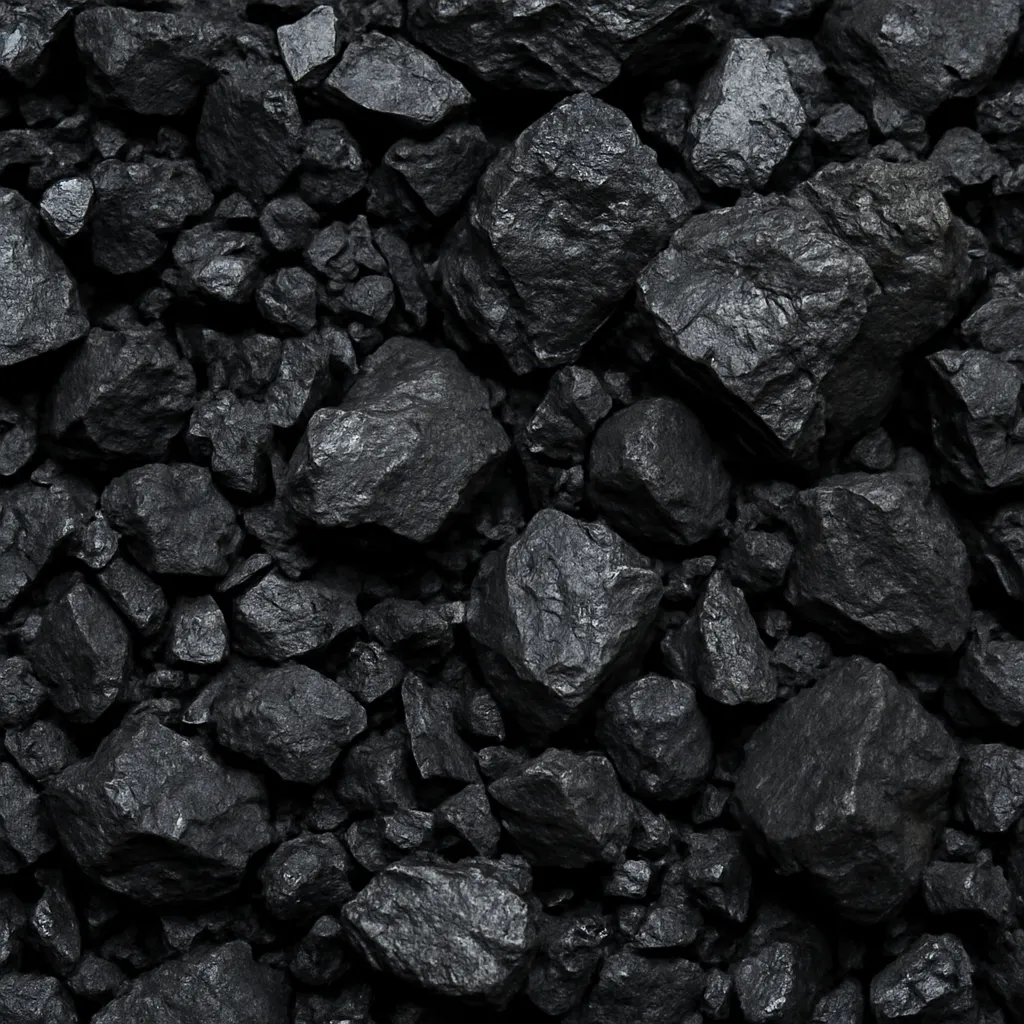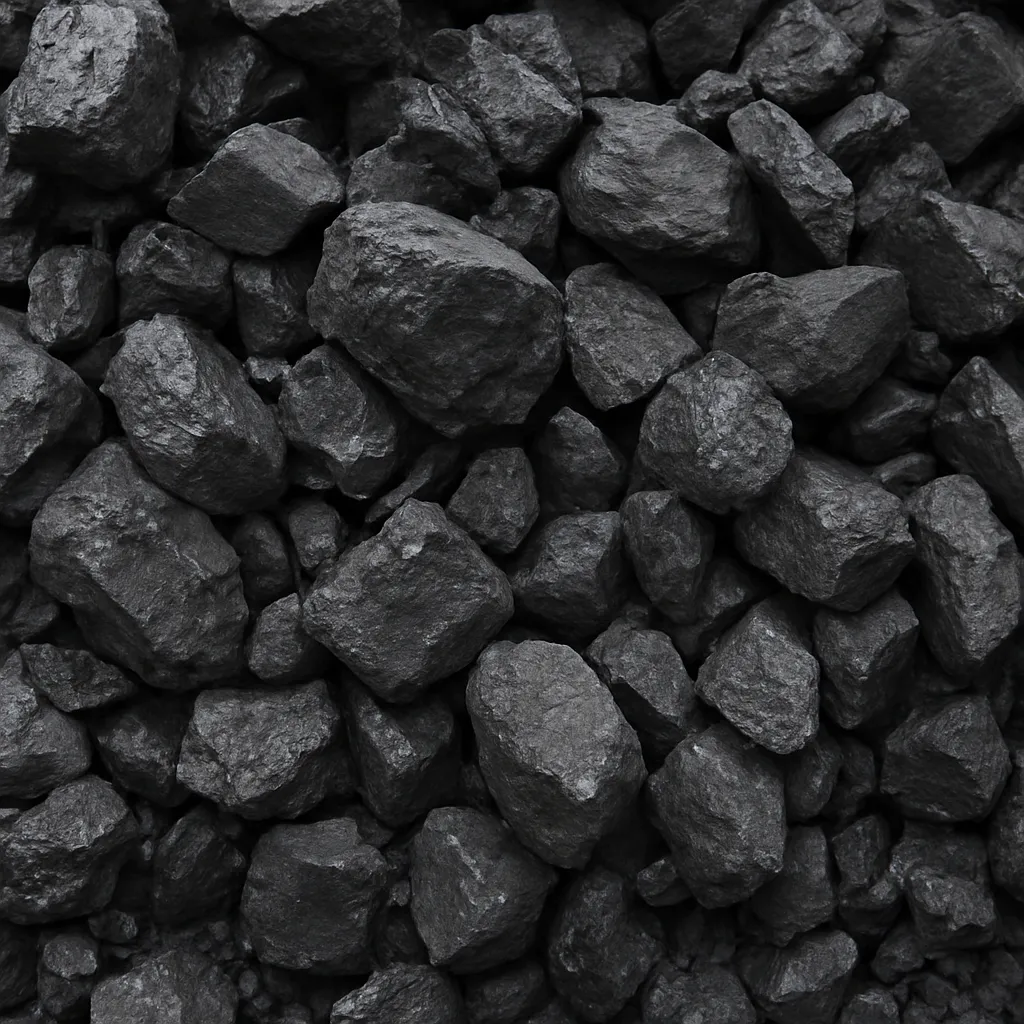
This article examines engineered coal fuel as a category of processed and upgraded coal products used across power generation, industry and synthetic fuel production. It covers geological occurrence and mining regions, the technologies that transform raw coal into engineered fuels, economic and statistical context, industrial significance, and environmental and policy considerations. The purpose is to provide a broad, fact-based overview of how processed coal fits into contemporary energy systems and industrial value chains.
Occurrence, Geological Context and Major Mining Regions
Coal is a sedimentary rock formed from the accumulation and burial of plant material in ancient swamps and peatlands that later underwent compaction and chemical alteration. The physical and chemical characteristics of coal vary with rank, which ranges from low-energy coal such as lignite to high-rank anthracite. Coal occurs in layered seams within basins and in a wide variety of sedimentary settings worldwide. Key features that determine the suitability of a deposit for engineered coal fuels include seam thickness, depth, rank, ash content and inherent moisture.
Major coal-bearing basins are distributed across all continents except Antarctica. Notable producing and geologically important regions include:
- China: Ordos Basin, Shenmu, and other basins — China is the world’s largest producer and consumer, with very large reserves concentrated in the north and north-central basins.
- United States: Powder River Basin (Wyoming/Montana), Appalachian Basin, Illinois Basin — the Powder River Basin (PRB) is famous for low-rank, low-sulfur coal that is widely used for electricity.
- Russia: Kuznetsk Basin (Kuzbass), Pechora and Eastern Siberian deposits — large reserves of bituminous and sub-bituminous coal used for export and domestic consumption.
- Australia: Bowen Basin, Surat Basin, Hunter Valley — primary suppliers of both metallurgical and thermal coal to global markets.
- India: Jharia, Raniganj and other Gondwana basins — extensive reserves of bituminous and sub-bituminous coal that underpin India’s energy system.
- Indonesia: Kalimantan and Sumatra — key exporters of thermal coal.
- South Africa: Witbank, Highveld, Waterberg — significant metallurgical and thermal coal with longstanding industrial use.
- Poland and Czechia: Upper Silesian Basin — important for European domestic energy and industry.
Globally, proven recoverable coal reserves amount to many hundreds of billions of tonnes. Distribution is uneven: a handful of countries hold most of the proven reserves while production and consumption can be concentrated in different places. Coal occurs in multiple ranks and product forms, which is important when considering the opportunities for conversion to engineered fuels.
What Is Engineered Coal Fuel and How Is It Produced?
The term “engineered coal fuel” covers a range of products and intermediate materials derived from raw coal through mechanical, thermal, chemical or physico-chemical processes designed to enhance handling, combustion performance, energy density, or to create feedstock for downstream synthetic fuel or chemical production. Engineering steps are often tailored to the intended end use: power plants, steelmaking (metallurgical feedstock), liquid fuel synthesis, or niche industrial boilers. Common engineered forms and processes include:
- Coal beneficiation and washing — removal of mineral matter (ash) and impurities to improve calorific value and reduce slagging and emissions.
- Briquetting and pelletizing — compressing fine coal and low-rank material into densified solids for easier transport, storage and co-firing with other fuels.
- Coal-water slurry fuel (CWSF) — a stable suspension of finely divided coal in water for use in boilers designed for liquid fuels.
- Torrefaction and densification — thermal treatment (mild pyrolysis) that dries and upgrades low-rank coal-like biomass products for higher energy density (often used more for biomass, but torrefaction of low-rank coal has been trialed).
- Solvent-refined coal and hot-water drying — processes that remove volatile and oxygenated constituents to produce cleaner-burning solid fuel.
- Coal gasification and subsequent synthesis — converting coal to synthesis gas (CO + H2) that can be transformed into liquid fuels (coal-to-liquids, CTL), chemicals or used in Integrated Gasification Combined Cycle (IGCC) power plants.
- Fluidized bed and staged combustion adaptations — not a fuel change but engineering of combustion systems to accept different processed coal fuels with lower emissions.
Engineered coal fuels are designed to meet operational constraints (e.g., flowability, feeding into furnaces), environmental limits (lower sulfur, lower particulate emissions per unit energy), and economic goals (cheaper transport and higher sale value). For example, briquettes convert low-value fines into a merchantable product; CWSF converts coal into a liquid-like feedstock that can be used in oil-designed burners.
Economic, Trade and Statistical Overview
Coal remains a major global commodity with complex economic dynamics. In the early 2020s, global coal production and consumption fluctuated with industrial activity, energy security concerns and commodity price swings. While year-to-year numbers shift, the overall scale and structure of the market can be summarized:
- Global production and consumption: Annual global coal production in the early 2020s was on the order of several billion tonnes (all coal types combined). China alone accounts for roughly one-third to one-half of annual global production, depending on the year.
- Electricity generation share: Coal has been the largest single source of fuel for global electricity, providing roughly one-quarter to one-third of global power generation in recent years, with regional differences; in some countries (e.g., China, India, Australia historically) a much higher share of power comes from coal.
- Trade flows: A few exporting countries dominate international seaborne markets. Australia and Indonesia are among the largest exporters by volume, with significant shipments also from Russia, the United States and South Africa. Indonesia historically has supplied large quantities of thermal coal to Asia, while Australia supplies both thermal and high-value metallurgical coal worldwide.
- Metallurgical coal vs thermal coal: Metallurgical (coking) coal used for steelmaking typically commands a higher price and constitutes a smaller fraction of tonnage but a larger share of export earnings in producing regions.
- Value and employment: The coal industry contributes to national and regional GDP through royalties, taxes and employment. In mining regions, coal production supports local economies via supply chains, transport, and associated service industries.
Some indicative numbers and trends (approximate, representative of early-2020s conditions):
- Global proven recoverable reserves: Estimated at the order of 1 trillion tonnes of oil-equivalent coal resources, concentrated in a small group of countries.
- Top producers: China (largest), followed by India, the United States, Australia and Indonesia in different rank orders depending on thermal vs metallurgical categories.
- Exports: Australia and Indonesia consistently appear at the top of seaborne coal export lists; export volumes in the hundreds of millions of tonnes per year are common for top exporters.
Because coal is so entwined with national energy systems, prices and flows are influenced by policy decisions, fuel switching, seasonal demand, and geopolitical events that affect trade corridors. The economics of engineered coal fuels depend on processing costs, local energy prices, transport distances and regulatory settings that value lower emissions and higher efficiency.
Industrial Significance and Key Applications
Engineered coal fuels are significant across several industrial sectors. Their main uses include:
- Power generation: Processed coal (washed, pulverized, densified) is a staple feedstock for thermal power plants. Engineering can reduce handling costs and improve combustion stability.
- Steelmaking: metallurgical coal and coke are indispensable in blast furnace-based steelmaking. Processed coals and pulverized coal injection (PCI) techniques reduce coke consumption and increase operational flexibility.
- Liquid fuels and chemicals: Coal can be converted into synthesis gas via gasification and then into liquid hydrocarbons (Fischer–Tropsch CTL), methanol, ammonia, and other chemicals. Engineered feedstocks with lower ash and sulfur content improve conversion efficiency.
- Cement and industrial heat: Densified and slurry fuels are used in industrial kilns and boilers where liquid or consistent combustion characteristics are required.
- Export merchandising: Many producing countries transform raw coal into specific grades (e.g., low-ash, low-sulfur) to meet the specifications of importing utilities and industries, increasing the value of exported coal.
In many economies, coal remains a cornerstone of energy security. For example, power systems built around large baseload coal plants depend on reliable coal supply chains; engineered fuels can mitigate supply constraints by extending the usability of lower-quality coals and by facilitating alternative modes of transport.
Environmental, Health and Policy Considerations
Coal combustion is a significant source of greenhouse gas emissions and local air pollutants. These environmental impacts drive stringent regulatory frameworks in many jurisdictions and motivate the use of engineered coal fuels that reduce emissions per unit energy. Key environmental and policy topics include:
- Greenhouse gas emissions: Coal is carbon-intensive; decarbonization strategies focus on fuel switching, efficiency improvements, carbon capture and storage (CCS), and alternative sources such as renewables.
- Local air pollution: Sulfur oxides, nitrogen oxides, particulate matter and mercury emissions are partly mitigated by beneficiation and washing of coal, by flue-gas cleanup technologies and cleaner combustion of engineered fuels.
- Water and land impacts: Coal washing and processing consume water and generate tailings. Rehabilitation of mine sites and management of waste streams are important considerations for sustainable production.
- Social impacts and health: Mining communities face occupational hazards, health impacts from dust and pollution, and economic transitions when mines close or shift operations.
Engineered coal fuels can reduce some negative impacts (lower ash and sulfur), but they do not eliminate CO2 emissions unless combined with carbon capture, switching to low-carbon feedstocks, or conversion to hydrogen with sequestration. Policymakers in many countries are balancing the near-term role of coal for energy security and industry with medium- and long-term climate commitments.
Technological Innovations and Future Outlook
Technological progress shapes the future role of engineered coal fuels. Innovations and trends to watch:
- Advanced gasification and IGCC: Integrated systems that produce power and valuable co-products at higher efficiency and with potential for CO2 capture.
- Hybrid fuel strategies: Co-firing coal with biomass or waste feedstocks after suitable preprocessing can reduce net carbon intensity while utilizing existing infrastructure.
- Carbon Capture and Utilization/Storage (CCUS): Demonstrations of large-scale CCS on coal plants and gasification units could enable continued use of coal-derived fuels with reduced climate impacts.
- Modular conversion plants: Smaller-scale gasification and synthesis units may make coal conversion to fuels and chemicals more flexible and regionally deployable.
- Digitalization and process optimization: Mine-to-plant digital control, sensing and sorting improve beneficiation yields and reduce energy use during processing.
The future of engineered coal fuels depends on the economic competitiveness of low-carbon alternatives, the pace of policy-driven emissions reductions, and the availability and cost of technologies like CCS. In regions where steelmaking and heavy industry persist with limited low-carbon alternatives, engineered coal fuels and coal-derived intermediates may retain relevance for decades.
Interesting and Lesser-Known Facts
- Coal-origin methane: Coal seams often contain significant methane (coal bed methane, CBM) that can be produced as a natural gas resource; production of CBM reduces safety hazards in mines and can provide a lower-carbon energy source than coal combustion.
- Coal seam fires: Some coal deposits burn naturally or burn in-place after ignition (e.g., Centralia, Pennsylvannia, and several sites in China and India), causing long-term environmental and health issues.
- Value transformation: Low-value fine coal that would otherwise be waste can become a merchant product after briquetting or manufacturing into slurries, improving resource efficiency.
- Historical legacy: Coal was the backbone of the Industrial Revolution and still underpins much of the existing heavy industrial capital stock globally, especially in steel and cement.
- Strategic stockpiles and trade: Some countries maintain strategic coal reserves or favor domestic production to increase energy security, influencing global trade patterns.
Conclusions and Key Takeaways
Engineered coal fuels encompass a suite of processed products and conversion pathways that extend the utility and improve the performance of coal in modern industrial systems. They play important roles in electricity generation, steelmaking, and synthetic fuel production while offering pathways to mitigate some local and operational environmental impacts. However, the climate challenge remains central: without widespread deployment of carbon capture or a shift away from carbon-intensive feedstocks, coal-based fuels will continue to be a major source of greenhouse gas emissions.
Policymakers, industry and communities face trade-offs between energy security, industrial competitiveness and environmental commitments. Engineered coal fuels can contribute to transitional strategies—for example, by upgrading low-quality deposits to usable fuels, reducing local pollution through washing and processing, and enabling co-processing with biomass—but their long-term role will be shaped by decarbonization policies, technological progress in CCS and alternative processes, and the economics of competing fuels.
For nations and regions with abundant coal resources, engineered coal fuels remain a practical tool for optimizing resource use and sustaining industrial activity, provided that investments in emissions control, site rehabilitation and community transition planning are prioritized. The balance between maintaining reliable industrial feedstocks and meeting climate goals will determine the degree to which engineered coal fuels persist in the global energy mix.
Highlighted concepts
This article emphasized a few central concepts by name: energy, electricity, exports, emissions, decarbonization, metallurgical, gasification, CCS, coal, and reserves. These terms represent the intersections of geology, engineering, economics and policy that define engineered coal fuels today.