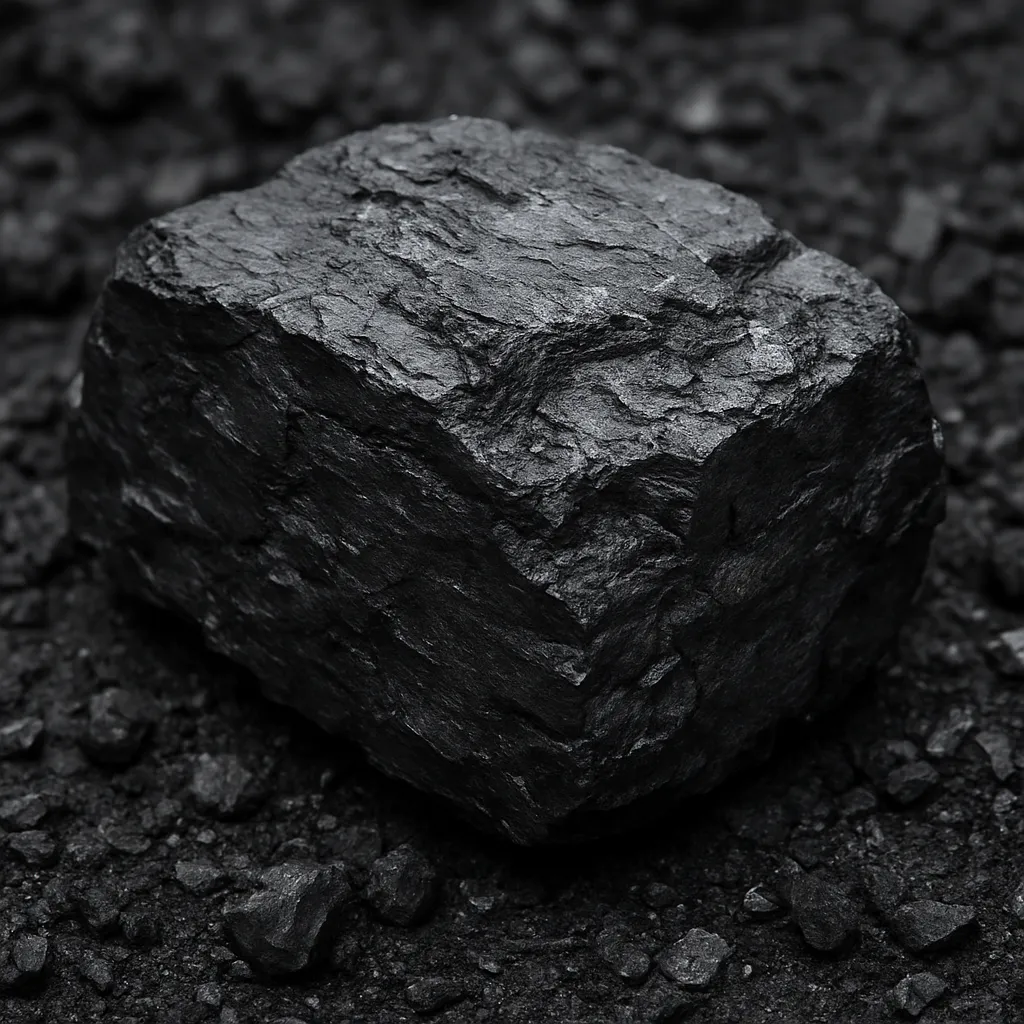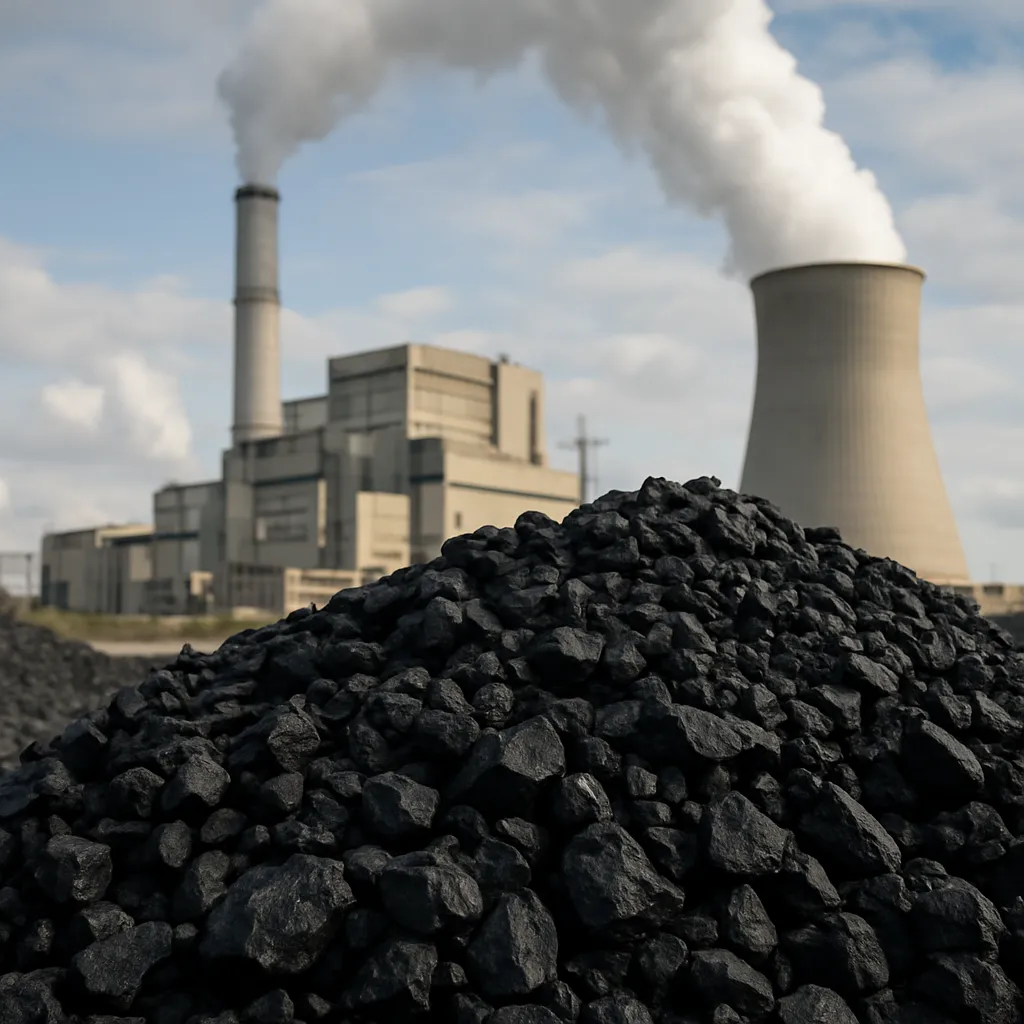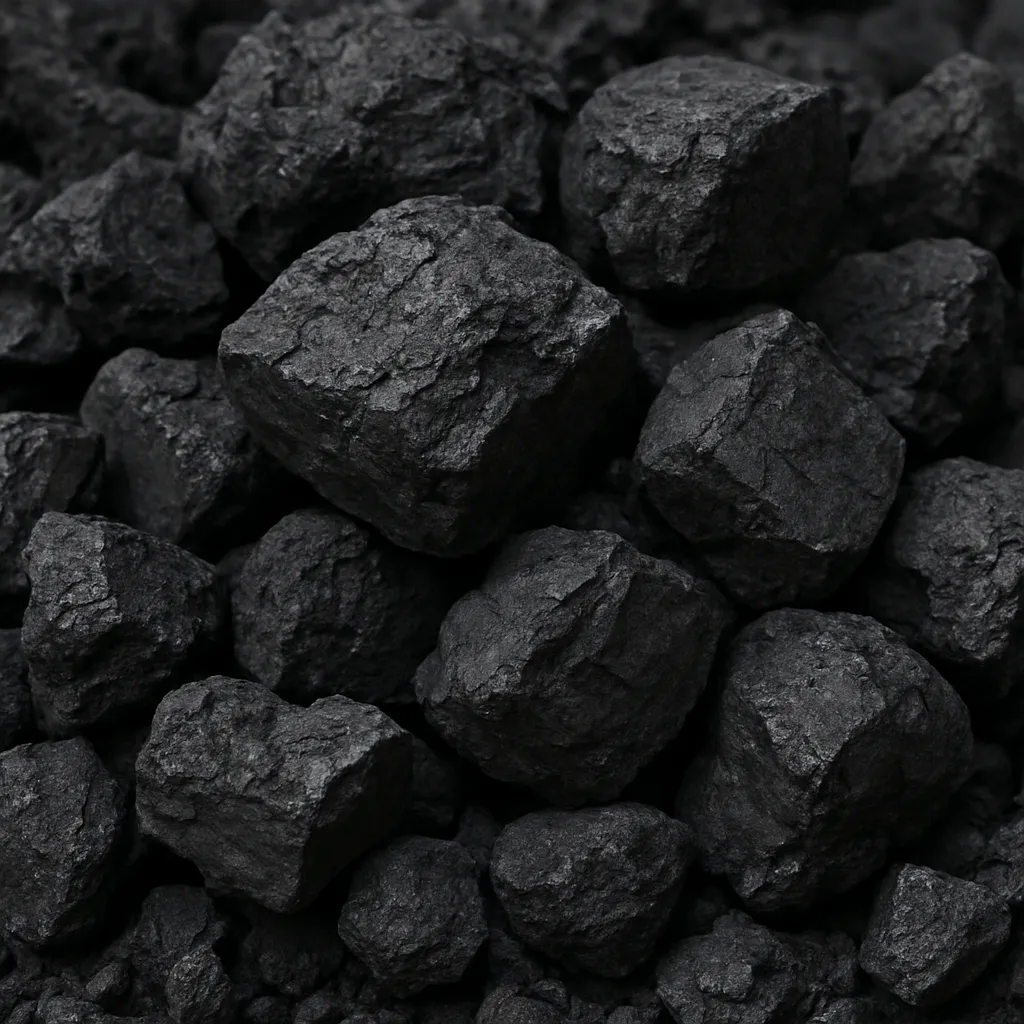
Reconstituted coal is a manufactured solid fuel produced by agglomerating or otherwise processing coal particles and wastes into a uniform, transportable, and often higher-value product. It sits at the intersection of waste valorization, fuel engineering and industrial metallurgy, offering ways to convert coal mining and preparation residues into useful fuels for heating, power generation and metallurgical processes. In this article we examine what reconstituted coal is, how and where it is produced and used, its economic and industrial significance, statistical context, environmental and regulatory considerations, and other practical and interesting aspects of this fuel category.
What is reconstituted coal and how is it made?
At its core, reconstituted coal refers to products created from fragmented coal materials — including coal fines, dust and small-size coal fractions — that are bound, compressed or thermally treated into a solid fuel with consistent size, handling characteristics and performance. The term covers a range of products and processes, including briquettes, pellets, formed coke (also called briquetted coke or artificial coke), coal-water slurries, and sintered agglomerates.
Primary production methods
- Briquetting: Mechanical compression of dry coal fines with a small percentage of binders (starch, molasses, pitch, asphalt, or synthetic resins) into blocks or lumps. Cold and hot briquetting variants exist. Briquetting increases bulk density and decreases dust.
- Extrusion and pelleting: Coal fines are mixed with binders and extruded into cylindrical pellets. This method is common for fuels destined for stoves, boilers or small industrial furnaces.
- Sintering and agglomeration: Fine coal is sintered at elevated temperatures to form a hard product without the need for organic binders; used where mechanical strength and high-temperature stability are required.
- Thermal treatment / carbonization: Some reconstituted products are subsequently heat-treated (partial carbonization) to reduce volatile matter, creating a product closer to metallurgical coke suitable for blast furnaces or as blast-furnace injection material.
- Coal-water slurry (CWS): Finely pulverized coal dispersed in water with stabilizers to create a pumpable fuel. While not a solid form, CWS is a form of reconstitution that improves handling in utilities and ships.
Production parameters — pressure, temperature, binder type and percentage, and post-treatment — determine the final product’s strength, friability, moisture tolerance and calorific value. Typical briquette calorific values range widely (roughly 15–28 MJ/kg) depending on feed coal rank and binder content; formed coke or carbonized briquettes can reach higher values (25–30 MJ/kg) and lower volatile matter, approaching conventional coke quality for some metallurgical uses.
Where it occurs and where it is produced
Unlike geological coal deposits, reconstituted coal does not “occur” naturally; it is manufactured wherever there is a supply of coal raw material and a local market or outlet for the product. Consequently, production clusters follow major coal mining and coal-processing regions.
Main producing regions and countries
- China: By far the largest producer and consumer of all coal forms, China also leads in briquette and formed-coal production. Rural and industrial demand for standardized solid fuels, coupled with large volumes of coal preparation plant fines, has driven a sizable domestic market for reconstituted coal.
- India: Large-scale use of briquettes and pellets for industrial boilers and household fuels, driven by efforts to utilize washeries’ fines and to replace low-grade raw coal in small boilers.
- Russia and CIS countries: Production of formed coke and agglomerated coals for domestic metallurgical industries and for export markets.
- Australia and Indonesia: While these countries are best known for exported thermal coal, both have operations that produce briquettes and pellets locally for metallurgical use or to add value to lower-grade feedstocks.
- United States and Canada: Niche markets for coal briquettes and formed coke exist, often focused on metallurgical applications, waste recovery, or specialty heating fuels.
- Europe: Historically important in countries with significant coal mining and coking industries (Poland, Czech Republic, Germany), where briquette and formed-coal manufacturing persists for domestic heating and metallurgical uses.
Production facilities are typically co-located with coal washeries, preparation plants, steelworks or power plants to capture and upgrade coal fines and reduce transport of low-value material. Small-scale producers also exist for domestic heating markets, especially in regions where raw coal is fragmented or where wood is scarce.
Economic and industrial significance
The economic rationale for reconstituted coal rests on several pillars: waste valorization, improved logistics and combustion performance, feedstock flexibility for industry, and potential environmental gains through better combustion control and reduced dust and spontaneous combustion hazards.
Value creation and market drivers
- Waste utilization: Coal mining and washing often yield a significant fraction of fines and middlings. Instead of discarding or relegating these to low-value tailings, they can be upgraded to marketable fuel — turning disposal costs into revenue.
- Improved handling and transport economics: Densified briquettes and pellets are easier to store, less dusty and more amenable to mechanized handling than loose fines, reducing losses and health risks.
- Standardized performance: Manufacturers can blend feedstocks to produce fuels with predictable calorific value, ash content and sulfur levels, which is valuable for industrial consumers.
- Metallurgical uses: Formed coke and carbonized briquettes are important in steelmaking when conventional metallurgical coke supply is constrained or when blast-furnace injection materials with controlled properties are required.
Statistics and market size (approximate figures)
Reliable, centralized statistics specifically for the entire class of reconstituted coal products are limited because the category spans many product types (briquettes, pellets, formed coke, CWS) and is often reported under broader coal or solid fuels headings. However, contextual figures help illustrate scale:
- Global primary coal production was on the order of 7.5–8.0 billion tonnes per year during the early 2020s, with China producing roughly half of that volume. Large-scale mining and coal processing generate substantial volumes of fines that are candidates for reconstitution.
- Coal fines and preparation losses can range from a few percent up to 20–30% of run-of-mine tonnages depending on geology and processing technology; converting even a fraction of these into marketable products represents millions of tonnes annually in large coal basins.
- The global market for solid fuel briquettes (including biomass/coal blends) had market valuations reported in industry analyses between a few billion USD (roughly USD 2–6 billion) in the early 2020s, with forecasts of modest growth (CAGR in the low single digits) through the late 2020s. Exact figures depend on definitions used by market research.
These numbers show that while reconstituted coal is a subset of the broader coal market, it represents a meaningful pathway to add value to material that would otherwise be underutilized.
Applications and industrial importance
Reconstituted coal serves multiple sectors, each with distinct technical requirements:
- Power plants and industrial boilers: Standardized briquettes and pellets ease fuel handling and can be designed to match boiler specifications.
- Steel industry and metallurgy: Formed coke and carbonized agglomerates provide consistent reactivity, mechanical strength and low volatile content for blast-furnace use and injection systems.
- Domestic and commercial heating: In regions where household coal remains common, compressed briquettes reduce smoke and residue when designed properly compared with raw, loose coal.
- Marine and transportable fuels: Coal-water slurries have been trialed and used for ship propulsion and power plants as an alternative to heavy fuel oil in some locales.
Advantages in industry
- More uniform combustion and reduced flame instability.
- Lower fugitive dust emissions during handling and storage.
- Potential for lower transport costs per unit of useful energy due to densification.
- Conversion of low-value fines into higher-value products reduces raw-material waste and can improve mine-site economics.
Environmental, safety and regulatory considerations
While reconstitution has clear waste- and handling-related benefits, environmental implications are mixed and depend on feedstock, binder chemistry and the extent of thermal treatment.
Emissions and air quality
Reconstituted coal still burns as a fossil fuel and emits CO2 per unit of carbon combusted. In many cases, products can be engineered to have lower ash and sulfur or to burn more completely, which can reduce particulate matter and some local pollutants per unit of useful energy. However, binder selection matters: some binders (e.g., certain tars or resins) can produce undesirable volatile organic compounds or toxic emissions if not properly formulated and combusted.
Solid waste and water
Using fines reduces the need for tailings ponds and the environmental liabilities associated with coarse waste disposal. Coal-water slurries introduce water management considerations and require treatment of process water and stabilizers.
Safety
Reconstituted fuels lower the risk of spontaneous combustion in stored loose fines by reducing exposed surface area and controlling moisture, but they introduce other risks: dust explosion potential during processing, and the need to manage binder handling and thermal processes safely.
Regulation and standards
Standards for coal, coke and solid fuels are set at national and regional levels. Manufacturers typically test and certify calorific value, moisture, ash, fixed carbon and sulfur to meet buyer specifications. For environmental compliance, emissions limits for particulates, NOx, SO2 and heavy metals must be met by combustion installations.
Economic challenges and technological limits
Despite benefits, reconstituted coal faces challenges that affect its economic viability and scalability:
- Binder costs and availability: High-performance binders increase product cost and can erode margins if feedstock prices are low.
- Energy input and carbon balance: Thermal post-treatment (carbonization, sintering) consumes energy and emits CO2, so lifecycle benefits must be assessed.
- Market competition: Cheap raw lump coal or coal imports can undercut value-added reconstituted products in export-oriented regions.
- Regulatory shifts away from coal in many countries reduce long-term demand uncertainty for all coal products, pressuring investment in reconstitution capacity.
Interesting technical and historical notes
Reconstituting coal is not new. During periods of coal fragmentation and wartime shortage, many countries developed briquetting plants to make transportable, higher-quality household fuels. In Japan and Korea, briquettes were an important domestic fuel in the mid-20th century. In modern contexts, advances include:
- Use of bio-based and polymeric binders that reduce harmful emissions and improve mechanical properties.
- Integration of reconstitution plants with washeries and steelworks to form circular industrial ecosystems that minimize waste.
- Development of high-strength formed coke that competes with natural metallurgical coke in specific furnace applications where cost or supply reliability matters.
- Research into co-agglomeration of coal with biomass or waste-derived fuels to create hybrid fuels with lower net carbon intensity per unit energy.
Outlook and strategic implications
Reconstituted coal occupies a pragmatic niche: it does not change the fundamental trajectory of fossil-fuel-based energy systems, but it offers immediate, practical benefits in materials efficiency, waste reduction and industrial flexibility. Key elements that will shape its future include:
- Policy choices: Regions committed to deep coal phase-down will see declining long-term demand; in contrast, countries prioritizing energy security or metallurgy may expand reconstitution to optimize coal use.
- Technological innovation: Lower-energy production processes, greener binders and hybrid fuels can improve lifecycle impacts and competitiveness.
- Market dynamics: Local shortages of metallurgical coke, variations in import/export costs and the price of lump coal will determine where and when reconstituted products are cost-effective.
- Environmental constraints: Stricter emissions controls and carbon pricing will affect the viability of products that require energy-intensive thermal treatment unless offset by emissions reductions elsewhere.
Practical guidance for stakeholders
For mining companies and plant operators, turning fines into reconstituted products can reduce waste disposal costs and diversify revenue streams. For steelmakers and utilities, specifying fuel properties and partnering with local reconstitution producers can secure tailored fuels. For policymakers, reconstituted coal offers a transitional tool to improve material efficiency but should be evaluated in the context of broader decarbonization strategies and local air-quality goals.
Key takeaways
- Reconstituted coal is a manufactured product that recovers value from coal fines and other residues, creating briquettes, pellets, formed coke and slurries.
- Production typically co-locates with washeries, steelworks and coal basins; major activity is seen in China, India, parts of Europe, Russia and selected sites in the Americas and Oceania.
- Economically, reconstitution converts waste into saleable fuels, improves handling and meets niche industrial needs, notably in metallurgy.
- Environmental benefits include reduced tailings and dust; drawbacks include continued CO2 emissions and potential binder-related pollutants unless carefully managed.
- Future prospects depend on technological improvements, local market conditions and the global pace of energy-system decarbonization. Innovations in binders, carbonization techniques and co-processing with biomass could improve the sustainability profile of these fuels.