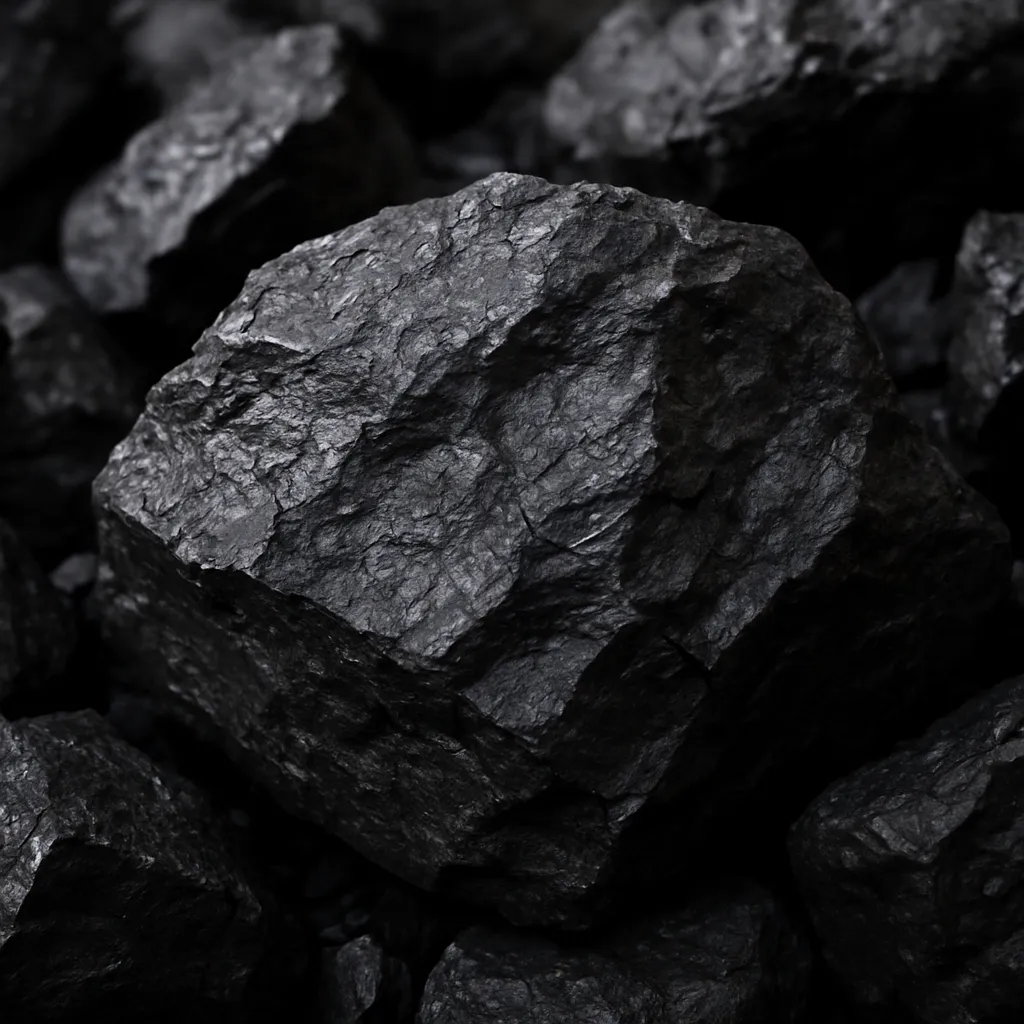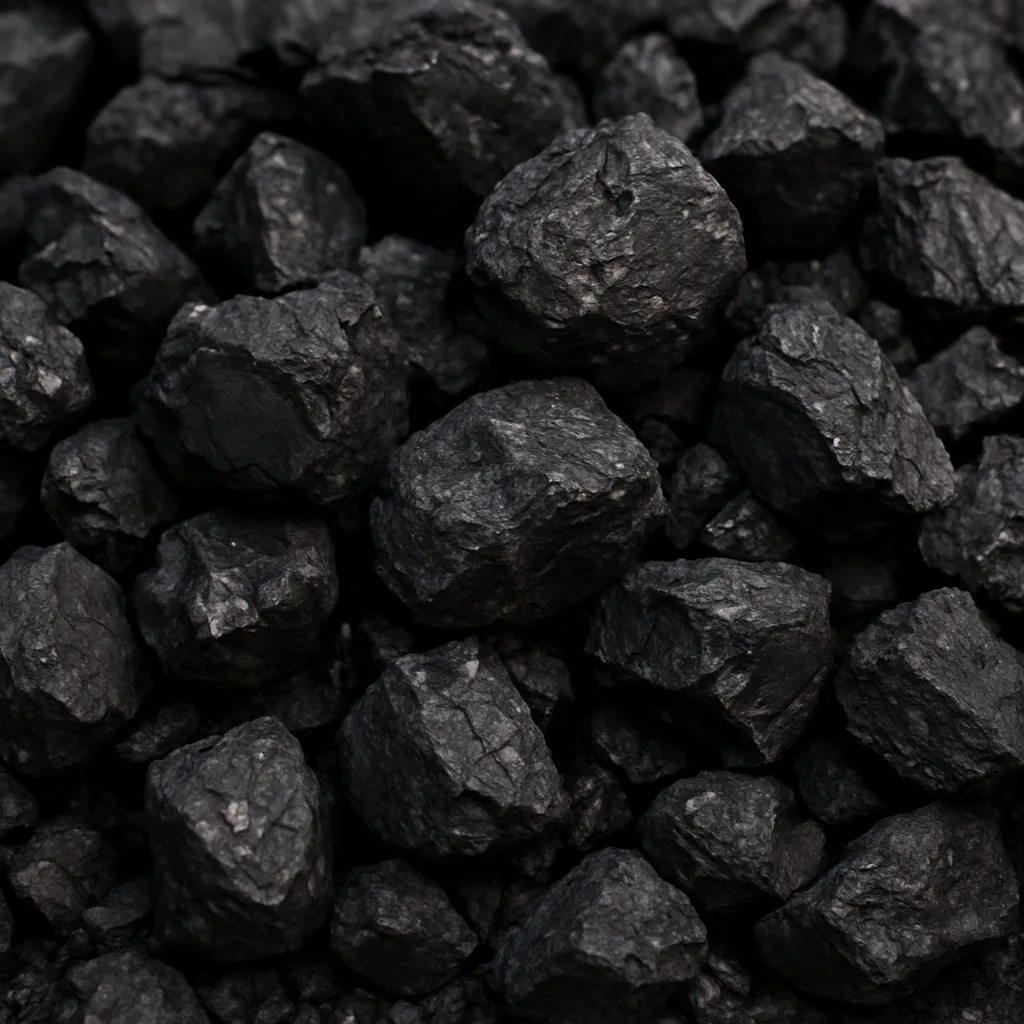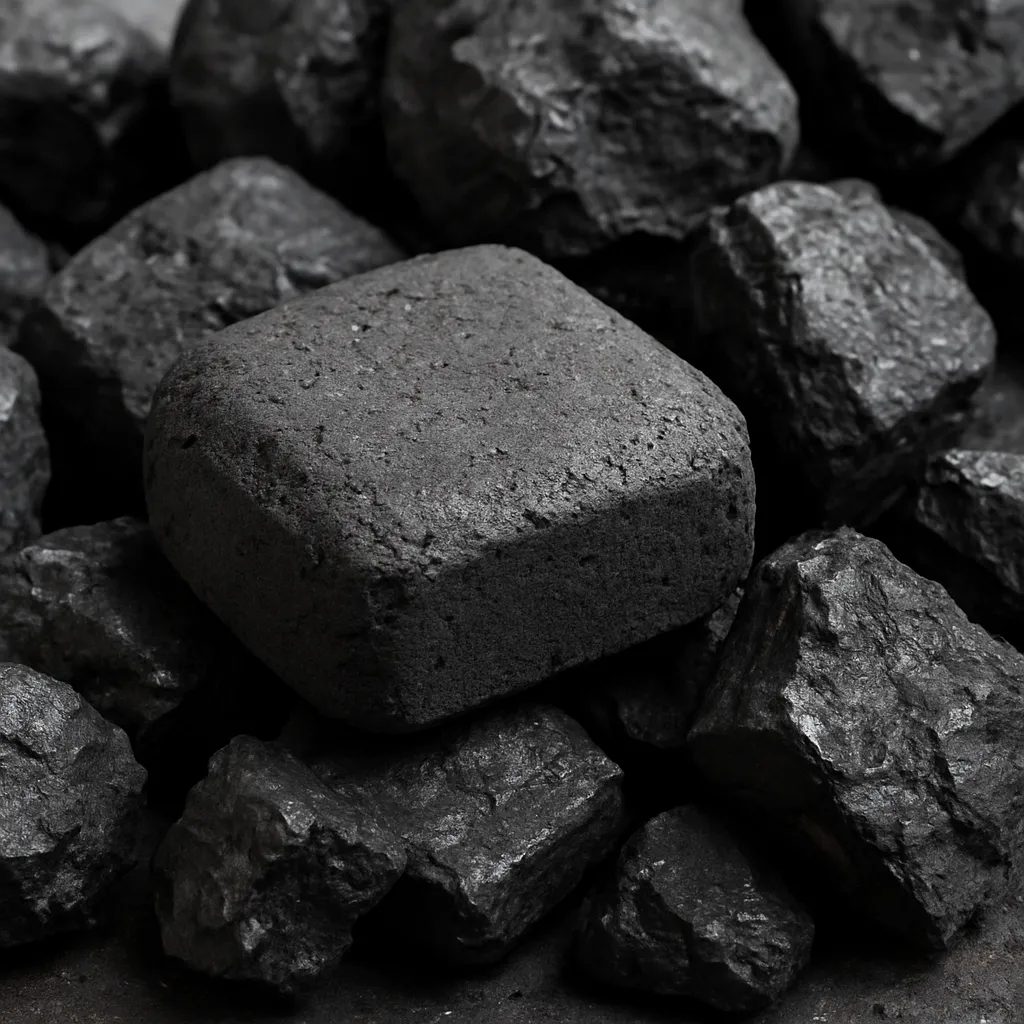
Low-smoke briquettes made from coal represent a specialized segment of solid fuels developed to combine the high energy density of coal with significantly reduced visible smoke and fine particle emissions. These products are used widely for domestic heating, small industrial boilers, and in regions where traditional coal burning is restricted or discouraged by air quality regulations. This article reviews the nature of briquettes, where the raw materials come from, how they are manufactured, their economic and industrial significance, relevant statistics, and prospects for the future.
What low-smoke briquettes are and how they are produced
Low-smoke briquettes are engineered fuel blocks made by compressing pulverized coal or coal blends with binders and sometimes additives that improve combustion and reduce emissions. They are designed to produce minimal visible smoke, reduce particulate matter (PM) and odorous compounds, and burn more uniformly than raw lump coal. Depending on the feedstock and process, the briquettes can range from nearly pure anthracite-based products to blends including bituminous coal, coke breeze, or torrefied biomass.
Raw materials and binders
- Coal: anthracite, low-volatile bituminous coal, coke breeze and coal fines are commonly used. Anthracite-based briquettes are inherently low-smoke because of the high fixed carbon and low volatile matter.
- Binders: coal tar pitch, molasses, starch, lignosulfonates or synthetic resins help agglomerate fines under pressure. Modern formulations aim to avoid binders that increase harmful emissions.
- Additives: ash conditioners, sulfur-scavenging compounds, and ignition accelerants may be added to tailor burning characteristics.
Manufacturing technologies
Production methods vary by scale and final specifications:
- Mechanical briquetting: compression of pulverized coal in presses or rollers to produce dense blocks. Pressure, particle size and binder content are tuned to achieve target strength and combustion profile.
- Thermal or sintering briquettes: partial heating during pressing to improve cohesion without full coking. These can have improved durability and lower dust.
- Torrefaction and co-briquetting: combining thermally treated biomass with coal to produce hybrid low-smoke fuels with reduced net CO2 per unit energy.
Typical briquette calorific values depend on feedstock and moisture content but often fall in the range of 20–30 MJ/kg. High-quality anthracite briquettes may reach the upper end of this band. Because briquettes are densified and uniform, they often have more predictable burn rates and easier storage and handling compared with raw coal.
Geography: where low-smoke briquettes occur and where manufacturing is concentrated
Low-smoke briquettes are produced and consumed worldwide, but concentrations reflect the availability of coal resources, domestic heating patterns, and regulatory frameworks aimed at improving air quality. Major regions with notable production or markets include China, parts of Europe (including the EU and the UK), Central and Eastern Europe (Poland, Czechia, Slovakia), Russia and countries with a history of coal-based residential heating such as South Africa and parts of Asia.
Coal-producing regions that support briquette industries
- China: the world’s largest coal producer and consumer also has extensive manufacturing capacity for processed coal fuels, including smokeless briquettes used in urban heating, industrial processes and areas where smoke control is enforced.
- Central and Eastern Europe: countries with legacy coal mining and significant residential coal use have a tradition of briquette manufacture—both as an economic use of coal fines and as an attempt to reduce local emissions from stove heating.
- United Kingdom & Western Europe: historical Clean Air legislation drove development of smokeless fuels in the mid-20th century; boutique and mass-market smokeless briquettes remain a domestic fuel choice where burning solid fuel persists.
- Russia and Ukraine: large-scale coal supplies support industrial briquetting plants producing both domestic and industrial smokeless fuels.
Supply chain and processing locations
Briquette plants are typically sited near coal mines or at nodes in the coal logistics chain where fines and dust accumulate (washeries, coal preparation plants). Centralized production benefits from economies of scale; smaller, decentralized plants can serve local heating markets while reducing transport costs. In many countries, briquetting adds value by consuming low-value coal fines and waste streams that would otherwise be discarded or sold at low prices.
Economic, statistical and industrial significance
Low-smoke briquettes sit at the intersection of energy markets, environmental policy and rural/urban heating economics. They represent both a way to extend the economic life of coal resources by upgrading fine coal and a technology to comply with smoke-control policies without immediately abandoning solid fuel use.
Market size and production figures — context and trends
Exact global figures for low-smoke briquette production are not consistently reported as a separate commodity in major energy statistics; briquettes are grouped with other “manufactured solid fuels” in many datasets. However, some contextual statistics are useful:
- Global coal production during the early 2020s was on the order of 7–8 billion tonnes annually, with China contributing roughly half of that output. A fraction of coal output is processed into value-added products like briquettes.
- In regions with strong domestic coal consumption for heating, briquettes can account for a significant share of retail sales of solid fuel. For example, in some European domestic markets smokeless briquettes and manufactured solid fuels command a sizable portion of household solid fuel volumes, though overall solid fuel use is declining in the EU due to decarbonization policies.
- Manufacturing of briquettes often focuses on consuming coal fines — a byproduct that can constitute 10–20% or more of mined coal tonnage in some operations — transforming waste into a saleable product and improving mine economics.
Economic benefits and value chain
Key economic roles of low-smoke briquettes include:
- Upgrading low-value coal fines into a marketable product increases mine and preparation plant revenues and reduces waste disposal costs.
- Briquettes typically have a higher retail price per tonne than the raw fines they displace; they also attract consumers willing to pay for cleaner combustion and convenience.
- Local briquette production supports jobs in manufacturing, logistics, sales and appliance servicing; smaller plants can be important employers in mining communities undergoing structural change.
- For consumers, briquettes often deliver more predictable heating performance and lower maintenance on stoves and chimneys, translating into indirect economic savings.
Industrial significance
While much attention centers on domestic use, briquettes also serve industrial niches:
- Process heat in small to medium-sized industries where solid fuel burners or small boilers are common.
- Backup generation and remote energy applications where liquid fuels are expensive or logistics favor solid fuels.
- Metallurgical applications in which uniform, high-density coke or anthracite briquettes are employed for specialized thermal processes.
Environmental and regulatory aspects
Low-smoke briquettes are often presented as an interim environmental improvement over raw coal. The primary benefits concern local air quality rather than greenhouse gas mitigation: they can reduce visible smoke and lower emissions of particulate matter and some volatile organic compounds. However, the exact environmental performance depends on the feedstock, binder chemistry, combustion appliance and user practices.
Air quality and health impacts
Studies and regulatory testing show that properly designed smokeless fuels can produce:
- substantial reductions in visible smoke and coarse particles;
- meaningful reductions in emissions of PM2.5 under controlled conditions (with real-world reductions varying by stove type and user behavior);
- variable impacts on SO2 and NOx depending on sulfur content of feedstock and combustion temperature.
Some manufacturers report visible smoke reductions of up to 80–90% compared with raw bituminous house coal, and large reductions in sooty deposits in chimneys. Nonetheless, even smokeless briquettes emit CO2 per unit energy similar to coal-derived fuels; therefore they are not a climate-neutral solution.
Regulations and policy drivers
Policy has been a major driver in the adoption of smokeless fuels:
- Historical examples: the UK Clean Air Acts and urban smokeless zones encouraged domestic use of manufactured smokeless fuels starting in the mid-20th century.
- Contemporary policies: many urban air quality plans and winter pollution-control measures in Central and Eastern Europe and parts of Asia either restrict the sale and use of raw coal for domestic heating or incentivize cleaner alternatives, benefiting smokeless briquettes.
- EU and national-level decarbonization targets put long-term constraints on coal-based solutions; as a result, smokeless briquettes are often framed as a short-to-medium term mitigation measure rather than a permanent replacement for low-carbon heating.
Market dynamics, trends and future outlook
The market for low-smoke briquettes is shaped by several interacting forces: declining coal use in many developed markets, persistent demand for cost-effective heating in cold regions, rising air quality standards, and the growing availability of alternatives such as natural gas, electric heating, and sustainable biomass pellets.
Short- to medium-term trends
- Substitution in polluted regions: Where coal remains a common heating fuel, briquettes can supplant highly polluting raw coal and reduce peak winter air pollution episodes.
- Co-briquetting with biomass: Hybrids that combine coal with torrefied or pelletized biomass reduce net fossil carbon intensity per unit energy and can appeal to consumers seeking lower-emission options.
- Value recovery from coal waste: Briquetting remains attractive in mining regions seeking to utilize fines and reduce environmental liabilities.
Long-term outlook
As governments pursue net-zero targets and electrification of heat accelerates, the long-run market for coal-based briquettes faces decline in many markets. Yet certain niches may persist:
- Remote or off-grid applications where electrification is slow or costly.
- Industrial processes that require a specific solid fuel quality or where switching costs are high.
- Regions with abundant coal resources and limited policy pressure to phase out solid fuel heating.
Practical considerations for users and industry
For consumers and procurement professionals considering low-smoke briquettes, practical factors determine value:
- Combustion appliance compatibility: briquettes perform best in stoves and boilers designed or adapted for manufactured fuels; retrofit guidance and burner tuning are important.
- Storage and handling: densified briquettes have lower dust and take up less space per unit energy than loose coal fines.
- Quality standards and labeling: reliable producers provide specifications for calorific value, moisture, volatile matter and ash. Where available, certifications for low emissions or standardized test results are valuable for buyers.
- Price vs. energy content: comparison should be made on a cost-per-MJ basis rather than per-kilogram to capture differences in energy density.
Interesting facts and lesser-known points
- In some historic coalfields, briquetting was a key early industrial activity — turning mine waste into a household commodity helped sustain local economies through commodity cycles.
- Modern briquette formulations increasingly explore hybrid fuels: combining coal with torrefied biomass or industrial byproducts to reduce carbon intensity and utilize waste streams.
- R&D continues on binders that minimize harmful byproducts and on briquette geometries that optimize air flow and combustion efficiency in stoves.
- When used in enclosed, well-ventilated appliances, some smokeless briquettes produce a clean flame desirable for culinary uses (e.g., charcoal-like heating) while still delivering the energy density of coal.
Conclusions and practical summary
Low-smoke coal briquettes are a pragmatic, transitional fuel option that addresses specific environmental and logistical problems associated with raw coal use. They convert coal fines and lower-grade material into a higher-value, easier-to-handle product that burns cleaner in terms of visible smoke and often produces lower particulate emissions when used correctly. The sector plays an important role in regions with strong coal economies and residual residential solid fuel use, while also offering short-term benefits for urban air quality. However, briquettes are not a climate solution: their CO2 emissions per unit energy are similar to other coal-derived fuels, so their long-term role will be shaped by the pace of electrification, policy-driven coal phase-out and the adoption of low-carbon alternatives. For consumers and policymakers seeking immediate improvements in local air quality while maintaining affordable heating, low-smoke briquettes remain a relevant option in the near to medium term.
Key terms highlighted in this article include: smokeless, coal, briquettes, anthracite, calorific, particulate, emissions, China, EU, and domestic heating.