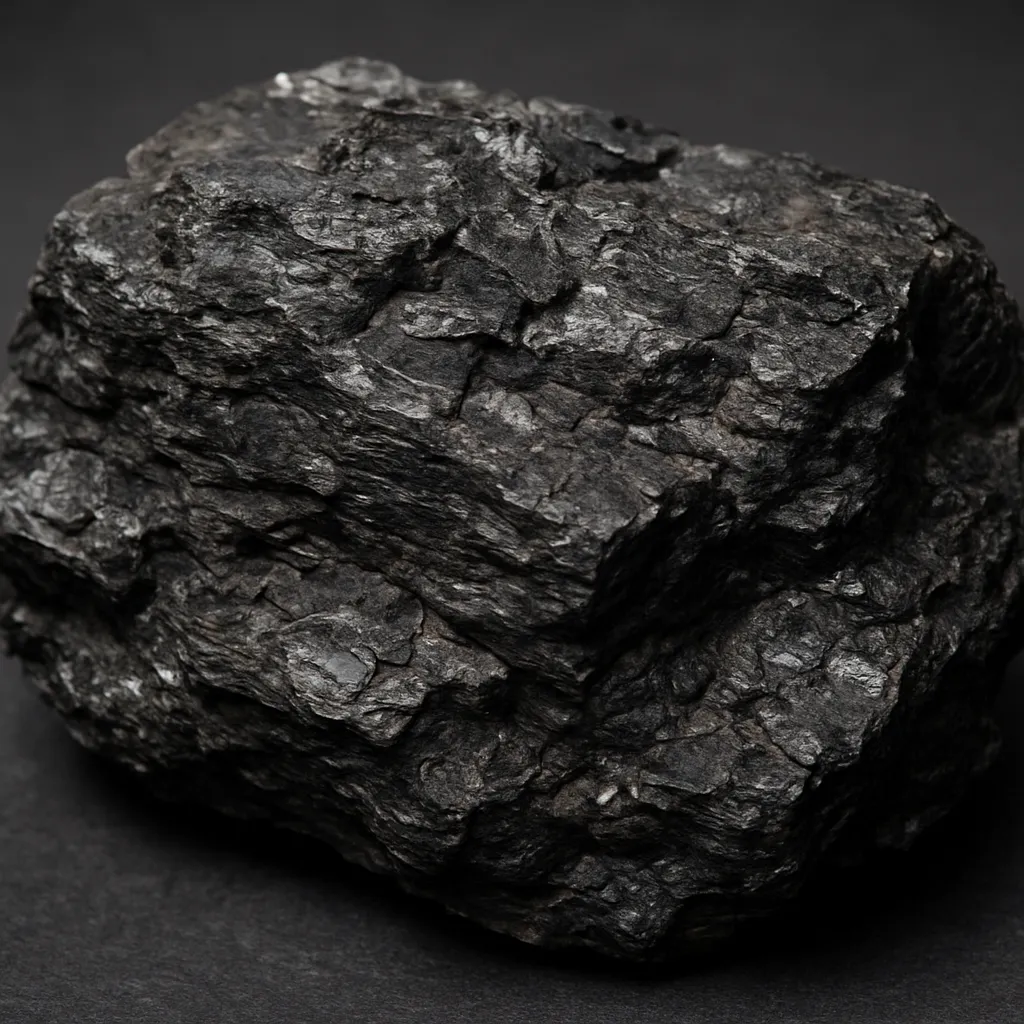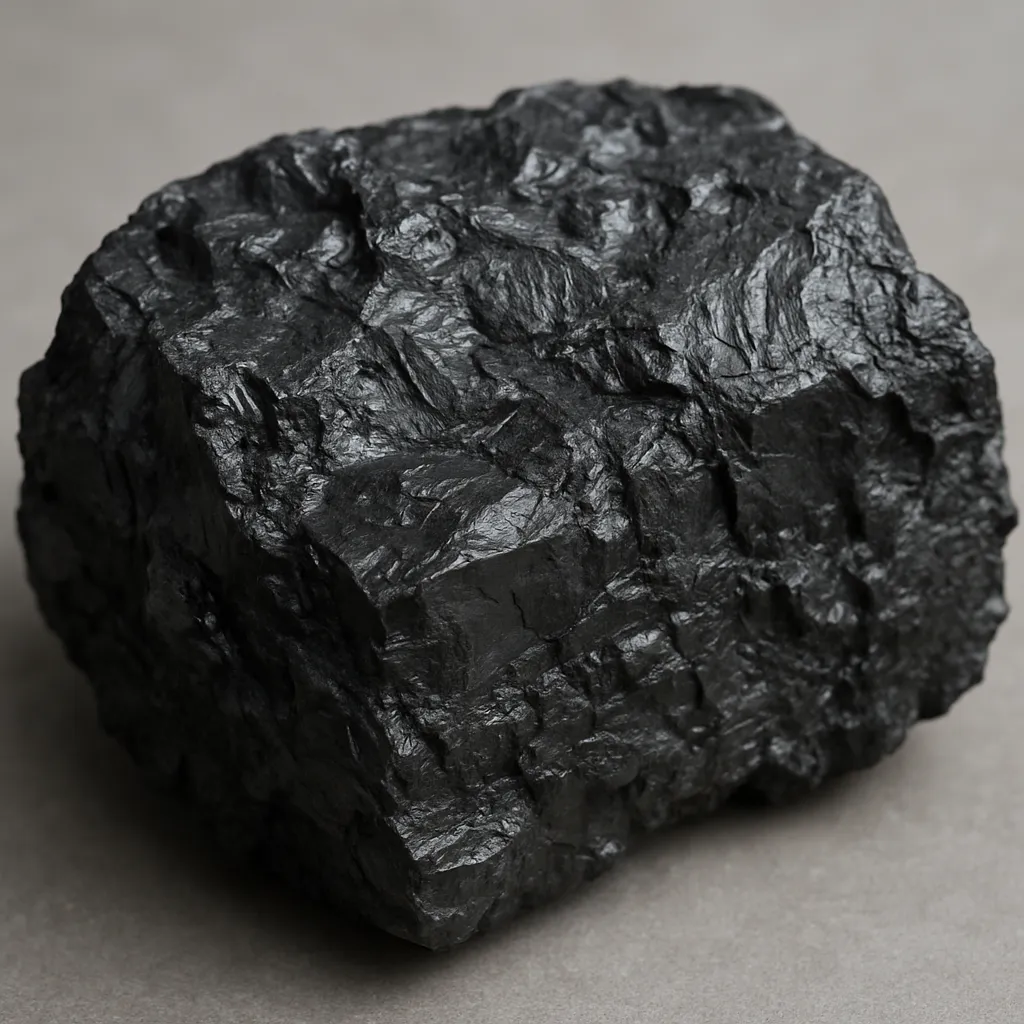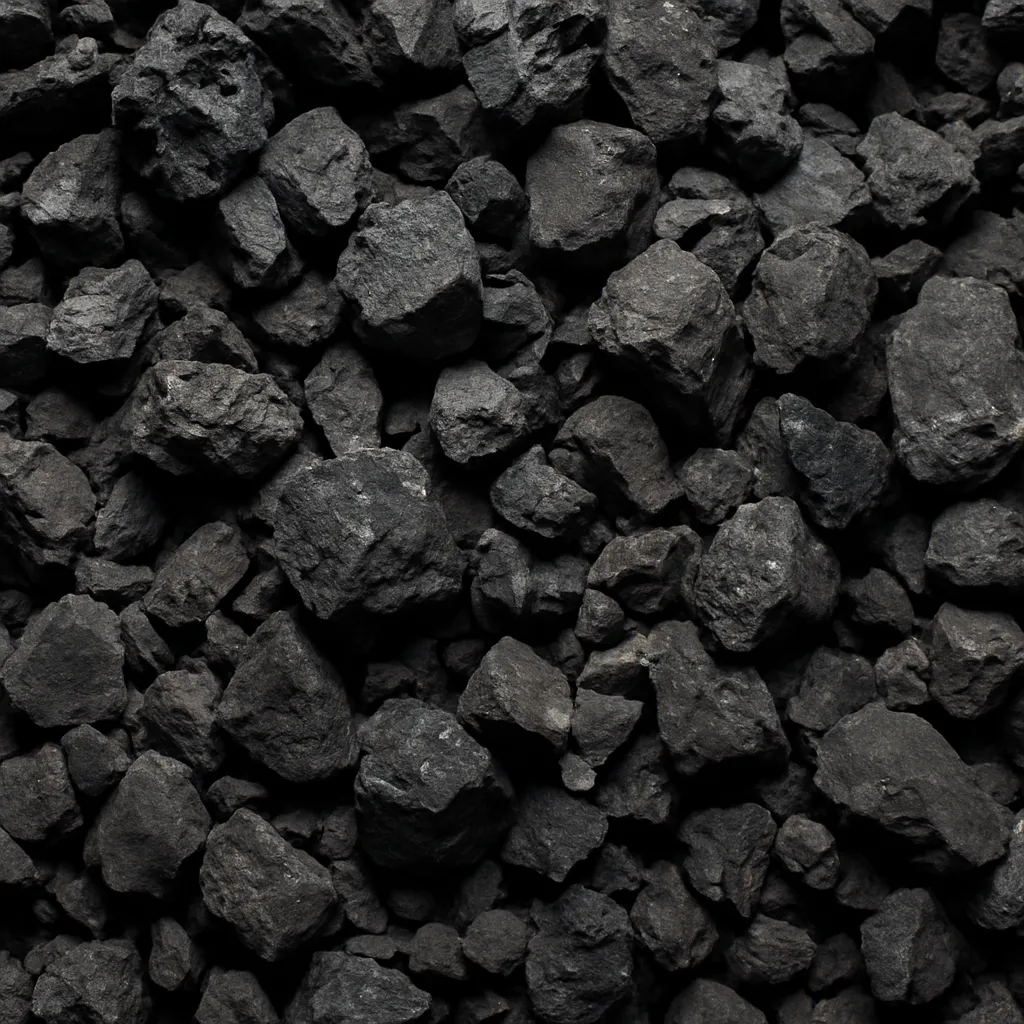
The phrase coal rejects refers to the material separated from mined coal during preparation and washing processes — the fraction considered unsuitable for direct sale or conventional combustion because of high ash, moisture, sulfur, or other deleterious components. Despite being labeled “rejects”, this material plays a significant and evolving role in modern industry, environmental management and the emerging circular economy for fossil fuel residues. This article surveys where coal rejects are found and produced, how they are managed, their economic and industrial importance, environmental consequences, recovery technologies and trends shaping their future use.
Occurrence, Generation and Mining Context
Coal rejects arise at various points in the mining and coal-preparation chain. They are generated in underground and surface mines, at coal washing plants (preparation plants), and during handling and processing (sizing, screening, crushing, and flotation). Two principal types of reject materials are commonly described:
- Run-of-mine (ROM) rejects — coarse rock, low-grade coal and interburden discarded at the mine site during extraction and initial sorting.
- Washery rejects (also called coal preparation plant rejects or tailings) — fines and middlings produced during washing and beneficiation when coal is separated from mineral matter.
Where coal is most intensively mined, especially in large producing countries such as China, India, the United States, Australia, Russia and South Africa, coal rejects accumulate in very large volumes. The volume of rejects depends on multiple factors: the quality of the raw coal seam, the washing/beneficiation technology used, and the market requirements for product quality (e.g., maximum ash and sulfur limits). Typical washery reject rates can vary widely — from a few percent up to 30–40% of raw mass in extreme cases — with many operations producing rejects in the range of roughly 5–20% of processed coal.
Composition and Physical Properties
Coal rejects are heterogeneous materials, often a mixture of coal fines, rock fragments, shale, clay, and mineral matter. Common properties include:
- Ash content: much higher than marketable coal, often exceeding 30–60%.
- Moisture: particularly in fine tailings, moisture can range from 10% to over 60% by weight, affecting handling and storage.
- Sulfur and trace elements: some rejects have elevated sulfur, arsenic, mercury or other trace elements that complicate disposal and reuse.
- Particle size distribution: rejects often contain a high proportion of fines (<0.5 mm) which makes recovery and dewatering challenging.
Because of this variability, many reject streams are characterized on-site and assigned to different management routes: coarse rejects may be used in backfilling or construction, while fine slurries are often stored in tailings ponds or dewatered prior to reuse.
Economic and Industrial Significance
Traditionally viewed as a disposal problem and a cost centre, coal rejects are increasingly seen as a potential resource. The economic significance stems from several factors:
- Energy recovery: a portion of rejects still contains residual calorific value. Recovery and concentration of combustible fines can return energy to coal value chains, reducing fuel imports and waste management costs.
- Material inputs for industry: high-ash rejects can be used as feedstock in cement kilns, brick manufacture, aggregate for construction, and as raw material in sintering or smelting applications.
- By-product extraction: research and some commercial operations recover valuable substances from rejects — e.g., rare earth elements, metals and carbonaceous fractions for activated carbon.
- Cost avoidance: reductions in landfill use, lower environmental liability and minimized land take yield indirect economic benefits for mining companies and host communities.
Market opportunities depend on location, transport costs, and the proximity of consumers such as cement plants or power stations able to co-fire lower-grade material. In regions with strong industrial clusters (e.g., steel or cement production), utilization of rejects is more economically attractive.
Global and Country-level Statistics and Trends
Quantifying global reject volumes is complicated by inconsistent reporting and by the wide variation in beneficiation practises. However, some broad observations are possible:
- Global coal production in the early 2020s remained on the order of several billion tonnes annually. Even if a modest fraction of that production is discarded as rejects, the absolute volumes translate into hundreds of millions of tonnes of waste generated each year.
- In high-intensity coal regions, both historical accumulations and annual generation of reject materials represent major environmental and land-management challenges. For example, large coal-producing countries in Asia generate huge volumes of coal gangue and tailings; many have introduced national programs to improve utilization and reclaim gangue piles.
- Improved beneficiation technologies, stricter environmental regulation and market pressure for higher-quality coal products have increased the production of finer rejects, which are harder to manage but also create incentives for innovation in recovery.
At the regional level, trends include: growing recovery and reuse initiatives in China (driven by policy and local industry demand), ongoing efforts in Europe to manage legacy coal waste, and technological adoption in North America and Australia to recover fine coal and reduce ponded tailings. These shifts are producing measurable reductions in waste volumes for some operators and increasing volumes available for secondary use.
Environmental Impacts and Risks
Coal rejects present a suite of environmental hazards when not properly managed. Key concerns include:
- Acid drainage and leachate: sulphur-bearing minerals in rejects can oxidize, producing acidic waters that mobilize heavy metals and damage local waterways and soils.
- Spontaneous combustion: large stockpiles of coal-bearing rejects can self-ignite, producing fires that are difficult to extinguish and create air pollution and greenhouse gas emissions.
- Dust and particulate pollution: fine rejects can generate dust during handling and transport, impacting local air quality and health if not mitigated.
- Land use and stability: tailings dams and waste piles occupy land that might otherwise be used for agriculture, housing or natural habitat; poorly designed storage can lead to slope failure or dam breaches with catastrophic consequences.
Mitigation and compliance costs can be substantial, and in many jurisdictions environmental regulation now makes sound management of rejects a legal and financial necessity rather than an optional practice.
Technologies and Methods for Recovery and Valorization
Significant technological innovation has focused on reducing the environmental footprint of rejects and converting waste into value. Key approaches include:
- Physical beneficiation: improved fine coal recovery technologies — column flotation, hydrocyclones, spiral concentrators and centrifuges — are reclaiming combustible matter from fine reject streams.
- Dewatering and drying: advanced filters, belt presses, filter presses, thermal dryers and chemical flocculants reduce moisture content and make rejects transportable and usable.
- Briquetting and pelletization: agglomeration technologies transform fines into standardized fuels for industrial boilers or metallurgical processes.
- Thermal treatments and gasification: pyrolysis and gasification of rejects produce syngas, chemicals, or fixed carbon products; coupled with carbon capture technology, these processes can be part of decarbonization strategies in some contexts.
- Material valorization: processing rejects into cement raw mix, bricks, lightweight aggregates or road sub-base mitigates disposal needs and provides low-cost materials.
- Advanced extraction: techniques for recovering critical elements (e.g., rare earth elements, uranium and strategic metals) from coal and ash are under development and small-scale commercialisation.
The choice of technology depends on the reject composition, scale of operation, and proximity to end-users. Integration of several methods can yield the best economic and environmental outcome — for instance, dewatering followed by briquetting and co-firing.
Case Studies and Examples of Utilization
Several real-world examples illustrate the possibilities:
- In parts of China, large coal gangue piles have been exploited to feed dedicated power plants and cement kilns, turning an environmental liability into energy and cement feedstock. Some provinces have invested in infrastructure to transport gangue to nearby industrial consumers, reducing waste piles and creating local employment.
- In Australia and the United States, mine operators increasingly recover fine coal from tailings and reprocess legacy ponded material with modern cyclones and flotation cells to recover marketable product or provide fuel for on-site power generation.
- European brick manufacturers sometimes incorporate washed coal rejects into ceramic wall bricks or lightweight construction materials, taking advantage of the mineral matter as a raw component.
These case studies show that where policy, industry demand and technology align, rejects can be successfully integrated into circular material flows.
Economic Challenges and Market Drivers
Despite opportunities, several economic barriers exist:
- Transport costs: because rejects are bulky and often low in energy density after washing, long-distance transport to potential consumers is rarely economical.
- Capital and operating costs: recovery plants, dewatering equipment and briquetting lines require investment that may not be justified if the recovered product has limited value.
- Quality variability: inconsistent reject composition complicates integration into industrial processes that demand reliable feedstock specification.
- Regulatory uncertainty: evolving environmental rules can both incentivize reuse (by penalizing disposal) and deter investment (if compliance requirements are unclear).
Market drivers that help overcome these barriers include rising disposal costs, higher prices for primary fuels, demand from nearby industries, renewable policies that provide incentives for lower-carbon alternatives, and public pressure to remediate legacy waste sites.
Policy, Regulation and Social Considerations
Governments and regulators play a central role in shaping how coal rejects are managed. Policies can promote reuse through:
- Incentives for research, pilot projects and industrial uses of rejects.
- Standards and permitting frameworks for safe reuse, e.g., in construction materials or co-firing.
- Stricter closure and reclamation rules for mine wastes, forcing operators to internalize long-term costs.
Social acceptance is another dimension: communities living near waste piles demand safer, cleaner solutions. Transparent stakeholder engagement, sound monitoring and benefit-sharing (e.g., job creation from reuse projects) improve the social licence for both mining and reuse initiatives.
Innovation and Research Frontiers
Active research areas offer promising new pathways:
- Advanced materials: converting carbon fractions in rejects into activated carbon, battery anode precursors, and carbon nanomaterials.
- Critical element recovery: refining hydrometallurgical and bioleaching methods to extract rare earths and strategic metals from coal-associated wastes.
- Low-emission thermal processes: designing gasification and pyrolysis systems optimized for heterogeneous reject streams with integrated emission control.
- Digitalization: using sensors, remote monitoring and machine learning to optimize tailings stability, predict spontaneous combustion risk, and improve beneficiation efficiency.
These innovations could transform environmental liabilities into feedstocks for high-value industrial chains, provided economic and regulatory frameworks support commercialization.
Future Outlook and Recommendations
The future of coal rejects will be shaped by a mix of market, policy and technological factors. Key conclusions and recommendations include:
- Expect continued pressure to reduce waste volumes and remediate legacy piles, driven by environmental regulation and social expectations.
- Targeted recovery of combustible fines and valuable by-products is likely to expand where infrastructure and end-users are nearby.
- Policymakers should encourage pilot projects, standardize quality specifications for reused materials, and provide fiscal incentives to internalize disposal costs and accelerate innovation.
- Investing in multifunctional recovery facilities — combining dewatering, briquetting and material beneficiation — increases the probability of economic success.
- Cross-sector collaboration (mining, cement, power, construction) allows synergies: rejects that are uneconomic for energy use may be ideal as mineral feedstock for other industries.
Adopting a holistic approach that values environmental safety, community interests and economic viability will produce the best outcomes for managing coal rejects in the coming decades.
Conclusion
Coal rejects are more than a waste stream: they are a complex by-product of global coal production with both environmental risks and economic opportunities. As coal markets evolve and environmental governance tightens, the effective management of rejects — through improved beneficiation, dewatering, reuse and novel extraction — will be essential. Strategic investments, supportive policy and continued innovation can transform many reject streams from costly liabilities into valuable resources that contribute to energy systems, industrial raw materials and local economies while reducing environmental harm.