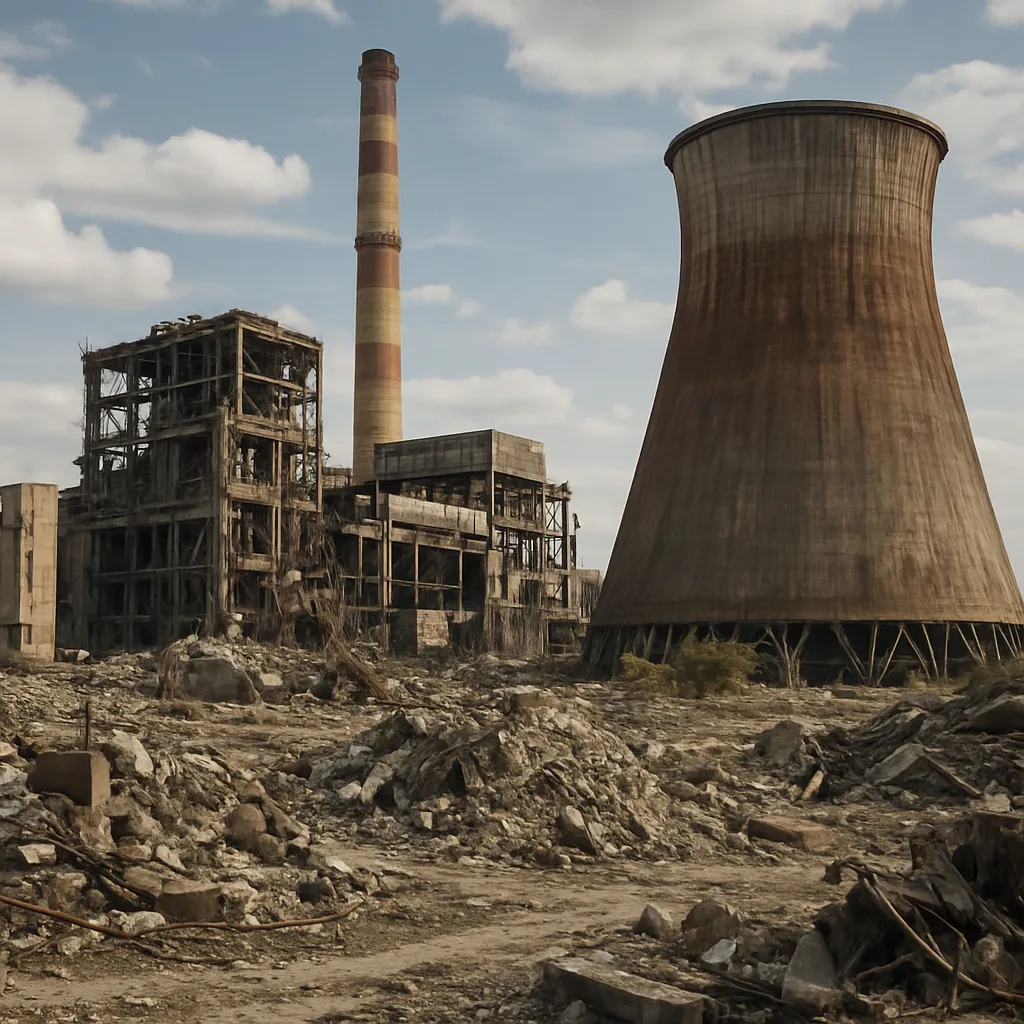
The transformation of the global energy landscape has triggered a wave of change for aging coal-fired power stations. These vast complexes, once symbols of industrial might, face a critical juncture as they transition from active service to legacy sites. Exploring the fate of decommissioned facilities reveals a complex interplay of environmental challenges, economic considerations, and innovative reuse strategies that shape the future of former coal hubs.
The Legacy of Coal and Its Stockpiles
For centuries, coal has been a cornerstone of energy generation. From the early steam engines of the Industrial Revolution to the sprawling coal fleets of modern utility companies, this fossil fuel has fueled progress—but at a cost. Understanding the size and management of coal stockpile inventories is essential when evaluating the end of a plant’s operating life.
Origins and Formation
Biological material buried under layers of sediment underwent heat and pressure over millions of years to form various grades of coal—from lignite to anthracite. Each grade offers different calorific values and emission profiles, influencing where and how it is used.
Coal Stock Management
- Inventory Monitoring: Operators keep detailed records of stored tonnages, moisture content, and quality fluctuations.
- Handling and Safety: Dust control, spontaneous combustion prevention, and runoff management are critical to safe storage.
- Market Dynamics: Price volatility and regulatory shifts can render large stockpiles economically burdensome or strategically valuable.
As plants approach retirement, leftover coal poses both a liability and an opportunity. Decisions must be made about whether to sell residual supplies, transfer them to other facilities, or employ them in alternative industries such as cement manufacturing.
Decommissioning: From Shutdown to Site Closure
The decommissioning of a coal-fired power plant is not a singular event but a multi-stage process that can extend over years or even decades.
Initial Shutdown
- Ceasing operations and disconnecting from the grid.
- Implementing environmental remediation measures for ash ponds and cooling towers.
- Safeguarding hazardous materials, including heavy metals and residual chemicals.
Equipment Dismantling and Salvage
Massive boilers, turbines, and generators are systematically disassembled. Many components find second lives through resale, recycling, or repurposing:
- Steel beams and structural elements enter the scrap market.
- Copper wiring and piping are reclaimed for industrial reuse.
- Concrete can be crushed for aggregate in infrastructure projects.
Waste Management and Site Cleanup
Proper disposal of fly ash, bottom ash, and chemical residues is paramount to prevent soil and water contamination. Comprehensive site assessments guide the removal or containment of pollutants, ensuring compliance with evolving sustainability standards.
Environmental and Social Impacts
Decommissioned coal plants can leave a lasting imprint on local ecosystems and communities. Addressing these impacts requires a holistic approach that balances restoration with future use potential.
Land Rehabilitation
Once contamination is addressed, soils may be regraded, capped, and replanted with native vegetation. Techniques include:
- Phytoremediation: Using specific plant species to absorb residual toxins.
- Wetland Creation: Converting former ash ponds into wildlife-friendly wetlands.
- Habitat Corridors: Establishing green belts to support biodiversity and recreational access.
Community Transition
Many coal-dependent towns face economic hardship when a plant closes. Effective strategies involve:
- Workforce Retraining: Equipping former plant employees for roles in renewable energy, manufacturing, or services.
- Economic Diversification: Incentivizing new industries through tax breaks and infrastructure upgrades.
- Community Engagement: Collaborative planning ensures that redevelopment reflects local needs.
Innovative Reuse and Regeneration
Rather than leaving decommissioned sites idle, visionaries are exploring bold concepts to breathe new life into these sprawling complexes.
Industrial Repurposing
- Data Centers: Abundant power connections and robust grid access make former plants ideal for high-energy computing facilities.
- Green Hydrogen Production: Electrolyzers on-site leverage existing infrastructure to generate zero-carbon fuel.
- Manufacturing Hubs: Large turbogenerator bays convert into flexible factory spaces.
Renewable Energy Parks
The expansive rooftops and cleared land around old coal stations are perfect for:
- Solar Photovoltaics: Installing panels on vast brownfield sites.
- Wind Turbine Foundations: Leveraging grid interconnections to feed new wind capacity.
- Energy Storage: Converting former coal bunkers into battery or pumped hydro storage facilities.
Community and Cultural Centers
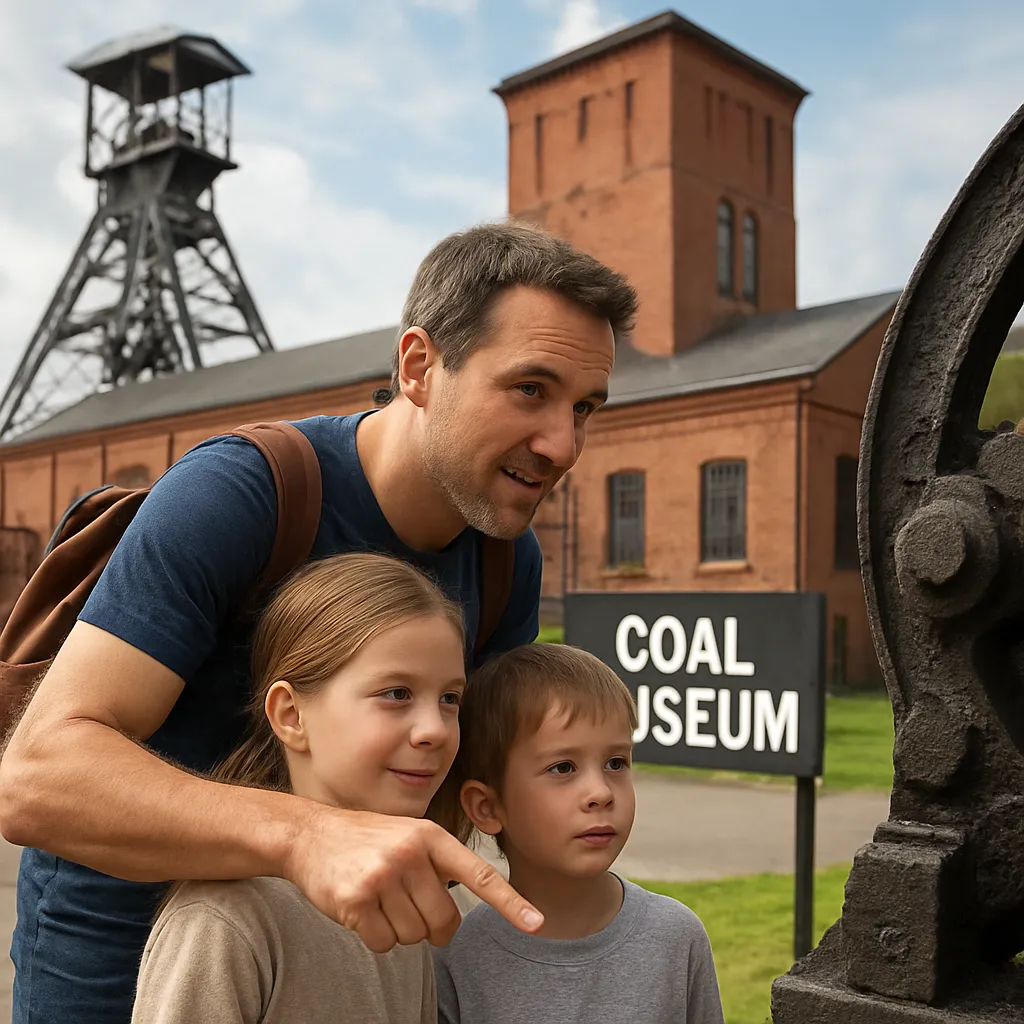
As societal priorities shift, some plants transform into museums, performance venues, or mixed-use developments. These projects highlight industrial heritage while fostering local identity and tourism.
Economic Considerations and Policy Drivers
Government policies and market forces play pivotal roles in shaping what happens to decommissioned coal facilities. Regulatory frameworks can either accelerate redevelopment or prolong abandonment.
Incentives and Funding
- Grants and Subsidies: Direct support for site remediation, renewable deployment, and job creation.
- Carbon Taxes and Emissions Trading: Internalizing costs to encourage greener alternatives.
- Public-Private Partnerships: Sharing risk between government agencies and private investors.
Risk Management
Investors weigh potential returns against infrastructure rehabilitation expenses. Detailed feasibility studies evaluate:
- Environmental liabilities and cleanup timing.
- Market demand for proposed new uses.
- Long-term community acceptance and regulatory certainty.
Future Outlook
As the world pursues net-zero goals, coal plants face an inexorable decline. Yet their concrete footprints and robust connections to national grids offer unique opportunities for innovative redevelopment. Successful projects will marry technical ingenuity with community vision, transforming aged coal emissions into pathways for clean energy innovation and social renewal.