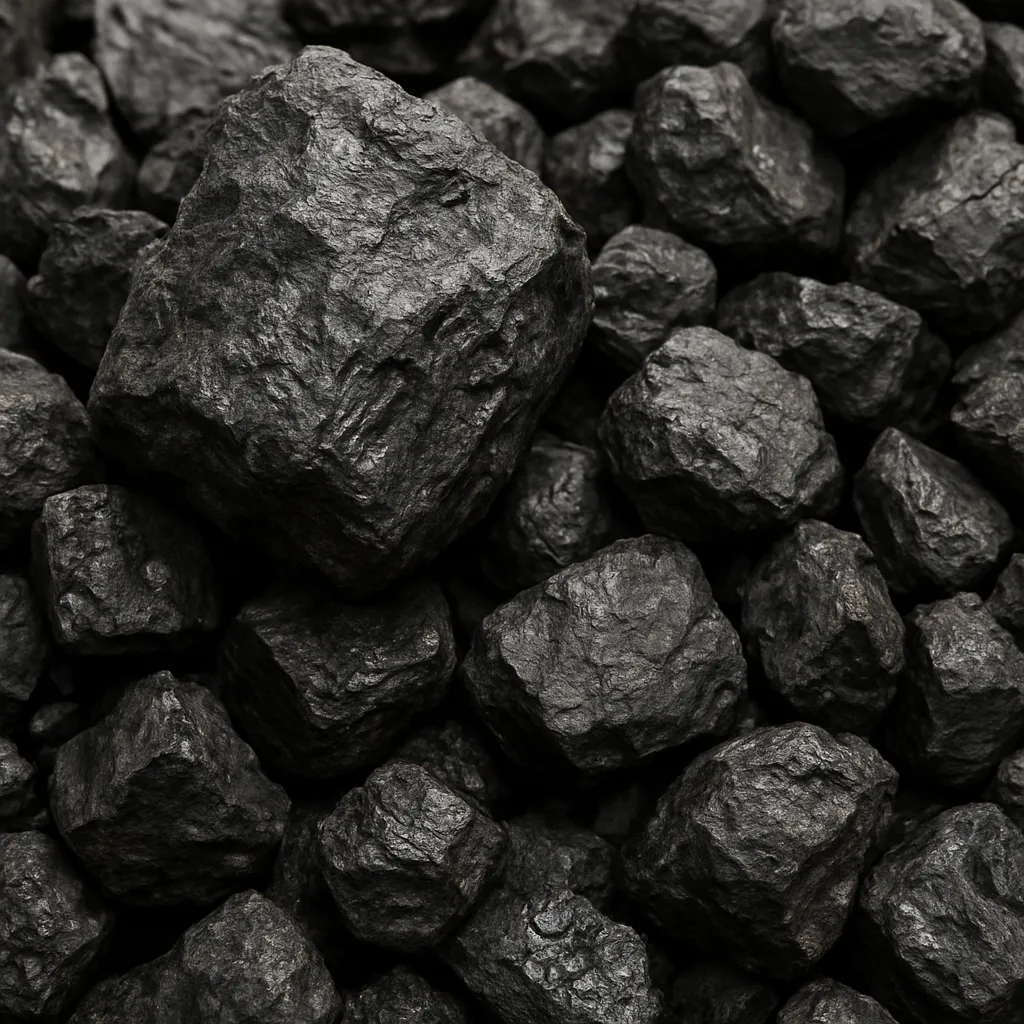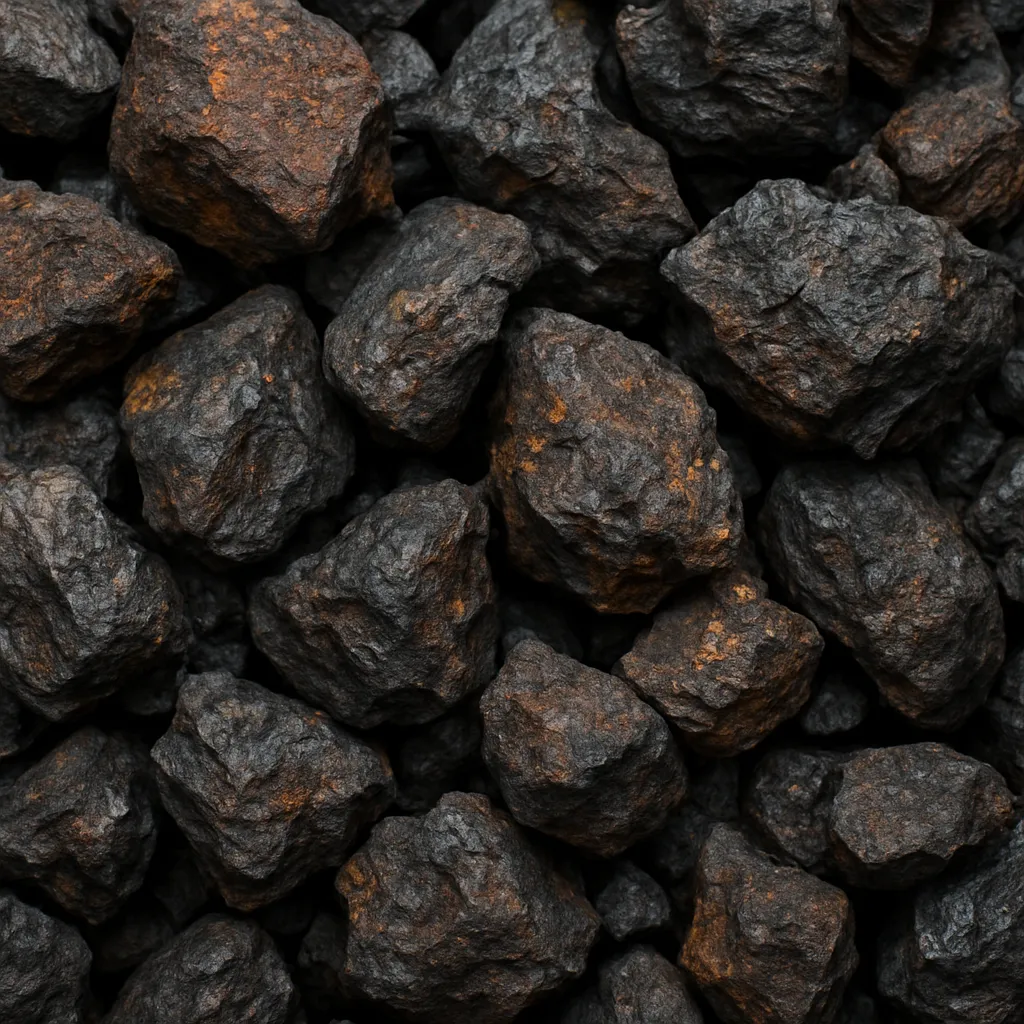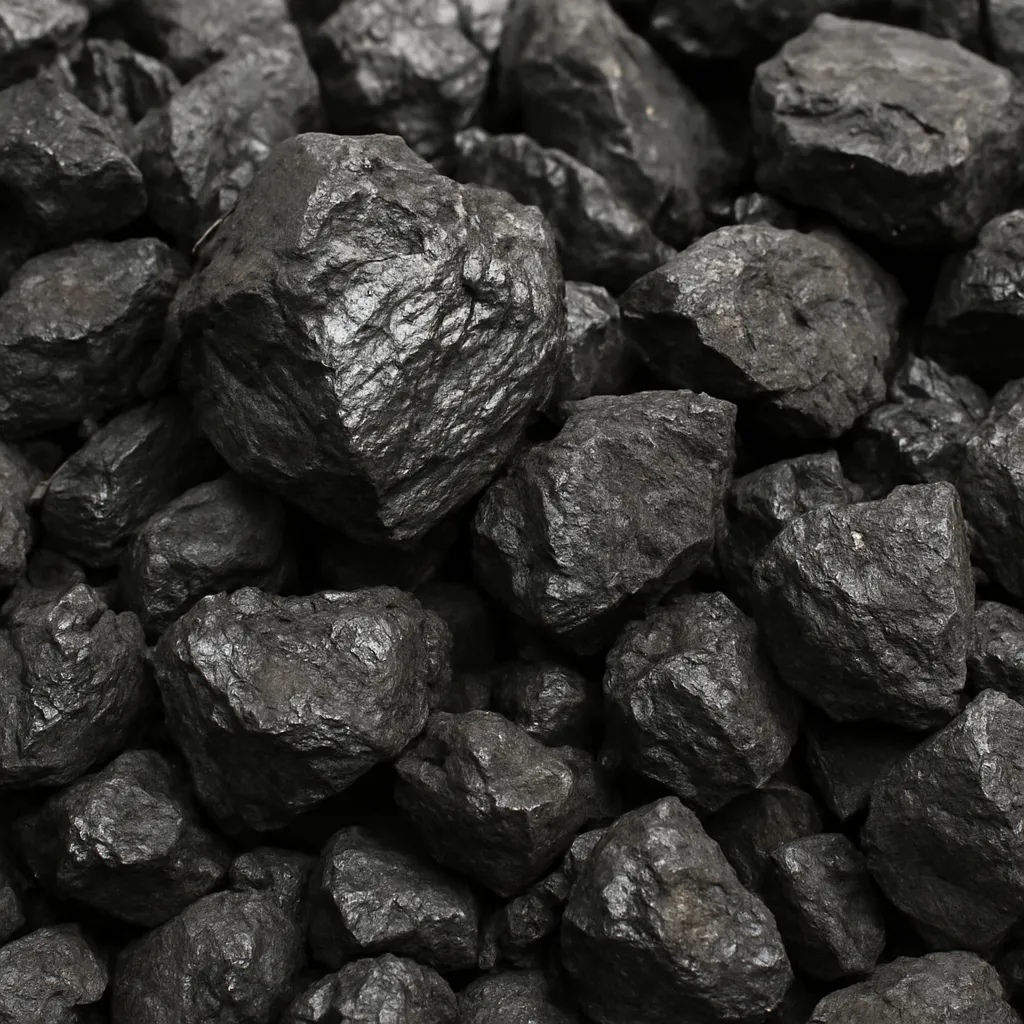
This article examines gasification-grade sub-bituminous coal: its geological characteristics, global distribution, mining and supply patterns, technical suitability for coal gasification and related processes, economic and market aspects, environmental considerations, and prospects for the coming decades. The focus is on features that make certain sub-bituminous coals especially attractive for advanced conversion technologies such as integrated gasification combined cycle (IGCC), coal-to-liquids and coal-to-chemicals projects, and on the role this fuel plays in local and global energy systems.
Geology, Rank and Key Physical Properties
Sub-bituminous coal is a low- to mid-rank coal positioned between lignite (brown coal) and bituminous coal on the coalification scale. It typically has higher fixed carbon and lower moisture than lignite but lower calorific value, higher moisture and higher volatile matter than bituminous grades. Many sub-bituminous coals are classified as low-rank coals and present a characteristic set of properties that influence mining, handling and conversion:
- Moisture content: variable, commonly in the range of roughly 10–30% on an as-received basis, which reduces heating value and affects transport economics.
- Calorific value: nominal gross calorific values often fall broadly in the range of 15–24 MJ/kg (higher heating value) on an as-received basis; values depend on moisture and ash content.
- Volatile matter and reactivity: high volatile content compared with higher-rank coals; this increases reactivity in gasification and combustion.
- Rank-related behavior: sub-bituminous coals are typically non-caking (non-agglomerating) and do not soften and resolidify like caking bituminous coals, which affects suitability for certain processes.
- Sulfur and ash: many sub-bituminous coals have relatively low sulfur levels, which can reduce SOx emissions in downstream conversion; ash content varies by seam and basin.
From the perspective of coal conversion, the combination of reactivity and moderate calorific value, paired with often lower sulfur, makes certain sub-bituminous coals desirable for gasification to produce synthetic gas (syngas) that can be further processed to power, hydrogen or chemicals.
Global Occurrence and Major Producing Regions
Sub-bituminous coal deposits occur worldwide wherever geological conditions favored moderate burial and coalification. They are abundant in some of the largest coal basins and play a central role in the energy mix of several nations. Major basins and producing regions include:
- United States — Powder River Basin (PRB): The PRB (Wyoming and Montana) is the world’s most prominent source of low-sulfur, sub-bituminous coal. PRB coal has fueled U.S. power generation for decades and has been a dominant export grade.
- Indonesia: Large volumes of low-rank thermal coal exported to Asia are generally categorized as sub-bituminous to low-volatile bituminous; Indonesian production and exports serve many power plants across Asia.
- Russia and Kazakhstan: Several deposits in Siberia and Central Asia yield substantial sub-bituminous tonnages, serving domestic markets and export corridors to Europe and Asia.
- Australia: While Australia is often associated with bituminous (thermal) and metallurgical grades, significant supplies of lower-rank thermal coal used in domestic power generation and some export streams are sub-bituminous.
- Canada and parts of Europe: regional deposits of sub-bituminous coal contribute to local electricity generation or feedstock supply.
- China and India: both countries have extensive low-rank coal resources (including sub-bituminous and lignite), often exploited for domestic power and, increasingly, for coal-to-chemical projects in China.
Exact shares vary by country. In several major basins, particularly the PRB in the U.S. and various Indonesian fields, sub-bituminous coals are the predominant commercial coal type. Their abundance and low sulfur content make them attractive for both domestic consumption and export markets.
Mining, Handling and Quality Management
Mining methods for sub-bituminous coal are typically optimized for large, relatively shallow seams and amenable geology. Surface (open-pit) mining is common in deposits like the Powder River Basin, while underground mining occurs where seams are deeper or more geologically complex. Key practical considerations include:
- Drying and spontaneous combustion risk: higher moisture and free oxygen in stockpiles can create risks; careful blending, stockpile management and sometimes thermal drying are employed.
- Transportation: the relatively low calorific value means that transport distances and mode (rail, barge) have major economic implications for delivered energy cost;
- Beneficiation: physical beneficiation (washing, gravity separation) can reduce ash and improve heating value, though economics depend on ash characteristics and market premium;
- Upgrading technologies: increasing interest in pre-drying, pelletizing, coal-water slurry and briquetting to make sub-bituminous coal more transport- and conversion-friendly.
Quality control and blending are standard industry responses to variability within seams; operators blend coals to meet specification for power plants or gasifiers, optimizing moisture, ash and sulfur to meet contractual and environmental constraints.
Gasification: Technical Suitability and Process Considerations
Gasification converts carbonaceous feedstock into a combustible synthesis gas composed primarily of hydrogen (H2), carbon monoxide (CO), carbon dioxide (CO2), methane (CH4) and other light gases. Sub-bituminous coals have attributes that influence gasifier performance:
- High reactivity generally enhances conversion rates and lowers residence times in fixed-bed, fluidized-bed or entrained-flow gasifiers; this is beneficial for efficiency and throughput.
- High moisture reduces thermal efficiency because energy is consumed to evaporate water; pre-drying or air drying can improve specific energy performance.
- Low sulfur content reduces the need for extensive syngas desulfurization and lowers downstream corrosion and environmental control burdens.
- Non-caking behavior prevents excessive agglomeration in certain gasifier designs, but ash fusion characteristics still matter for slagging or entrainment.
Common industrial gasifier types and their fit with sub-bituminous coal:
- Entrained-flow gasifiers: operate at high temperature and often prefer pulverized feedstocks; pre-drying and pulverization of sub-bituminous coal are usually necessary.
- Fluidized-bed gasifiers: more tolerant of higher moisture and particle size; can handle low-rank coals with less pre-treatment.
- Fixed-bed (moving-bed) gasifiers: used in smaller-scale gasification; suitable for coarser, less-processed sub-bituminous material.
Gasification produces raw syngas that is conditioned and cleaned. Typical end uses include:
- Power generation via IGCC, where syngas is combusted in a gas turbine combined-cycle arrangement.
- Production of hydrogen, either for fertilizer (ammonia) production or potential low-carbon hydrogen when combined with carbon capture.
- Coal-to-liquids (CTL) and coal-to-chemicals (CTC) pathways — Fischer-Tropsch synthesis and methanol/DME production are common downstream routes.
- Feedstock for petrochemical and fertilizer industries where natural gas may be scarce or expensive.
Economic and Market Dynamics
The economics of using sub-bituminous coal for gasification depend on many factors: feedstock price and transport cost, capital cost of gasification and downstream plants, availability of cheaper natural gas, environmental regulations (carbon pricing, emissions limits), and local market demand for hydrogen, power and petrochemicals.
- Feedstock advantage: in regions with abundant, low-cost sub-bituminous coal and limited natural gas, gasification can be an economic route to produce liquid fuels, hydrogen or chemicals.
- Capital intensity: gasification projects, and particularly IGCC plants with carbon capture, are capital-heavy. Typical capital costs for an IGCC plant historically have been higher than those of conventional pulverized coal plants; developers must secure long-term markets or incentives.
- Transport and logistics: because sub-bituminous coal has lower energy density, proximity to conversion plants is an economic advantage. Large coal-to-chemical complexes are frequently sited near mines or served by low-cost rail to reduce delivered cost.
- Market competitors: cheap natural gas (where available) and renewable electricity are competitive threats to new coal gasification investments, particularly in markets with stringent carbon policy.
Real-world examples and trends:
- China has invested heavily in coal-to-chemicals, gasification and coal-to-liquids projects, often using domestic low-rank coals to produce methanol, olefins and synthetic fuels. These programs are driven by energy security and feedstock diversification.
- In the U.S., interest in IGCC peaked in the 1990s–2000s and continues at smaller scale for some demonstration projects and carbon capture studies; Powder River Basin coal has been used in experimental gasification and power projects.
- Commercial export markets for sub-bituminous thermal coal remain strong in parts of Asia where coal-fired power is expanding; however, long-term prospects depend on policy responses to climate change.
Statistical Context and Scale (Estimates and Trends)
Broad statistical context helps assess the role of sub-bituminous coal in global energy. While precise figures fluctuate year to year, several robust trends and approximate magnitudes are observable:
- Global coal production: annual global coal production in recent years has been on the order of several billion tonnes (metric). Sub-bituminous and lignite together account for a substantial share of reserves and production in many coal-producing countries.
- Regional shares: in the United States, sub-bituminous coal from the Powder River Basin historically represented a large portion of U.S. thermal coal production (on the order of hundreds of millions of tonnes per year). Indonesia’s exports of lower-rank thermal coal to Asia have been measured in the hundreds of millions of tonnes annually as well.
- Gasification market size: worldwide, coal gasification capacity is concentrated in China (large-scale coal-to-chemicals and synthetic fuel plants), with smaller projects and demonstrations elsewhere. Installed commercial coal gasification capacity for chemicals and fuels is therefore significant but represents a modest fraction of total coal consumption for power.
Given the variability of reporting and the multiple coal classifications used by different agencies, it is prudent to treat numerical values as indicative rather than exact. The strategic point is that where sub-bituminous coal is abundant and competitively priced, it often becomes the feedstock of choice for large, centralized conversion plants. Conversely, in regions with cheap natural gas or strong decarbonization policy, capital-intensive coal gasification projects face headwinds.
Environmental Considerations and Mitigation Options
Sub-bituminous coal, like all fossil fuels, contributes CO2 emissions when converted to energy or products. However, its specific properties (low sulfur, high moisture) shape the environmental control strategy:
- Emissions profile: lower sulfur content can reduce SOx emissions, but higher moisture and lower calorific value raise CO2 emissions per unit of delivered energy if not offset by efficiency measures.
- Air quality: gasification with syngas cleanup can produce cleaner flue gas than direct coal combustion, removing particulates, mercury and sulfur compounds at the syngas stage rather than in combustion flue gas.
- Carbon capture: gasification pathways are often cited as more amenable to CO2 capture than pulverized coal combustion because syngas can be shifted and CO2 separated at higher concentration and pressure, potentially lowering the cost of capture when integrated from the outset.
- Water use and effluents: drying, gasification and downstream chemical synthesis can involve significant water management considerations; process design and local water availability become critical.
- Land and mining impacts: open-pit mining of low-rank coal can have significant land disturbance; reclamation and social licensing are important components of project economics and sustainability.
Options to mitigate environmental impact include integrating carbon capture and storage (CCS), co-feeding biomass or waste in gasifiers to reduce net CO2 intensity, process electrification where possible, and deploying advanced emissions control for NOx, SOx and particulates.
Industrial Importance and Applications Beyond Power
Gasification-grade sub-bituminous coal supports a range of industrial applications beyond electricity:
- Fertilizer and chemicals: syngas-derived hydrogen and methanol are feedstocks for ammonia fertilizers and diverse chemical products; in countries with limited natural gas, coal-based hydrogen remains important.
- Liquid fuels: Fischer-Tropsch synthesis converts syngas to diesel and naphtha; in some jurisdictions, strategic programs have prioritized CTL fuels for energy security.
- Hydrogen production: coal gasification with subsequent water-gas shift and CO2 capture can supply large-scale hydrogen for industry, transport or export (blue hydrogen concepts).
- Industrial heat and syngas for metallurgical processes: syngas can substitute natural gas in many high-temperature industrial applications, offering feedstock flexibility.
Strategic industrial uses often drive the economic rationale for large gasification complexes: long-term contracts for chemicals, fuels or hydrogen can underpin heavy upfront investment and provide economies of scale that make sub-bituminous feedstock attractive.
Innovations, Challenges and the Outlook
Several technological and market developments shape the near- and mid-term outlook for gasification-grade sub-bituminous coal:
- Upgrading and drying technologies: thermal drying, mechanical dewatering, and solvent or membrane approaches reduce transport costs and improve gasifier efficiency.
- Flexible gasifier designs: systems that can co-feed biomass, municipal waste or petcoke alongside coal increase resilience to fuel-price signals and reduce carbon intensity.
- Integration with CCS/CCU: projects that build in carbon capture or utilize captured CO2 for chemical manufacture gain stronger footing in carbon-constrained environments.
- Policy and pricing signals: carbon pricing, emissions limits, and incentives for low-carbon hydrogen or blue fuels will determine whether new coal-based gasification projects are economically viable.
- Competition from renewables and green hydrogen: rapidly falling renewable electricity and electrolytic hydrogen costs are disruptive variables; the role of coal-derived hydrogen and chemicals will hinge on competitiveness and regulatory treatment.
In many producing regions, legacy assets and domestic industrial needs will keep sub-bituminous coal economically relevant for some time. However, the pace of energy transition, local policy choices and the economics of decarbonization technologies will shape whether new investment flows into advanced coal gasification or whether existing capacity is repurposed or retired.
Concluding Observations
Gasification-grade sub-bituminous coal occupies a pragmatic middle ground: it is abundant in multiple regions, often relatively low in sulfur, and more reactive than higher-rank coals—features that make it technically attractive for gasification and conversion to syngas, hydrogen and a range of chemicals and fuels. Economic viability depends on feedstock costs, proximity to markets, capital costs of conversion technologies (notably IGCC), and evolving regulatory frameworks surrounding carbon capture and emissions. In jurisdictions prioritizing energy security or industrial feedstock independence, sub-bituminous coal will likely remain an important raw material for gasification-based industrial projects. At the same time, global decarbonization trends and competition from low-carbon alternatives present major headwinds that the coal-to-syngas industry must address through technological innovation, integration of CCS and diversification of feedstock.