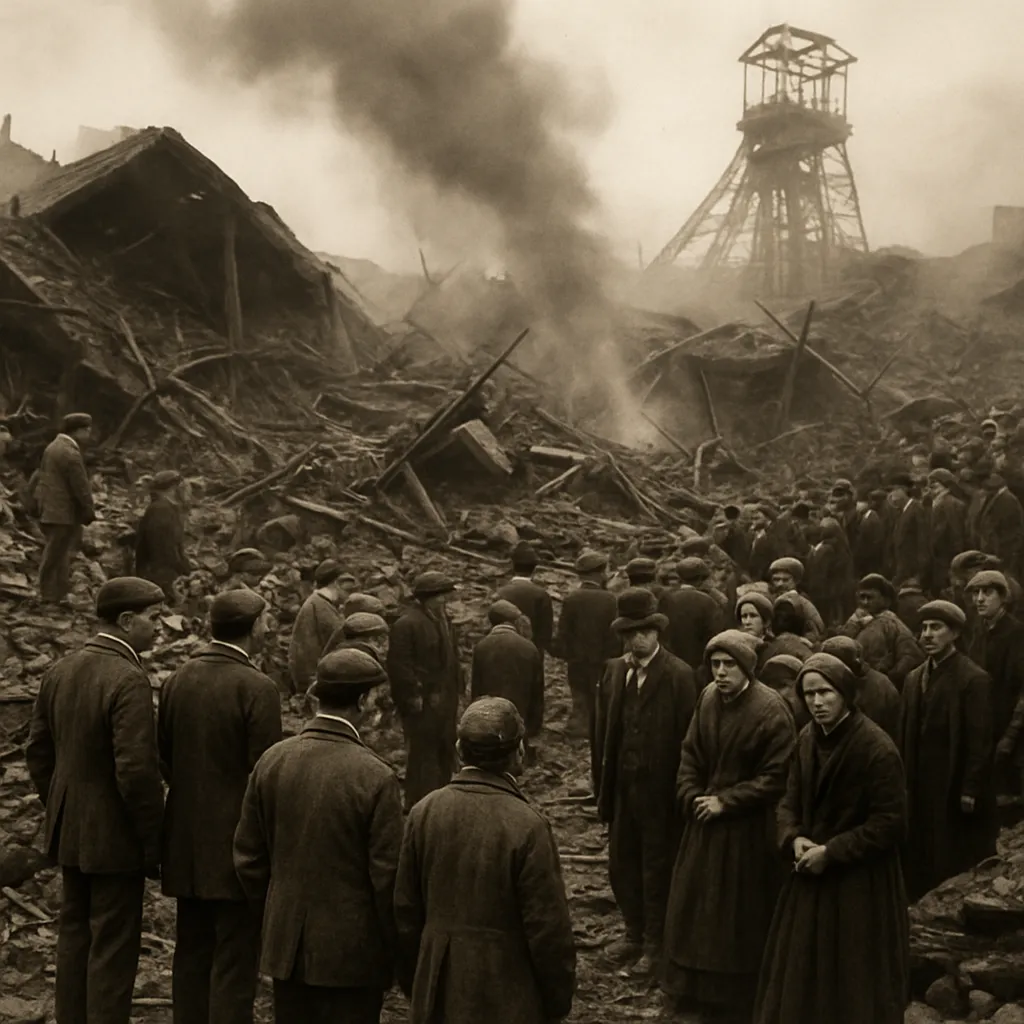
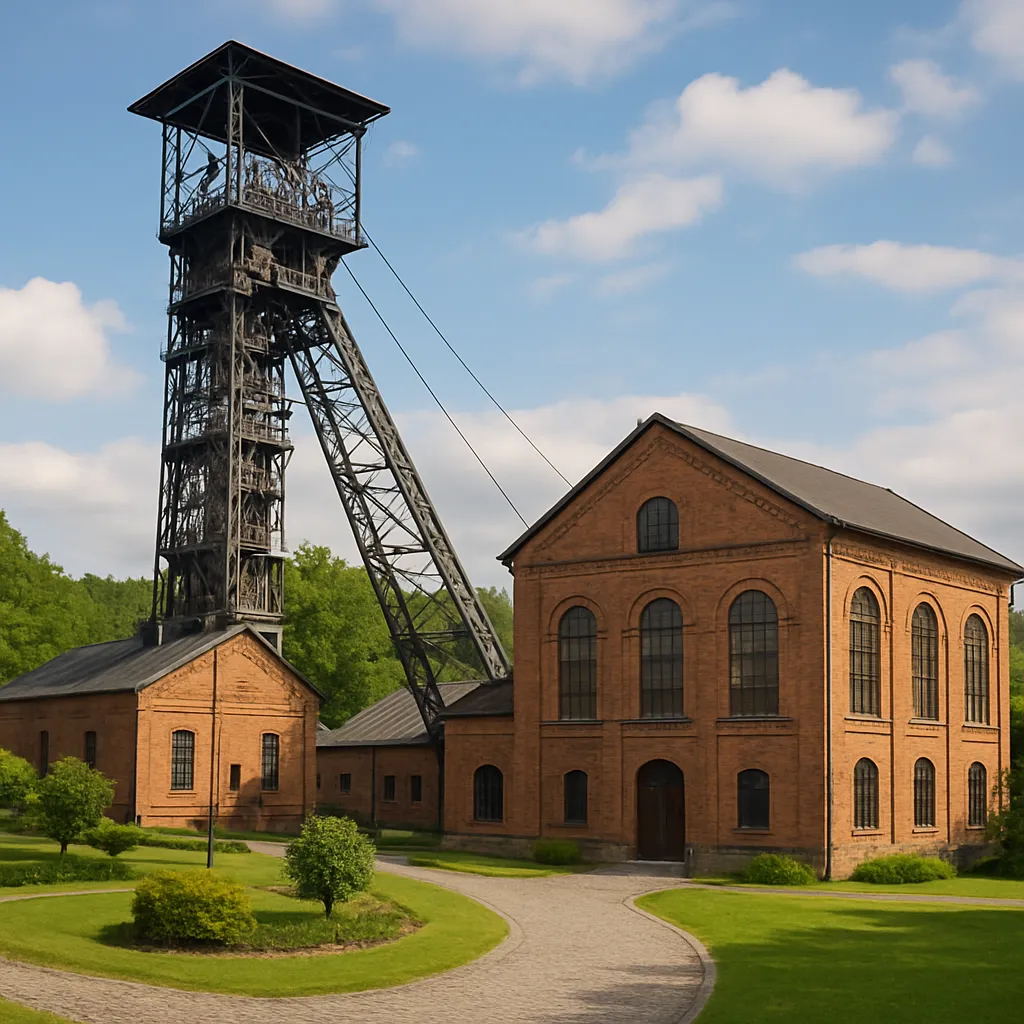
The global energy sector has long been intertwined with coal, a resource that has powered industries and economies for centuries. Despite its historical significance, coal faces mounting challenges from environmental concerns and market fluctuations. Simultaneously, the rise of Carbon Capture, Utilization and Storage (CCUS) offers a promising avenue to mitigate emissions and extend the lifespan of coal-based operations. This article explores the multifaceted world of coal, examines dynamics in coal stock markets, and delves into cutting-edge strategies in carbon management.
Coal: Geological Origins, Classification, and Industrial Demand
Formation and Types
Coal originates from the accumulation of plant matter in ancient swamps, transformed over millions of years by heat and pressure. Geologists categorize coal into several grades:
- Anthracite – the highest-rank coal with maximum carbon content and energy density.
- Bituminous – a common industrial grade, used extensively in power generation and steelmaking.
- Sub-bituminous – with lower calorific value but fewer impurities.
- Lignite – often called brown coal, with the lowest carbon content and highest moisture.
Key Properties and Uses
Coal’s versatility stems from its composition of carbon, hydrogen, oxygen, and other elements. High-grade anthracite is prized for its cleaner burn and efficiency, while bituminous coal remains the workhorse of thermal power plants. Lignite, though less energy-dense, supplies regional grids near mine sites. Beyond electricity, coal serves as a feedstock in chemical processes, notably in the production of synthetic fuels and steelmaking via coke ovens.
Environmental Footprint
Combustion of coal emits significant quantities of carbon dioxide, sulfur dioxide, and particulate matter. As nations strive to meet emissions targets under international accords, coal faces scrutiny. The development of flue-gas desulfurization units and electrostatic precipitators has reduced some pollutants, yet the sector remains under pressure to adopt more radical decarbonization measures.
Coal Stock: Market Trends, Investor Considerations, and Financial Instruments
Market Dynamics
The financial performance of coal producers is shaped by global demand, regulatory changes, and commodity cycles. In emerging economies, rapid industrialization sustains appetite for thermal coal, whereas developed markets shift toward natural gas and renewables. Price volatility often mirrors geopolitical events, supply-chain disruptions, or shifts in environmental policy.
Investment Strategies
Investors evaluate coal stocks through metrics such as production capacity, reserve life, and cost per ton. Indicators like the price-to-earnings ratio and debt levels gauge resilience. Some choose passive exposure via coal-focused exchange-traded funds (ETFs), while others favor equity stakes in diversified miners. Hedge funds might deploy derivatives to hedge price risk or to speculate on market swings.
Risks and Mitigation
Exposure to coal equities entails regulatory, operational, and climate-related risks. Stricter carbon pricing regimes can erode profit margins, while mine safety incidents incur legal liabilities. To manage risk, forward-looking companies invest in CCUS projects, diversify into alternative minerals (e.g., lithium for batteries), or expand into renewable energy portfolios.
Carbon Capture Technologies: Transforming Coal’s Environmental Profile
Pre-Combustion Capture
Pre-combustion methods gasify coal to produce syngas, separating CO₂ before combustion. This approach enhances combustion efficiency and allows for hydrogen-rich fuel production. However, it requires complex infrastructure and high capital investment, making it suitable mainly for large-scale integrated gasification combined cycle (IGCC) plants.
Post-Combustion Capture
Post-combustion systems treat flue gases after coal is burned. Solvents like amines chemically absorb CO₂, which is later released and compressed for storage or utilization. Retrofitting existing plants is a key advantage, though the energy penalty from solvent regeneration reduces net power output by 15–25%.
Oxyfuel Combustion
In oxyfuel, coal burns in a pure oxygen environment, producing a flue stream rich in CO₂ and water vapor. Condensation removes water, resulting in a concentrated CO₂ stream ready for sequestration. While promising lower capture costs, oxyfuel requires oxygen production and materials capable of withstanding higher flame temperatures.
Integration of CCUS into Coal-Based Facilities
Sequestration Options
Captured CO₂ can be injected into deep saline aquifers, depleted oil and gas fields, or basalt formations. Enhanced oil recovery (EOR) is a mature route, where injected CO₂ increases hydrocarbon extraction. For long-term storage, geological assessments ensure caprock integrity and monitor potential leakage.
Utilization Pathways
Beyond storage, CO₂ finds uses in chemical synthesis (e.g., urea production), mineralization to form stable carbonates, and biofuel cultivation in algae farms. Novel approaches include conversion into building materials, offering a dual benefit of carbon sequestration and reducing cement’s embodied emissions.
Economic and Policy Drivers
Government incentives, carbon pricing, and tax credits like the U.S. 45Q significantly influence CCUS project viability. Collaborative frameworks—public-private partnerships—help share technical risk. Standards and certification for stored or utilized CO₂ build stakeholder confidence.
Future Prospects: Innovation, Sustainability, and Transition Strategies
Advanced Materials and Process Optimization
Researchers explore novel solvents, membranes, and adsorbents to lower capture costs and energy consumption. High-temperature membranes, ionic liquids, and metal–organic frameworks (MOFs) show promise in lab-scale trials. Digital twins and AI-driven process controls optimize plant operations in real time.
Role in a Low-Carbon Economy
While renewable energy and electrification drive deep decarbonization, coal remains a reliable baseload source in many regions. By integrating CCUS, coal plants can align with net-zero goals, bridging the gap during energy transitions. Hybrid systems pairing biomass co-firing and CCS further enhance carbon neutrality.
Challenges Ahead
Scaling CCUS to gigaton levels demands robust supply chains for compressors, pipelines, and storage sites. Public acceptance hinges on transparent monitoring and clear liability frameworks. Securing long-term financing for large upfront capital expenditures remains a critical hurdle.
Coal Stockholders and Environmental Responsibility
Corporate Governance and Reporting
Major coal companies now incorporate sustainability metrics into annual reports. Emission reduction targets, CCUS project milestones, and biodiversity commitments reflect stakeholder demands. Integrated reporting frameworks like the Task Force on Climate-related Financial Disclosures (TCFD) guide transparent communication.
Community Engagement
Coal-dependent regions often face economic shocks from plant closures. Just transition strategies prioritize retraining workforces, investing in local renewables, and repurposing infrastructure. Collaborative initiatives between companies, governments, and NGOs ensure resilient communities.
Ethical Investment Trends
Environmental, Social, and Governance (ESG) criteria influence capital flows. Some institutional investors divest from high-emission assets, while impact funds seek companies leading in CCUS innovation. Ethical investment platforms rate stocks based on carbon intensity and transition readiness.
Conclusion
Coal’s trajectory from prehistoric peatlands to modern power plants illustrates its enduring significance. Yet, its future hinges on reconciling energy security with climate imperatives. Through strategic investments in advanced capture methods, geological storage, and sustainable utilization, coal can play a role in a decarbonized world. As coal stockholders navigate market volatility and regulatory shifts, embracing CCUS technologies represents both a challenge and an opportunity to redefine coal’s place in the global energy mix.