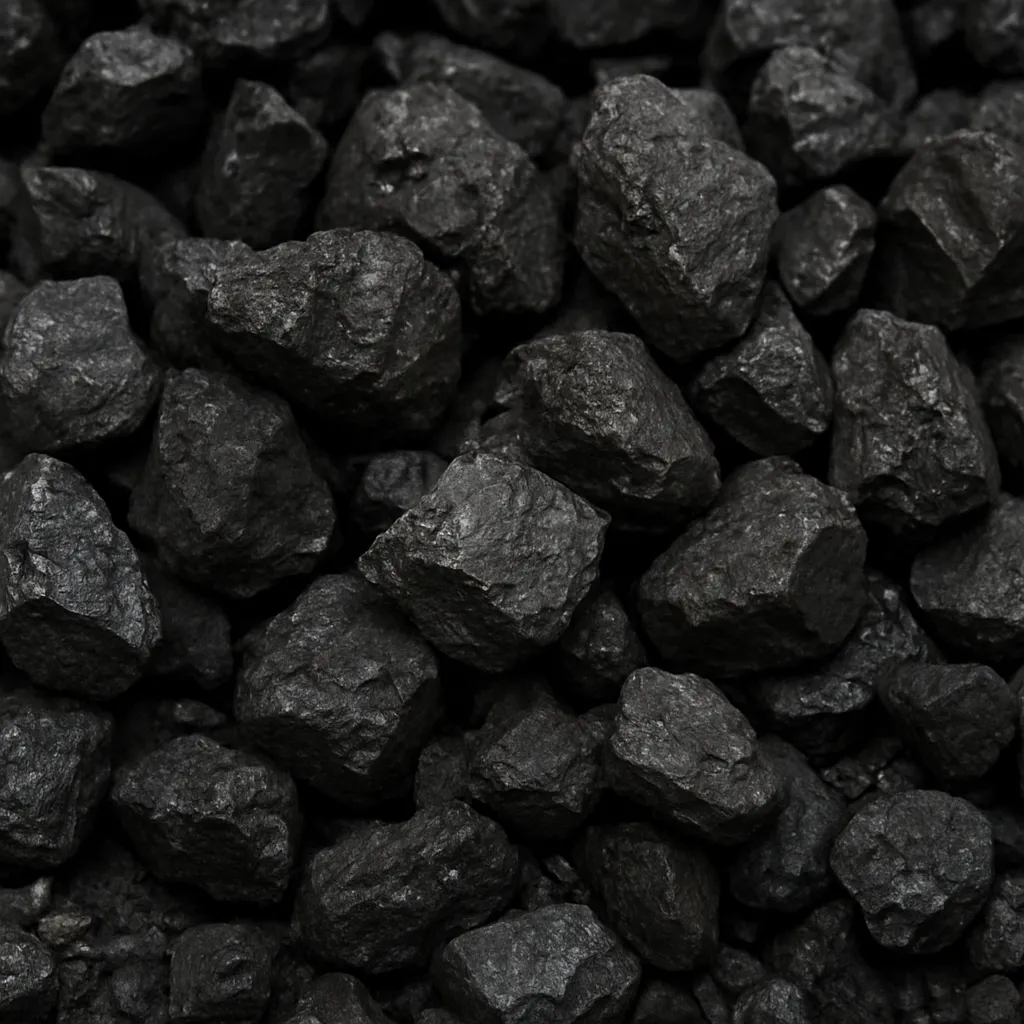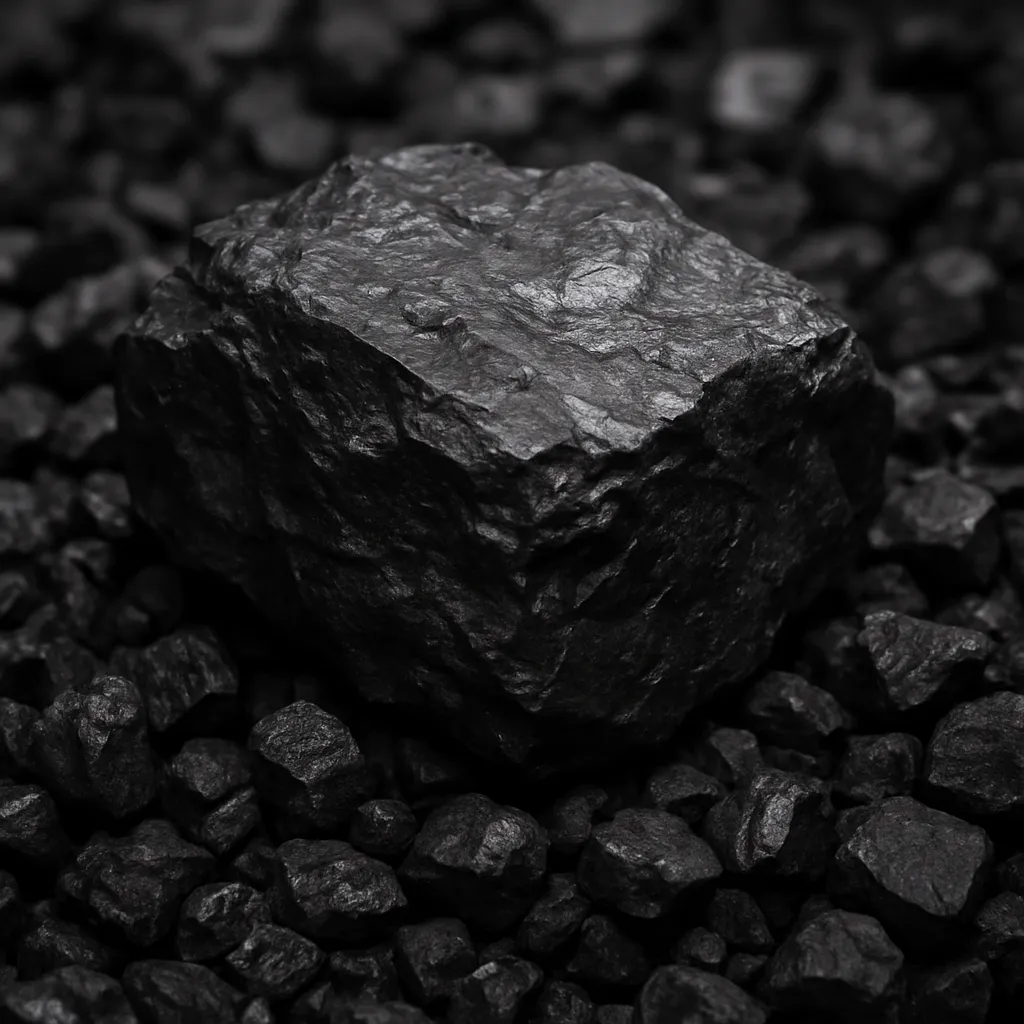
This article examines the role of coal specifically used in the production of ferroalloys. It covers geological occurrence, major mining regions, the coal qualities prized by ferroalloy producers, plant-level processing and handling, economic and statistical context, industrial importance, environmental concerns and likely future trends. The text aims to give a comprehensive, fact-based overview useful for engineers, commodity analysts, policy makers and students of metallurgical technology.
Geology and occurrence of coal used for ferroalloys
Coal is a sedimentary rock formed from accumulated plant material transformed by heat and pressure over geological time. For ferroalloy production, not all coals are equal: producers generally seek coals with specific physical and chemical properties that influence their performance as a chemical reductant or as a source of energy. The main coal ranks relevant to ferroalloys are anthracite, high-grade bituminous coals and some types of semi-anthracite and low-volatile bituminous coal. These ranks are prized for their higher fixed carbon content and lower volatile matter.
Coal deposits occur worldwide in well-defined basins. Major geological provinces that host coals suitable for metallurgical uses include:
- China: Shanxi, Inner Mongolia, Shaanxi and Xinjiang basins produce large volumes spanning ranks from bituminous to anthracite.
- Russia: Kuznetsk Basin (Kuzbass), Kansk-Achinsk and the Far Eastern basins have significant reserves of higher-rank coal.
- Australia: Bowen and Surat basins in Queensland and the Hunter Valley in New South Wales provide world-class metallurgical coals.
- United States: Appalachian Basin and some Illinois Basin seams yield metallurgical coals; Powder River Basin produces mainly thermal coal.
- India: Jharia, Raniganj and other eastern basins contain metallurgical and thermal coals used locally by industry.
- South Africa: Witbank and Highveld host coals used by local smelting industries.
- Colombia, Canada and Mozambique: smaller but important sources of coking and semi-coking coals for global trade.
Local availability often dictates the exact coal used in a given ferroalloy plant; proximity to high-grade coal seams or to coking plants can be a decisive logistical advantage.
Coal types and properties valued in ferroalloy production
Ferroalloy smelting is primarily a carbothermic reduction process where carbon acts both as energy source and chemical reductant. The key coal properties that determine suitability are:
- Fixed carbon content: higher fixed carbon increases reducing potential per unit mass.
- Ash content: low ash is preferred to minimize slag volume and impurity introduction.
- Sulfur and phosphorus: very low sulfur and phosphorus are desirable because these elements are detrimental to steel and alloy quality.
- Volatile matter: low volatile matter reduces furnace instability and excessive off-gassing.
- Caking/coking properties: for operations that require coke, suitable caking behavior is necessary; some ferroalloy plants use coke breeze or lump coke.
- Grindability and mechanical strength: important for producing coke and for handling in pneumatic feeding systems or briquetting.
Depending on the ferroalloy (for example ferrosilicon vs. ferromanganese), furnace design and feed mix, feedstocks range from metallurgical coke to coal briquettes, pulverized coal, charcoal and even petroleum coke. Charcoal is used in niche or smaller operations where biomass feedstock is economical or when ultra-low impurity carbon is required.
Mining, beneficiation and regional supply chains
Mining and beneficiation
Coal destined for ferroalloys typically undergoes targeted beneficiation to improve its quality. Beneficiation steps can include:
- Crushing and screening to achieve the required particle size (lump, coke breeze, pulverized).
- Washing and gravity separation to reduce ash and sulfur content.
- Blending different seams or coal types to reach target specifications (e.g., ash <10%, sulfur <0.7%).
- Coking (where needed) to produce metallurgical coke with sufficient mechanical strength for the furnace process.
Beneficiation reduces downstream process costs by lowering slag volumes, decreasing energy losses and minimizing contamination of the ferroalloy product with deleterious elements.
Regional supply chains and logistics
Proximity of coal supply to ferroalloy plants is a major economic factor. Ferroalloy operations are energy- and reductant-intensive; transportation costs for coal and coke can represent a significant share of production costs. Typical supply chain models include:
- Integrated operations: mining, coking and furnace operations located close together (common historically in Europe and parts of Asia).
- Seaborne trade: exporters such as Australia, Russia, Colombia and the United States supply metallurgical coal to distant ferroalloy and steelmaking centers (often in Asia and Europe).
- Local sourcing: many ferroalloy producers in India, China, and South Africa rely primarily on domestic coal to reduce import exposure.
In some countries, long rail links and port infrastructure are critical components of a low-cost supply chain, while in others barging on rivers or short-haul trucking suffices.
Processing and plant-level use in ferroalloy production
Typical ferroalloy production technologies and the way they use coal include:
- Submerged arc furnaces (SAF): widely used for producing ferrosilicon, ferromanganese and silicomanganese. Coal/coke serves as both reductant and supplementary energy; feeders introduce coal, coke breeze and electrode carbon into the melt.
- Electric furnaces for silicon metal and some alloys: electricity provides heat while coal or coke participates as a reductant; the balance between electrical energy and carbon feed depends on electricity cost and coal availability.
- Blast-furnace integrated routes: in certain alloy routes, coke from metallurgical coal serves both as structural burden and as reductant in combined operations near steelworks.
- Briquetting and pelletizing: where fine coal must be fed into furnaces, briquetting can improve handling and reduce dusting; binders and water content are controlled tightly.
Plant recipes often include a mix of coke, coal and alternative carbons (petroleum coke, charcoal) to optimize cost and performance. Coal properties influence electrical resistance in the furnace, slag chemistry, electrode consumption and off-gas composition, all of which have direct operational and economic impact.
Economic and statistical overview
Coal remains a major global commodity. While many statistics focus on total coal production and trade, a portion of metallurgical coal and coke feedstock is specifically channeled to ferroalloy production. Key economic and statistical points:
- Global coal production (all types) has historically been in the range of approximately 7.5–8.0 billion tonnes per year in the early 2020s, with China responsible for roughly half of global output.
- Metallurgical coal (coking coal) production is smaller than thermal coal but critically important to steel and alloy sectors; estimates during recent years put global metallurgical coal production on the order of several hundred million to around one billion tonnes yearly depending on classification and reporting conventions.
- Major producers of metallurgical and higher-rank coals include China, Australia, Russia, the United States, India and Colombia.
- Prices for metallurgical coal and coke influence ferroalloy costs materially. Periods of tight supply or logistical disruption (e.g., regional rail bottlenecks, export restrictions, extreme weather) have historically led to rapid price swings that propagate into ferroalloy and steel markets.
- Although precise statistics isolating coal consumed specifically by ferroalloy plants are not always published, ferroalloy production accounts for a meaningful share of metallurgical coal use in regions with concentrated alloy making activity.
Market analysts track indices such as the price of Premium Hard Coking Coal (HCC) and spot prices for coke and petroleum coke; these are used to model cost curves for ferroalloy production. Energy and carbon costs (electricity and CO2 pricing) add second-tier influences on competitiveness between coal-based and electric alternatives.
Importance of coal in industry and metallurgy
Coal’s role in ferroalloy production extends beyond being a simple fuel. It is a reactive chemical component that governs reduction kinetics and influences product quality. Specific industry impacts include:
- Quality control: impurities in coal can introduce unwanted elements into alloys (S, P, As), impacting their suitability for downstream steelmaking.
- Process efficiency: coals with optimal physical properties improve furnace stability, reduce electrode wear and lower specific energy consumption.
- Supply security: regions with domestic access to suitable coal are often favored locations for ferroalloy capacity, reducing exposure to volatile global trade.
- Cost structure: in many ferroalloy operations, carbon feedstock (coal, coke, petroleum coke) and electricity together make up the bulk of variable operating costs.
Certain ferroalloys are especially sensitive to carbon source. For example, ferrosilicon production can tolerate higher silica content in feed but is sensitive to sulfur levels; manganese alloys have different sensitivities (phosphorus contamination is critical). Consequently, metallurgists specify tight coal quality parameters for each alloy grade.
Environmental, regulatory and social dimensions
Use of coal in ferroalloy production raises several environmental issues:
- Greenhouse gas emissions: carbothermic reduction emits substantial CO2 per tonne of alloy produced. For this reason, ferroalloy production is a target for decarbonization measures in many jurisdictions.
- Air pollutants: combustion and off-gassing can produce particulate matter, sulfur oxides and other pollutants if coal sulfur and volatile content are not controlled and if emissions abatement is absent.
- Solid residues: ash and spent slag can pose disposal and resource-recovery questions; in some cases valuable metals can be partially recovered from slags.
- Water and land impacts: mining and beneficiation can create landscape disturbance and require water management practices to limit contamination.
Regulatory measures that affect coal use in ferroalloys include emissions standards, carbon pricing, mine permitting rules and import/export restrictions. Social license to operate—community relations around mines and smelters—also influences where projects are viable. In response to environmental pressure and rising carbon costs, ferroalloy producers are exploring:
- Fuel switching to low-carbon alternatives (biochar, hydrogen-based reduction where feasible, increased electrification).
- Energy efficiency improvements in furnaces and heat recovery schemes.
- Carbon capture and storage (CCS) at large, centralized reduction facilities.
- Recycling of ferroalloy-bearing scrap to reduce primary production needs.
Technological trends and future outlook
Several trends are likely to shape coal use in ferroalloy production over the next decade:
- Electrification and renewable electricity: where electricity is low-cost and low-carbon, electric arc furnaces with minimal carbon feed can become competitive, reducing coal demand.
- Hydrogen-driven reduction: research and pilot projects are testing whether hydrogen can replace carbon as a reductant in some alloy routes, though economics and technical feasibility vary by alloy.
- Improved carbon management: higher-efficiency packing, optimized burden composition, and gas treatment systems reduce specific coal consumption and emissions.
- Alternative carbons: increased use of petroleum coke, recycled carbon, or sustainably produced biochar might lower life-cycle carbon footprints if supply and cost permit.
- Supply chain resilience: geopolitical tensions and trade policy will continue to influence sourcing decisions, encouraging some regionalization of supply.
Adoption of these innovations will depend on cost parity, the pace of regulatory tightening on CO2, availability of low-carbon electricity and hydrogen, and the willingness of end-users (steel and foundry sectors) to pay for lower-emission alloys.
Interesting facts and lesser-known aspects
- Historically, charcoal was the dominant reductant for early iron and alloy production. The industrial switch to coal and coke expanded production capacity dramatically in the 18th–19th centuries.
- Coal quality can directly affect electrical characteristics in a submerged arc furnace; hence coal selection is part of electrical design optimization.
- Locally produced charcoal is still used in some parts of the world for niche alloy grades because it can offer very low impurity levels compared to some coals.
- Some ferroalloy producers operate captive coal mines and coke ovens to secure feedstock quality and price stability—vertical integration remains a common risk-mitigation strategy.
- Slag generated in alloy smelting can contain recoverable metals and sometimes is processed for recovery of manganese, silicon-rich fractions, or for use in cementitious applications after suitable treatment.
Summary and conclusions
Coal—especially high fixed-carbon, low-ash, and low-sulfur varieties—remains a cornerstone reductant and fuel in ferroalloy production. Major producing regions for suitable coals are concentrated in China, Russia, Australia, the United States and India, with seaborne trade linking producers and consumers globally. Economics of coal supply, quality specifications, and logistical proximity strongly influence the location and competitiveness of ferroalloy plants. At the same time, environmental imperatives and rising carbon prices are driving innovation: electrification, alternative carbon sources, hydrogen research and process efficiency are all being pursued to reduce dependence on conventional coal and lower greenhouse gas emissions. The transition will be gradual and regionally uneven, but coal-based ferroalloy production will remain significant in the medium term while technologies and policies evolve to reduce its climate impact.