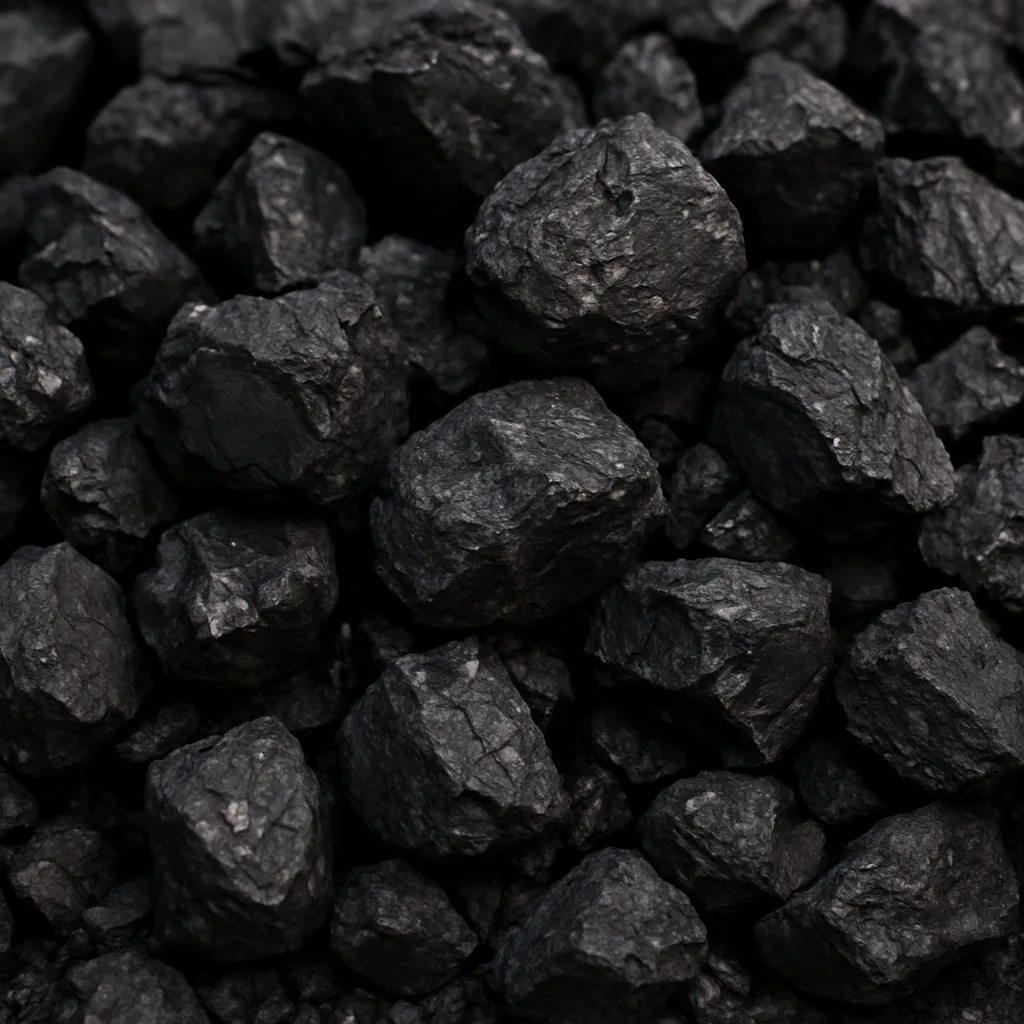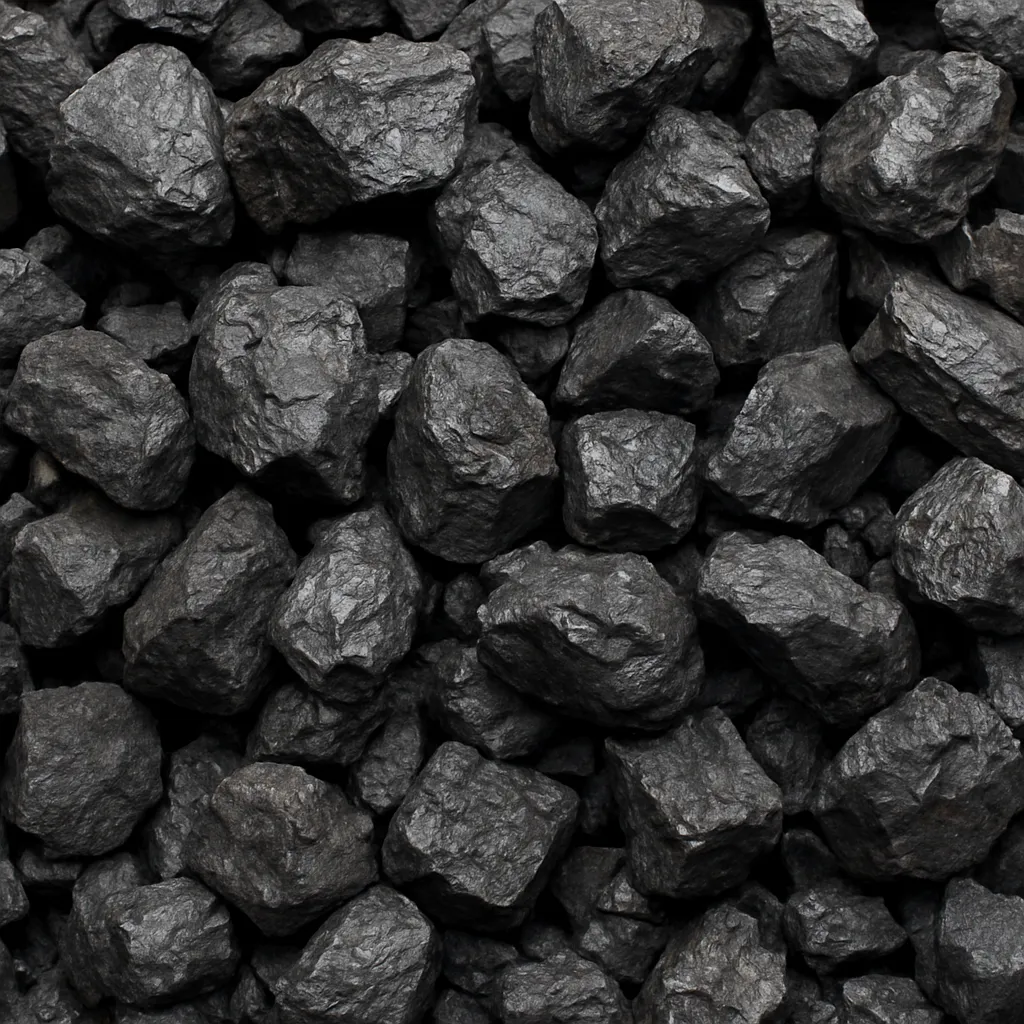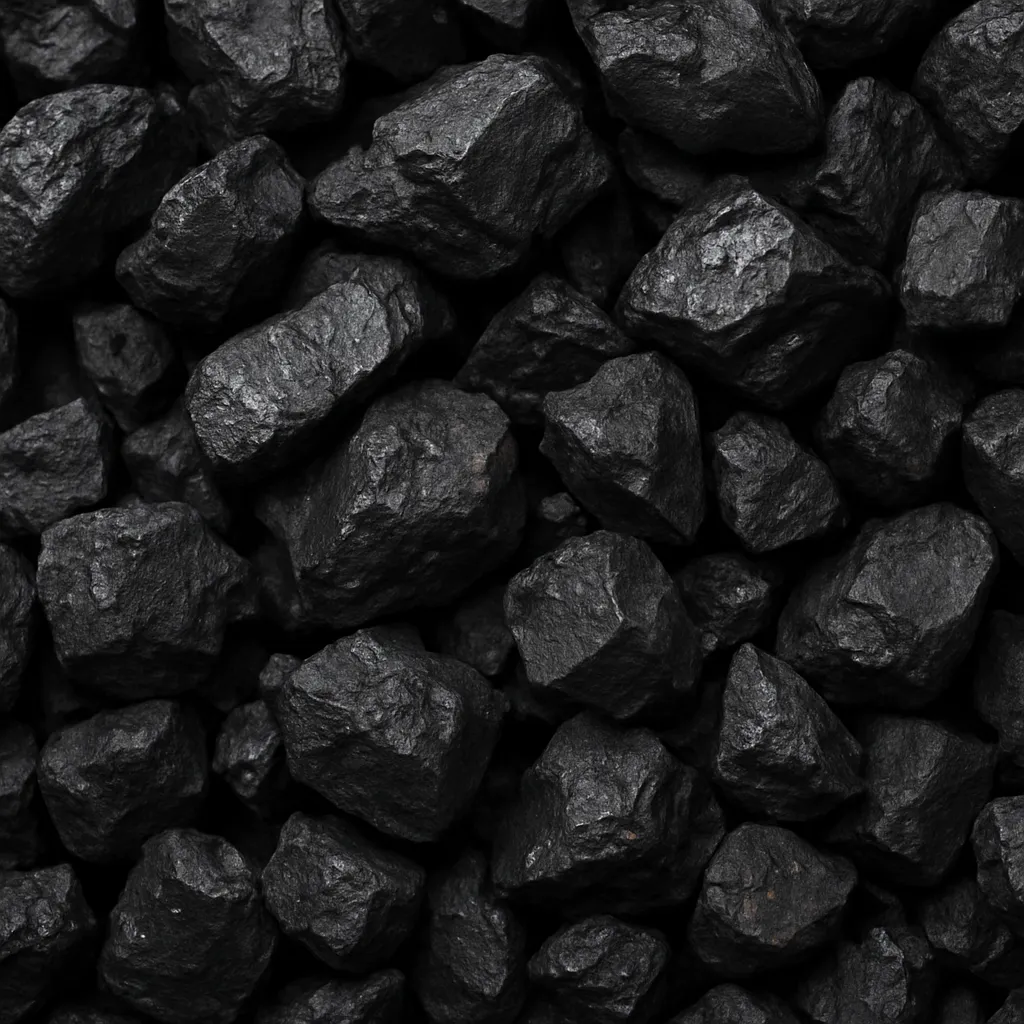
This article examines coal used specifically for the production of carbides—primarily calcium carbide—and explores its geological occurrence, mining regions, economic significance, industrial role, environmental implications, and future prospects. The production of carbides connects the raw energy and carbon resource of coal with high-temperature chemical processing, creating substances that historically powered lighting, chemical syntheses, and modern niche industries. Below you will find a detailed overview including geological background, production pathways, market dynamics, statistical context (where available), and technological trends shaping the sector.
Geology, types and properties of coal used for carbide production
Not all coal is equally suitable for carbide production. The process that yields calcium carbide (CaC2) requires a reliable source of carbon that can withstand extremely high temperatures and deliver consistent reactivity. In practice, this means that coal destined for carbide production is often converted to coke or supplemented with higher-grade carbonaceous materials such as petcoke. The most relevant coal types are higher-rank bituminous coals and anthracites that produce a hard, low-volatile coke after carbonization.
Key physical and chemical characteristics
- Fixed carbon content: higher is better for reduction reactions and furnace efficiency.
- Ash content: low ash is preferred, since ash introduces impurities and reduces furnace productivity.
- Sulfur and phosphorus: low contents are important to reduce contamination of products and avoid corrosive gases.
- Volatile matter: moderate to low volatile matter supports formation of a strong coke matrix.
In industrial practice, producers prioritize coking coal (metallurgical coal) for conversion into coke used in high-temperature carbothermal reduction of lime to produce calcium carbide. When coking coal is scarce or expensive, producers may use petroleum coke or blends tailored to furnace requirements.
Where this coal is found and major mining regions
Geologically, the coal-bearing strata that yield suitable feedstock for carbide-related carbon products are found in many of the world’s classic coal basins. High-quality metallurgical coals are associated with particular sedimentary basins and coal measures. Major regional producers and basins relevant to carbide feedstocks include:
- China: Extensive coal basins in Shanxi, Inner Mongolia, and Xinjiang produce a broad range of coals, including metallurgical coal. China is a dominant producer and consumer of coal and also hosts the bulk of global calcium carbide manufacturing.
- Australia: Major exporter of metallurgical coal from the Bowen Basin (Queensland) and the Surat Basin. Australian coking coal is a key input to global steel and high-temperature chemical processes.
- Russia: Significant coal basins in Kuzbass (Kemerovo) and the Far East supply metallurgical coal domestically and for export.
- United States: Appalachian and Powder River Basin coals include both thermal and metallurgical grades; certain Appalachian seams yield coking coal suitable for coke-making.
- Canada, Colombia, South Africa, and Mongolia also produce metallurgical grades used in coke and specialty carbon markets.
Because carbide production is energy- and carbon-intensive, proximity to cheap electricity and reliable carbon feedstock often determines facility location. Historically, calcium carbide plants clustered in regions with inexpensive hydroelectric power (e.g., parts of Europe and North America in the 20th century) and more recently in regions with abundant coal and low-cost electricity, such as China and India.
Production processes: from coal to calcium carbide
The classical industrial route to calcium carbide is the carbothermal reduction of lime (calcium oxide) with carbon at temperatures typically above 2,000 °C in an electric furnace. The nominal reaction is:
CaO + 3 C → CaC2 + CO
Key process points include:
- Carbon source: coke made from coking coal or petcoke supplies the reducing carbon. Some operations use blends that optimize reactivity and mechanical properties.
- Energy input: electric arc furnaces supply the high temperatures required, making electricity one of the largest operating costs. Regions with low-cost or subsidized electricity can sustain carbide plants more economically.
- Raw lime quality: high-purity lime reduces energy requirements and contamination.
After production, calcium carbide reacts with water to produce acetylene (C2H2), historically a major use for carbide, and remains a precursor for chemicals such as calcium cyanamide and certain organic syntheses. The reliance on coal-derived coke links carbide output to the coal and coke markets quite directly.
Economic and statistical context
Global coal production in the early 21st century has been measured in the order of billions of tonnes per year, with annual world coal output generally ranging between approximately 7.5 and 8.5 billion tonnes in the early 2020s. China accounts for roughly half of global coal production and consumption, followed by India, the United States, Australia (notably as a major exporter), and Indonesia. Metallurgical (coking) coal, the grade most relevant to coke and certain high-temperature processes, constitutes a smaller fraction of overall production but commands a premium due to its use in steelmaking and specialty carbon applications.
Some further high-level statistical considerations:
- Coking coal and coke markets are much smaller than thermal coal markets; annual metallurgical coal production has been in the range of several hundred million tonnes globally (a subset of total coal production).
- Calcium carbide output is a niche market relative to broader petrochemical and fertilizer industries. Global calcium carbide production is concentrated and typically measured in low millions of tonnes per year; China produces the largest share—historically reported to be well over 50–80% of global capacity.
- Prices for coking coal have been volatile, influenced by steel demand, mine supply disruptions, and logistic constraints. Electricity prices and local energy policy also strongly affect the economics of carbide production due to the high energy intensity of electric arc furnaces.
Because carbide manufacture represents a small fraction of overall coal use, aggregate coal statistics do not fully reflect the niche dynamics of carbide-specific coal supply; instead, the carbide sector is sensitive to regional power pricing, the availability of metallurgical coal or petcoke, and downstream demand for acetylene-derived products.
Industry significance and applications of calcium carbide
Although the largest uses of coal globally are for power generation and steelmaking, the production of carbides (especially calcium carbide) remains industrially significant for several reasons:
- Calcium carbide is the direct industrial route to acetylene, a versatile chemical used historically in illumination, and still used in specialty organic syntheses and welding operations (though oxy-acetylene welding may rely on other sources now).
- Calcium carbide is a precursor for calcium cyanamide (a nitrogen fertilizer and chemical intermediate) via reaction with nitrogen at high temperatures—this was particularly important before widespread ammonia-based fertilizers.
- Calcium carbide is used in metallurgical processes and in niche applications such as desulfurization, certain synthesis routes for chemicals, and in rural or off-grid settings where acetylene generation on-site remains practical.
Trends that have reshaped significance:
- The rise of petrochemical processes means acetylene is often produced from hydrocarbons rather than from calcium carbide in large integrated chemical complexes, diminishing some historical demand.
- However, carbide-derived acetylene remains important where feedstock or infrastructure constraints make petrochemical routes uneconomical or unavailable.
- In regions with abundant cheap electricity and coal, such as parts of China, calcium carbide production remains viable and even strategically attractive for certain chemical supply chains.
Supply chains, market drivers and trade
The supply chain for carbide production is a junction of coal/coke supply, electricity availability, lime sourcing, and downstream chemical demand. Principal market drivers include:
- Steel and cement market cycles that influence metallurgical coal flows and price of coke.
- Electricity costs—because electric furnaces dominate capex and opex for carbide production, regions with low-cost power offer competitive advantage.
- International trade flows—coal exporters (notably Australia, Indonesia, and Russia) influence pricing and availability of metallurgical coal on global markets; logistics and seaborne freight rates affect delivered cost.
- Environmental regulation—emissions controls, coal taxes, and carbon pricing can alter the relative attractiveness of carbide production in different jurisdictions.
Trade in calcium carbide itself tends to be regionally concentrated. China is both a major producer and exporter; Southeast Asian nations and some developing markets import carbide for local acetylene generation where onsite production remains practical.
Environmental, regulatory and technological issues
Carbide production is energy- and carbon-intensive. Environmental and regulatory considerations include:
- Emissions: The carbothermal process emits carbon monoxide and, indirectly, CO2 due to the carbon consumption and electricity generation mix. Controlling fugitive gases and ensuring safe handling of CO and acetylene is essential.
- Local pollutants: Sulfur and nitrogen oxides depend on fuel quality and power plant emissions associated with the electricity supply. Ash and slag management from furnaces must be addressed.
- Carbon pricing and decarbonization policies raise operating costs in many jurisdictions, pressuring operators to seek efficiency improvements or lower-carbon electricity sources.
- Technological developments: improvements in furnace energy efficiency, process electrification with renewable electricity, and alternative carbon feedstocks (biocoke, recycled carbon, or synthetic carbon sources) are areas of ongoing research and pilot projects.
There are several pathways to reduce environmental impacts:
- Switching electricity input to renewables or lower-carbon grids significantly lowers lifecycle emissions per tonne of carbide.
- Using higher-purity carbon inputs reduces impurity-related emissions and improves furnace performance.
- Capturing and utilizing CO co-produced in the reaction (e.g., chemical synthesis or power generation) can improve overall process efficiency and reduce net emissions.
Historical and cultural notes
Calcium carbide has a notable cultural and technological history. In the late 19th and early 20th centuries, carbide lamps powered by acetylene were widely used in mining, caving, and early automotive and bicycle lamps. The invention and adoption of incandescent and electric lighting reduced this use, but carbide lamps remain popular with spelunkers and in regions lacking reliable electricity. The early growth of calcium carbide production was closely tied to regions with cheap electricity—demand for carbide in agriculture and industry flourished where energy and lime were affordable.
Alternatives and substitutes
Several technological and market substitutes have reduced demand for carbide-derived chemicals in some applications:
- Acetylene production from hydrocarbons: steam cracking and other petrochemical routes produce acetylene as an intermediate or byproduct, reducing reliance on calcium carbide in large industrial contexts.
- Direct synthetic routes: modern chemical industries have developed alternative syntheses for many chemicals once made via acetylene intermediates.
- Biomass-derived and recycled carbon sources: research into sustainable carbon feedstocks for high-temperature processes may open alternatives to fossil coal and petcoke in the longer term.
Regional case studies and notable production centers
China: The dominant global player in calcium carbide manufactures, China combines large coal resources, substantial low-cost electricity in certain provinces, and integrated chemical industries. Chinese carbide plants vary from small local units to larger integrated operations, with much of the world’s exported calcium carbide historically originating here.
India: India has a legacy of carbide production linked to fertilizer and chemical uses; however, production patterns fluctuate with electricity tariffs and coal import dynamics. Regional centers cluster where power is inexpensive or captive generation is available.
Vietnam and Southeast Asia: These regions have seen carbide activity due to regional demand for acetylene and agrochemical applications, often relying on imported coal/petcoke and electricity.
Outlook and conclusions
The long-term outlook for coal used in carbide production is shaped by several interacting forces:
- Energy transition and decarbonization policies that increase the cost of fossil-based electricity and carbon feedstocks, potentially squeezing margins for carbide plants unless they adopt lower-carbon electricity or carbon capture solutions.
- Persistent regional demand for carbide-derived acetylene in specialty chemical synthesis, welding, and agricultural uses could sustain niche production even as broader markets move to petrochemical routes.
- Continued dominance of China in carbide production is likely in the near term, given existing capacity and competitive electricity in certain regions, but policy shifts and market pressures could alter this distribution over time.
- Technological improvements in furnace efficiency, use of alternative carbon sources, and integration with renewable power offer pathways to maintain competitive carbide operations with lower environmental footprints.
In summary, coal plays a crucial yet specialized role in carbide production: it supplies the carbon required for high-temperature carbothermal reactions and—when converted to coke—forms the heart of a process that historically enabled lighting and chemical manufacturing and today supports niche industrial applications. The interplay of coal quality, electricity cost, regulatory environment, and downstream chemical demand will determine where and how carbide production evolves in the coming decades.
Key terms emphasized:
- coal
- coke
- calcium carbide
- electric furnace
- China
- coking coal
- petcoke
- acetylene
- emissions
- electricity