This article provides a comprehensive overview of the El Retiro coal mine in Colombia, exploring its location, geological setting, the type of coal produced, operational characteristics, economic and statistical indicators, infrastructure and logistics, as well as environmental and social dimensions. The goal is to present a balanced and informative portrait that situates El Retiro within the broader Colombian coal sector while highlighting technical, economic and community-relevant aspects. Where precise figures are not universally published, ranges and context are used to convey scale and impact.
Location and geological setting
The El Retiro coal mine is situated in one of Colombia’s important coal regions, within the northern part of the country where multiple coal-bearing basins converge. The mine lies in proximity to the major Colombian coal corridors that include the Cesar-Ranchería and the La Guajira basins, areas historically associated with both open-pit and underground coal extraction. The precise coordinates and municipal affiliation vary in different reports, but El Retiro is commonly referenced as part of the broader northern Colombian mining landscape that supplies both domestic thermal demand and international export markets.
Regional geology and coal formation
- Colombian coal basins host sediments deposited from the Late Cretaceous through the Tertiary periods. These strata contain multiple coal seams formed from ancient peat bogs that later underwent burial and coalification.
- The coal seams in the region typically display variability in thickness and lateral continuity. Seam thickness at El Retiro, as with many northern Colombian mines, can range from narrow lenses to several meters of continuous coal where economically viable extraction is possible.
- Rank and quality vary across the basin. Coals in northern Colombia are generally classified as bituminous to sub-bituminous, suitable primarily for thermal applications but in some instances also acceptable for certain industrial processes after beneficiation.
The geological setting is also influenced by faulting and folding typical of the northern Andes foreland. These structural complexities affect mine planning, seam access, and the choice between open-pit and underground methods.
Mining operations and coal characteristics
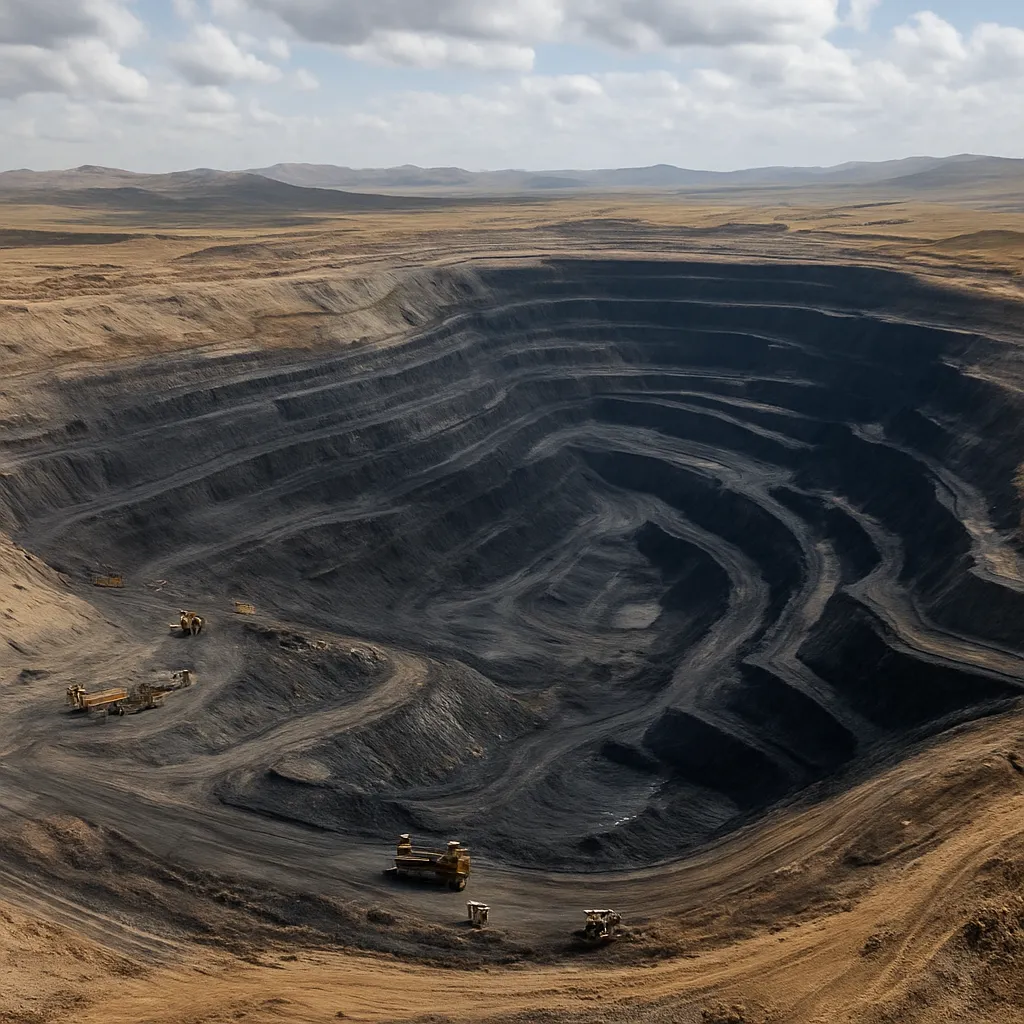
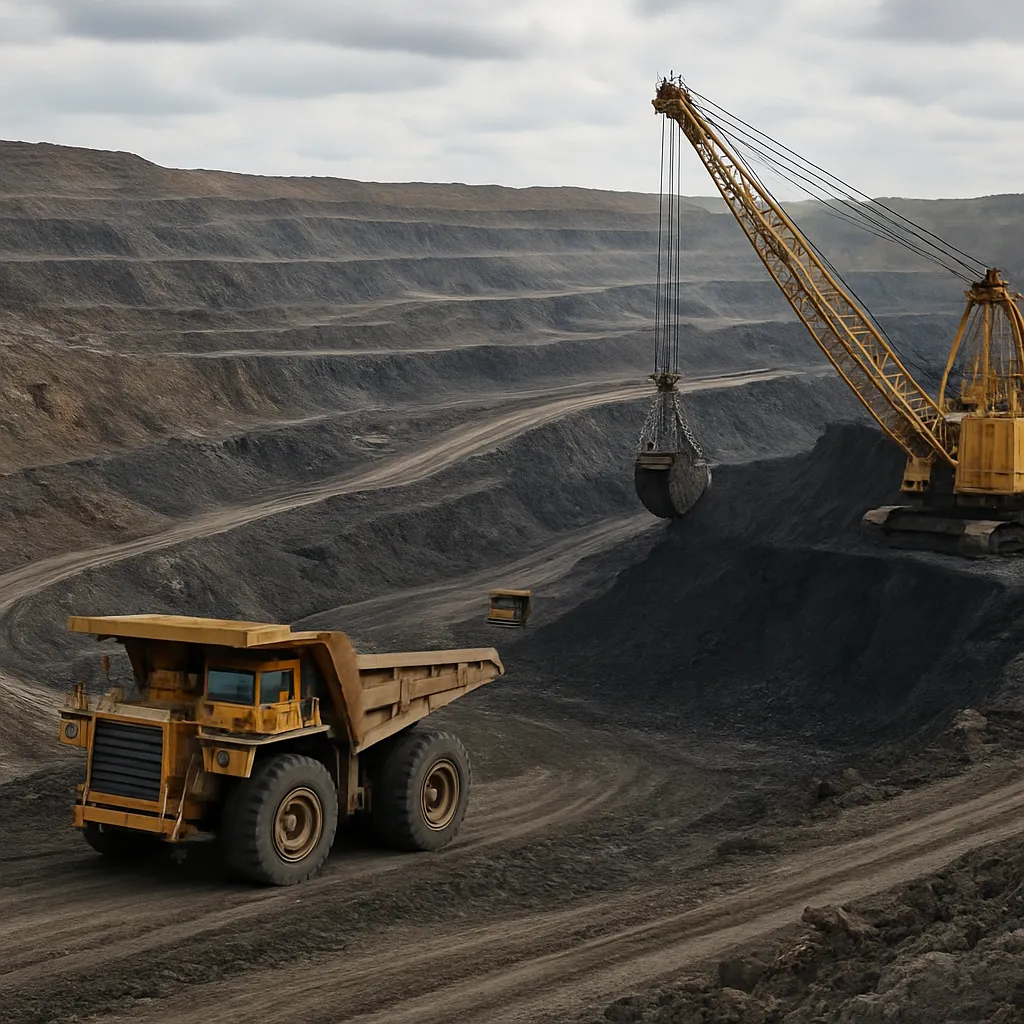
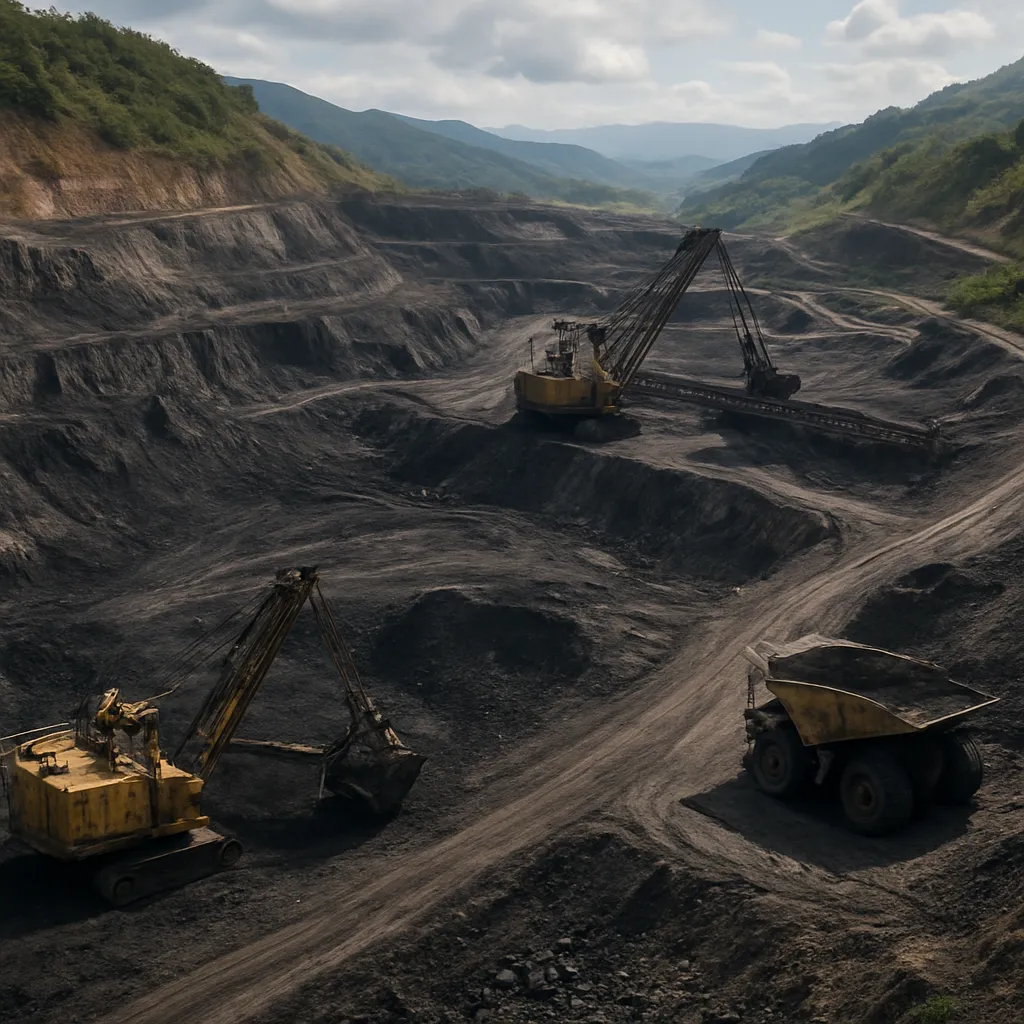
El Retiro operates within conventional coal-mining paradigms found in Colombia, where operations are adapted to local seam geometry, overburden conditions and community constraints. Mining methods employed at El Retiro typically include open-pit extraction for shallow, extensive seams and small-scale underground workings where seams are deeper or where surface footprint must be minimized.
Coal type and quality
- Rank: Predominantly bituminous to sub-bituminous.
- Primary use: Thermal power generation (domestic and export markets); some coal may be destined for industrial heating or cement manufacture.
- Calorific value: Coals in the region commonly present medium calorific values comparable to many thermal coals used globally. After washing and beneficiation, ash and sulfur contents can meet export specifications for key markets.
- Beneficiation: Processing plants associated with El Retiro are designed to reduce ash and improve size fractions, producing products that satisfy both domestic power plants and overseas buyers.
Typical mine layouts include overburden removal benches, coal extraction benches, and on-site processing facilities such as crushers, screens and dense medium separation where applicable. Water management systems, tailings or discard piles, and progressive rehabilitation areas are part of modern operational design.
Economic and statistical profile
El Retiro contributes to Colombia’s position as one of the largest coal producers in Latin America. While it is not the largest single mine in the country, its role is significant at local and regional levels. The mine supports employment, generates fiscal revenue through royalties and taxes, and participates in Colombia’s export portfolio.
Production and reserves
- Annual production at El Retiro has varied over time depending on market conditions, operational adjustments and regulatory factors. Production levels for similar regional mines commonly range from several hundred thousand to a few million tonnes per year; El Retiro’s historical and recent annual output falls within this general range.
- Reserves: Proven and probable reserves are reported by operators to reflect recoverable coal under current economic and technical conditions. For medium-scale mines, reserves can represent tens to hundreds of millions of tonnes. Exact reserve figures for El Retiro should be consulted in company or government mining cadaster reports for precise, up-to-date numbers.
- Life of mine: Depending on extraction rate and reserve base, El Retiro’s life-of-mine outlook can span multiple decades under stable market and permitting conditions, with opportunities for extension through exploration and improved recovery.
Employment and local economic impact
- El Retiro provides direct employment in mining, processing, maintenance and administration, as well as indirect jobs in transport, services and supply chains. A medium-scale coal operation may directly employ several hundred people and indirectly support local thousands through multiplier effects.
- Taxes and royalties: Mining operations pay royalties, resource taxes and other levies to municipal and national authorities; these revenues support public services and infrastructure, though their distribution and effectiveness are part of ongoing policy debates in Colombia.
- Local procurement: Preference for local sourcing of goods and services can increase the economic benefit to nearby communities, from accommodation and food services to equipment maintenance and roadworks.
Nationally, coal exports are a major source of foreign currency for Colombia. While mega-players supply the bulk of export volumes, mines like El Retiro collectively contribute to the diversity and resilience of the sector.
Infrastructure, logistics and markets
Efficient logistics are crucial to El Retiro’s commercial success. The mine’s proximity to railheads, paved roads, river routes and ocean ports determines export capability and transportation costs.
Transport routes and export pathways
- Road transport: Trucks haul coal from the mine to local stockyards or rail loading points. Road maintenance and seasonal weather are critical factors affecting transit reliability.
- Rail and port connections: When available, rail links significantly reduce transport costs to coastal ports. Northern Colombian ports on the Caribbean coast handle much of the country’s coal exports; access to these ports shapes market reach, particularly to Europe, North America and parts of Asia and Latin America.
- Stockpiling and blending: Export quality is managed through stockpile blending to meet buyer specifications for calorific value, ash and sulfur.
Market destinations
- El Retiro’s coal is primarily marketed as thermal coal for power generation, with export customers depending on international pricing and logistical competitiveness.
- Key market dynamics influencing El Retiro include global coal prices, demand from power producers, the competitiveness of alternative energy sources, and contractual relationships with traders and utilities.
Environmental and social aspects
Mining operations like El Retiro face environmental and social responsibilities that have become central to project viability, permitting and community relations. Modern practices aim to mitigate impacts while providing tangible benefits to local populations.
Environmental management
- Water management: Controlling water inflows, preventing contamination of surface and groundwater, and treating process water are top priorities. Sediment control, construction of settling ponds and regular monitoring are standard measures.
- Air quality: Dust control on haul roads, at stockpiles and during crushing is managed through sprinklers, enclosures and operational best practices to minimize particulate emissions.
- Rehabilitation: Progressive land rehabilitation, topsoiling and replanting are carried out to restore post-mining landscapes and reduce erosion. Closure plans and financial guarantees are mandatory parts of modern mine permitting.
- Waste management: Tailings, rejects and overburden are placed in engineered facilities to protect soil and water; careful design limits acid generation and other long-term geochemical hazards.
Social engagement and community relations
- Consultation: Ongoing dialogue with local communities, indigenous groups where present, and municipal authorities is essential to address concerns related to land use, access to water and roads, and employment opportunities.
- Social investment: Companies often invest in local infrastructure, education, healthcare and small-business development to foster sustainable local economies.
- Health and safety: Worker safety programs, medical services and occupational health monitoring reduce risks and improve workforce resilience.
Balancing socio-environmental stewardship with mining productivity is central to maintaining social license to operate and ensuring long-term benefits for stakeholders.
Significance in the Colombian coal industry and strategic outlook
El Retiro plays a supportive but meaningful role within the Colombian coal matrix. While not necessarily one of the largest single producers such as the mega-mines in La Guajira and Cesar, El Retiro contributes to supply diversity, regional employment and local economic development. Its operations exemplify the dynamics facing many Colombian coal mines: navigating commodity price cycles, adapting to stricter environmental standards, and competing for export markets amid global energy transitions.
Competitive strengths
- Resource availability: Access to well-defined coal seams provides a stable feedstock underpinned by geological continuity in many parts of northern Colombia.
- Operational flexibility: The ability to adjust production rates, optimize beneficiation and tailor product blends helps match market demands.
- Local economic integration: Strong links with local suppliers and labor pools can reduce operating costs and improve community acceptance.
Challenges and risks
- Market volatility: Fluctuating international coal prices and competition from other energy sources create uncertainty for investment and expansion.
- Environmental regulation: Increasingly stringent regulations and expectations for lower emissions and rehabilitation raise compliance costs.
- Infrastructure constraints: Bottlenecks in transport or port capacity can limit export potential and raise logistics costs.
Outlook and opportunities
Looking forward, El Retiro can pursue several strategic pathways to enhance value and longevity:
- Investing in improved beneficiation and product diversification to meet stricter market specifications.
- Implementing advanced environmental technologies to reduce emissions, improve water efficiency and accelerate rehabilitation.
- Strengthening community partnerships to foster local development, skills training and shared infrastructure improvements.
- Exploring opportunities for coal-to-value strategies, such as supplying fuel to captive power plants, industrial users or exporting to markets with stable demand profiles.
Final observations
El Retiro is representative of Colombia’s mid-sized coal mining operations: geologically promising, economically relevant at local scales, and embedded in a complex web of environmental and social responsibilities. Its future will depend on a combination of prudent operational management, responsiveness to market and regulatory environments, and the ability to maintain constructive relationships with the communities and institutions that host it. For stakeholders interested in specific technical data—annual tonnage, reserve estimates, ownership details and up-to-date environmental performance—consulting the latest company reports, regional mining registries and Colombian national energy and mining authorities will provide the most authoritative figures.
Key words emphasized in the text: El Retiro, coal, bituminous, thermal, production, exports, reserves, jobs, environmental, rehabilitation.