The El Mirador coal mine in Colombia is one of the many mining sites that illustrate the country’s long-standing role as a major coal producer and exporter. This article provides a comprehensive overview of El Mirador: its location, geology, mining methods, the type of coal extracted, economic and social significance, environmental considerations, and its place within both the national and global coal industries. Where public data exist, figures and estimates are provided, and where information is limited, contextual analysis draws on regional patterns and comparable operations to explain the mine’s likely profile. The goal is to present a detailed, useful account for readers interested in energy, mining, economics, and regional development.
Location and Geological Setting
El Mirador is located in northern Colombia, within a region characterized by significant coal-bearing basins. Colombia’s principal coal basins include the Cerrejón Basin in La Guajira and the Cesar-Ranchería Basin in the department of Cesar and neighboring areas. While precise coordinates and administrative boundaries for every site named El Mirador may vary, mines bearing this name are typically situated in or near these northern basins where extensive **coal** seams outcrop or lie at shallow depths suitable for surface mining.
The geology of the area is defined by Tertiary and late Cretaceous sedimentary sequences, where organic-rich layers were buried and transformed into coal under conditions of moderate pressure and temperature. In these basins, coal seams often occur interbedded with sandstones, siltstones and shales, forming laterally extensive horizons that have been historically attractive for large-scale extraction. The coals in northern Colombia are predominantly bituminous to sub-bituminous, with variations in calorific value, sulfur content and ash depending on seam depth and depositional history.
Key geological features influencing mining at El Mirador include seam thickness and continuity, overburden characteristics that determine whether open-pit or underground methods are feasible, and hydrological conditions that affect dewatering and slope stability. In general, the basin geology supports open-pit methods in many locations, reducing development costs and enabling high production rates where markets and infrastructure permit.
Mining Operations and Coal Characteristics
Mining Method and Infrastructure
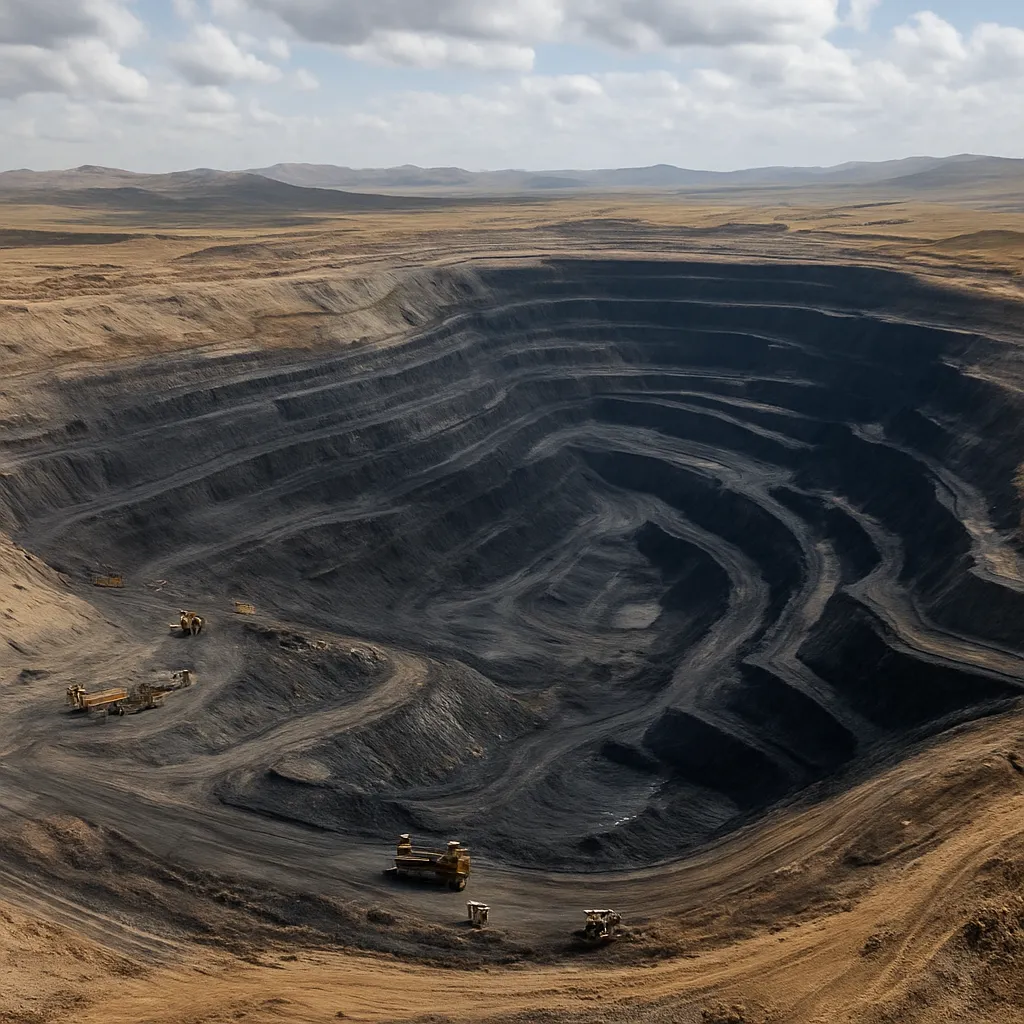
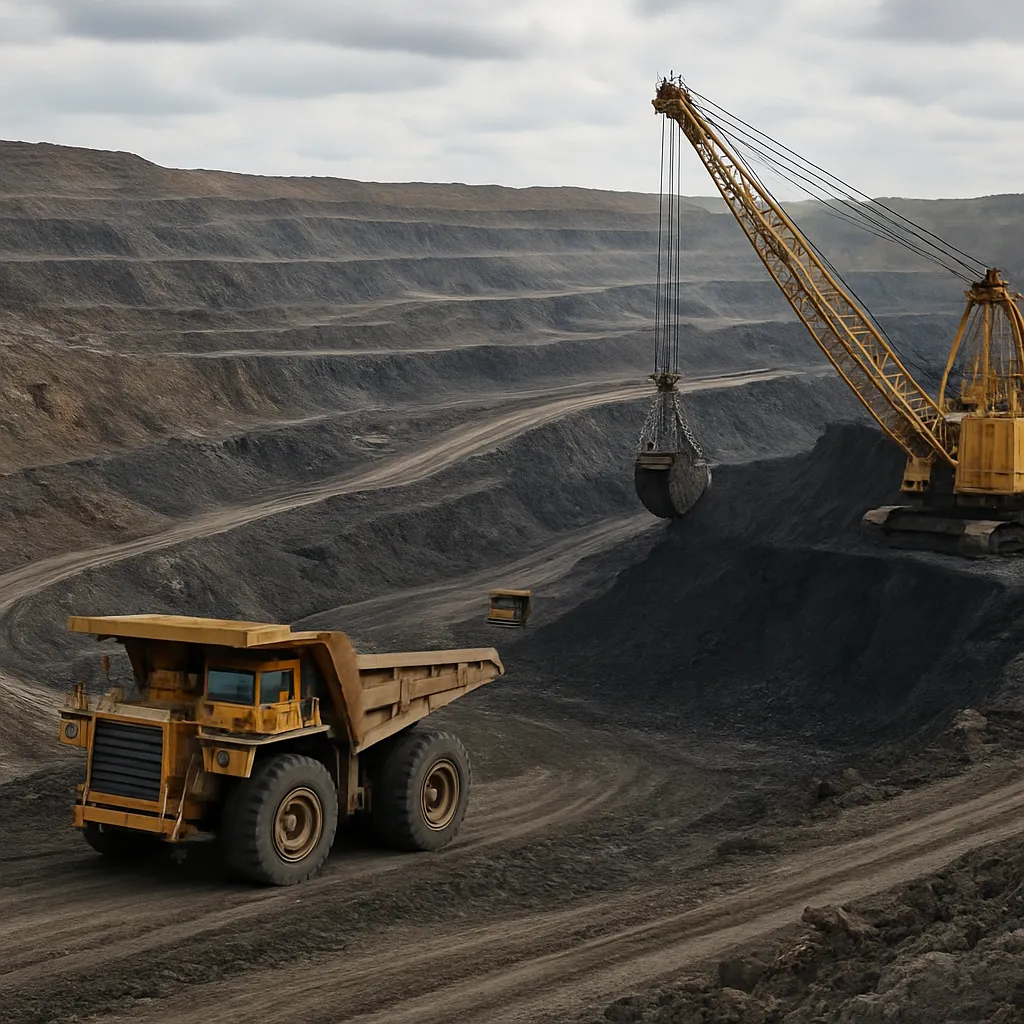
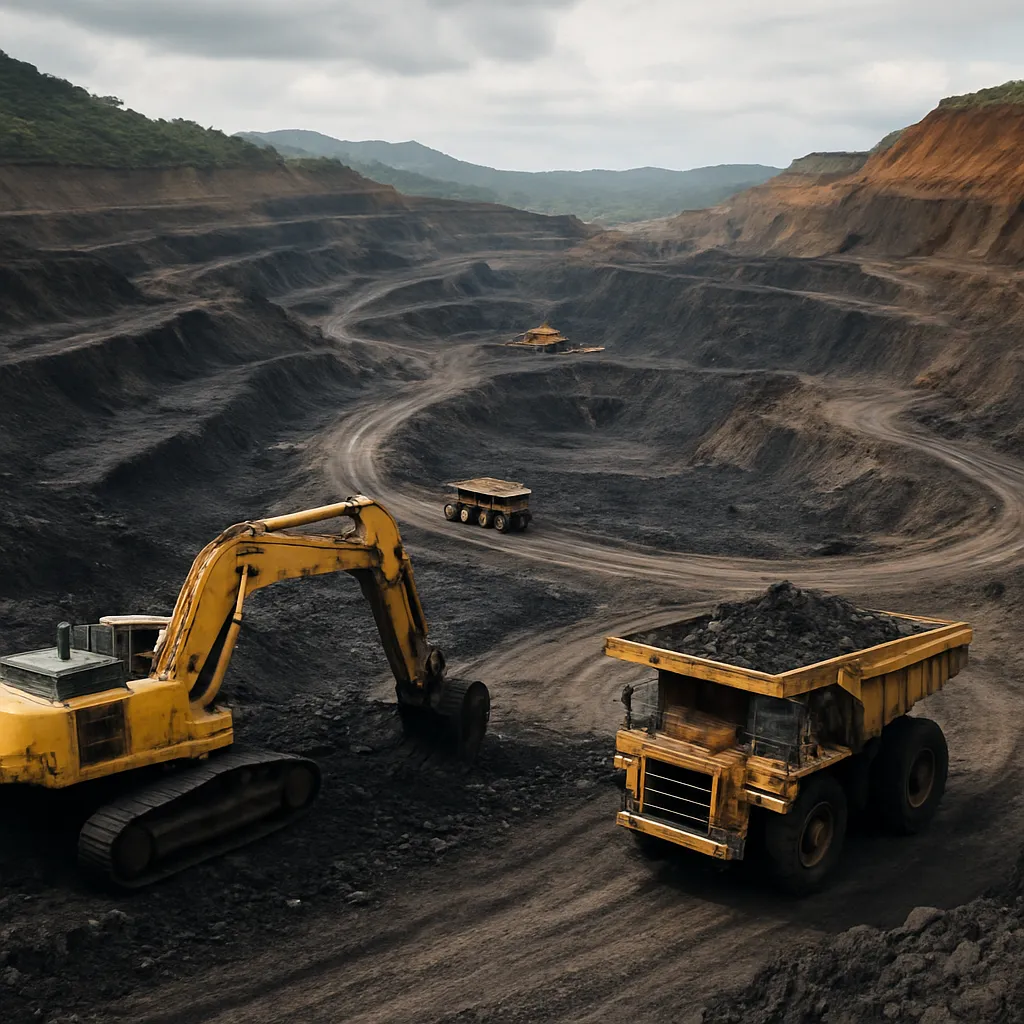
Most coal operations in northern Colombia, particularly those exploiting laterally continuous seams near the surface, employ **open-pit** mining techniques. This involves progressive removal of overburden, use of large excavators and haul trucks, and establishment of waste dumps and interburden benches. El Mirador, consistent with regional practice, likely uses a combination of truck-and-shovel fleets and conveyor systems to move material within the pit complex.
Operational infrastructure commonly includes workshops, fuel and material storage, processing facilities for coarse coal washing or screening, administrative offices, and accommodations for workers in more remote sites. For export-oriented mines, dedicated logistics such as feeder roads, private haul roads, rail connections or truck routes to coastal ports are critical. Where possible, mines in this region connect to the Atlantic export chain that leads to terminals like Puerto Bolívar and others serving the Caribbean.
Coal Type and Quality
The coal produced at El Mirador is typically used for **thermal** power generation rather than metallurgical applications. Colombian export coal has been valued historically for its relatively low sulfur content and good combustion properties, making it attractive to international thermal coal markets. Typical coal quality parameters in the region include:
- Calorific value ranging from sub-bituminous scores to higher bituminous values depending on seam—often in the range of 4,000–7,000 kcal/kg on an as-received basis.
- Moderate to low **sulfur** content relative to many other global suppliers, which helps meet emissions-related specifications.
- Ash content that can vary; washing and blending are used to improve product quality for customers.
- Moisture levels that influence transportation costs and thermal value.
Washing and quality-control facilities at El Mirador or associated preparation plants can adjust product specifications to match buyer requirements, producing multiple grades for domestic power plants and export markets.
Production Scale
Publicly available, mine-specific production figures for El Mirador are more limited than for Colombia’s largest operations, but El Mirador is generally categorized as a small to medium-sized operation compared with mega-mines such as Cerrejón. Many mines in the region produce anywhere from a few hundred thousand tonnes to several million tonnes per year, depending on concession size, investment, and market access. El Mirador’s annual output has been described in industry reports and regional overviews as consistent with these scales, supporting regional employment and supply chains.
Economic and Social Impact
Local and Regional Economic Contribution
Mines like El Mirador create significant **economic** activity locally by providing direct employment, generating indirect jobs through service and supply chains, and contributing to municipal and departmental revenue via royalties and taxes. In regions where agriculture and ranching predominate, the arrival of mining investment can transform labor markets and stimulate secondary industries such as transport, food services, and equipment maintenance.
Key economic impacts include:
- Direct employment of miners, technicians, engineers, and administrative staff—often several hundred positions depending on operation scale.
- Indirect employment through contractors, local suppliers, and transport services that support ongoing operations.
- Local procurement of goods and services, which can represent a significant portion of operational expenditures when policies encourage regional sourcing.
- Royalty and tax flows to national and local governments, which fund infrastructure, education and health services but vary by contract terms and production volumes.
Social Dimensions and Community Relations
Community relations are a central aspect of mining operations. El Mirador, like other mines in Colombia, must navigate issues including land rights, impacts on indigenous and Afro-Colombian communities, and expectations for social investment. Companies operating in the region often implement community development programs—supporting schools, health clinics, vocational training and local infrastructure projects—to build social license to operate. However, tensions can arise over environmental impacts, displacement, or perceived inequities in benefit distribution.
Workforce composition often reflects a mix of local hires and specialized staff brought in from other regions. Training and local hiring policies are important instruments to enhance the positive social footprint of mining.
Environmental and Regulatory Aspects
Environmental Impacts
Coal mining inevitably affects local environments, and El Mirador is no exception. Typical environmental challenges associated with surface coal mining in the region include:
- Alteration of landforms and loss of native vegetation due to pit excavation and infrastructure development.
- Dust and particulate emissions from blasting, excavation and haulage operations, with potential effects on local air quality.
- Water management challenges, including changes to surface drainage, potential impacts on groundwater and the need to treat runoff to control turbidity and contaminants.
- Generation of coal waste (spoil and tailings) requiring engineered disposal sites and long-term monitoring to prevent acid generation or leachate.
Mitigation measures commonly applied include progressive rehabilitation of mined areas, establishment of water treatment systems, dust suppression techniques (spraying of roads, enclosure of conveyors), and biodiversity offset programs where necessary.
Regulation and Permitting
Colombian mining is regulated through national environmental and mining authorities that require environmental impact assessments (EIAs), community consultation processes, and operational permits. Compliance with environmental license conditions and social commitments is monitored by agencies such as the National Mining Agency and the Ministry of Environment.
El Mirador must comply with these frameworks: securing an environmental license, implementing monitoring programs (water, air, noise), and carrying out mitigation and compensation measures outlined in permit conditions. Non-compliance can lead to fines, operational suspensions or reputational damage.
Transport, Markets and Role in the Industry
Logistics and Export Pathways
A critical element determining the commercial viability of mines like El Mirador is logistics. The proximity to ports and the availability of road or rail infrastructure reduce unit transport costs and expand market access. Most northern Colombian coal is exported via **Caribbean** ports, often using dedicated haul roads or rail links where available. Where rail does not exist, heavy truck haulage is used to move coal to port terminals or processing yards.
El Mirador’s logistical arrangements may include:
- Private haul roads to regional export terminals.
- Contracted trucking fleets for short-term or temporary movements.
- Use of coastal ports with transshipment facilities for loading Panamax and smaller bulk carriers.
Market Position and Customers
Colombian coal has traditionally supplied thermal coal markets in North America, Europe and, increasingly in recent decades, **Asia** (notably Turkey and some South Asian buyers). High-quality thermal coal from Colombian basins found demand among utilities seeking competitively priced fuel with manageable sulfur levels. Mines such as El Mirador, by producing marketable thermal grades, contribute to Colombia’s export portfolio and diversify the number of supply points beyond the largest mines.
In the broader market context, Colombia is recognized as one of the leading global exporters of thermal coal. This position has made Colombian coal a staple in international energy trade, with the industry accounting for a substantial share of mining exports by value over many years.
Statistics and Industry Context
Specific, up-to-date statistics for El Mirador may be less consistently reported in public datasets than for larger concessions. However, the mine sits within an industry that can be characterized by the following national and regional statistics and trends:
- Colombia has historically been among the top global exporters of thermal coal, often ranking within the top five to ten countries by export volume.
- National annual coal production has fluctuated with market conditions, typically amounting to tens of millions of tonnes per year at its peak, feeding both domestic consumption and exports.
- Export revenues from coal represent a significant portion of Colombia’s mining export earnings, supporting public finances via royalties and taxes tied to production.
- Employment in the coal sector includes thousands of direct jobs nationwide; smaller operations like El Mirador provide critical employment at the municipal level.
At the mine level, El Mirador’s production has been characterized in regional reports as contributing a measurable but modest share of departmental output. Annual output estimates for comparable mines in the area range from several hundred thousand tonnes to a few million tonnes. These figures are influenced by concession size, market contracts, and operational investments.
Industry Significance and Interesting Aspects
El Mirador’s significance lies not only in the coal it produces but also in what it represents for Colombia’s mining landscape: the diversity of operators, the spread of economic benefits beyond mega-projects, and the array of environmental and social governance challenges that accompany mining expansion. Several interesting facets include:
- Regional development: Smaller and medium mines help decentralize economic benefits and provide local job opportunities outside metropolitan centers.
- Quality management: By adjusting washing and blending, mines like El Mirador adapt their products to niche markets, maintaining competitiveness despite scale limitations.
- Community engagement: The mine exemplifies evolving approaches to social performance, where companies invest in schools, health projects and infrastructure as part of operating permits and corporate responsibility.
- Adaptive logistics: Without the scale to warrant heavy infrastructure investment, El Mirador-type operations showcase flexible logistics, combining road freight and regional port access to reach markets.
From a technical viewpoint, El Mirador provides case studies in slope design, progressive rehabilitation, and water management in tropical environments—areas of active innovation given the environmental sensitivity and community expectations in Colombian mining territories.
Challenges and Future Outlook
The future for El Mirador and similar coal mines in Colombia is shaped by multiple overlapping trends:
- Global energy transition pressures: As many importing countries aim to reduce coal-fired power generation for climate reasons, long-term demand for thermal coal is under scrutiny. This creates market risk for mines dependent on export contracts with coal-intensive markets.
- Price volatility: Coal prices fluctuate with macroeconomic conditions, competition from other suppliers, and shipping costs—factors that affect profitability for smaller operations more acutely than for integrated majors.
- Regulatory and social pressures: Increasing environmental standards and stronger community expectations can raise costs related to mitigation, monitoring and social programs, but also improve sustainability performance where effectively implemented.
- Potential for diversification: Regions with coal resources are exploring diversification strategies, including reclamation and rehabilitation projects that enable alternative land uses after mine closure, as well as local industrial development that reduces reliance on a single commodity.
For El Mirador specifically, prudent operators and local authorities may focus on extending life-of-mine through careful resource management, improving operational efficiency, and negotiating access to stable markets that value Colombia’s coal quality. At the same time, planning for eventual closure, progressive rehabilitation and economic transition in host communities will be essential to ensure long-term sustainability.
Concluding Perspective
El Mirador Coal Mine exemplifies the regional dynamics of Colombia’s coal sector: geologically favorable basins, a product largely oriented to thermal energy markets, and a set of economic, social and environmental responsibilities that accompany extraction. While not as large or as globally famous as some of the country’s flagship operations, El Mirador contributes to local economies, national export capacity and the broader supply chain for thermal coal. Its future will depend on how operators and stakeholders navigate market changes, environmental obligations and community expectations—balancing short-term production and revenue with long-term sustainability and post-mining development.
Key words: El Mirador, Colombia, coal, thermal, open-pit, reserves, export, sulfur, employment, infrastructure