This article provides a detailed overview of the El Diviso Mine in Colombia, focusing on its location, geology, the type of mineral recovered, operational characteristics, and wider economic and social implications. The text integrates available industry context and national statistics where public data on the specific mine are limited, and highlights the role such a mine plays in regional development, infrastructure, and the global coal market. The article is organized into several substantive sections to give a comprehensive picture for readers interested in mining, energy, economics, and environmental management.
Location and geological setting
El Diviso Mine is identified as a coal mining site within Colombia‘s broad coal-producing region. Colombia’s major coal basins are concentrated in the northern and north-central parts of the country, principally the Cesar-Ranchería Basin, La Guajira Basin, and the Mid Magdalena Basin. While precise concession boundaries or coordinates for El Diviso may require consultation of national mining registries or company disclosures to confirm, the mine is best understood against the regional geological framework of these basins.
The coal-bearing formations in Colombia are typically of Paleogene to Cretaceous age and include thick sequences of shales, sandstones and coal seams formed in deltaic and fluvial environments. These seams can be laterally extensive with variable thickness; in many productive areas, multiple seams are stacked within a stratigraphic package. Coal seams mined in Colombian basins are often found at relatively shallow depths, which favors the use of surface mining methods for medium-to-large operations.
Mineral resources and coal characteristics
The primary commodity at El Diviso is coal, consistent with Colombia’s national identity as a major coal producer and exporter. Colombian coal is predominantly used for thermal power generation and industrial heat. A subset of Colombian coal is also suitable for pulverized coal injection (PCI) and, in some cases, metallurgical applications, although the industry as a whole is more oriented toward thermal grades.
Typical attributes of Colombian coal that would be relevant to El Diviso include:
- Rank: generally medium-rank bituminous to sub-bituminous in many productive basins, though actual rank varies by seam and basin.
- Calorific value: many Colombian thermal coals have a relatively high calorific value compared with other thermal coals, often falling in the broad range of approximately 5,000–6,500 kcal/kg on an as-received basis (values vary by deposit and washing).
- Sulfur and ash: Colombian coals are frequently characterized by low to moderate sulfur content, which is an export advantage, but ash content can vary significantly and affects washing requirements and product pricing.
- Washability and product types: coals from Colombian basins can often be beneficiated (washed) to produce cleaner thermal coal products with improved calorific value and lower ash, enhancing export value.
Without specific drill-hole, seam correlation or mine-sampling data for El Diviso, the most reliable approach is to consider these regional characteristics as a working description: El Diviso most likely produces a marketable thermal bituminous coal that can be shipped to domestic power plants or exported after beneficiation according to customer specifications.
Mining methods and operational characteristics
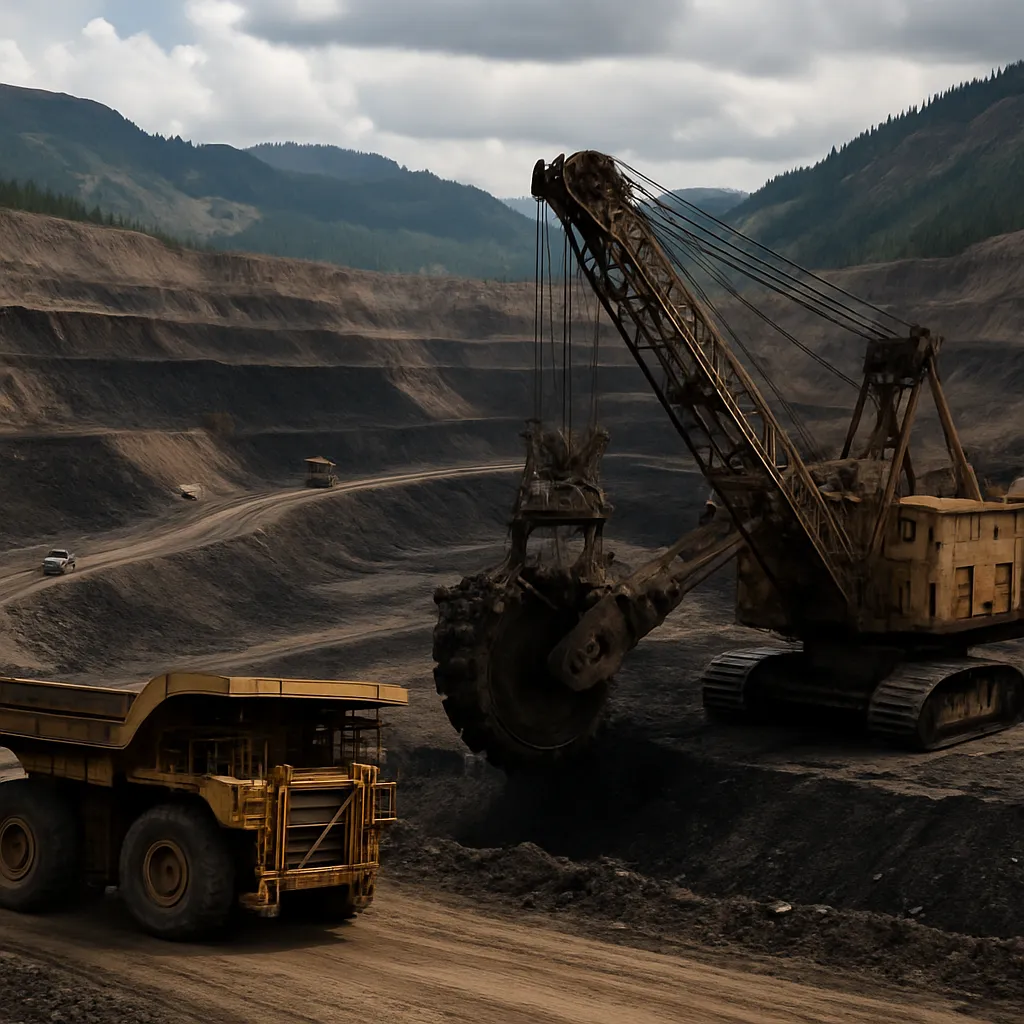
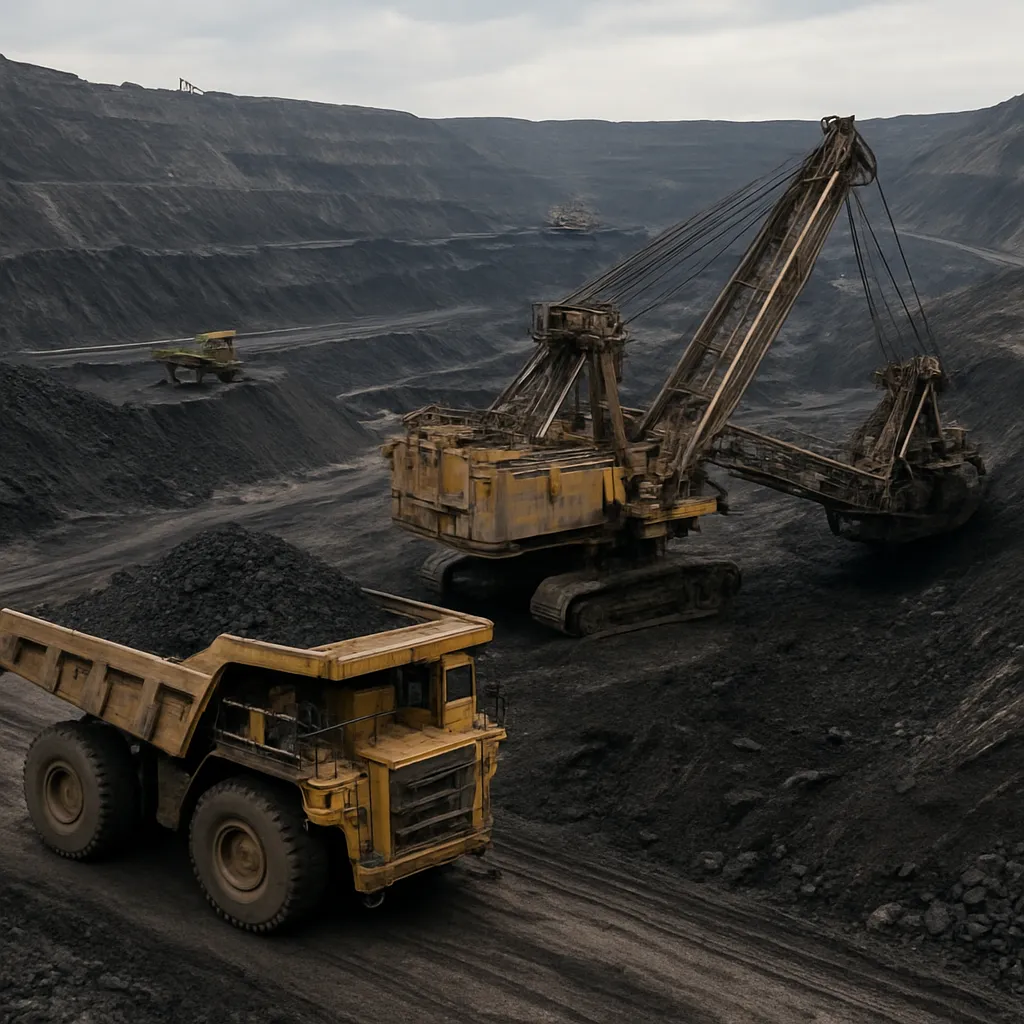
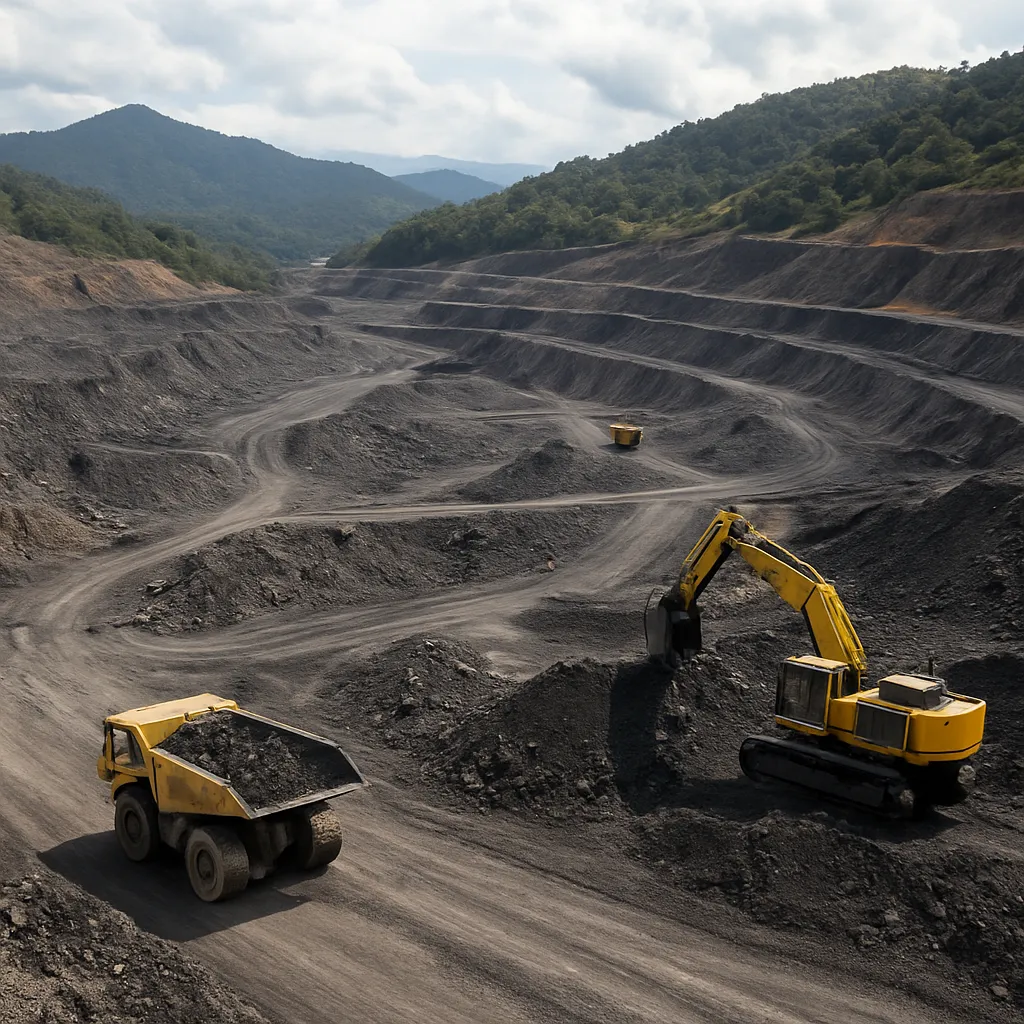
Operational technique depends on seam depth, seam geometry, and economic scale. In Colombia, the dominant method for large coal mines is open-pit (surface) mining, which uses large-scale earthmoving equipment to remove overburden and extract coal. Smaller deposits or seams at greater depth may be exploited by underground methods such as longwall or room-and-pillar. El Diviso’s specific method should be verified with operator disclosures or technical reports; however, many mines in the principal coal basins operate as open-pit operations due to the typically shallow seam depths in productive areas.
Typical equipment and process chain for an open-pit coal operation like El Diviso would include:
- Drilling and blasting (if necessary) to break rock and overburden;
- Shovels, excavators and haul trucks to move material;
- Primary crushing and screening to prepare run-of-mine coal;
- Coal washing and beneficiation plants to improve product quality, reduce ash and meet buyer specifications;
- Stockpiling, blending and load-out facilities connected to road, rail or barge/port infrastructure for shipment.
Operational considerations also include slope stability, water management, dust suppression, and ongoing maintenance of haul routes. Modern mines incorporate geotechnical monitoring, tailings and sediment control measures, and community engagement programs as integral elements of operations.
Economic profile and statistical context
Publicly available, validated production and revenue figures for El Diviso specifically may not be widely published in open sources. In the absence of mine-level reported statistics, it is useful to frame El Diviso within the national and regional coal economy:
- Colombia has been one of the world’s leading coal exporters, particularly for thermal coal. In the early 2020s, national annual coal production has typically ranged in the tens of millions of tonnes per year. Production volumes have varied year-to-year because of market demand, global coal pricing, domestic policies, and operational factors at major mines.
- Exports historically account for a large share of Colombian coal output—often a majority—supplying markets in Europe, the Americas, and Asia. Export logistics and port access therefore heavily influence the economics of any coal mine, including El Diviso.
- Revenue drivers for a mine like El Diviso include product quality (calorific value, ash, sulfur), proximity to market and transport costs, access to washing facilities, and contractual arrangements with buyers (spot sales versus long-term contracts).
Employment and fiscal contributions at the mine level depend on scale. A medium-sized open-pit mine can employ several hundred to more than a thousand workers directly, with additional thousands indirectly employed through contracting, transport, and service industries. Fiscal flows include royalties, taxes, surface rights payments, and local development obligations under Colombian mining law; each concession’s agreements define the precise monetary flows to national and subnational governments.
If specific production figures for El Diviso are required for planning, investment or regulatory purposes, the recommended step is to consult:
- Colombian Ministry of Mines and Energy concession registries;
- Local environmental impact assessment (EIA) documents for the mine;
- Company annual reports or technical reports filed by the concession holder;
- National and regional statistical agencies and export customs records where available.
Infrastructure, logistics and market access
Coal mining economics depend critically on the availability and reliability of transport and port infrastructure. Colombian coal flows to market by:
- Rail: where rail connections exist, they provide cost-effective bulk transport to coastal ports. Major coal corridors link mines in the northern departments to export terminals.
- Road: trucks are widely used for shorter hauls and where rail does not connect directly to the mine. Road transport increases per-tonne costs and wear on community infrastructure.
- Ports: access to deepwater facilities (e.g., ports on the Caribbean coast) determines export capability. Some mines rely on privately controlled or concessioned port terminals with specialized coal-handling facilities.
El Diviso’s commercial viability will be influenced by its distance to these logistics nodes, the quality of road or rail links, seasonal constraints (e.g., heavy rains that affect roads), and any bottlenecks at receiving ports. For export-oriented operations, long-term port access agreements and stable shipping arrangements are essential.
Local economic and social impacts
A mine such as El Diviso can have wide-ranging local impacts, many positive and some challenging:
- Employment: direct jobs in mining operations, plant maintenance, administration, and ancillary services are often a primary local benefit. The multiplier effect generates additional jobs in supply, logistics, and commerce.
- Local procurement: sourcing goods and services locally can incentivize regional business development if local suppliers meet technical and quality standards.
- Public revenues: royalties and taxes provide municipal and departmental governments with funds that can support infrastructure, education, and health services when appropriately managed and distributed.
- Social investment: companies commonly run community programs for education, health, road improvement, and skills training as part of social license to operate.
- Displacement and land use: mining can require land acquisition and sometimes resettlement; careful planning and compensation are necessary to minimize social disruption.
Colombia’s social context—especially in certain rural regions—adds complexity: issues such as overlapping land claims, the legacy of conflict, and the presence of informal or illegal mining activities require robust stakeholder engagement, transparency, and strong regulatory oversight to manage social impacts.
Environmental management and sustainability considerations
Coal mining carries environmental risks that must be managed to reduce impacts on ecosystems, water resources, and air quality. Key environmental management areas for El Diviso and similar operations include:
- Water management: preventing contamination of surface and groundwater through sediment control, treatment of effluents, and careful management of mine water.
- Air quality: dust control on haul roads, during loading, and around crushing/washing facilities; methane release can be a concern in some coal seams.
- Rehabilitation: progressive reclamation of disturbed land, soil replacement, and revegetation help to restore ecological functions and reduce long-term liabilities.
- Biodiversity: where mining occurs near sensitive habitats, biodiversity assessments and mitigation plans are necessary.
- Climate implications: coal combustion is a major source of CO2 emissions globally; miners and host countries face increasing pressure to account for and mitigate greenhouse gas impacts. Measures may include methane drainage and capture, energy efficiency, and diversifying local economies.
Sustainability performance is an economic consideration because investors, customers and lenders increasingly require robust environmental, social and governance (ESG) standards. For El Diviso, demonstrating compliance with Colombian environmental permitting and international best practices can be decisive for market access and financing.
Regulatory and fiscal framework
Mining in Colombia operates under a legal framework that sets out permitting, royalties, environmental compliance, land rights, and labor regulations. Royalties and fiscal regimes are periodically revised and can include variable components tied to commodity prices or profit margins. Local and national permitting requires environmental impact assessments (EIAs), public consultation processes, and monitoring plans. Effective compliance is crucial to maintain operational continuity and community trust.
Significance to industry and future outlook
Although El Diviso may be smaller than Colombia’s largest operations, every producing mine contributes to the national energy supply, export earnings, and local development. The larger context shaping the mine’s future includes:
- Global energy transition: demand for thermal coal is projected to decline in many markets over the medium to long term as countries decarbonize. However, markets differ by region and some countries continue to depend on coal for base-load generation or industrial processes, supporting demand in the near term.
- Market shifts: changes in shipping costs, competitor supply (e.g., from Australia, Indonesia, Russia), and customer preferences (washed coal, lower emissions) influence price and demand dynamics.
- Policy environment: domestic energy policy decisions, taxation and permitting reforms, and international climate agreements affect long-term coal viability. Diversification of the local economy and value addition (e.g., coal-to-chemicals, upgrades) are strategic responses.
- Operational modernization: automation, digitalization, and improved beneficiation technologies can lower operating costs and environmental footprint, improving competitiveness.
For El Diviso specifically, adaptation to market demands—such as producing higher-quality washed coal, ensuring consistent supply contracts, and maintaining strong community relations—will be key determinants of long-term sustainability.
Statistical snapshots and comparative context
While definitive mine-level statistics for El Diviso are limited in open literature, the following contextual points offer perspective:
- Colombian coal production has historically been significant on a global scale, with annual production measured in tens of millions of tonnes. Major producers include large open-pit operations that together account for the majority of national output.
- Export orientation: a substantial portion of Colombia’s coal has been destined for export markets, and access to competitive port facilities is a critical competitive advantage.
- Employment impact: mines of modest scale can still be major employers in local economies, and the multiplier effects on services and transport can be substantial.
- Royalties and local revenue: mining royalties and taxes are an important source of local government revenue, though transparency and allocation of funds remain key governance challenges.
Practical considerations for stakeholders
Different stakeholder groups will have distinct interests regarding El Diviso:
- Investors and financiers: focus on reserve quality, mine-life, cost structure, regulatory risk, and ESG compliance.
- Local communities: prioritize employment, livelihood impacts, environmental protection, and public infrastructure benefits.
- Buyers and traders: require product quality consistency, logistics reliability, and contractual certainty.
- Regulators and policymakers: monitor compliance with environmental and labor laws, royalty payments, and community engagement processes.
For any party planning engagement with El Diviso, due diligence should include review of concession documentation, environmental permits, geological and technical reports, and community agreements. Publicly filed EIAs and company disclosures, where present, are primary sources for detailed mine-level data.
Interesting facts and concluding perspective
- Regional integration: mines like El Diviso are typically integrated into a broader regional supply chain that includes crushing, washing, rail/road links and port terminals.
- Quality advantage: Colombian coals are often sought for their relatively low sulfur content and favorable calorific values compared with some other suppliers.
- Local development: even smaller mines can generate infrastructure improvements (roads, electricity) that provide broad local benefits beyond direct employment.
- Operational resilience is critical: factors such as weather-related interruptions, logistical bottlenecks, and social license challenges can materially affect production profiles and market access.
In summary, El Diviso represents a component of Colombia’s extensive coal-mining sector and, depending on its scale and product quality, can contribute meaningfully to local economies and export earnings. The mine’s long-term prospects will depend on its ability to maintain competitive product quality, secure reliable logistics, manage environmental and social impacts responsibly, and adapt to evolving global energy markets. For precise, up-to-date production figures, ownership, and concession details, direct consultation of Colombian mining registries, operator disclosures and environmental filings is recommended.
Key terms emphasized in this article: El Diviso, Colombia, coal, thermal, bituminous, production, exports, employment, infrastructure, sustainability.